Tradicional FANESCA ecuatoriana, aprende Paso a Paso

Recipe Information
Fanesca
Cultural Context
Fanesca is a traditional Ecuadorian soup typically prepared during Holy Week. It symbolizes the blending of indigenous and Spanish culinary traditions, featuring a variety of grains and vegetables that reflect the country's agricultural diversity. Today, Fanesca is enjoyed not only during Easter but also as a comforting dish throughout the year, with families often passing down their unique recipes.
Soak 1 lb bacalao in 2 liters of milk in a tall container, cover with plastic wrap, and refrigerate for 24 to 36 hours to remove excess salt.
After soaking, remove the plastic wrap and separate the milk from the bacalao. Shred the bacalao, ensuring no bones remain.
Prepare 1/4 zapallo and 1/2 zambo by cutting them into sections, removing seeds and skin, then slicing them thinly.
Peel 250 grams chochos, de-husk 2 choclos, and remove the skins from 350 grams habas by cutting the top and pressing from the bottom.
Cut 400 grams mellocos in half and chop 4 papas cholas into medium pieces. Finely chop 3 cebollas largas.
Cook 300 grams lenteja in 1 liter of water with 1 tablespoon of salt for 40 minutes on high heat.
In a separate pan, heat vegetable oil and a splash of achiote oil, then add the chopped cebollas and sauté until golden. Add garlic paste, 1 teaspoon of salt, and 1/2 teaspoon of cumin, mixing well.
Add the zambo to the sautéed mixture, which will release its own juices during cooking. Cook for 40 minutes until tender.
After 40 minutes, add 500 milliliters of the milk from the bacalao, the sliced zapallo, and 500 milliliters of water. Cook for another 40 minutes, stirring constantly to prevent sticking.
After 40 minutes, add chochos and cook for 20 minutes. Then add the frijoles and cook for another 20 minutes.
Next, add mellocos and after 20 minutes, add the arveja. When the mixture thickens, add 500 milliliters of hot whole milk.
Continue cooking for 20 minutes, then add the tender choclo, followed by the habas. After another 20 minutes, add the papas.
Once the lenteja is cooked, strain it to avoid darkening the fanesca. Add it to the mixture.
Blend 100 grams of maní with 250 milliliters of milk and add to the preparation, mixing well.
Optionally, add 250 milliliters of the bacalao soaking milk to adjust saltiness.
Sauté the shredded bacalao in oil for 2 minutes until ready to eat.
Prepare traditional accompaniments: make empanadas using minidiscos de harina de trigo filled with cheese, sealing them with wet fingers and a fork, then fry in 300 milliliters of oil for 2 minutes.
Fry some rondeles of platanitos and prepare hard-boiled eggs for serving.
Plate the fanesca and serve with the accompaniments.
Equipment Needed
Dietary
Allergens
More Fanesca Videos
(19 videos)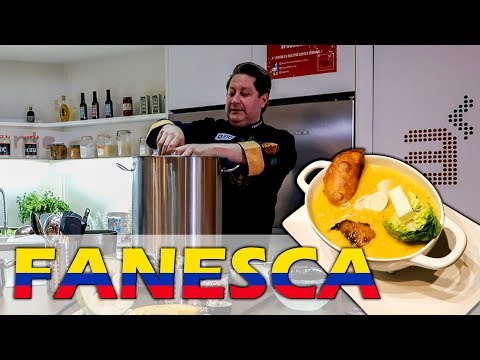
Nunca probé algo igual, 🇪🇨 la FANESCA 🇪🇨 , una receta ecuatoriana (cocina de Ecuador)
Qué gran placer
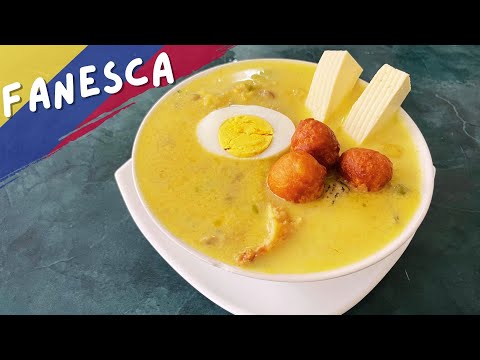
COMO HACER FANESCA | Receta Ecuatoriana 🇪🇨 | Cocinando Con Malú
Cocinando Con Malú
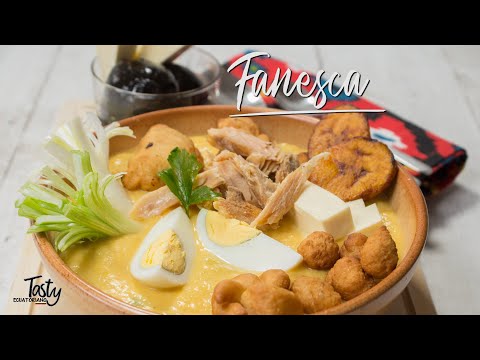
FANESCA ECUATORIANA DELICIOSA!!
Tasty Ecuatoriano
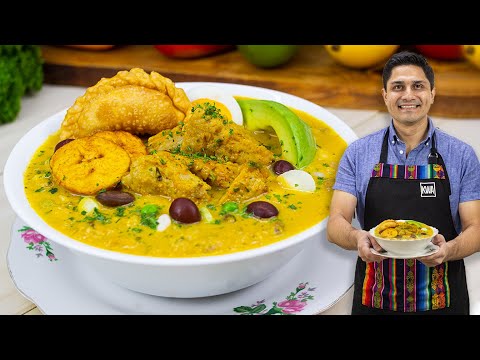
Fanesca Ecuatoriana | Receta Fácil y Tradicional | KWA
KWA
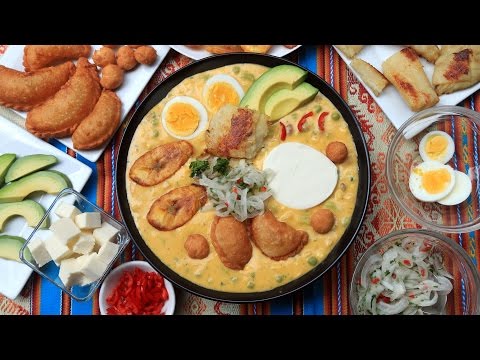
Fanesca or Ecuadorian Easter soup
Laylita.com: Recetas y Cocina
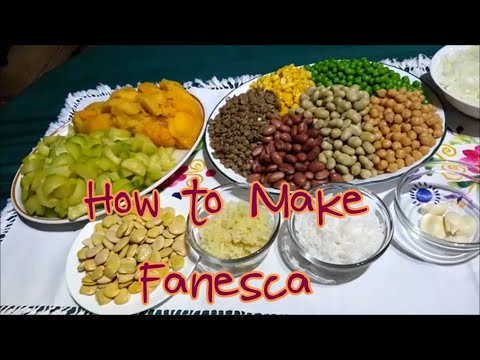
How to Make Fanesca
Kitchen Delights
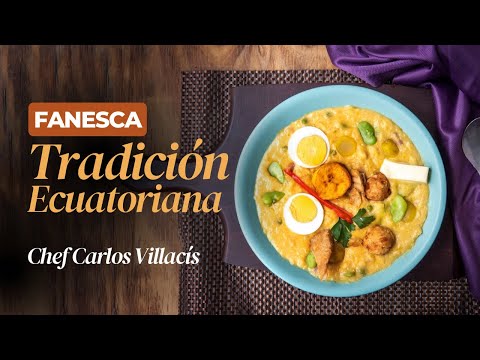
Fanesca. Todos los secretos de una receta tradicional ECUATORIANA
Chef Carlos Villacis

Fanesca - Helado de Menta y Chocolate
El Pan Nuestro TV Oficial
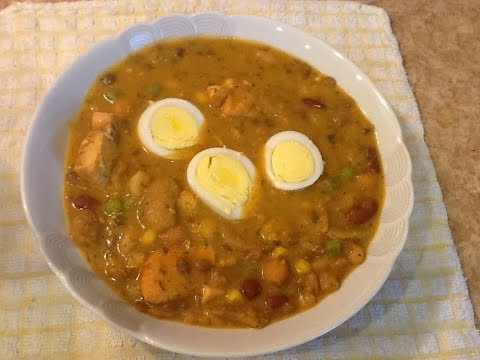
Fanesca, paso a paso como preparar
LadySilver
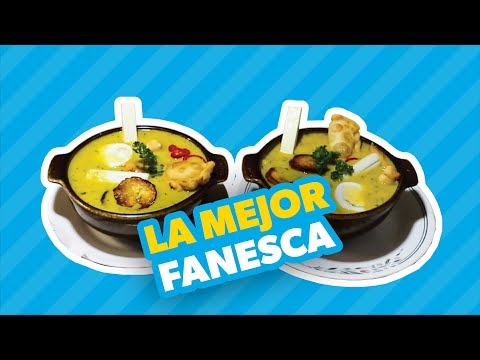
Cómo Hacer FANESCA Ecuatoriana 🍲😋
Sello Azul – Recetas
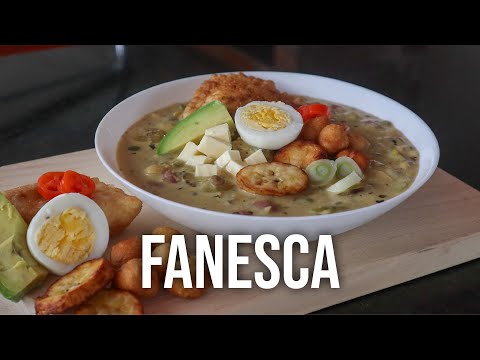
Receta de FANESCA 🥘🤤
Sello Azul – Recetas
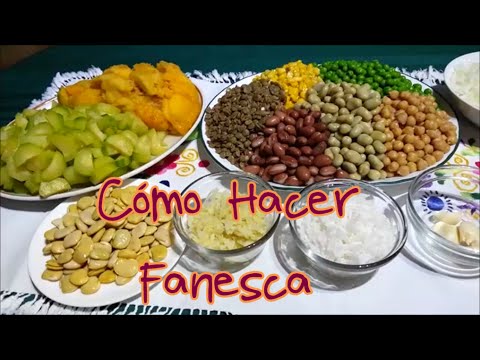
Cómo Hacer Fanesca
Kitchen Delights
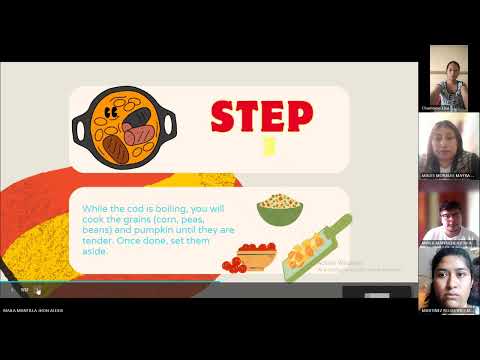
Fanesca recipe
Inés Martínez
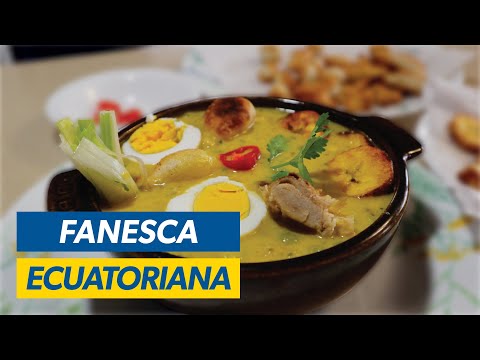
Cómo Hacer FANESCA Ecuatoriana (2020) 🍲🇪🇨
Sello Azul – Recetas
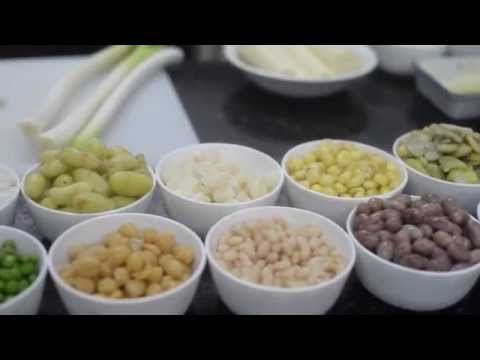
Martha Jurado: En la receta de la fanesca el pescado representa el cuerpo de Cristo
El Universo
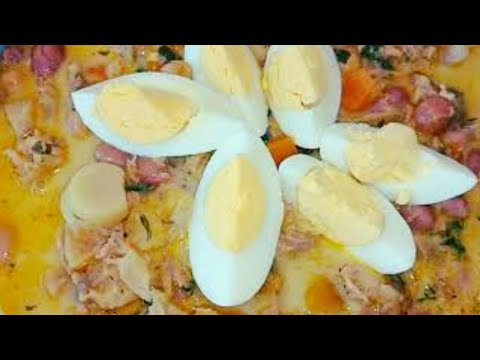
COMO HACER FANESCA Fácil y Rápido / Delicias de Fátima
Delicias de Fátima

Fanesca: Ecuadorian Easter Soup | Change Things Up This Year With This Traditional Meal From Ecuador
Scrumdiddlyumptious

Must-Try Ecuadorian Soups and Stews
AmigoFoods
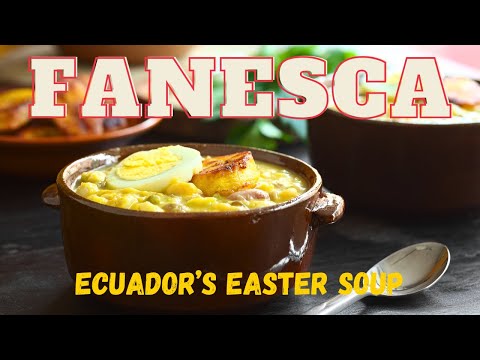
Fanesca, Traditional Ecuadorian Easter Soup
AmigoFoods
Similar EC Videos
(24 videos)
La RECETA CRIOLLA que huele a HOGAR 🥰🏡 Josué y Elie
Ecuador Y Sus Paisajes Oficial
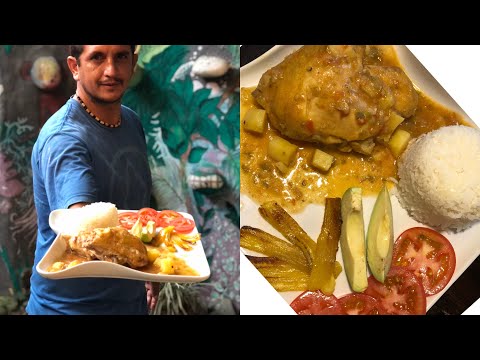
Seco de Pollo Ecuatoriano con Vino Tinto - Receta Completa
La Facha
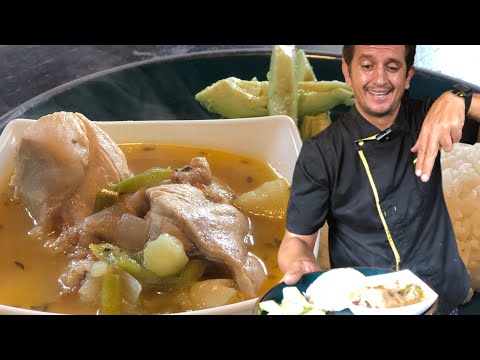
Seco de Pollo Ecuatoriano - Receta Económica y Fácil
La Facha
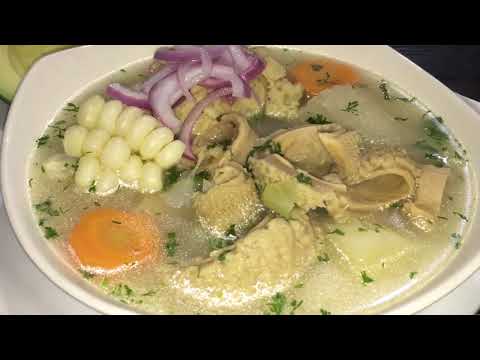
CALDO DE MONDONGO Ecuatoriano
La Cocina de Miranda García
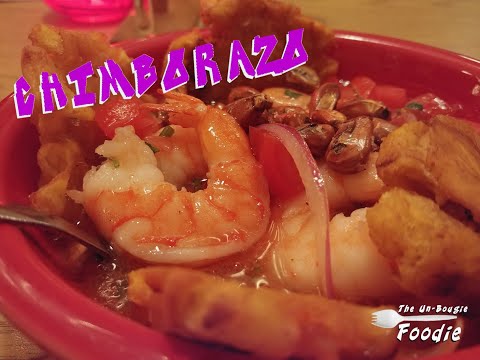
Episode 67: Give MN, Ecuadorian Cuisine at Chimborazo, Aji Criollo Recipe, Meal Kit Program
The Un-Bougie Foodie, LLC

How to Make Pan De Leche | Milk And Butter Bread |Spanish Sweet Bread | Nick Saraf's Foodlog
Get Curried
International Culinary Sojourn - Ceviche paired with Riesling vs. Cremant
Libations & Food
Pan de Ají o Chile experiencia picantita para disfrutar en familia (con el toque de Luis)
Panadería y Pastelería con el toque de Luis
Aji de Gallina Boliviano - Sajta de Pollo Receta Boliviana
Mary Ann Allen

✅ MASACO DE PLÁTANO VERDE CON CARNE 🥩 - Receta FACIL!!!
Facilísmo de Cocinar
chancho a la olla #bolivia
RISSOLEE

Receta de Maduro Lampreado 🇪🇨 | Fácil, Rápida y Económica ✨ | KWA
KWA
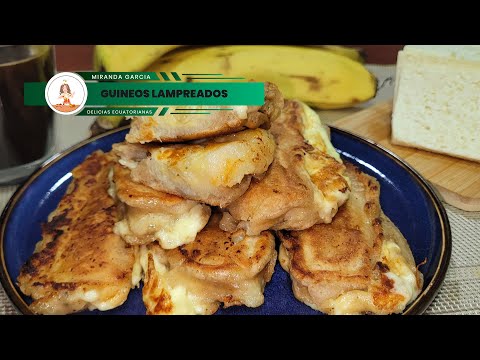
🍌🍌🧀GUINEOS LAMPREADOS rellenos de queso🧀♨️🇪🇨 #guineo
Miranda García Delicias Ecuatorianas
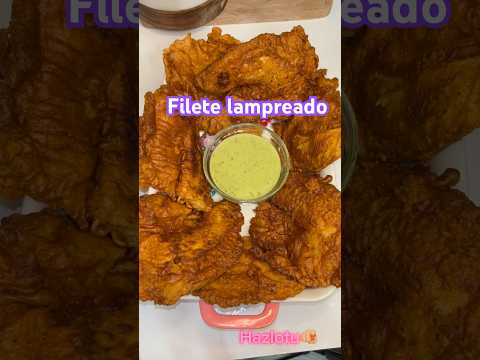
Lampreado #homemade #food #recipe #seafood #pescado
Hazlo Tú
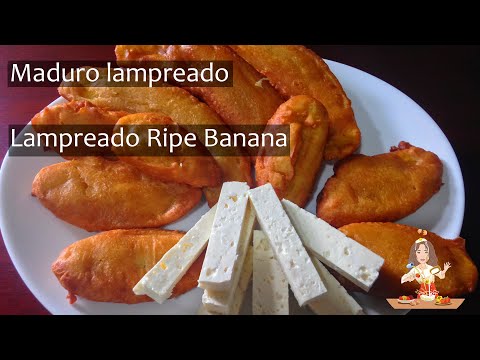
Maduros lampreados (plátanos maduros ) // Lampreado Ripe Banana
Miranda García Delicias Ecuatorianas

🧑🍳 FLOR De la V Compartió su Receta de Locro! 🤗#locro #flordelav #recetas
Faranduleros ok

Preparando las típicas MORCILLAS o morenas ecuatorianas | Amazonia Ecuatoriana.
Doña Lucy

ACENTO VENEZOLANO. El Sabor de la Capital: Descubre el Mejor Cachito de Caracas 2024 🏆#CaracasVlog
ACENTO VENEZOLANO

Como hacer patacones venezolanos brutales (patacón relleno) | La Osadía
La Osadia
In The Kitchen With: Myrian Garcia - Guatita
Geoff Guich
Trucos secretos para una guatita perfecta que nadie te cuenta
D'Leños La Herradura

Guatita Ecuatoriana
El Rincón de la Tía Yase
Como hacer GUATITA Ecuatoriana
Nathalia
La mejor Receta de guatita que vas a probar por manos de una Ecuatoriana 🇪🇨 Fuera de Ecuador
soraida Cuero
Similar Dishes From Other Cuisines
(24 videos)
10 Easy Egg Recipes You'll Crave Everyday • Tasty
Tasty
Batch Prepped SLOW COOKER RECIPES for an easier week
moon + magnolia
Honey Mustard Chicken Recipe
Jen Cooking

How To Make Scrambled Eggs
Casual Cooking
4 Top Recipes You Loved this Year
Flo Lum
Beef Stroganoff - Russian Cuisine by Muneeb's Menu
Muneeb's Menu

Most Popular Russian Foods | Самые популярные русские продукты
Travel & Taste
Pad Thai | Thai Recipes | Noodles
Lion Brand Rice

Beginner-Friendly Japanese Recipes: Easy Dishes for New Cooks
[Haruma Recipe]Japanese Food Recipes in English

20 Minute Japanese Dinners that Will Change Your Life... or maybe 25
Aaron and Claire
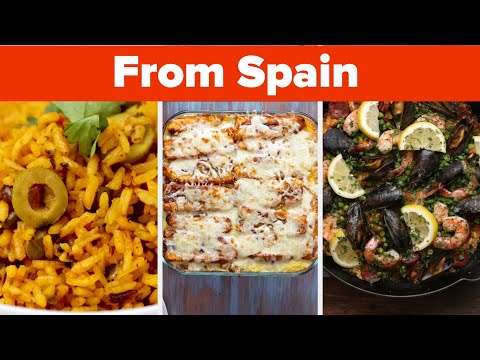
Recipes That Will Transport You To Spain
Tasty Recipes
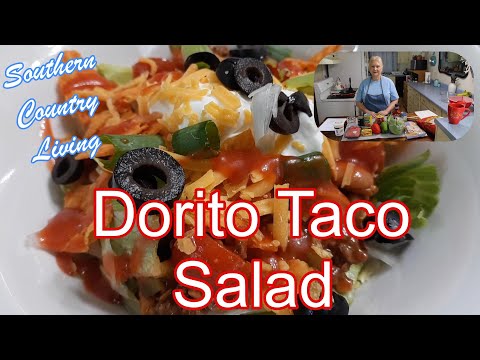
Dorito Taco Salad -- Throwback Video Series
Southern Country Living

Sausage Hash Brown Breakfast Casserole
Smokin' & Grillin with AB
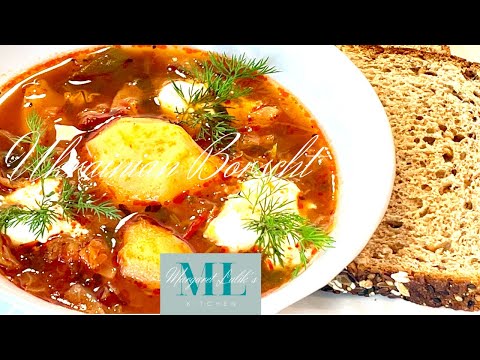
AUTHENTIC UKRAINIAN BORSCHT
MARGARET LALIK'S KITCHEN
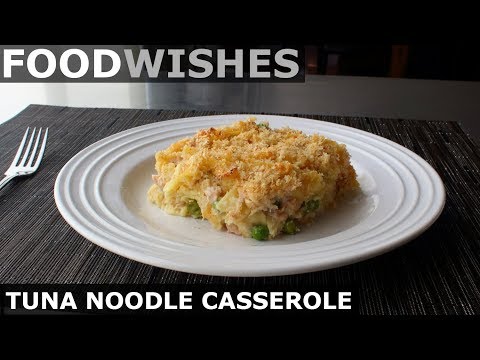
Tuna Noodle Casserole - Food Wishes
Food Wishes

Southern Fried Chicken
Smokin' & Grillin with AB
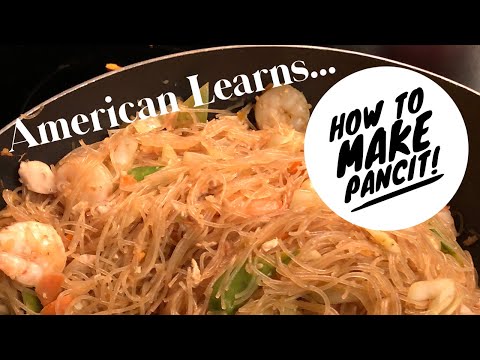
American Learns to Make Filipino Food - Cooking with Ate Viva - Bihon Pancit!
JMarie Art

Broccoli Cheese Soup
Preppy Kitchen

Broccoli Cheese Soup
Preppy Kitchen
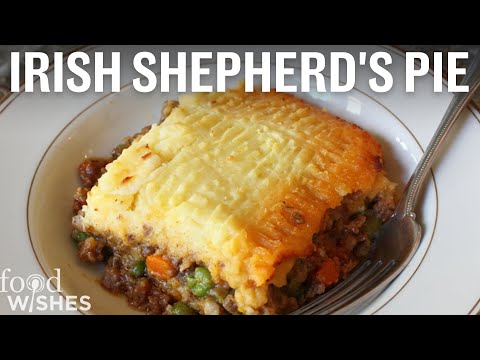
How to Make Irish Shepherd's Pie | Food Wishes
Food Wishes

Chicken Quesadilla
Andy Cooks

Tom Kha Kai - Le Riz Jaune
LE RIZ JAUNE
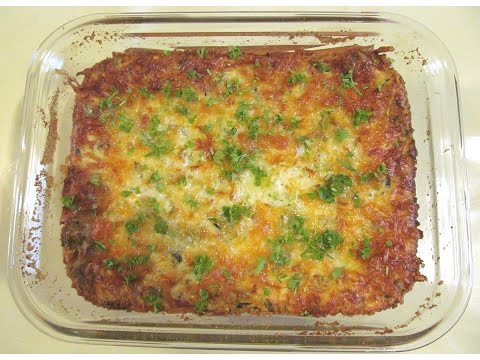
Gratin de courgettes, lardons, fromage/Запеканка из кабачков/Zucchini casserole/Budinca de dovlecei
Sucre et épices
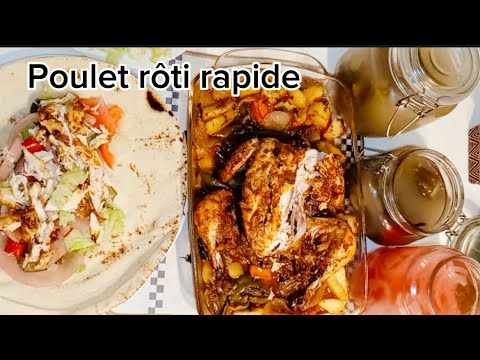
Idée de poulet rôti pour la fête
Mounira recette