How to Make Lussekatter: Traditional Swedish Saffron Buns for St. Lucia's Day

Recipe Information
Lussekatter
Cultural Context
Lussekatter, or Lucia buns, are a traditional Swedish pastry enjoyed during the festival of Saint Lucia, celebrated on December 13th. The buns are made with saffron, which symbolizes light during the dark winter months. This festive treat is often served at gatherings and is an essential part of the holiday season in Sweden. Today, Lussekatter are enjoyed not only in Sweden but have also found their way into holiday traditions across the globe, often adapted to local tastes and ingredients.
saffron
💰Cheaper: turmeric
Turmeric provides color but lacks the distinct flavor of saffron.
butter
🥗Healthier: coconut oil
💰Cheaper: margarine
Coconut oil is dairy-free and adds a subtle flavor.
milk
🥗Healthier: almond milk
💰Cheaper: water
Almond milk is a dairy alternative, while water reduces cost.
Crush the saffron threads, soak the raisins in warm water and keep them aside.
Melt the butter in a saucepan over low heat. Once melted, add the milk and heat the mixture until it's lukewarm (around 37°C). This helps the yeast activate without scalding it.
Pour the lukewarm mixture into a large bowl or a stand mixer bowl.
Add the sugar, yeast, egg and crushed saffron.
Let it sit for about 5–10 minutes until the yeast activates and becomes foamy. This step is optional if you are using instant dry yeast.
Mix salt into the 500 grams of flour into the liquid mixture and start kneading. Add 1 tablespoon of more dough at a time and knead until a smooth dough forms. The dough should be soft but not sticky.
Transfer it to an oiled bowl and let it rise for about an hour until doubles in size.
After the dough has risen, punch it down and roll it out into a uniform rectangle, about ¼ inch thick. Aim for even thickness throughout, which helps ensure consistent baking.
Using a pizza cutter, cut the dough into approximately 16 strips that are about 1 inch wide. Try to keep the strips uniform in width to make each bun similar in size and shape.
Take one strip and start rolling it tightly from one end, coiling it toward the centre. When you reach the middle of the strip, stop rolling. Then, turn the strip around and roll from the other end toward the centre, creating an 'S' shape with the two spirals facing opposite directions.
Keep the dough covered with a damp cloth or plastic wrap during the resting and shaping stages to prevent a dry outer layer.
Repeat the same for all the strips.
Place the soaked raisin or currant in the centre of each spiral on both ends of the 'S.'
Arrange the shaped buns on a baking sheet lined with parchment paper, cover them lightly, and let them rise again for about 30 minutes before baking.
This shaping method gives each Lussekatt a beautiful, symmetrical 'S' shape and lets the spirals hold their shape well as they bake. Place a raisin in each curl.
Let the buns rise for another 30 minutes until they’re puffy. This final proofing step will make the buns light and fluffy after baking.
Preheat the oven to 220°C. Brush the buns with a beaten egg for shine, then bake for 8–10 minutes or until golden.
For an extra moisture boost, brush the freshly baked buns with a light sugar syrup or melted butter. This adds a touch of sweetness and helps seal in moisture. However, this is optional.
For lussekatter, sugar syrup can be brushed on after baking to give them a lovely sheen and slight sweetness.
In a small saucepan, combine the sugar and water.
Heat over medium heat, stirring occasionally, until the sugar dissolves completely.
Once dissolved, bring the syrup to a gentle boil, then remove from heat.
Let the syrup cool slightly, then brush it over the warm lussekatter just after they come out of the oven for a shiny, sticky finish.
Alternatively, Brush the lussekatter with melted butter and then roll them in sugar for a sweet and soft coating.
Melt 2-3 tablespoons of butter.
Once the lussekatter are out of the oven and slightly warm, brush each one generously with melted butter.
Roll the buttered lussekatter in a plate of granulated sugar, making sure to coat all sides evenly.
This will give them a delightful sugary crust and an extra bit of sweetness!
Enjoy your freshly baked saffron buns!
Lussekatter is best enjoyed fresh, often with coffee or glögg (Swedish mulled wine).
Cooking Techniques
Equipment Needed
Spice Level:
🌶️🌶️🌶️Allergens
Also Known As
More Lussekatter Videos
(8 videos)
How to Make Saffron Buns (Lussebullar) by Alix • Tasty
Tasty

How to Make Lussekatter I Amazing Swedish Saffron Buns
ChainBaker

Lussekatter | Saffron Buns Recipe
Casual Cookery

VIDA NA SUÉCIA - RECEITA DE LUSSEKATTER PÃO DE AÇAFRÃO TRADICIONAL DE DEZEMBRO AQUI NA SUÉCIA
Vida na Suécia por Déa Persson

How to Make Lussekatter | Swedish Saffron Buns | Hilah Cooking
Hilah Cooking
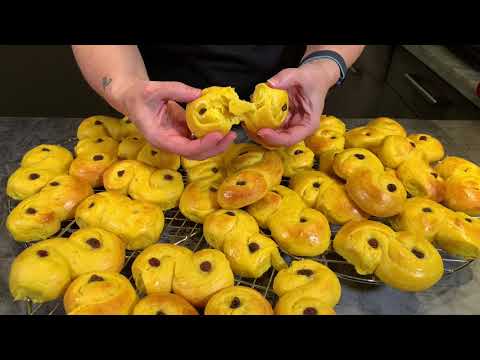
Lussekatter (Saffron Buns)
Insight Bakery

St.Lucia Buns Recipe! Swedish Lussekatter Rolls!
marnaan

The Best Saffron Buns You'll Ever Make | Swedish Lussekatter Recipe 🇸🇪
Cooking with Melory
Similar Swedish Videos
(24 videos)
How to make easy Swedish Mini Crêpes Plättar
All Spiced Out

How to make Easy Swedish Pancakes Pannkakor - an IKEA Copycat Crêpes Recipe
All Spiced Out

Dreamy Swedish Drömmar: Egg-free Spelt Butter Cookies
Sue Maree P

How to Make Easy Swedish Gingersnaps 🎄 Pepparkakor 🍪
Scandinavian Today

How to make delicious Swedish cinnamon rolls /Easy cinnamon roll recipe/طرز تهیه رول دارچینی
NAS NAS

How To Make Easy Swedish Raspberry Cave Cookies ☕ Hallongrottor
Scandinavian Today

How To Make Easy Swedish Dream Cookies 🍪Drömmar
Scandinavian Today

How to Make Swedish Meatballs | Swedish Recipe | Allrecipes.com
Allrecipes

Lussebullar o Lussekatter – Postre Navideño Sueco (que se puede comer todo el año) - CON SUBTÍTULOS
Isabel Johnsson
EASY SWEDISH MEATLOAF || GAWIN NYO TILL SA GRUNDKÖTT || Gelynz OFFICIAL
Gelynz Official
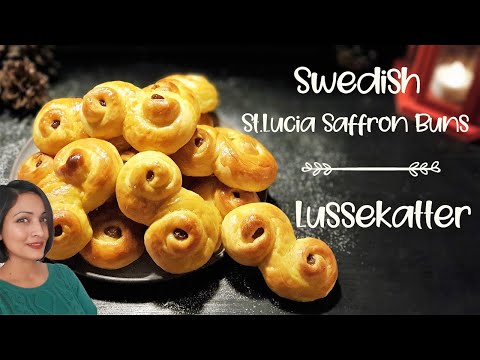
Fluffy Swedish St.Lucia Saffron Buns Recipe | Lussekatter | Christmas Special #Saffron Buns
Liza's Secret Garnish

How to shape Swedish Lucia buns
CuisineFiend

HOW TO: Make Swedish Meatballs (PewDiePie Inspired)
Andrea Gueta
How to make Swedish Meatballs and Noodles with Creamed Spinach
Roberts Test kitchen.

Swedish Meatballs Do It Yourself Cooking
Do It Yourself Cooking

Anchovies Sandwich - The Swedish Way
Helena ́s How To Cook European & More
I Cooked the Juiciest Meatballs in Tomato Sauce - Easy & Quick Recipe
Eatventures with Lukas
HOW TO MAKE SWEDISH TEA RING | SWEDISH TEA RING RECIPE
FaithlynFoodsVariety

Swedish Tea Ring Recipe
Janice Elvaretta

Christmas Swedish Tea Ring
31 Daily

How to bake a Swedish tea ring
Meadow Brown Bakery

Glögg - How to Make Swedish Mulled Wine with Red Wine, Brandy & Spices
Distinguished Spirits
Skagenröra - Swedish Creamy Shrimp Salad
Scandinavian Cookbook

How to make skagen (Swedish shrimp salad)
Steve Dolinsky
Similar Desserts From Other Cuisines
(24 videos)
6 Crazy Easy NO-BAKE Desserts with Just 3 Ingredients (So Fun & Delicious!) | Summer Recipes
Patterson Family Home
Recipe: Summer Berry Terrine (CLOVER)
ExpressoRecipes

Apple Fritter Doughnuts
Laura in the Kitchen
Peanut Butter Cookies
Omar Tellow

Pineapple Upside Down Cake | New Year Party Recipe | By Ashley Derick MacDonald | For Cuisine Canvas
Cuisine Canvas

Boston Cream Pie
Preppy Kitchen

German Desserts - 9 Delicious German Desserts That You Need To Try!
German Recipes by All Tastes German

Tiramisu
Preppy Kitchen

Professional Baker Teaches You How To Make CHOCOLATE CHIP COOKIES!
Oh Yum with Anna Olson
10 Recipes To Sweeten The Holiday Season
Scrumdiddlyumptious

Peach Cobbler
Preppy Kitchen

5 Classic American Desserts You Must Try at Home! 🇺🇸🍰 #delicious_delights #dessert
Delicious Delights

Riz au lait - saveur d’enfance - au lait végétal -
Mimagusta
Recette culte : Riz au lait de l'Ami Jean - 750g
750g
{Recette Omnicuiseur} Riz au lait
Le Pays des Gourmandises
RECETTE RIZ AU LAIT
Saad Fedda

#1àZ : MON RIZ AU LAIT
Xavier Pincemin
~RIZ AU LAIT vanille ~ dessert allégé en sucre inratable |Recettes & diététique
Recettes & Diététique

Recette Riz au lait Gastronomique
Allez on cuisine
Riz au lait au Cookeo
Lili Cuisine

BEIGNETS FRITS Recette facile - Fait maison
kado cuisine
Gâteau au yaourt en 1 minute . Bon et moelleux. Recette facile et rapide
Les délices de Maha
Gâteau au yaourt - 10 leçons pour le réussir
Julie Andrieu - Chaîne officielle
Mousse à la pêche par Pierre-Dominique Cécillon pour Larousse Cuisine
LarousseCuisine