蘭州拉面 家庭純手工拉面的技巧總結 3種拉面全學會 Hand-pulled Lamian Noodles

Recipe Information
Lanzhou Lamian Noodles
Cultural Context
Originating from Lanzhou in Gansu province, Lanzhou Lamian Noodles are a staple of Chinese Muslim cuisine, known for their hand-pulled noodles and flavorful beef broth. Traditionally enjoyed as a street food, they carry cultural significance in the region, often served during special occasions and family gatherings. Today, they are celebrated worldwide, with many variations adapting to local tastes.
beef
🥗Healthier: chicken
💰Cheaper: pork
Chicken is leaner and often less expensive than beef.
beef broth
🥗Healthier: vegetable broth
💰Cheaper: water with seasoning
Vegetable broth reduces calories and costs.
chili oil
🥗Healthier: olive oil with chili flakes
💰Cheaper: homemade chili oil
Homemade chili oil can be made at a lower cost.
pickled mustard greens
🥗Healthier: fresh greens
💰Cheaper: cabbage
Cabbage is often cheaper and can add crunch.
Welcome to the channel, today we will make hand-pulled Lamian noodles.
Use bread flour or all-purpose flour with higher protein content (over 12%).
Add 4g of salt for winter; add more salt in summer to prevent dough from leavening.
For winter, use warm water; for summer, use ice water at 0C; for other seasons, use cold water.
The moisture content of the dough should be between 49% and 51%.
Add water in three increments: first, add 70% of the total water, dividing the flour wall into 3-4 portions and scooping in one portion at a time with a spatula.
Rub the flour with both hands, spread it out, and sprinkle 20% of the water for the second time, then scoop from the bottom and fold to distribute moisture evenly.
Sprinkle the remaining 10% of water on the dry flour, combine, and repeat the pushing out process three times.
Cover the dough and prepare the Penghui solution: mix 4g of Penghui powder with 12g of warm water (1:3 ratio).
Let the mixture settle, using only the clear solution from the top.
In winter, for every 500g of flour, add 12g of Penghui solution; use less in summer.
Make fists with both hands and stretch the dough flat; the dough should not be smooth yet.
Add half of the Penghui solution, press it into the dough, and fold it three times, repeating the dough breaking process until the solution is evenly distributed.
Fold the dough into a small 'pillow' and grease with canola oil.
Let the dough relax for 30 minutes in winter; less time in summer.
After 30 minutes, the dough should be softer and smoother.
Add the second batch of Penghui solution (2/3 of the remaining solution), fold three times, and push out into smaller pieces for better absorption.
Add the third batch of Penghui solution when ready to pull the noodles; knead the dough into a long strip and fold.
Twist the dough counter-clockwise and clockwise 6-7 times; it may be sticky, so grease with canola oil.
Form into a thick strip (5cm in diameter) and dust with flour; cut into two shorter strips (15cm long) and relax for 4 minutes.
Make each strip into 30cm long, ensuring even thickness for pulling.
Begin pulling the noodles: hold the two ends in your left hand, find the midpoint with your right index finger, and pull horizontally.
Lift the end of the noodles in your left hand after each pull to prevent breaking.
If the dough feels tight, stretch it gently to avoid breaking.
Once you have eight strips on the table, switch to using your right hand, palm facing up, to thin the noodles.
Coat with flour to prevent sticking, and transfer noodles from right hand to left index finger, pulling with the right hand, palm facing down.
For the last pull, transfer from left index finger to right thumb and from left hand to right index finger, giving it a quick snap.
Make the second type of Lamian noodles: chive leaf flat Lamian noodles by flattening the dough into a rectangular cross-section; follow the same steps as before.
Tips for making Lamian noodles: use warm water in winter, ice cold water in summer, and aim for a final dough temperature of 26-30C for easier pulling.
The amount of Penghui solution is crucial; too little makes it tight, too much makes it soft.
Add the last bits of solution before pulling to avoid tightness.
Always find the midpoint before each pull to ensure evenness and prevent breaking.
Cooking Techniques
Equipment Needed
Spice Level:
🌶️🌶️🌶️Dietary
Allergens
Also Known As
Other Takes on Beef
(24 videos)
Beef Stroganoff - Russian Cuisine by Muneeb's Menu
Muneeb's Menu

Most Popular Russian Foods | Самые популярные русские продукты
Travel & Taste
いっとこ!:7分で完成!洋食屋さんのビーフストロガノフ
UHB北海道文化放送 公式
소불고기 만들기 ( Beef Bulgogi ) | 소불고기 황금레시피 | 불고기 양념 맛있게 하는방법 ( How to make Bulgogi Seasoning Delicious )
옴마의요리 Omma’s Cook
명절음식 소불고기에 이것 두숟갈이면 감칠맛이 최고입니다.
요리왕비룡 Korean Food Cooking
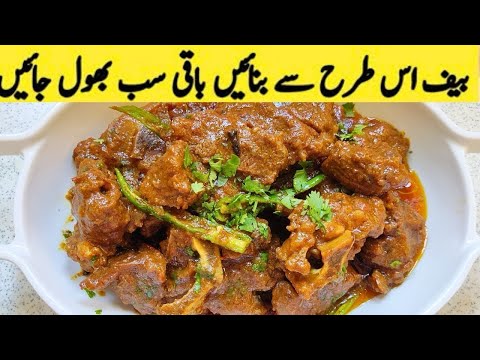
Quick Easy & Delicious Beef Masala Recipe Pakistani Style in Pressure cooker
Cook Food
How to make Ginger Beef at Home with Restaurant Recipe
居住加拿大
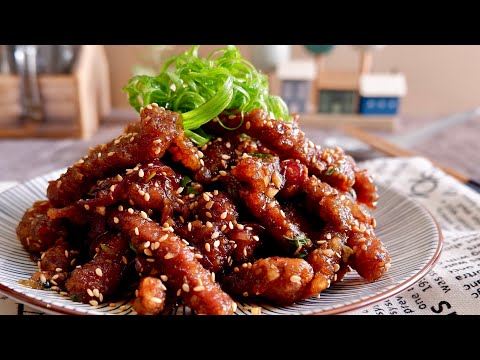
This Ginger Beef is BETTER than Takeout! 脆皮姜汁牛肉 How to Cook Canadian Chinese Crispy Beef Recipe
Spice N' Pans
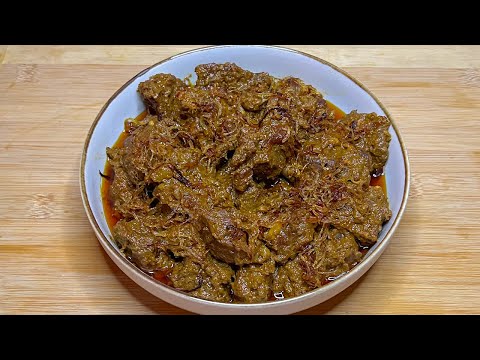
Bengali Beef Rezala: A Delectable Dish from the Heart of Bengal
Pan Fry
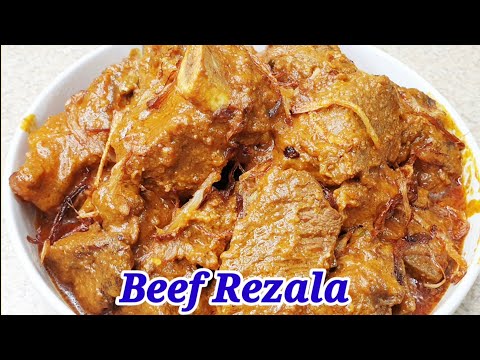
#BeefRezala | Bangladeshi biye Barir Traditional beef rezala recipe | Harun's Cooking Show
Harun's Cooking Show
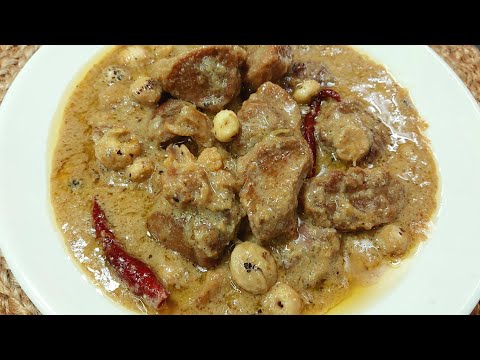
Bakra Eid Special Beef Rezala Recipe | Kolkata Style Beef Rezala Recipe | Mom's Kitchen
Mom's Kitchen
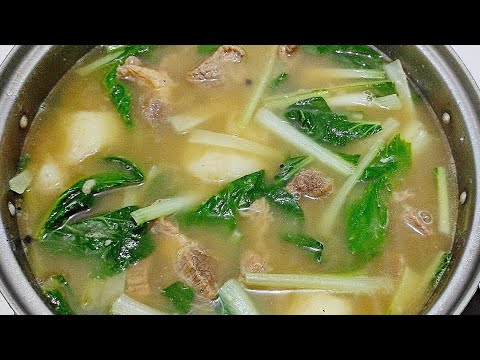
How To Cook Beef Nilaga | Beef Nilaga | Nilagang Baka with Pechay and Gabi | BEEF RECIPE
JEAN cooking
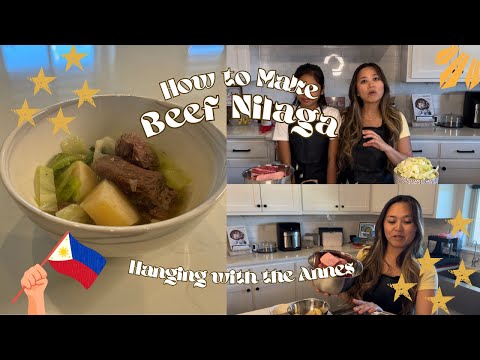
FILIPINO FRIDAY: HOW TO MAKE BEEF NILAGA - HANGING WITH THE ANNES
Hanging with the Annes
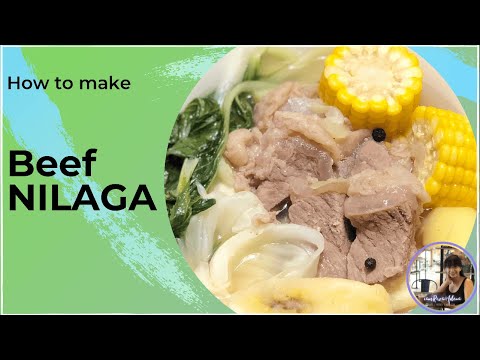
#148 How to Make Beef Nilaga
iamRizaAdena
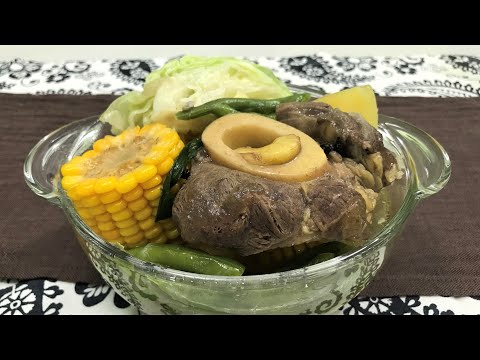
Beef Nilaga (Nilagang Baka)
Casa Baluarte
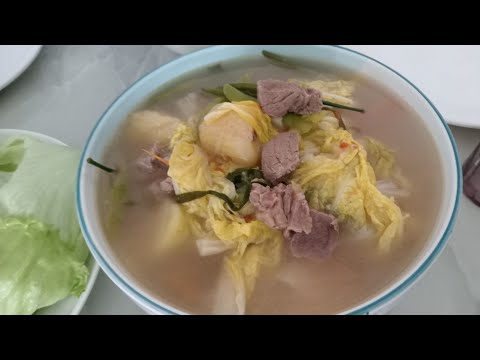
How to make beef nilaga | Nilagang baka recipe | Cusina Ni Marith atbp
Cusina Ni Marith atbp
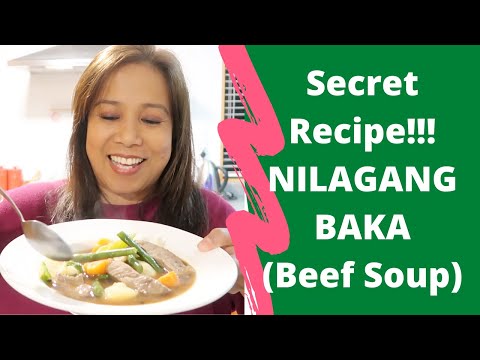
This Beef Nilaga Will Warm Your Soul – Secret Recipe Inside!
letscooknz
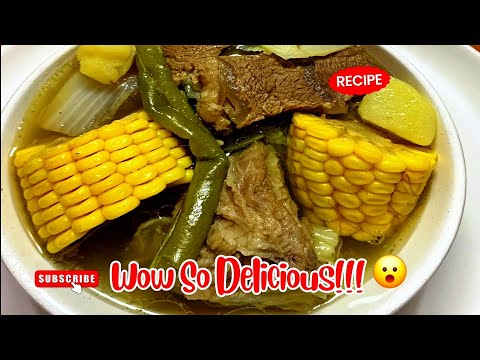
RAINY DAY COMFORT! BEST BEEF NILAGA RECIPE (Sauté-First for Max Flavor!) | Filipino Nilagang Baka
CMT KITCHEN CHANNEL

Beef Nilaga | Nilagang Baka (Filipino Food)
Nic & Rei
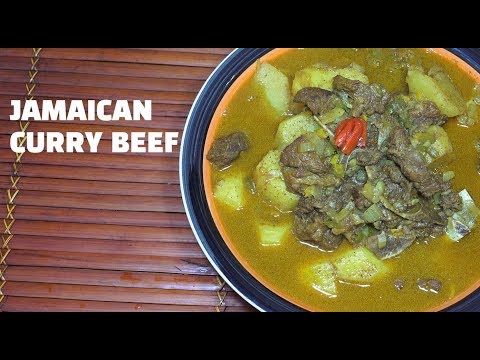
🇯🇲 Jamaican Curry Beef - Beef Potato Curry - How to make Curry Beef
How To Cook Great
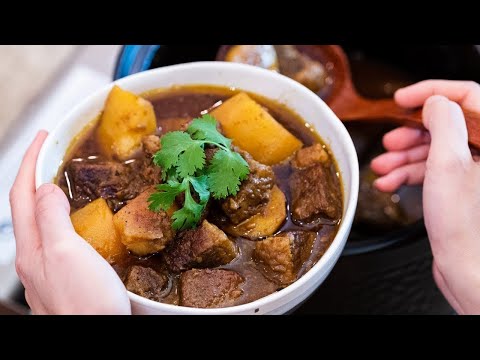
Curry Beef Recipe (HK style)
Souped Up Recipes

Trini Style Curry Beef Recipe
eatahfood
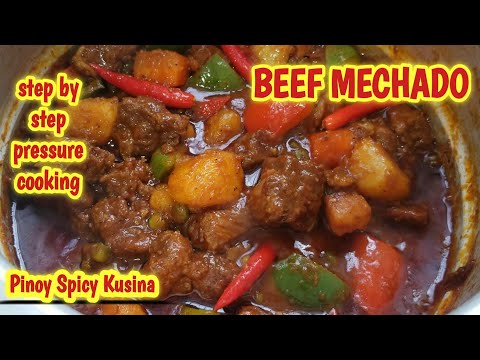
Beef Mechado Recipe - Filipino Style
Pinoy Spicy Kusina
![How to Make Lao Style Savory Thick Beef Jerky - Seen Hang Seen Seen Lot Recipe [Easy Saap Lao Food]](https://img.youtube.com/vi/mXkwtrzjfcg/hqdefault.jpg)
How to Make Lao Style Savory Thick Beef Jerky - Seen Hang Seen Seen Lot Recipe [Easy Saap Lao Food]
Cook with Harris Panyanouvong
Similar Chinese Videos
(24 videos)
4 Top Recipes You Loved this Year
Flo Lum

Arroz Chino (colombiano) la receta más fácil, rendidora y deliciosa. #receta #recetas #arroz
Alejo Que Rico
탄탄면 레시피 (Sichuan noodles)
부부엌
![[비건레시피] 갖은 야채 듬뿍! 채수가득한 야채 만두 어때요?](https://img.youtube.com/vi/1P02mgNhVpo/hqdefault.jpg)
[비건레시피] 갖은 야채 듬뿍! 채수가득한 야채 만두 어때요?
혜윰 제작소
밀가루 없이 이게 가능해? 넣자마자 면으로 변하는 마법! 달걀국수 레시피 공개
알토란 - 집밥 레시피
鶏肉と白菜のヘルシースープの作り方|寒い日にピッタリ!白菜大量消費に!身体もポカポカ温まる簡単スープレシピ!-How to make Chinese cabbage soup-【料理研究家ゆかり】
料理研究家ゆかりのおうちで簡単レシピ / Yukari's Kitchen
中国旅行2020【上海・昆明編】格安で本物の麻婆豆腐に出会ったB級グルメの旅!!地図にもないような幻の屋台村に潜入するの巻!前半は上海の串焼き店のレビューで後半が日本でも大人気の麻婆豆腐のご紹介です♪
ポリフェノールTravel-Memo
Pork Siomai with Quail Egg | How To Make Pork Siomai #ShopeeTagToWin
Pinoy Recipe at iba pa.
How To Make Pork SIOMAI | Siomai Recipe Filipino Style @JoeCooking
Joe in the Kitchen
Siomai Recipe Filipino Style | How to Make Pork Siomai | Homemade Siomai @JoeCooking
Joe in the Kitchen
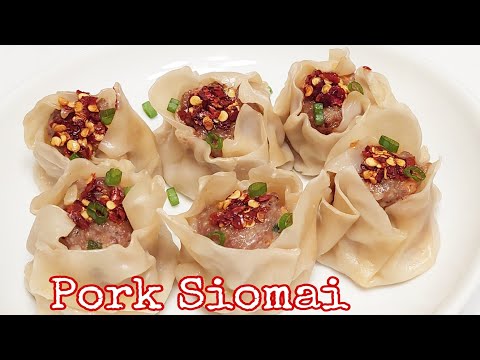
Pork siomai by Filipino food creations/How to make Pork siomai/Siomai Recipe
Filipino food creations
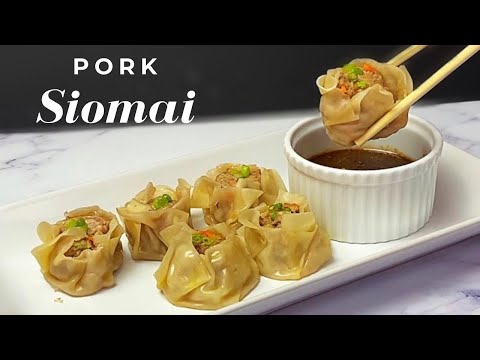
PORK SIOMAI | Chinese Dumplings
YSG Kitcheneria
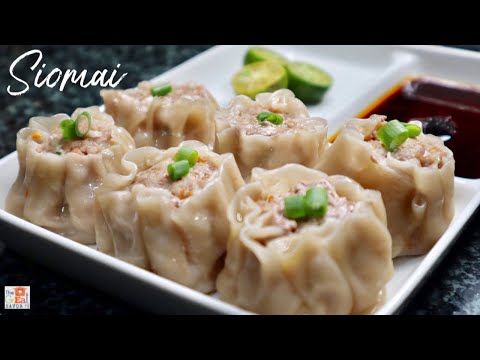
Easy PORK SIOMAI Recipe Filipino Style | How To Wrap Siomai | HOMEMADE SIOMAI
The GREAT Savor PH
Pork Siomai recipe (dimsum) with Chili Garlic oil / Kain po tayo! Tagalog #siumai #shumai #siomai
D'Chef on Two Wheels

Easy PORK SIOMAI Recipe Pinoy Style | HOMEMADE SIOMAI
Yummy Kitchen

PORK SIOMAI RECIPE | pang negosyo
neri's kitchen
![[ENG SUB] 怎么做鱼片粥 - 简单好吃家常菜 | How To Make Fish Congee/Fish Porridge - Easy Chinese Home Cook Recipe](https://img.youtube.com/vi/Kx0re4MVagM/hqdefault.jpg)
[ENG SUB] 怎么做鱼片粥 - 简单好吃家常菜 | How To Make Fish Congee/Fish Porridge - Easy Chinese Home Cook Recipe
英国吃货飞女侠 The Foodie Felicia
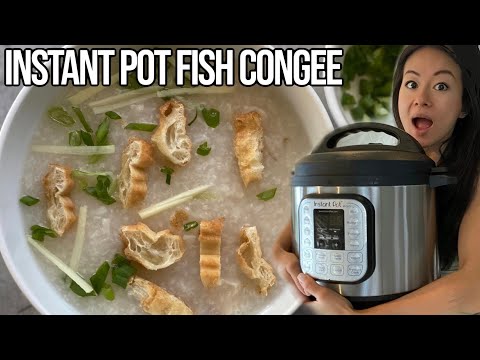
🐟 Instant Pot Fish Congee Recipe (Pressure Cooker) w/ My Favorite Toppings 魚片粥 | Rack of Lam
Rack of Lam
How to make xiaolongbao with Old Bailey
SCMP Style
How to make Xiaolongbao/Soup Dumpling
Rheon U.S.A. Official
How To Make Xiao Long Bao By ANKO Food Machine
ANKO Food Machine
How to Make Soup Dumplings from Scratch | Xiaolongbao Recipe
Lilac Diaries

🥟 Xiaolongbao Recipe – The Secret to Perfect Chinese Soup Dumplings at Home! 🇨🇳✨
World Health Market
How to Make Perfect Xiaolongbao (Soup Dumplings) | Folding Filling and Steaming Like a Pro
FOODFEST INTERNATIONAL
Similar Dishes From Other Cuisines
(22 videos)
Dorito Taco Salad -- Throwback Video Series
Southern Country Living
Recette soupe à l'oignon - Chef Sims
Chef Sims

soupe d'os à moelle et oignons économique facile et rapide à faire شوربه البصل والعظم الصحيه
ام اولادي om awladi

SOUPE À L'OIGNON | UNE RECETTE DE MON LIVRE ! Une recette économique et facile idéale pour l'hiver
Chef Michel Dumas

Gastronomie : la traditionnelle et réconfortante soupe à l'oignon
Météo à la carte - France Télévisions

Pourquoi mange-t-on la soupe à l'oignon la nuit
Recettes-et-terroirs.com
Recette du hachis parmentier
100% GOURMAND
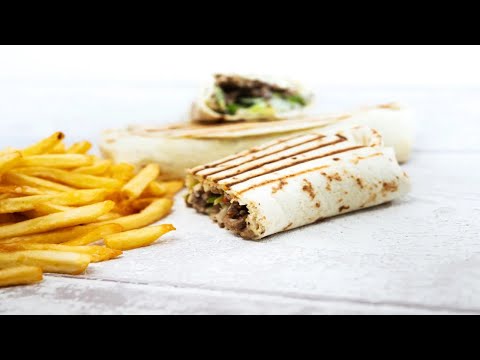
🌯 French Tacos - La street food française ultra généreuse à garnir selon vos envies 🧀🔥
Recettes Cooking

¿La Mejor Empanada de Argentina? Proceso completo de 3 días | Locos X el Asado
Locos X el Asado

Meal Preparaciones | En la olla Cocicna Criolla Bandeja Paisa | En la olla cocina criolla 2019
En la Olla Cocina criolla

EMPANADAS DE CARNE hechas por una URUGUAYA
Tati Rodríguez - Vlogs y recetas

CHIVITO URUGUAYO - Sándwich de ¨Lomito¨ | Cocina de Restaurante en Casa
Cocina de Restaurante en Casa

"CANELONES" Receta URUGUAYA deliciosos.@unuruguayoviviendoenmexico
UnUruguayo ViviendoEnMexico
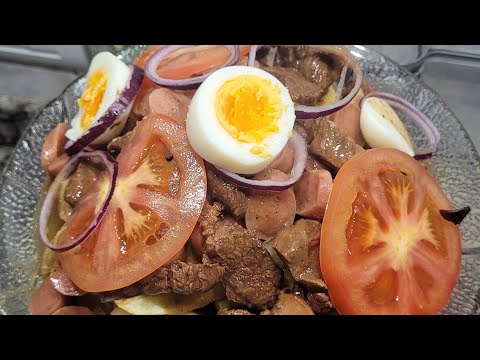
PIQUE MACHO RECETA BOLIVIANA
Juana cocina
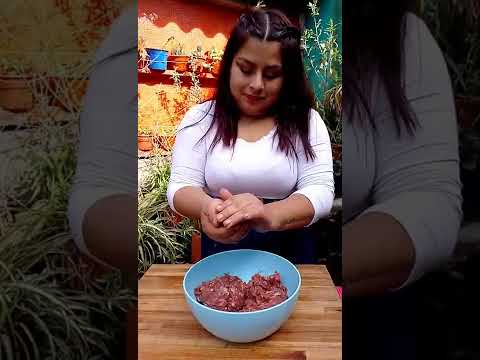
SILPANCHO RECETA FACIL
ELBA COCINA
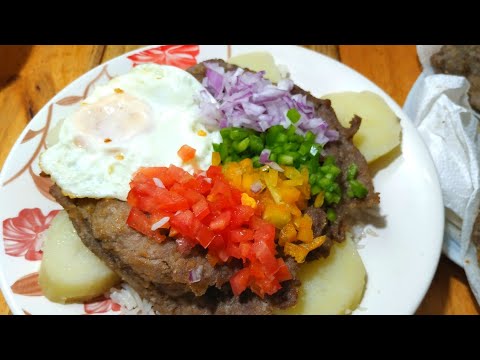
SILPANCHO RECETA BOLIVIANA🇧🇴 JUANA COCINA 👨🏻🍳
Juana cocina
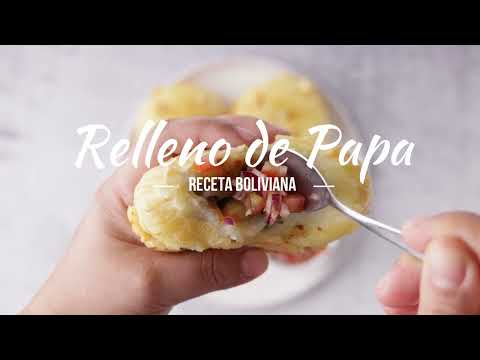
Relleno de Papa (Receta Boliviana)
Chipa por Docena

Relleno de Papa - Fácil y Delicioso
Julia Kani

SILPANCHO Plato TRADICIONAL De BOLIVIA - Receta Económica Y Fácil
Cocina Fácil Con Lore!!!
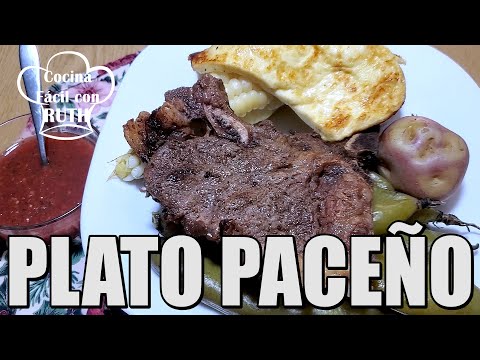
PLATO PACEÑO muy pedido en Alasitas Comida Boliviana ¡¡fácil y delicioso!! #lapaz #lapazbolivia
Cocina Fácil Con Ruth

PLATO PACEÑO RECETA BOLIVIANA tipica de LA PAZ
Cocina con Verini
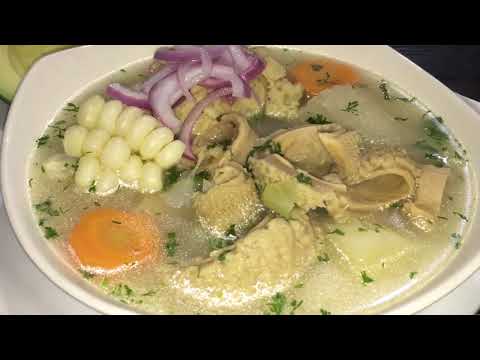
CALDO DE MONDONGO Ecuatoriano
La Cocina de Miranda García