Cozy LIFE in Japan 🇯🇵: Sushi Roll, Bon Odori Festival, Beef Bowl Cooking
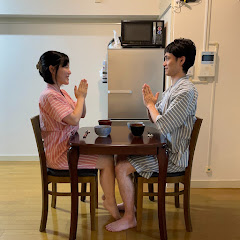
Recipes in this Video
Ingredients
- ●2 cups sushi rice
- ●2 1/2 cups water
- ●1/4 cup rice vinegar
- ●2 tbsp sugar
- ●1 tsp salt
- ●4 sheets nori (seaweed)
- ●1 cucumber, julienned
- ●1 avocado, sliced
- ●8 oz raw fish (like tuna or salmon), sliced
- ●soy sauce, for serving
- ●wasabi, for serving
- ●pickled ginger, for serving
Instructions
- 1Rinse the sushi rice under cold water until the water runs clear.
- 2In a rice cooker or pot, combine the rinsed rice and water. Cook according to the rice cooker's instructions or bring to a boil, then reduce heat and simmer for 20 minutes until water is absorbed.
- 3In a small bowl, mix rice vinegar, sugar, and salt until dissolved. Once the rice is cooked, transfer it to a large bowl and gently fold in the vinegar mixture. Let it cool to room temperature.
- 4Place a bamboo sushi mat on a flat surface and lay a sheet of nori on top, shiny side down.
- 5Wet your hands to prevent sticking, then take a handful of sushi rice and spread it evenly over the nori, leaving a 1-inch border at the top.
- 6Arrange cucumber, avocado, and fish in a line across the center of the rice.
- 7Using the bamboo mat, carefully roll the sushi away from you, pressing gently but firmly to keep the roll tight.
- 8Once rolled, use a sharp knife to slice the roll into 6-8 pieces. Wipe the knife with a damp cloth between cuts for clean slices.
- 9Repeat the process with the remaining nori sheets and fillings.
- 10Serve the sushi rolls with soy sauce, wasabi, and pickled ginger.
Equipment
Tamagoyaki is a traditional Japanese dish often served as part of a bento box or as a side dish in sushi restaurants. It is characterized by its sweet and savory flavor, achieved through the use of dashi and soy sauce. This dish is commonly enjoyed for breakfast or as a snack, showcasing the Japanese culinary technique of rolling layers of cooked egg.
Ingredients
- ●eggs
- ●dashi
- ●soy sauce
- ●sugar
- ●salt
- ●oil
Instructions
- 1In a bowl, whisk together eggs, dashi, soy sauce, sugar, and salt until well combined.
- 2Heat a non-stick pan over medium heat and lightly oil it.
- 3Pour a small amount of the egg mixture into the pan, tilting to spread evenly.
- 4Cook until the edges start to set, then roll the omelette towards one side of the pan.
- 5Add more egg mixture to the pan, lifting the rolled omelette to allow the uncooked mixture to flow underneath.
- 6Repeat the process until all the egg mixture is used, forming layers.
- 7Remove from the pan and let it cool slightly before slicing into pieces.
Ingredient Alternatives
dashi
Healthier: vegetable broth
Cheaper: water
Vegetable broth is lower in calories and can be more budget-friendly.
soy sauce
Healthier: low-sodium soy sauce
Cheaper: tamari
Low-sodium soy sauce is healthier, while tamari can be a gluten-free alternative.
Techniques
Equipment
Also Known As
Sashimi, a traditional Japanese dish, consists of thinly sliced raw fish or seafood, often served with soy sauce and wasabi. It highlights the freshness and quality of the ingredients, making it a staple in Japanese cuisine. Sashimi is often enjoyed during special occasions and is a symbol of culinary artistry in Japan. Today, it has gained popularity worldwide, with many variations appearing in sushi restaurants globally.
Ingredients
- ●tuna
- ●salmon
- ●yellowtail
- ●octopus
- ●shrimp
- ●mackerel
- ●sea urchin
- ●wasabi
- ●soy sauce
- ●pickled ginger
- ●daikon radish
- ●shiso leaves
- ●sesame seeds
- ●nori
- ●lemon
- ●lime
Instructions
- 1Select fresh fish and seafood of high quality.
- 2Slice tuna into thin, even pieces against the grain.
- 3Slice salmon into thin, even pieces against the grain.
- 4Cut yellowtail into thin, even pieces against the grain.
- 5Prepare octopus by boiling and slicing thinly.
- 6Peel and devein shrimp, then slice in half lengthwise.
- 7Slice mackerel into thin pieces, ensuring freshness.
- 8Arrange all sliced fish and seafood on a large platter in an aesthetically pleasing manner.
- 9Garnish with shiso leaves and daikon radish for color and texture.
- 10Serve with small bowls of soy sauce, wasabi, and pickled ginger on the side.
- 11Add lemon and lime wedges for garnish and additional flavor.
Ingredient Alternatives
tuna
Healthier: swordfish
Cheaper: canned tuna
Swordfish is leaner while canned tuna is budget-friendly.
salmon
Healthier: trout
Cheaper: mackerel
Trout is lower in fat, while mackerel is often less expensive.
sea urchin
Healthier: avocado
Cheaper: mashed tofu
Avocado provides creaminess, while tofu is a cost-effective substitute.
wasabi
Healthier: horseradish
Cheaper: wasabi paste
Horseradish offers similar heat, while wasabi paste is more affordable.
Techniques
Equipment
Also Known As
Onigiri, or rice balls, originated in Japan and have been a staple for centuries, often enjoyed as portable meals for travelers and workers. Traditionally shaped by hand, onigiri can be filled with various ingredients, reflecting regional flavors and personal preferences. Today, they are popular not only in Japan but also globally, often found in convenience stores and sushi restaurants, showcasing the versatility and simplicity of this beloved dish.
Ingredients
- ●short-grain rice
- ●water
- ●salt
- ●nori (seaweed)
- ●pickled plum (umeboshi)
- ●cooked salmon
- ●tuna
- ●mayonnaise
- ●sesame seeds
- ●shiso leaves
- ●soy sauce
- ●scallions
- ●furikake seasoning
- ●cooked chicken
- ●avocado
- ●carrot
Instructions
- 1Rinse short-grain rice under cold water until the water runs clear.
- 2Soak the rice in water for 30 minutes, then drain.
- 3Cook the rice with the appropriate amount of water in a rice cooker or pot until tender.
- 4Allow the rice to cool slightly, then season with salt to taste.
- 5Prepare fillings by mixing cooked salmon with mayonnaise or mashing pickled plum.
- 6Cut nori sheets into strips or squares for wrapping.
- 7Wet your hands to prevent sticking and take a portion of rice.
- 8Flatten the rice in your palm and place a spoonful of filling in the center.
- 9Mold the rice around the filling into a triangular or oval shape.
- 10Wrap the formed onigiri with nori, leaving one side open for easy handling.
- 11Sprinkle sesame seeds or furikake seasoning on the outside if desired.
- 12Serve onigiri with soy sauce and additional fillings on the side.
- 13Store any leftover onigiri in an airtight container to maintain freshness.
- 14Enjoy onigiri as a snack, lunch, or picnic food.
Gyudon, a popular Japanese comfort food, originated in the late 19th century and quickly became a staple in eateries across Japan. This dish reflects the fusion of Western influences with traditional Japanese cuisine, offering a hearty meal that combines tender beef and sweet onions over rice. Today, gyudon is enjoyed worldwide, with variations that cater to local tastes, making it a beloved dish for many.
Ingredients
- ●beef
- ●onions
- ●rice
- ●dashi
- ●soy sauce
- ●mirin
- ●sugar
- ●ginger
- ●green onions
- ●sesame seeds
- ●shichimi togarashi
- ●egg
Instructions
- 1Cook rice according to package instructions until fluffy.
- 2Slice beef and onions thinly.
- 3Heat a skillet over medium heat and add sliced onions.
- 4Sauté onions until translucent, about 3-4 minutes.
- 5Add sliced beef to the skillet and cook until browned, about 2-3 minutes.
- 6Pour in dashi, soy sauce, mirin, and sugar.
- 7Simmer the mixture for 5-7 minutes until flavors meld.
- 8Prepare serving bowls with rice and spoon beef mixture over the top.
- 9Garnish with sliced green onions and sesame seeds.
- 10Optional: Top with a raw or soft-boiled egg.
- 11Sprinkle shichimi togarashi for added spice.
Ingredient Alternatives
beef
Healthier: chicken
Cheaper: pork
Chicken offers a leaner option while pork is often more affordable.
mirin
Healthier: rice vinegar + sugar
Cheaper: white wine
Rice vinegar with sugar mimics the sweetness of mirin.
dashi
Healthier: vegetable broth
Cheaper: chicken broth
Vegetable broth provides a lighter flavor, while chicken broth is often less expensive.
shichimi togarashi
Healthier: black pepper
Cheaper: cayenne pepper
Black pepper adds heat without additional cost.
Techniques
Equipment
Also Known As
Miso soup is a traditional Japanese dish often served as a staple in Japanese households. It is commonly consumed at breakfast, but can also be enjoyed at any meal. The soup's base, miso, is a fermented soybean paste that provides a rich umami flavor. Variations exist depending on regional ingredients and personal preferences, making it a versatile dish in Japanese cuisine.
Ingredients
- ●miso paste
- ●dashi stock
- ●tofu
- ●seaweed
- ●green onions
Instructions
- 1Prepare dashi stock by boiling water and adding dashi granules or kombu.
- 2In a separate bowl, dissolve miso paste in a small amount of warm dashi.
- 3Add the dissolved miso to the pot of dashi stock, stirring gently.
- 4Cut tofu into small cubes and add to the soup.
- 5Add seaweed and simmer for a few minutes until softened.
- 6Garnish with chopped green onions before serving.
Ingredient Alternatives
miso paste
Healthier: white miso
Cheaper: soybean paste
White miso is lower in sodium, while soybean paste can be more budget-friendly.
tofu
Healthier: silken tofu
Cheaper: firm tofu
Silken tofu is lower in calories, while firm tofu is often less expensive.
Techniques
Equipment
Also Known As
Ingredients
- ●1 lb thinly sliced beef (sirloin or ribeye)
- ●2 cups cooked rice
- ●1 onion, thinly sliced
- ●1/4 cup soy sauce
- ●1/4 cup mirin
- ●2 tbsp sugar
- ●1/2 cup dashi stock (or water)
- ●2 green onions, chopped (for garnish)
- ●1 tsp sesame oil
- ●1/2 tsp grated ginger (optional)
Instructions
- 1In a bowl, mix the soy sauce, mirin, sugar, and dashi stock. Set aside.
- 2Heat sesame oil in a large skillet over medium heat.
- 3Add the sliced onions and sauté until they become translucent.
- 4Add the beef to the skillet and cook until browned, about 2-3 minutes.
- 5Pour the sauce mixture over the beef and onions, and bring to a simmer.
- 6Reduce heat and let it cook for another 5 minutes, allowing the flavors to meld.
- 7While the beef is cooking, prepare the rice in bowls.
- 8Once the beef is cooked, spoon the beef and onion mixture over the rice in each bowl.
- 9Garnish with chopped green onions and serve hot.
Equipment
More Keto Sushi Roll Videos
(8 videos)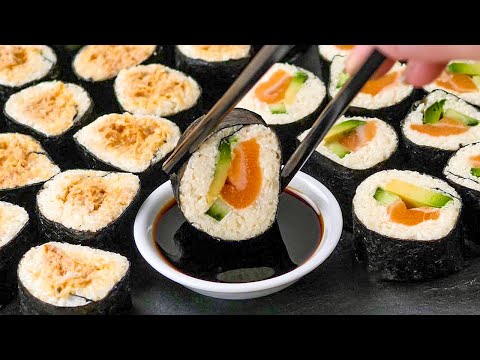
Keto Sushi Roll Recipe - Low Carb Japanese Lunch with Cauliflower Rice & Nori (Healthy & Delicious)
My Keto Kitchen
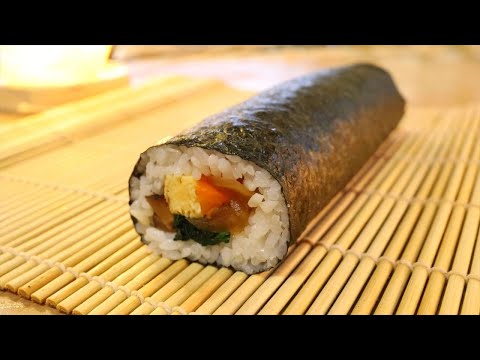
恵方巻の作り方・レシピ|Coris cooking
coris cooking

お手軽簡単!肉料理 ベスト12
テイストメイド ジャパン
![[低カロリー]摘み続ける!簡単おからカニカマかっぱ巻き!Low carb rolled sushi](https://img.youtube.com/vi/ork1PQiYvlQ/hqdefault.jpg)
[低カロリー]摘み続ける!簡単おからカニカマかっぱ巻き!Low carb rolled sushi
旨ブロ!絶品低糖質&ダイエットレシピ
![コストコ購入品 ] 新商品多め✨ケーキ/コーンボカタロール/レインボーカリフラワー /大人気ポテチのEVOO/KETO🍪etc. ゴールデンウィーク目前レビュー編[costco japan]4月⑧](https://img.youtube.com/vi/9Ls3blxFXIE/hqdefault.jpg)
コストコ購入品 ] 新商品多め✨ケーキ/コーンボカタロール/レインボーカリフラワー /大人気ポテチのEVOO/KETO🍪etc. ゴールデンウィーク目前レビュー編[costco japan]4月⑧
アスママのコストコメモCostcoMomMemo
![コストコ購入品 ] 新フルーツ&プロテイン🥤ルビーチョコロールケーキ/残り物も大活用シンプルなアレンジレシピ etc.[costco japan]4月⑤](https://img.youtube.com/vi/m_ql0MZ491o/hqdefault.jpg)
コストコ購入品 ] 新フルーツ&プロテイン🥤ルビーチョコロールケーキ/残り物も大活用シンプルなアレンジレシピ etc.[costco japan]4月⑤
アスママのコストコメモCostcoMomMemo
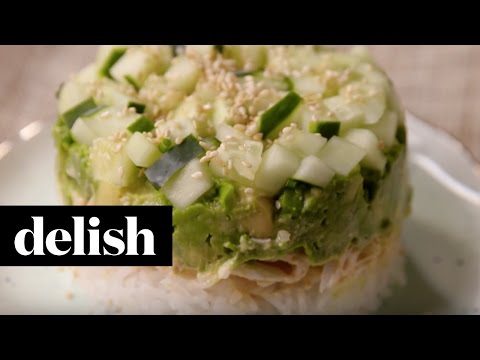
California Roll Stack | Delish
Delish
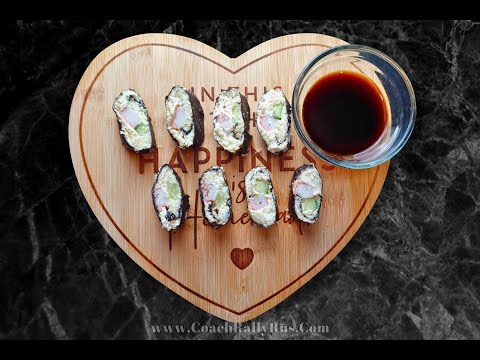
Easy Keto Sushi Rolls With Cauliflower Rice Recipe
Keto Recipes with Rally
Similar Japanese Videos
(24 videos)
Beginner-Friendly Japanese Recipes: Easy Dishes for New Cooks
[Haruma Recipe]Japanese Food Recipes in English

20 Minute Japanese Dinners that Will Change Your Life... or maybe 25
Aaron and Claire

✌ MINI FRAISIERS JAPONAIS ★ Recette abdeLKarim / Facile / Rapide ✌
abdeLKarim Pâtissier
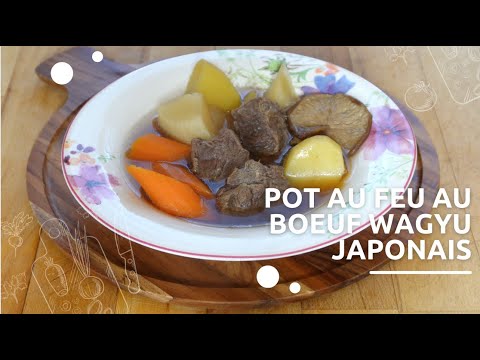
Pot au feu au boeuf wagyu japonais 🇯🇵
Chocmiel

Recette : Gratinée à l'oignon - Les carnets de Julie
Les Carnets de Julie - France Télévisions

RECETTE des PANCAKES JAPONAIS ULTRA FLUFFY !
Il était une fois la pâtisserie

양배추 오코노미야끼 만들기 레시피입니다. #양배추요리 #오코노미야끼 #오꼬노미야끼 #오꼬노미야끼재료 #요리레시피 #레시피 #양배추
뿌뿌키친BBubbu Kitchen
니혼제 돈까스(두꺼운 돈까스) 만들기 감동적인 맛
키망TV
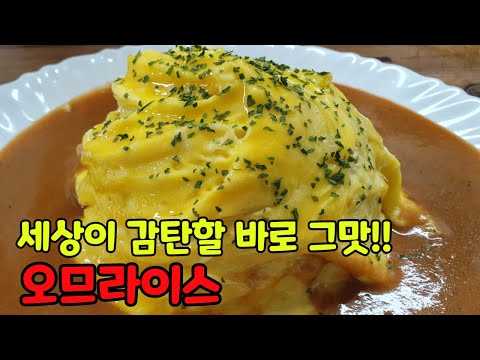
오므라이스 맛있게 만들기 l 맛집 사장님도 놀랄 오므라이스 특제소스 비법공개!! l Yomi Cook's 'Omu Rice' recipe
요미쿡 Yummy Cook

오므라이스는 이렇게 만드세요! 부드럽고 든든한 한끼가 되는 계란요리
옹알옹알쿡 Egg Recipes

강식당 오므라이스 만들기/안재현 오므라이스 소스 만드는법까지 자세히 소개합니다/kang's kitchen omurice/은야쟁이의오렌지블랙박스
은야쟁이

일본 오므라이스 찐 레시피 - 오므라이스
바깥키친
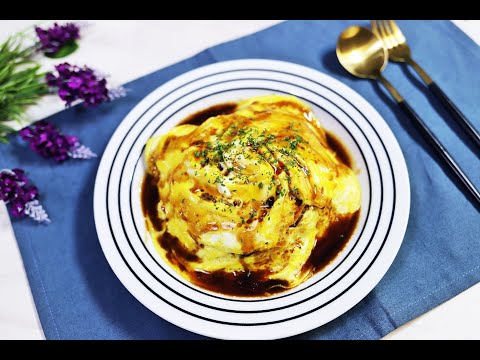
오므라이스 만들기 뚝딱 쉽게 만드는 한그릇 요리
하우매니 심플레시피

달걀 200개 쓰고 알아낸 일본 반숙오므라이스 장인의 비법!
쉽쿡
![[Sub] 정말 '크리미'해요. 집에서 간단하게 색다른 오므라이스!!](https://img.youtube.com/vi/AlK2Gl6kHZI/hqdefault.jpg)
[Sub] 정말 '크리미'해요. 집에서 간단하게 색다른 오므라이스!!
백종원 PAIK JONG WON
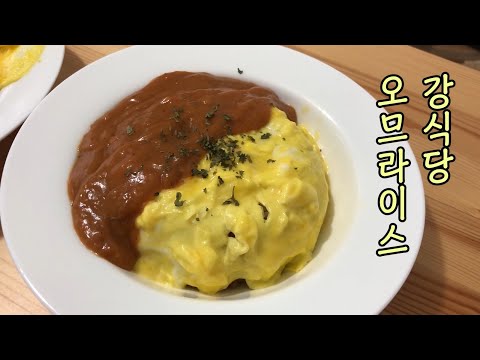
백종원 레시피 강식당 오므라이스 만드는 법 Omurice (Omelette Rice) from the South Korean reality show Kang's Kitchen
진깡 jinkkang

가족을 기쁘게 하는 일본식 오므라이스, 말지않아 쉬워요. オムライス
일식(食)예보

오므라이스 오무라이스 만들기 점심저녁메뉴 추천#오므라이스 #오므라이스소스 #오므라이스만들기 #오므라이스레시피 #점심저녁메뉴
쉬운 집밥요리 햇살머금은집

아침 딱 10분! 간단한 오므라이스 만들기. 회오리 오므라이스 첫 도전에 성공하는 볶음밥, 오므라이스, 계란요리
다다요리
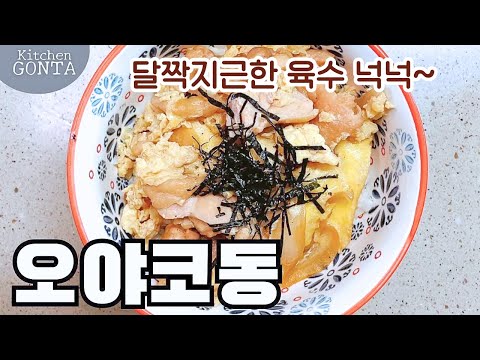
쯔유 듬뿍 오야코동 레시피/치킨 오야코동 만드는 법/닭갈비 계간 덮밥 만들기/오야꼬동/간단 일본 가정 덮밥 요리/親子丼/親子丼の作り方/親子丼 レシピ
kitchen-GONTA
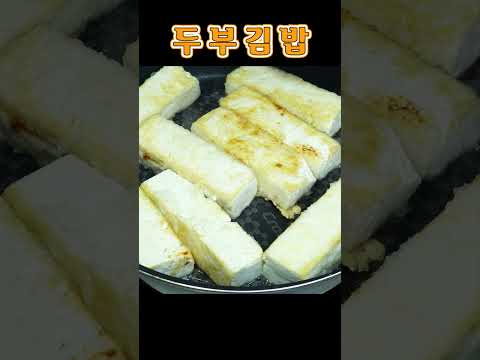
두부조림하다 김밥 먹네요. 부드럽고 부드러운 두부김밥
후다닥요리
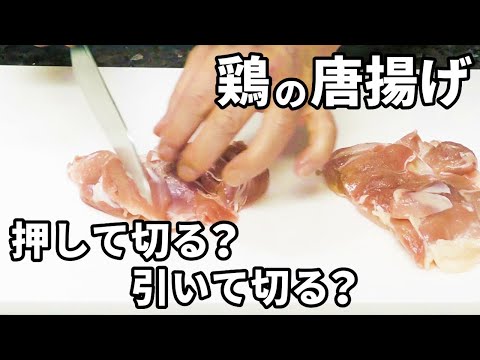
鶏の唐揚げの味までもが変わる、肉の切り分け方&ポイントを解説!
のんの大阪料理教室
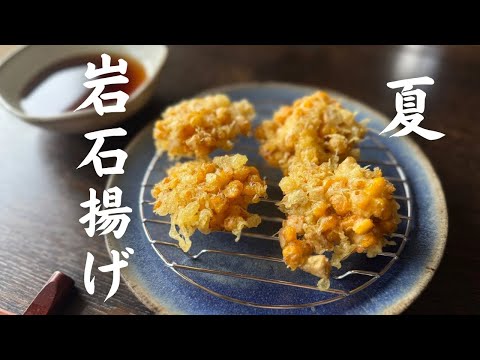
とうもろこしのかき揚げ!岩石揚げと呼ばれることもありますが、夏に食べたい揚げ物の代表格ですよね…天つゆの作り方(簡単バージョン)~サクッと軽い食感のかき揚げの揚げ方のコツもご紹介します♪
おうちごはんJourney・阿部 聡
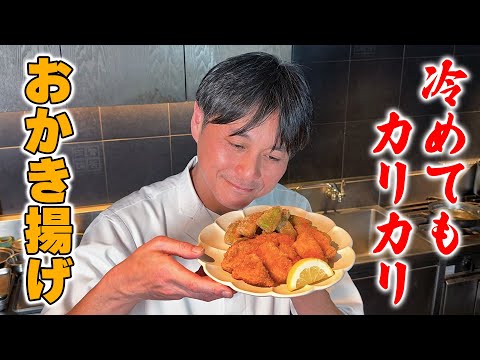
冷めてもカリカリ!「賛否両論」の定番【おかき揚げ】の作り方
【賛否両論】笠原将弘の料理のほそ道
Similar Dishes From Other Cuisines
(24 videos)
Pannequet de saumon mariné, brandade de morue, vinaigrette à l'huile d'olive par Serge Chenet
Huiles & Olives
![[SUPER RECETTE GRATIN DE COURGETTES AU SAUMON ET AUX RAVIOLES]](https://img.youtube.com/vi/ZpLZLbI3_PU/hqdefault.jpg)
[SUPER RECETTE GRATIN DE COURGETTES AU SAUMON ET AUX RAVIOLES]
La cuisine De Romi

Tarte tatin au saumon et brocolis
Mov.iDiet
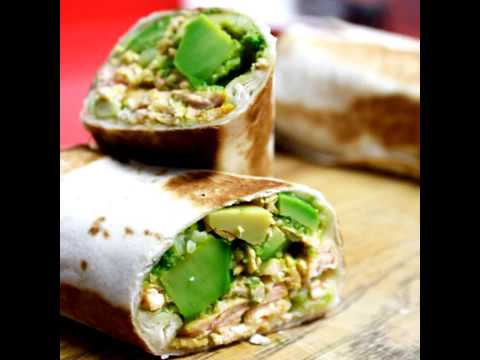
BURRITOS DE SALMÓN FÁCILES! con aguacate y cajún 🌯/ EASY SALMON BURRITOS!! with avocado and cajun 🌯
elcofitnero

Causa y Tártaro de Salmón Fácil y Rico | Denise Saka
Denise Saka

태국으로 가는 휴가대신, 쌉으로 가는 태국 음식여행. 새콤달콤한 소스가 버무려진 태국식 연어샐러드 레시피🇹🇭🇹🇭
마푸테Myfoodtable
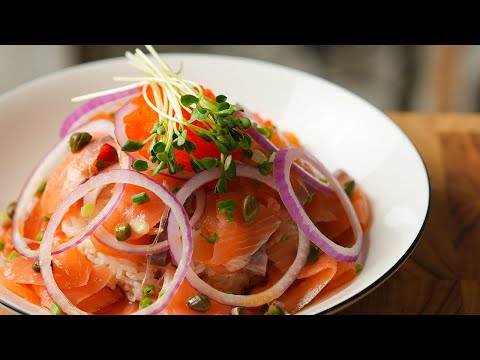
연어 덮밥~톡톡 터지는 날치알로 더욱더 식감 있게 만들기! 소스레시피 만드는법 홈파티 크리스마스 연말 요리
제이슨쿡
![연어덕후들모여라~ ♥ 연어김밥 만들기! [만개의레시피]](https://img.youtube.com/vi/zx0wDvNtTQw/hqdefault.jpg)
연어덕후들모여라~ ♥ 연어김밥 만들기! [만개의레시피]
만개의레시피 10K Recipe
![SUSHI PIZZA made in Canada [Careful When You Make This]](https://img.youtube.com/vi/12nznTa2TP4/hqdefault.jpg)
SUSHI PIZZA made in Canada [Careful When You Make This]
EriChannel

HOW TO MAKE SALMON POKE WITH MACADAMIA NUTS AND FRIED SHALLOTS | RECIPE
Chef Earl TV
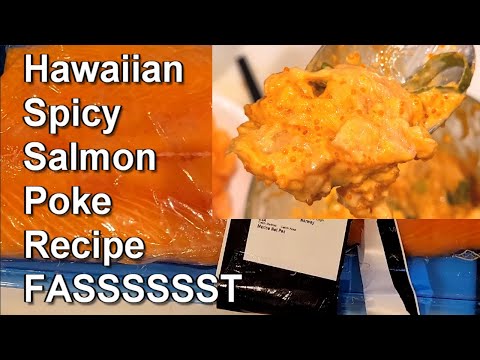
Hawaiian Spicy Salmon Poke Recipe only 3 ingredients!
BURPEEyoga uncle

BBQ Salmon Souvlaki Recipe
Brtish Columbia

Crispy BBQ Salmon Recipe with Char-Grilled Pak Choy
Woolworths
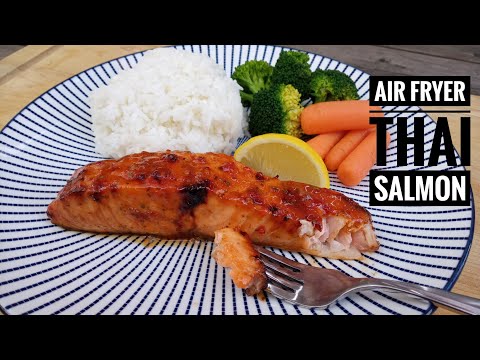
AIR FRYER THAI SALMON | 15 minute easy healthy recipe | - True Thai Kitchen
True Thai Kitchen

SALMÓN AL AJILLO EN SARTÉN CON PURÉ DE PAPAS GRATINADO SIN HORNO / Cocina Con Nelu
Cocina con Nelu

SPECIAL Tuscan Salmon Air Fried to PERFECTION | Low Carb TREAT
YAJ Kitchen

British Bistro Smoked Salmon Avocado Toast Recipe
Original Recipes by Tasting Table

Knackiges Thai-Gemüse-Curry mit Lachs & Garnelen – gesund und leicht #thaicurry#curry#zuckerfrei
Karlotta‘s - Frische Zauberküche

Greek Salmon & Brussel Sprouts
New Leaf Table
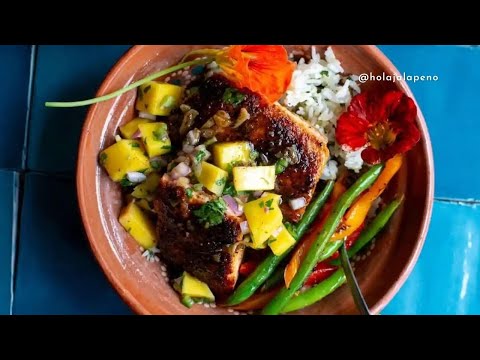
Crispy Mexican Lemon-Chili Salmon Rice Bowls with Cilantro-Lime Rice, Veggies and Mango Salsa
¡Hola! Jalapeño

MAKING ITALIAN SUSHI
HAILEE WILKES
Miso Grilled Salmon Recipe - Japanese Cooking 101
JapaneseCooking101

Oeuf Cocotte Recipe / Baked Eggs – Bruno Albouze
Bruno Albouze
How to make " Grilled Salmon Skewers " with Cooking Guru Chef Ian Kittichai
TOPS THAILAND