Love Goat Cheese? Try Making this Crottin-Inspired Cheese at Home!

Recipe Information
Crottin-Inspired Cheese
Cultural Context
Crottin-inspired cheese hails from the Loire Valley in France, where it reflects the region's rich tradition of goat cheese production. These cheeses are often enjoyed as part of a cheese platter or paired with wine, embodying the French art of savoring simple, high-quality ingredients. In modern cuisine, variations of this cheese are popular worldwide, often featuring local herbs and spices to enhance flavor.
goat's milk
🥗Healthier: sheep's milk
💰Cheaper: cow's milk
Cow's milk is more accessible and less expensive.
rennet
🥗Healthier: vegetable rennet
💰Cheaper: lemon juice
Lemon juice can be used as a natural coagulant.
herbs
🥗Healthier: fresh herbs
💰Cheaper: dried herbs
Dried herbs are often cheaper and have a longer shelf life.
olive oil
🥗Healthier: avocado oil
💰Cheaper: canola oil
Canola oil is widely available and less expensive.
Welcome to the cheese-making demonstration.
Introduce the cheese being made, similar to Crottin de Chavignol.
Mention the use of pasteurized goat's milk instead of raw milk.
Gather tools: large pot, casserole dish, roasting rack, cheese molds, colander, fabric (butter muslin or pillowcase), ladle, spoon, small measuring spoons, thermometer, blanket, ripening box, and optional pH strips.
Add 1 gallon (4 liters) of goat's milk to a heavy-bottomed pot.
Heat the milk on low to 75-80°F (24-25°C), stirring occasionally for about 10-15 minutes.
Measure 1/8 teaspoon of flora danica culture, 1/16 teaspoon of penicillium candidum, and 1/64 teaspoon of geotrichum candidum using small measuring spoons.
Once the milk reaches the target temperature, sprinkle the cultures on the surface and let sit for 3-5 minutes before stirring them in for 1 minute.
Dilute 1/4 teaspoon of liquid calcium chloride in 1/4 cup of non-chlorinated water and stir.
Add the calcium chloride solution to the milk and stir well.
Wait 25-30 minutes before adding rennet.
Prepare 1/8 teaspoon of double strength rennet in 1/4 cup of non-chlorinated water, stir, and add to the milk, stirring thoroughly for 1 minute.
Cover the pot and wrap it in a blanket to keep the heat in, incubating for 24 hours.
After 24 hours, check for a curd mass with clear whey on top, and use a ladle to remove the whey.
Optionally check the pH of the whey, aiming for a pH between 4.4 and 4.6, adjusting incubation time if necessary.
Pre-drain the curds using a sterilized pillowcase for cheese making.
Cooking Techniques
Equipment Needed
Spice Level:
🌶️🌶️🌶️Allergens
Also Known As
Other Takes on Goat
(24 videos)
La véritable recette de la tapenade
El Houssaine Moughalme

LA TAPENADE de CLAIRE #Tour de France 🇫🇷 Gourmand
POPOTE et POTAGER
Recette facile de Tapenade وصفة سهلة و سريعة لتحضير الطابند زيتون
Azzedine “nk azzedine” Nkairi

Spanish Empanadas with Roasted Peppers & Goat Cheese
Spain on a Fork
Spanish Roasted Pepper and Goat Cheese Salad
Spain on a Fork

GOAT MEAT JOLLOF RECIPE ,perfect and easy! #ghanajollof#smoky#goatmeatjollof#whatscookingbaking.
what’s cooking baking
How to Make the Best Jamaican Curried Goat- Jeronimos Kitchen
JERONIMOS KITCHEN

Focaccia Pizza with Figs and Goat Cheese | Cooking Italian with Joe
Cooking Italian with Joe

How to make: Jason Atherton's goat's cheese churros
WhatsOnDubai
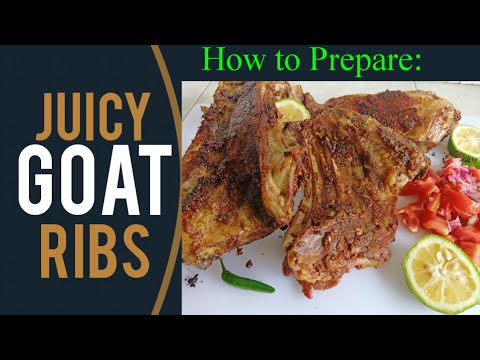
Easy GRILLED GOAT RIBS/Mbuzi Choma Recipe/Kachumbari
Dolphine 254

Olenka Cooks Recipe | Bacon Wrapped Dates with Goat Cheese
Olenka Cooks
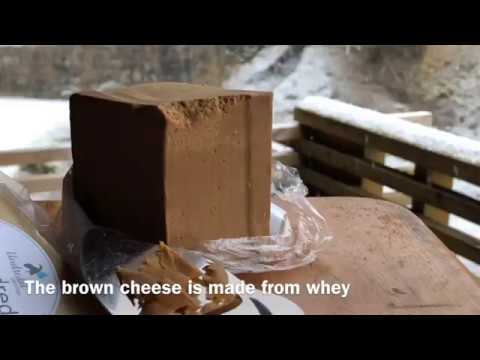
Brown Goat Cheese - Traditional Production in Norway
Katrine Klinken
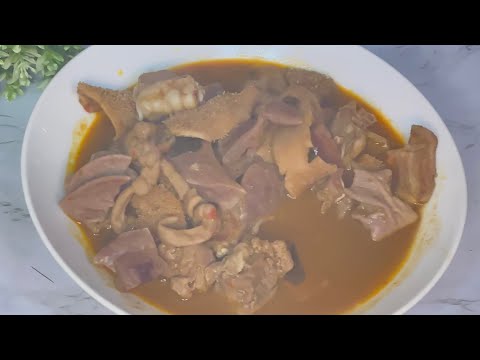
Goat Intestine Pepper Soup
Cook with Becky
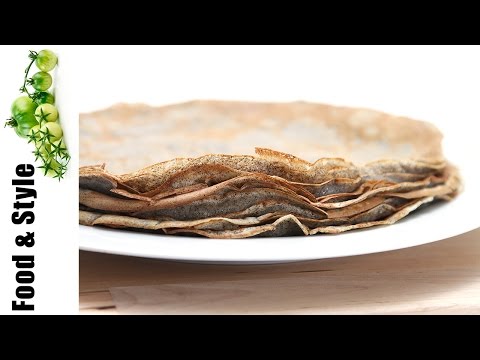
Buckwheat Crêpes (Galettes Bretonnes)
Food & Style

French Bistro Goat Cheese Salad with Mustard Vinaigrette - Goat Cheese Pan-Fried, Baked or Broiled
Jenna Edwards
RECIPE OF THE WEEK: Crustless spinach and goat cheese quiche
WFSB 3

A Great French-Style Appetizer in Less than 30 minutes? The Goat Cheese & Spinach Quiche!!
The Frenchtastic Food Channel

Cook with Katie: Spinach, Tomato and Goat Cheese Quiche
FLOBODY
Recipe: How To Make Curry Goat, Surinamese Style| CWF
Cooking With Feffie
The Ultimate Curry Goat Recipe
caribbeanpot

How To Cook Goat Curry || Country Food || Indian Goat Curry Recipe
Aadab Hyderabad

HOW TO MAKE CARIBBEAN CURRY GOAT
Kelly Thompson

Goat Meat Chow mein|Exotic Dinner Recipe| Guyanese Style! Guyanese Cooking :)
Nellinivlog

SECO DE CHIVO Fácil de Preparar (Estílo Ecuatoriano) Paso a Paso
Any Delicias
Similar French Videos
(21 videos)
Mayonnaise Recipe | How to make Mayonnaise
Recipes by Carina
Recipe: Summer Berry Terrine (CLOVER)
ExpressoRecipes
recette de Clafoutis aux cerises ultra moelleux fondant et délicieux / gâteau 🎂 facile
Zahra Inspire La Cuisine
GÂTEAU AU YAOURT de Cyril Lignac
Quand Margot pâtisse
Gâteau au yaourt en 1 minute . Bon et moelleux. Recette facile et rapide
Les délices de Maha
Gâteau au yaourt - 10 leçons pour le réussir
Julie Andrieu - Chaîne officielle

gâteau au yaourt avec quelques astuces qui feront la différence
Oum Arwa
Le Gâteau au Yaourt Irrésistible : Un Régal pour les Papilles des Enfants !
1001 Recette
GATEAU AU YAOURT TRES MOELLEUX
Sabrina sabi
Gâteau Au Yaourt Très Moelleux Facile et Rapide🍰
gateau et cuisine Rachida
Recette du gâteau au yaourt moelleux et très facile ! 🍰
Clément Food
Recette du Gâteau au Yaourt
JustInCooking
Le Gâteau yaourt qui a battu tous les records.
Les délices de Maha
Le gâteau Yaourt inratable !
Les Pépites de Cloé

BEIGNETS FRITS Recette facile - Fait maison
kado cuisine
gâteau aux pommes super moelleux 🍎
Nadja Cook
![[Recette] - Pain perdu (French toast) - Banane Chocolat - Sans balance](https://img.youtube.com/vi/NwOJPNwr9tg/hqdefault.jpg)
[Recette] - Pain perdu (French toast) - Banane Chocolat - Sans balance
La cuisine de Clément
Ne jetez plus le pain sec – Pain perdu – French toast
Ema Cook and Bake
Recette de Pain Perdu / French toast - English subtitles - 750g
750g
Pain perdu salé la recette succulente
Exquise
navarin d'agneau dit aussi (ragoût de mouton) recette ancienne
La cuisine du terroir des amis du 43
Similar Recipes From Other Cuisines
(15 videos)
Explore the Sweet Side of Cheese with Norway's Brunost 🧀🇳🇴
CheeseHeavenTV
How to make Mysost (Norwegian Whey Cheese)
Gavin Webber

BRUNOST: WHEY MADE INTO CHEESE NORWEGIAN STYLE.
THE HOMELY COOK CHANNEL
Испанский Сыр Иборес в домашних условиях
Даниил Перваченко

Norwegian Foods MegaMix - How to pronounce these foods
norwegian pronunciation guide

Join Me For A Dairy Processing Day (Homemade Gouda, Sour Cream, Cream Cheese and Clabber Culture)
Cheese From Scratch
Netherlands/Holland/Chees Making/Jongenhoeve/Bergambacht Part 13
Nurettin Yilmaz
Traditional Tastes of Van, Türkiye | The Ultimate Van Food Tour & Breakfast Experience
Craig Burns (Burnie)
Make DELICIOUS Beet Green Pesto in 15 Minutes
Gari's Galley
Ensalada primavera con Queso Ibores
topeganso
Cordero frito con queso de cabra y aceite de oliva
La cocina de Gibello

Falsa lasaña con Queso Ibores
topeganso
Beet Green Pesto with Goat Cheese Appetizer | Zero Hunger Zero Waste | Kroger
Kroger

Flavors of Israel- How to cook for Shavuot with Debbie Matzkin
ILTV Israel News
Goat Meat recipe - How to season, steam and create Goat Meat stock
Ndudu by Fafa