Easy Tempeh at Home (Black Bean Tempeh + Universal Method)

Recipe Information
Tempeh
Cultural Context
Tempeh has its roots in Indonesia, where it has been a staple protein source for centuries, particularly in Javanese cuisine. Traditionally made from fermented soybeans, tempeh is celebrated for its rich, nutty flavor and firm texture. It embodies the Indonesian philosophy of utilizing local ingredients through fermentation, enhancing both nutrition and preservation. Today, tempeh has gained global popularity as a versatile meat substitute, embraced in various cuisines for its health benefits and culinary adaptability.
tempeh
🥗Healthier: tofu
💰Cheaper: seitan
Tofu is lower in calories, while seitan is often cheaper and has a meat-like texture.
Welcome to the video on making tempeh.
Introduce the concept of tempeh as a vegan protein source made by growing molds with soybeans.
Discuss the importance of using clean and sanitized equipment to avoid harmful molds.
Mention that tempeh can be made with various beans, grains, and seeds, not just soybeans.
Show soybeans and explain the need to remove the thick outer hull before making tempeh.
Explain that chickpeas can be prepared by boiling with baking soda to remove hulls.
Discuss the suitability of red beans and limama beans for tempeh, emphasizing the need for uniform size.
Explain that small seeds like flax and chia may not work well for tempeh due to packing issues.
Mention that rice can be a good partial ingredient but has similar packing issues as small seeds.
Discuss the use of whole brown lentils for tempeh and caution against using split red lentils or canned beans.
Explain that soaking beans before cooking is best practice, but the creator does not always do it.
Emphasize the importance of cooking beans until tender but not mushy, checking frequently.
Introduce the three essential ingredients for tempeh: beans, vinegar, and tempe culture.
State that for one batch of tempeh, use 1 pound of dried beans, which equals about 6 cups of cooked beans.
Add 1 tablespoon of distilled white vinegar and 1 teaspoon of tempe culture starter to the cooked beans and mix well.
Explain that traditional tempeh is fermented in banana leaves, but the creator will use a Ziploc bag instead.
Describe how to prepare the Ziploc bag for fermentation by puncturing holes for airflow.
Place the mixture into the prepared Ziploc bag and seal it, ensuring the air holes are effective.
Cooking Techniques
Equipment Needed
Spice Level:
🌶️🌶️🌶️Dietary
Allergens
Also Known As
More Tempeh Videos
(8 videos)
How to make TEMPEH at home
cuoredicioccolato
Cara Membuat Tempe Sendiri Dirumah, How to Make Your Own Tempe at Home
도시의 밤

I made TEMPEH! Full step-by-step homemade tempeh recipe
Steamy Vegan
The best air fryer TEMPEH recipe | Healthy High Protein | ASMR Cooking
Favourite Eats
How to Make Tempeh at Home from SCRATCH! | Vegan Protein
The Kampung Vegan
How to make tempeh at home from SCRATCH!
Immy Lucas

Air Fryer Tempeh
My Quiet Kitchen
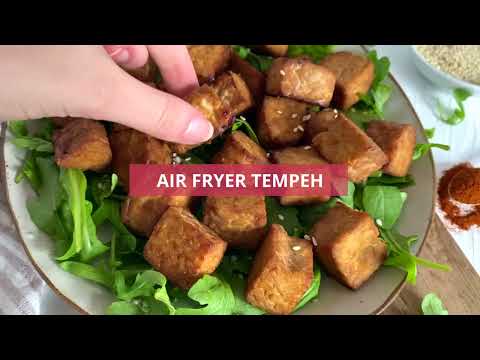
Air Fryer Tempeh
Anjali Shah
Similar Indonesian Videos
(24 videos)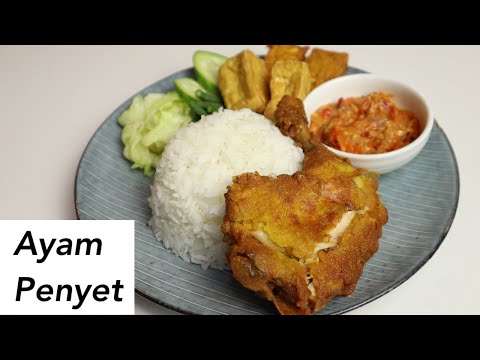
How to Cook Ayam Penyet | Jat Cooks
Jat Cooks
ayam penyet recipe | Indonesia street food | famous food
Famous street foodie

Ayam penyet Recipe Secret Reveal | Indonesia Fried Chicken | Light & Crispy Skin | Mrs Kuah Kitchen
Mrs Kuah Kitchen
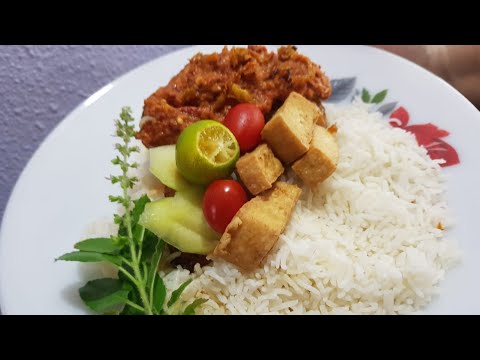
AYAM PENYET RECIPE
Ammamma Samayal

Oven-Baked Ayam Penyet Recipe - A Fast And Healthier Alternative To Fried Chicken
Eatbook

Easy Delicious Ayam Penyet Recipe | Indonesian Fried Chicken | 印尼炸鸡
Celine G Kitchen

How to make Ayam Penyet
Inday Prezel Dumasig
![[DESCRIBING PROCESS - HOW TO MAKE KERAK TELOR]- Ersa La Viola Sanjaya - D3 Travel and Business - UNS](https://img.youtube.com/vi/5yNMhURlZ6U/hqdefault.jpg)
[DESCRIBING PROCESS - HOW TO MAKE KERAK TELOR]- Ersa La Viola Sanjaya - D3 Travel and Business - UNS
Ersa La Viola

Kerak Telor Jakarta Khas Betawi - Adi Purwan (Vlog Kuliner)
Adi Purwan

Kerak Telor
usahakita Tv

21 Tahun Berjualan , Kuliner LEGENDARIS Jakarta di Tangerang Selatan | Indonesian Street Food
Nyandu Kitchen

Indonesia Street Food Peddler - Amazing Crispy Egg Pancake - Kerak Telor
Colour MyBox
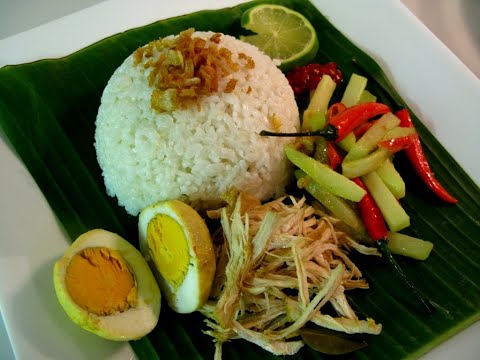
Recipe NASI LIWET (one of Indonesian rice dishes)
Bubba Cookle

Satay Ayam Resipi Malaysia||Resipi sedap Dan simple||satay ayam
Reva Shadira

Rahasia Sate Kambing yang empuk banget dijamin 100% anti gagal
Indoculinaire Hunter
Cara Membuat Sate Kambing Empuk dan Matang Sempurna
Sajian Sedap
Resep Sate Kambing Empuk,Lengkap Bumbu Kacang #lezatmantap
LEZAT MANTAP

How to Make Urap, Indonesian Steam Veg With Shredded Coconut Dressing
Niken's Kitchen

Nasi Goreng High Protein Meal Prep | Better Than Takeout
Chef Jack Ovens

Rendang maken in de slowcooker | Het volledige recept
Productarchives

Indomie Mi Goreng Barbeque Chicken Flavour - Indonesia - Instant Noodle Recipe Time - EP 792
The Ramen Rater

Indomie Mi Goreng Barbecue Chicken - Indonesia - Instant Noodle Recipe Time - EP 1077
The Ramen Rater
Nasi Goreng by Lee Kum Kee
Lee Kum Kee Europe

Spicy Mexican Beef Stir Fry with Bacon and Jalapeno
The Stay At Home Chef
Similar Dishes From Other Cuisines
(24 videos)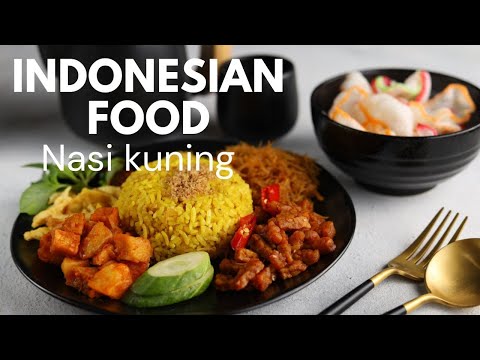
Indonesian Food: Iconic Dish The Rich Tradition of Nasi Kuning-Food Video
Imagenish Videos

Thai Tempeh Wrap with Peanut Sauce | Savory & Vegan | 10 Min Prep
Siddha Soul
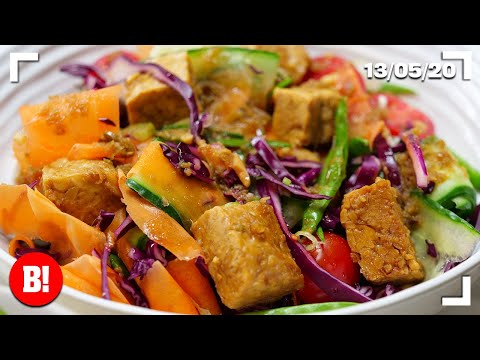
Protein Packed Thai Tempeh Salad - BOSH! LIVE
BOSH!

Teriyaki Tempeh
Angie's Tempeh
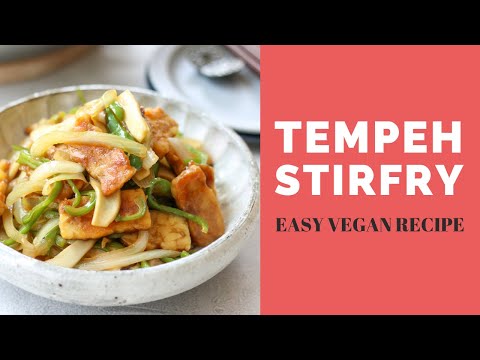
Tempeh Stir Fry in Japanese Teriyaki Sauce | テンペと野菜の甘辛炒め
Chef JA Cooks
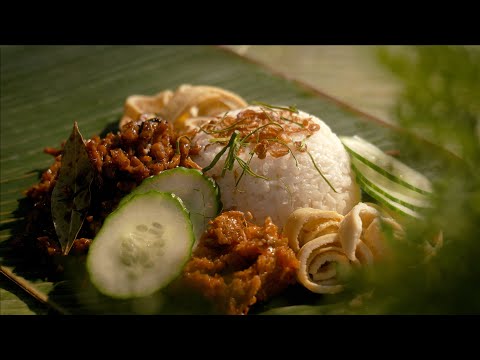
Nasi Uduk + Tempe Orek
appetite life

How to Make Nasi Uduk, Indonesian Comfort Food Simplified.
Munik Seasonings
Yellow Rice I #Shorts I Nasi Kuning (Indonesian Famous ) I #ytshorts
roshniscuisine

Spicy Grilled Tempeh | Special Diet Recipes | Whole Foods Market
WholeFoodsMarket
Crispy Tempeh With Chilli Oil - Easy Vegan Recipe Ideas
Green And Great - Delicious Vegan Plant-Based Food

Vegan Tempeh Recipes | Sambal Tempeh & Tempeh Kicap
Charlotte Yap: Vegan Cooking
Flavor-Packed Tempeh Buddha Bowl | Whole Food Plant-Based Recipe #WFPB #VeganRecipes #VeganCooking
chefra

High Protein Tempeh Curry Stir Fry in 30 min - MealPrep Friendly
SmartLivingbyTech
Teriyaki Tempeh-- Another healthy way to get protein without meat
Gourmet Vegetarian Kitchen
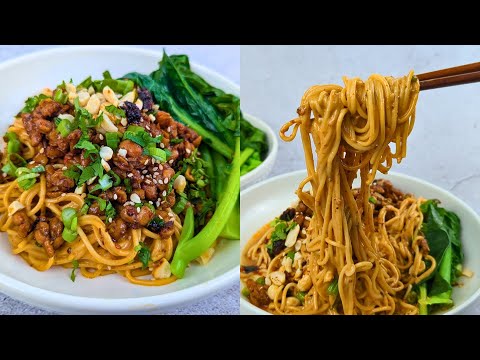
Tempeh Dan Dan Noodles Recipe | Vegan Vegetarian Plant-Base Cuisine | Better Than Takeout
Berry Berry Life

How to Make Tempeh Tacos with Fresh Tomatillo Salsa!
Better Done Yourself
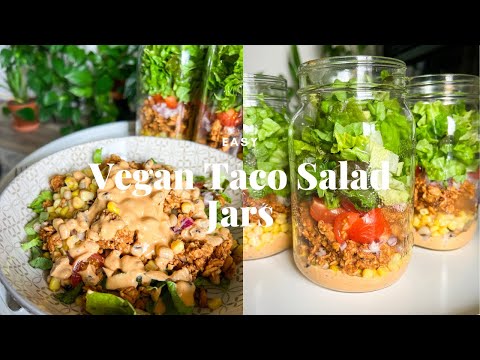
DELICIOUS Taco Salad Jars - Vegan Meal Prep 🌮
essy cooks
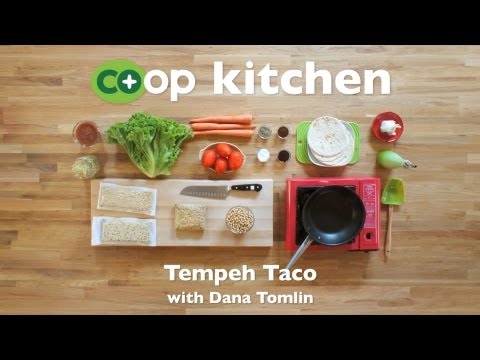
Tempeh Taco: Co+op Kitchen
Co+op Grocery

Tempeh Taco and Tamale Filling
Vegan Cooking with Chef Viva Vegana
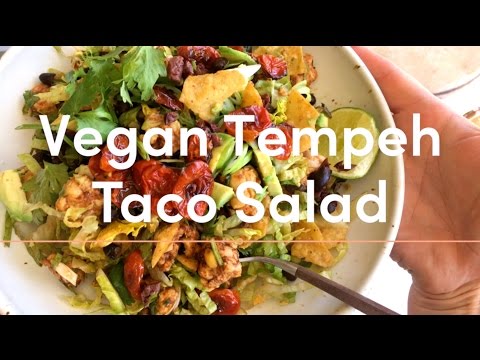
VEGAN Tempeh Taco Salad
Heidi Swanson
Tempeh Taco Salad Recipe
FreshJax

Caesar salad vegan con cubetti di tempeh e crostini di pane
Vegolosi.it

Szechuan Tempeh Broccoli Stir Fry | DR Greger's 'How Not to Diet' Inspired Cookbook WFPB Recipe
Happy Hungry Hibby
Tinga Tempeh Tacos 🌮 (Easy, Healthy Vegan Recipe!)
BOSH!