Portuguese Custard Tarts (Pastéis de Nata)

Recipe Information
Portuguese Custard Tarts
Cultural Context
Originating from the Belem district of Lisbon, Portuguese Custard Tarts, or Pastéis de Nata, were created by monks in the 18th century. These delightful pastries are a symbol of Portuguese culture, enjoyed by locals and tourists alike. Today, they are celebrated globally, with variations emerging in different countries, yet the classic recipe remains a beloved treat.
Bring 2 sticks of European style butter to room temperature, ensuring it's soft but not melted.
Divide the butter into three portions: two portions of 70 g and one portion of 86 g.
In a bowl of a stand mixer, add 290 g of unbleached all-purpose flour and 2.1 g of salt.
Mix the dry ingredients by hand for about 20 seconds.
Add 180 g of cold water and mix by hand with the dough hook for a few seconds to start combining.
Attach the dough hook and mix on medium low speed until all flour is absorbed, scraping down the sides as needed.
Continue mixing on medium low until the dough is homogeneous but not smooth, checking for a barely sticky consistency.
If the dough is sticking to the mixer, add about a tablespoon of flour and mix until absorbed.
Turn up the speed to medium for 30 seconds to develop gluten without over-kneading.
Turn the dough out onto a floured work surface and give it a few kneading folds until it feels between pasta and bread dough.
Flatten the dough with floured hands and shape it into a square, rolling it out slightly and stretching the edges to make them straight.
Cover the dough with plastic wrap or a bowl and let it rest for 15 minutes to relax the gluten.
Sprinkle the work surface and the top of the dough generously with flour before rolling it out to an 18x18 inch square, rotating the dough periodically.
Check for sticking and add more flour if necessary, folding the dough in half to add flour if needed.
Spread one of the 70 g portions of butter evenly over 2/3 of the dough, leaving a 1 inch border around the edges.
Fold the unbuttered third of the dough over the buttered portion, ensuring to pat around the edges to avoid trapping air bubbles.
Trim the uneven edges of the dough and prepare to repeat the lamination process.
Roll the dough out again to an 18 inch square, checking for sticking and adding flour as necessary, without rotating the dough this time.
Equipment Needed
Dietary
Allergens
More Portuguese Custard Tarts Videos
(11 videos)
Jamie's Quick Portuguese Custard Tarts
Jamie Oliver

Portuguese Custard Tarts...
Margaret's Make and Bake

Buttery & Delicate Portuguese Custard Tarts (Pastéis de Nata)
Bigger Bolder Baking with Gemma Stafford
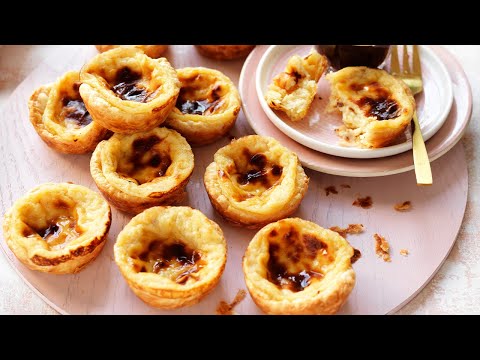
Portuguese Custard Tarts Recipe from scratch
myfoodbook

PORTUGUESE CUSTARD TARTS (PASTEIS DE NATA) with Nutella, Cookie Butter, and Ube Jam Filling.
RoseAustinCooks

Portuguese Custard Tarts
Geoff Cooper

Easy recipe: How to make Portuguese custard tarts
Kidspot
Perfect Portuguese tarts
Cityline

Portuguese Custard Tarts (Pasteis de Nata) - Food Wishes
Food Wishes

Custard filled pies|Portuguese Custard Tarts Recipe|Homemade Custard @akshatasrecipes #custard
Akshata's Recipes

This Place is a FOODIE'S PARADISE | Macao/Macau Travel Vlog & Food Guide | Ad
Shu
Similar PT Videos
(24 videos)
How To Make Fried Milk || Korean Street Food
jaycee's kitchen
SPICEWALLA PORTUGUESE CHICKEN AND VEGETABLES AIR FRYER
Air Fryer Recipes with Booger500us
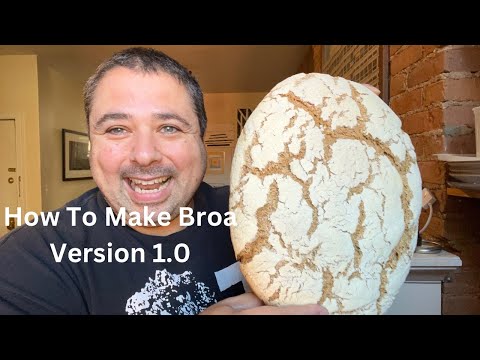
How To Make Broa. Portugals Most Famous Bread. Version 1.0
Chef David Santos
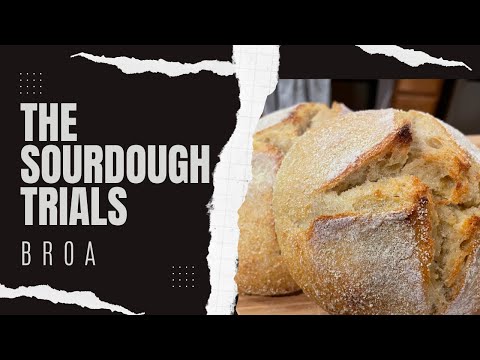
The Sourdough Trials : Broa (Portuguese Corn Bread); Converting a Yeast Recipe to a Sourdough Recipe
Birch Tree Kitchen
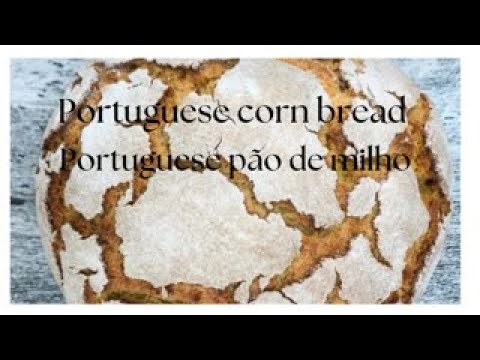
Portuguese corn bread
A Taste of the Azores with Angela Castro
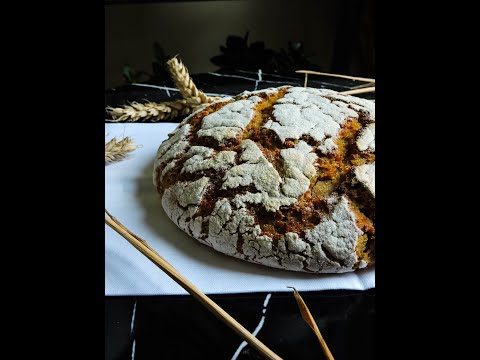
Broa de Milho Amarelo- Portuguese Crusty cornmeal bread
GivemeKitchen
Receita de Broa / Classic Portuguese Broa Recipe
1001 Calories
Fig & Honey Yogurt Cake | Greek Dessert Recipe
Ken's Greek Table
How You Can Make The Best Steak Ever (Sous Vide Picanha)
Yum Food Project

CHEATS PORTUGUESE EGG TARTS RECIPE | MsDessertJunkie
MsDessertJunkie

CUSTARD TART Recipe | PASTEIS DE NATA | My Harry Potter Kitchen | Chamber of Secrets (Ep. 25)
Bradley Bakes
How To Make Onions Stew | How To Make Nigeria Food
Christabel Felix tv
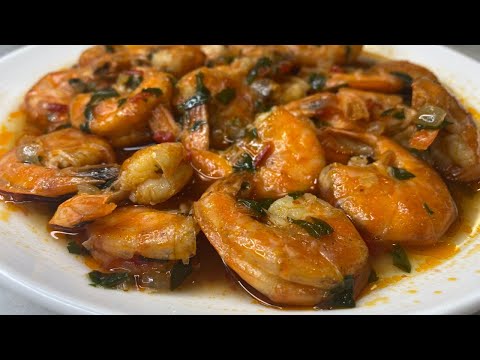
Portuguese Style Shrimp - Receita de Camarão
DIYwithnancyg
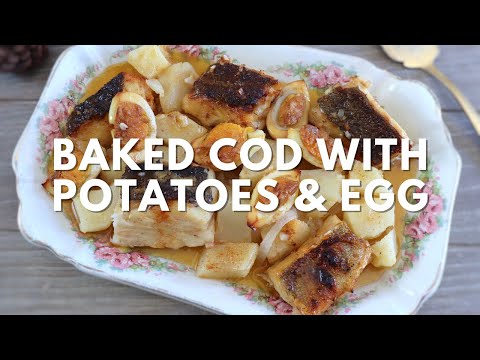
How to make Baked cod with potatoes and egg | Food From Portugal
Food From Portugal
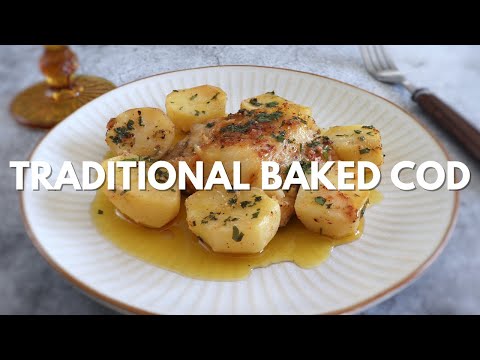
Traditional baked cod Recipe | Food From Portugal
Food From Portugal

ASMR Portuguese Egg Tarts From Scratch | Crispy Puff Pastry & Creamy Custard Recipe
Lilac Diaries
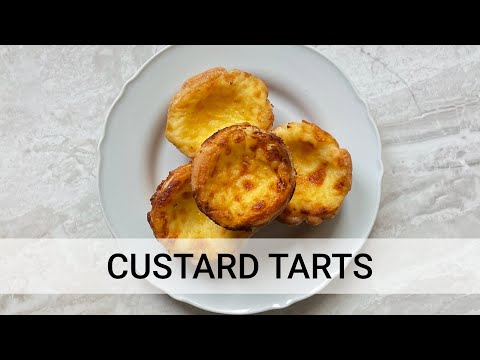
Portuguese Delight: Easy Portuguese Custard Tarts recipe
KataCooks

COMO FAZER CANJA DE GALINHA
Pao Rangel

COMO FAZER CANJA! | Super Nutritiva e Perfeita no Frio!
Tá Querida
CANJA DE GALINHA A MODA CABO VERDIANA
benvindo fortes

Canja De Galinha Super Facil e Rapida / Ricardo Madeirense
RICARDO MADEIRENSE / MADEIRA A MESA E MUNDO

What’s Cooking with Faith Family and Autism: Portuguese Chicken and Rice Soup "Canja de Galinha".
Jennifer Palumbo
Vitela Estufada à Moda de Lafões | À La Barrios
24Kitchen Portugal

the MOST FLAVORFUL FISH SOUP EVER (Portuguese Style)
Paulo's Food
Similar Desserts From Other Cuisines
(24 videos)
6 Crazy Easy NO-BAKE Desserts with Just 3 Ingredients (So Fun & Delicious!) | Summer Recipes
Patterson Family Home
Recipe: Summer Berry Terrine (CLOVER)
ExpressoRecipes
Apple Fritter Doughnuts
Laura in the Kitchen
Peanut Butter Cookies
Omar Tellow

Pineapple Upside Down Cake | New Year Party Recipe | By Ashley Derick MacDonald | For Cuisine Canvas
Cuisine Canvas

German Desserts - 9 Delicious German Desserts That You Need To Try!
German Recipes by All Tastes German

Boston Cream Pie
Preppy Kitchen

Tiramisu
Preppy Kitchen
Professional Baker Teaches You How To Make CHOCOLATE CHIP COOKIES!
Oh Yum with Anna Olson
10 Recipes To Sweeten The Holiday Season
Scrumdiddlyumptious
Peach Cobbler
Preppy Kitchen

5 Classic American Desserts You Must Try at Home! 🇺🇸🍰 #delicious_delights #dessert
Delicious Delights
RECETTE RIZ AU LAIT
Saad Fedda
#1àZ : MON RIZ AU LAIT
Xavier Pincemin
~RIZ AU LAIT vanille ~ dessert allégé en sucre inratable |Recettes & diététique
Recettes & Diététique
Recette Riz au lait Gastronomique
Allez on cuisine
Riz au lait au Cookeo
Lili Cuisine
Riz au lait - saveur d’enfance - au lait végétal -
Mimagusta
Recette culte : Riz au lait de l'Ami Jean - 750g
750g
{Recette Omnicuiseur} Riz au lait
Le Pays des Gourmandises
Gâteau au yaourt - 10 leçons pour le réussir
Julie Andrieu - Chaîne officielle
Gâteau au yaourt en 1 minute . Bon et moelleux. Recette facile et rapide
Les délices de Maha

BEIGNETS FRITS Recette facile - Fait maison
kado cuisine
Mousse à la pêche par Pierre-Dominique Cécillon pour Larousse Cuisine
LarousseCuisine