OSECHI RYORI | Traditional Japanese New Year Food (EP254)

Recipe Information
Traditional Japanese New Years Food
Cultural Context
Originating from Japan, Osechi Ryori is a traditional meal prepared for New Year's celebrations, symbolizing prosperity, happiness, and longevity. Each dish has a specific meaning and is often beautifully arranged in a multi-tiered box called 'jubako'. This culinary tradition is deeply rooted in Japanese culture, where families come together to celebrate the New Year and reflect on the past year. Today, Osechi is enjoyed not just in Japan but has also found appreciation in various parts of the world, often adapted to local tastes.
Quantities are estimated based on standard recipes for your convenience. The actual ingredients used in this video are accurate.
black soybeans
🥗Healthier: edamame
💰Cheaper: canned black beans
Edamame offers similar texture and flavor, while canned beans are more accessible.
simmered fish
🥗Healthier: grilled fish
💰Cheaper: canned fish
Grilled fish is lighter and easier to prepare, while canned fish is budget-friendly.
sweetened chestnuts
🥗Healthier: unsweetened chestnuts
💰Cheaper: fresh chestnuts
Using fresh chestnuts reduces sugar content and cost.
sake
🥗Healthier: non-alcoholic sake
💰Cheaper: rice vinegar
Non-alcoholic sake maintains flavor without alcohol, while rice vinegar is economical.
Dissolve kuzu starch in dashi.
Heat a tamagoyaki pan on medium heat and grease it well.
Pour in the egg mixture and cook for a couple of minutes until the outside is just cooked.
Transfer the omelet to a baking tray and cook in the oven for 10 minutes at 180 degrees Celsius.
Remove from the oven when the surface is golden brown and the center bounces back when touched.
Place the omelet onto a sushi mat, score the surface about 5 millimeters, and gently roll it up.
Let it sit for 10 minutes, then unroll and roll it up tightly, securing it with a rubber band and letting it cool to room temperature.
Soak dried shiitake mushrooms in water for at least one hour to overnight.
Open the mushrooms, cut them into thin strips, and place them in a pot with sugar, soy sauce, and water to rehydrate.
Cook on medium-low heat until almost all the liquid is gone, covered, for several minutes.
Thinly slice carrot and daikon into strips and place them in separate bowls.
Sprinkle 1/3 teaspoon of salt on the daikon and a pinch of salt on the carrot, then toss to mix and let soften.
Toast white sesame seeds in a pan on low heat until fragrant, about a couple of minutes, then transfer to a mortar and grind until half down.
Add sesame paste, sugar, rice vinegar, and light soy sauce to the ground sesame and mix until well combined.
Add cooked shiitake mushrooms and squeeze out excess water from the carrot and daikon, then mix everything until well combined.
Slice konnyaku into 5 millimeter slices and cut a slit in the center about 2 centimeters deep.
Pre-boil the konnyaku to soften it and help it soak up dashi.
Add dashi, soy sauce, mirin, and sugar to the konnyaku and cook for about 15 minutes until almost all the liquid is gone.
Cut off the tips of the shrimp and remove the veins with a toothpick.
In a pot, combine sake, mirin, soy sauce, sugar, and two slices of ginger, then bring to a boil.
Add the prepared shrimp, cover, and cook for 3 minutes, then flip and cook for 1 minute more.
Turn off the heat and let the shrimp cook in the remaining heat, covered.
Peel and mash the baked sweet potato, shaping it into a small bowl.
Unroll the date maki and cut into 1 centimeter slices for plating.
Cut off the top of the fruit and remove the inside, keeping it for ponzu sauce, and shape the bottom to stabilize.
Start plating with goma namasu, followed by prepared black beans and yellowtail marinated in miso, which was prepared a month in advance and frozen.
Dust konyaku with katsu bushi to prevent the dashi from leaking out.
Cooking Techniques
Equipment Needed
Spice Level:
🌶️🌶️🌶️Contains AlcoholDietary
Allergens
Also Known As
Other Takes on Fish
(24 videos)
어육 함량 95% 건강한 어묵 만들기 Eomuk - 한식집
한식집 Korean cuisine
추운겨울 생각나는음식 매콤한 길거리음식 빨간오뎅 먹방 ASMR Korean street food Spicy fish cake ㅣMUKBANGㅣEATING SHOW
밥해누[Bobhaenu]
絶対に覚えておいた方がいい魚料理!いろいろ使える万能甘酢あん
漫遊記の楽笑クッキング
![[ENG SUB] 怎么做鱼片粥 - 简单好吃家常菜 | How To Make Fish Congee/Fish Porridge - Easy Chinese Home Cook Recipe](https://img.youtube.com/vi/Kx0re4MVagM/hqdefault.jpg)
[ENG SUB] 怎么做鱼片粥 - 简单好吃家常菜 | How To Make Fish Congee/Fish Porridge - Easy Chinese Home Cook Recipe
英国吃货飞女侠 The Foodie Felicia
🐟 Instant Pot Fish Congee Recipe (Pressure Cooker) w/ My Favorite Toppings 魚片粥 | Rack of Lam
Rack of Lam
Quick & Easy Southern Dinner|Blackened Catfish & Smothered Potatoes
Sunflowersandrays

My Brain Stopped Working Making this Cambodian Curry
ANTI-CHEF
Akoho sy Voanio / Poulet au Coco (Coconut Chicken) Recipe - Cuisine of Madagascar
lemurbaby
ഹോട്ടൽ സ്റ്റൈൽ മീൻ കറി | Paragon Hotel Style Kerala Fish Curry | Easy Restaurant Style Meen Curry
Bincy's Kitchen
Kerala Style Fish Curry in Coconut Milk | Kerala Style Meen Curry Recipe 🐟🥥
A to Z Kitchens Foods
Tasty Kerala Style Fish Curry Recipe - Meen Curry | Pink Pearch Fish Curry
Village Cooking - Kerala
MALABAR FISH CURRY | FISH CURRY WITH COCONUT MILK | KERALA FISH CURRY
Spice Eats
Kerala Style Fish Curry | Fish Curry without Coconut | Mastering the Art of Kerala Fish Curry
A to Z Kitchens Foods
FRIED BODI & SALTFISH🇹🇹- A delightful dish
Trini Can Cook
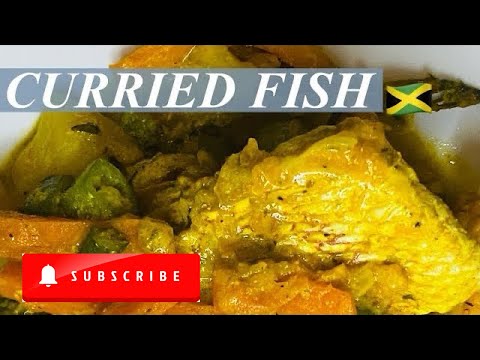
Jamaican Style Curry Fish Dinner|| How To Make Curry Fish Recipe
Shelly’s JA Bikkle & Spices

How to Make Curry Fish | The Jamaican Mother
The Jamaican Mother
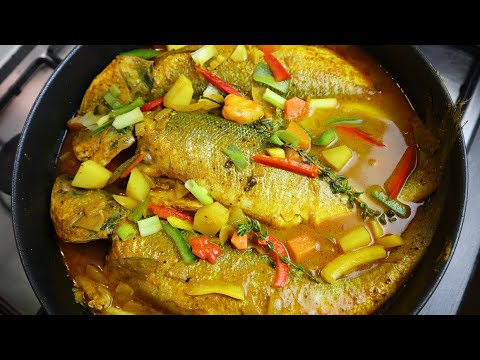
How To Cook Restaurant Style Curry Steamed Fish | Jamaican Steamed Fish
Jody Cooking
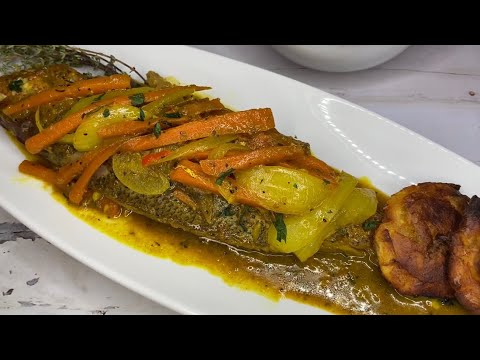
Simple Jamaican Curry Fish
London Cookss
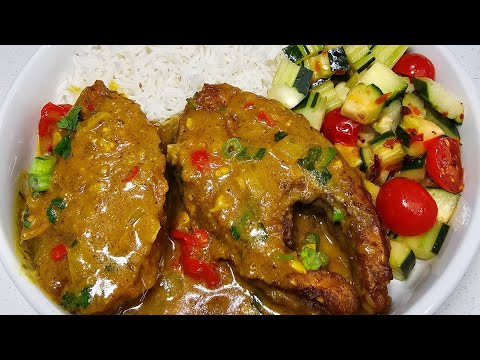
🇬🇾 Coconut fish curry/ curried fish & shrimp using the same recipe | fish & shrimp curry recipe
CANDY THA GLAM COOK
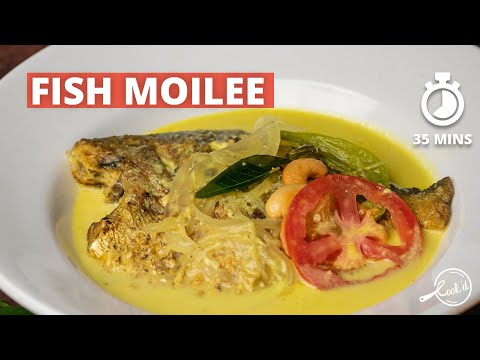
Fish Moilee Recipe | Fish Molee | Kerala Style Fish Curry | Fish Curry Recipes | Cookd
Cookd
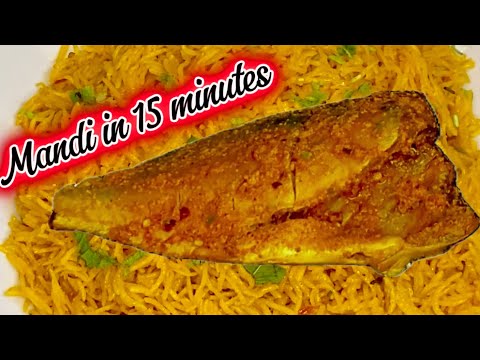
Fish Mandi Recipe | How to make Fish Mandi |Arabian Recipe @Cookingwand
Cooking wand

How to make BEST Sri-Lankan FISH PATTIES Recipe | Easy Method | Iftar Snack | Rinoza’s Recipes
Rinoza's Recipes
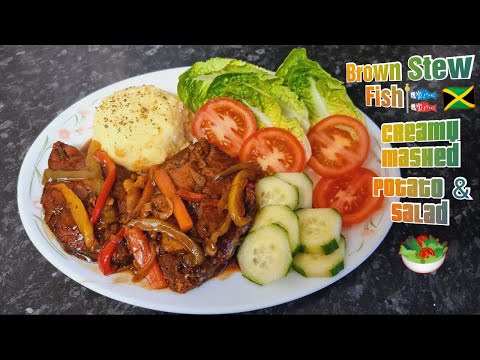
How to Cook Jamaican Brown Stew Fish with Creamy Mashed Potatoes & Salad
Roses Kitchen & Natural Juice's
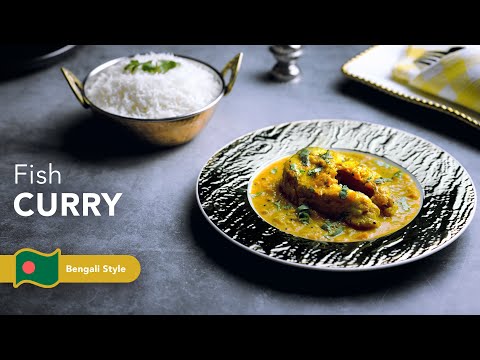
Bengali Style Fish Curry | Easy Macher Jhol Dish | Quick & Tasty Catfish Steak Dinner Recipe
Patel Brothers
Similar Japanese Videos
(24 videos)
Beginner-Friendly Japanese Recipes: Easy Dishes for New Cooks
[Haruma Recipe]Japanese Food Recipes in English

20 Minute Japanese Dinners that Will Change Your Life... or maybe 25
Aaron and Claire
Recette : Gratinée à l'oignon - Les carnets de Julie
Les Carnets de Julie - France Télévisions

RECETTE des PANCAKES JAPONAIS ULTRA FLUFFY !
Il était une fois la pâtisserie
양배추 오코노미야끼 만들기 레시피입니다. #양배추요리 #오코노미야끼 #오꼬노미야끼 #오꼬노미야끼재료 #요리레시피 #레시피 #양배추
뿌뿌키친BBubbu Kitchen
![[Sub] 정말 '크리미'해요. 집에서 간단하게 색다른 오므라이스!!](https://img.youtube.com/vi/AlK2Gl6kHZI/hqdefault.jpg)
[Sub] 정말 '크리미'해요. 집에서 간단하게 색다른 오므라이스!!
백종원 PAIK JONG WON

아침 딱 10분! 간단한 오므라이스 만들기. 회오리 오므라이스 첫 도전에 성공하는 볶음밥, 오므라이스, 계란요리
다다요리
강식당 오므라이스 만들기/안재현 오므라이스 소스 만드는법까지 자세히 소개합니다/kang's kitchen omurice/은야쟁이의오렌지블랙박스
은야쟁이

가족을 기쁘게 하는 일본식 오므라이스, 말지않아 쉬워요. オムライス
일식(食)예보
오므라이스 오무라이스 만들기 점심저녁메뉴 추천#오므라이스 #오므라이스소스 #오므라이스만들기 #오므라이스레시피 #점심저녁메뉴
쉬운 집밥요리 햇살머금은집
오므라이스 만들기 뚝딱 쉽게 만드는 한그릇 요리
하우매니 심플레시피
오므라이스 맛있게 만들기 l 맛집 사장님도 놀랄 오므라이스 특제소스 비법공개!! l Yomi Cook's 'Omu Rice' recipe
요미쿡 Yummy Cook
오므라이스는 이렇게 만드세요! 부드럽고 든든한 한끼가 되는 계란요리
옹알옹알쿡 Egg Recipes
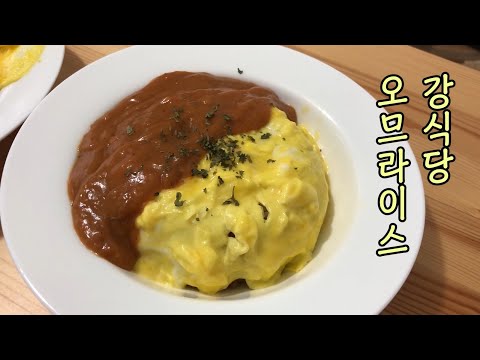
백종원 레시피 강식당 오므라이스 만드는 법 Omurice (Omelette Rice) from the South Korean reality show Kang's Kitchen
진깡 jinkkang

일본 오므라이스 찐 레시피 - 오므라이스
바깥키친
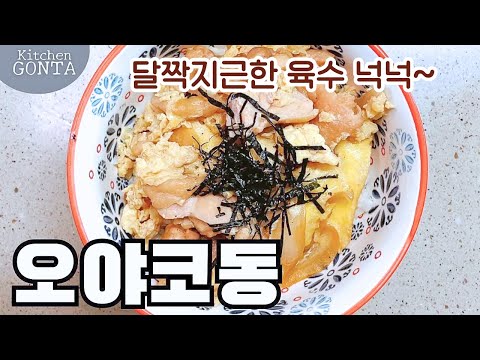
쯔유 듬뿍 오야코동 레시피/치킨 오야코동 만드는 법/닭갈비 계간 덮밥 만들기/오야꼬동/간단 일본 가정 덮밥 요리/親子丼/親子丼の作り方/親子丼 レシピ
kitchen-GONTA
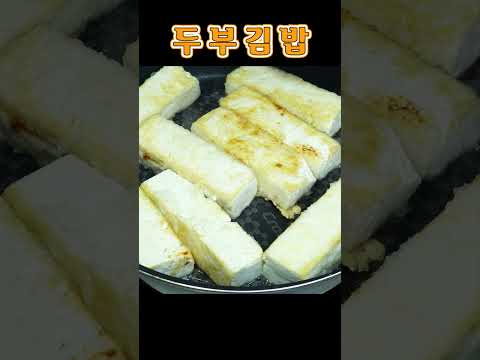
두부조림하다 김밥 먹네요. 부드럽고 부드러운 두부김밥
후다닥요리
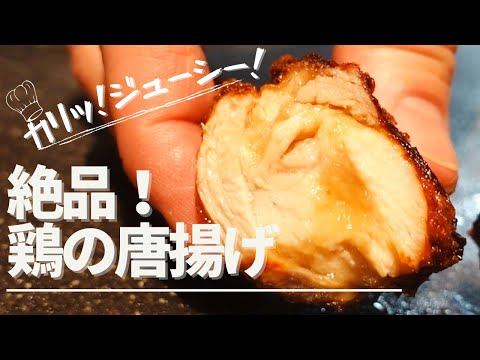
【カリッ!ジューシー!鶏の唐揚げ】ポイントは2度揚げ【簡単なのに絶品料理】
DOI 料理人
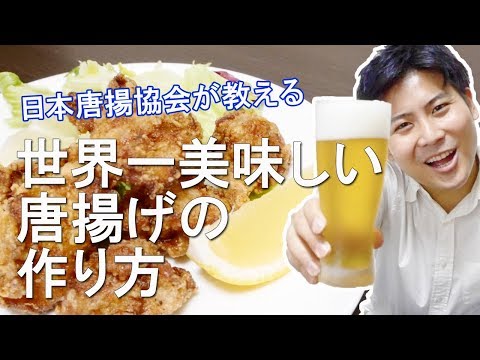
世界一美味しい唐揚げの作り方【日本唐揚協会 特製レシピ】
おっくんの宅飲みグルメ
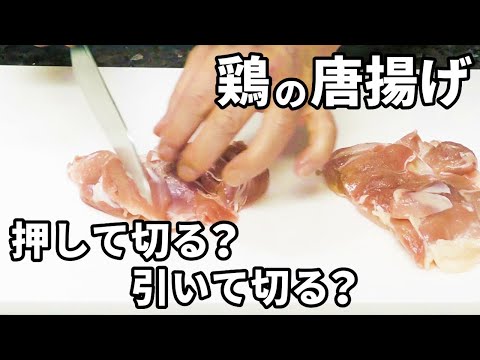
鶏の唐揚げの味までもが変わる、肉の切り分け方&ポイントを解説!
のんの大阪料理教室

【料理人の4毒抜きレシピ】揚げないコロッケの作り方 パン粉がなくても油がなくても、簡単に作れるコロッケレシピ
erba stella の野菜レシピ
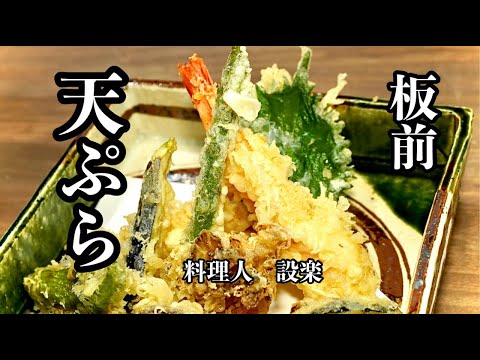
【プロ直伝】 板前が教える!お店と同じ【天ぷら】の作り方 誰でもサクサクの天ぷらを揚げる方法 これで天ぷらは得意料理になる!
料理人設楽の料理道場
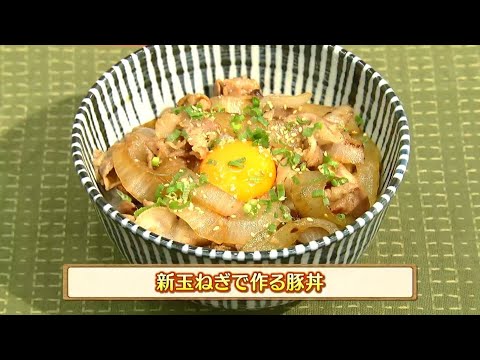
うんまかレシピ「新玉ねぎで作る豚丼」
MBC南日本放送
【公式】【豚丼名人とお惣菜天ぷらで簡単・美味しい天丼作っちゃおう!!】何にでも使える超便利な豚丼のタレを使ったクッキングチャンネル【ドライブインいとう】が提案する【時短】料理レシピ【帯広 豚丼】
ドライブインいとう ニコニコクッキングちゃんねる
Similar Dishes From Other Cuisines
(24 videos)
Pad Thai | Thai Recipes | Noodles
Lion Brand Rice

Tom Kha Kai - Le Riz Jaune
LE RIZ JAUNE
Recette de Kokoda de Fidji
Uma Kitchen Garden
A&D Var : Bouillabaisse aux Tamaris 2020
Aventures et Découvertes Var
Cours de Bouillabaisse avec l'Office de Tourisme et des Congrès
Office de Tourisme et des Congrès de Marseille

Recette de la Bouillabaisse de Dédé | TYPIQUE
Papa en Cuisine
Recette : La vraie bouillabaisse
Recettes Cooking
TUTO Recette de la Bouillabaisse by 50A
50A Agence Digitale
Comment réussir une bonne bouillabaisse facilement et rapidement ? par Enzo Scaramuzzino
ICI ON CUISINE !
Cette bouillabaisse a un goût de vase
Food Story
Recette de la Bouillabaisse par le restaurant marseillais Chez Fonfon
chezfonfon
Recette facile de Bouillabaisse Maison #bouillabaisse #cuisine #cook #food
Le Goût du Monde

Terre de Gout : La Bouillabaisse à Marseille
Food Story
Bouillabaisse, avec Marc Bonnard
日仏2ヶ国語ポッドキャスト番組『Chocolat!』- redTanpopo
Gastronomie : André, le roi de la bouillabaisse !
Météo à la carte - France Télévisions

La bouillabaisse
Fernandel - Topic
SOUPE PHÔ - RECETTE TRADITIONNELLE
Mama Ly
Receta caribeña: Sopa de mariscos con coco
Teletica Costa Rica
CHUPE DE CAMARONES CLÁSICO| Comida Peruana
Markito tv Japón
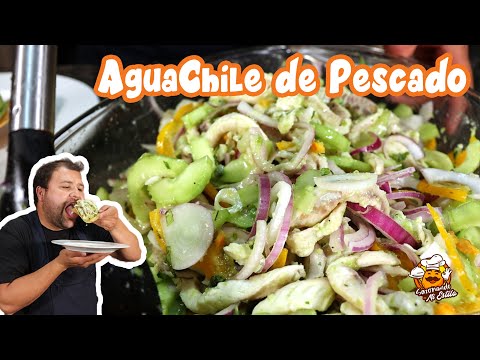
Aguachile de Pescado Fácil y Sabroso Sazonando a mi Estilo
Sazonando a mi Estilo
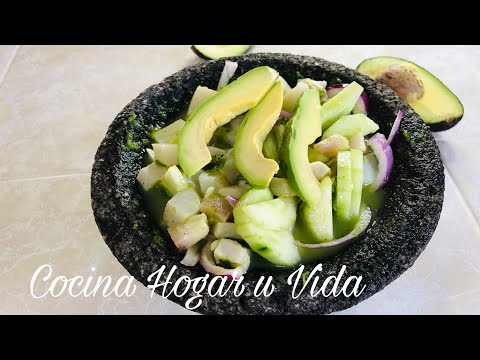
AGUACHILE DE PESCADO
Cocina Hogar y Vida

Cómo hacer ARROZ CON ATÚN 🧑🏻🍳 Perfecto para tú MENÚ DIARIO 👌🏻
LacolombianaTV
![RECETA: Arepas Venezolanas [#CocinandoConDoubleTrouble] ♥ #DTEC](https://img.youtube.com/vi/L-uPxjdquIU/hqdefault.jpg)
RECETA: Arepas Venezolanas [#CocinandoConDoubleTrouble] ♥ #DTEC
Double Trouble en Corea

AREPAS VENEZOLANAS (receta auténtica)
Soy Kekoa