This method changed the way I make Sambal

Recipe Information
Sambal Chilli
Cultural Context
Sambal Chilli is a staple condiment in Singaporean cuisine, often accompanying dishes like Nasi Lemak or satay. This fiery chili paste reflects the region's love for bold flavors and is integral to many meals, enhancing dishes with its spicy, tangy profile. Today, sambal has many variations across Southeast Asia, each with unique ingredients and heat levels, making it a beloved addition to tables worldwide.
Quantities are estimated based on standard recipes for your convenience. The actual ingredients used in this video are accurate.
belacan (fermented shrimp paste)
🥗Healthier: miso paste
💰Cheaper: soy sauce
Miso provides umami flavor without seafood.
fresh red chilies
🥗Healthier: jalapeños
💰Cheaper: dried red chilies
Jalapeños offer similar heat with less cost.
Introduce sambal as a chili paste from Asia that is spicy and aromatic.
Explain the basic sambal is made from fresh chilies and salt.
Discuss the importance of the amount of seeds in chilies for spiciness.
Demonstrate pounding chilies with salt or blending them for texture.
Suggest using a mix of fresh and dried chilies for flavor complexity.
Explain the ratio of fresh to dried chilies for optimal flavor (1:2 ratio).
Introduce the concept of aromatics and their role in enhancing flavor.
Suggest experimenting with different aromatics to find preferred flavors.
Discuss the importance of balancing flavors with sugar, acid, and umami components.
Introduce palm sugar as a preferred sweetener for sambal.
Explain the use of lime juice for preservation and flavor balance.
Discuss tamarind paste as an alternative for acidity.
Introduce umami ingredients like dried shrimp to enhance flavor.
Explain that sambal can be enjoyed raw or cooked in oil for flavor transformation.
Demonstrate frying sambal in oil, suggesting about 5% oil of the sambal weight.
Stir sambal well to mix in the oil and check for doneness.
Cooking Techniques
Equipment Needed
Spice Level:
🌶️🌶️🌶️Dietary
Allergens
Also Known As
More Sambal Chilli Videos
(11 videos)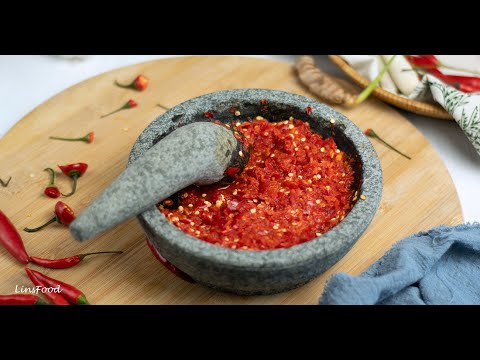
Sambal Oelek Recipe (3 Ingredients)
Azlin Bloor
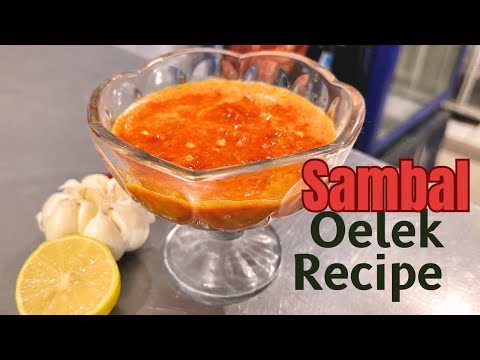
Sambal Oelek Recipe | Sambal Oelek Chili Paste | How to Make Red Chili Paste |
The Curry Expert
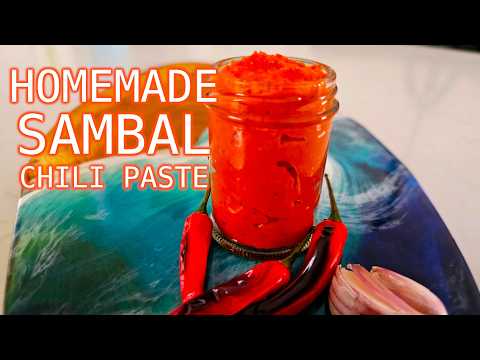
Homemade Chili Paste - Sambal Oelek
kitchen dano
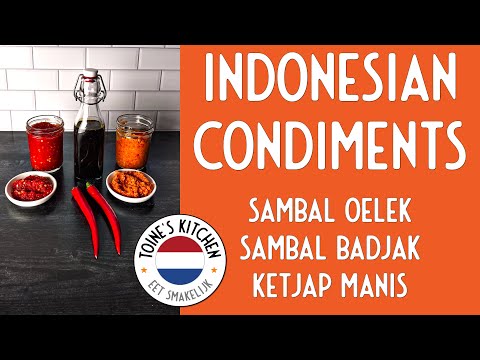
How to Make Sambal Oelek, Ketjap Manis, and Sambal Badjak
Toine’s Kitchen 🇳🇱
Sambal Oelek Recipe (and How to Use It)
Chili Pepper Madness
ALL- PURPOSE SAMBAL RECIPE
Monica's Singapore Kitchen
How to make Sambal Oelek
Tobias Young
How To Make Sambal Oelek
Mr Skewer
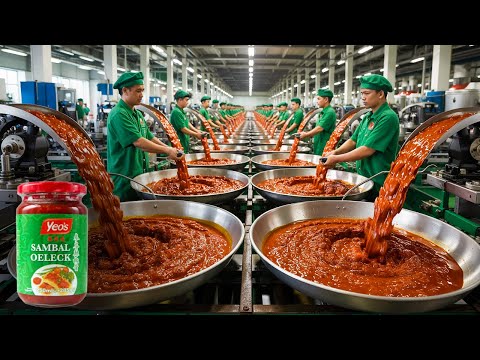
How Sambal Oelek is Made in a Factory | Made of What?
Made of What?

MY Special | Sambal Oelek
Match flavor
TWO Sambals with ONE Recipe
Reynold Poernomo
Similar Malay Videos
(24 videos)
👍🏾계란군만두~가성비짱~간단간식~ 계란의 완전식품과 당면듬뿍 고소하고 청양고추의 칼칼한 계란군만두~ 👉중독성있는 부산길거리 먹거리식품 야채듬뿍끝판왕~ (부산아지매레시피)
부산아지매레시피
The ULTIMATE Singapore Laksa recipe with the perfect Sambal!
Nomadette Eats
ඉක්මනින් හදාගන්න පුළුවන් Chili Crab Recipe එකක් | How to Make Chili Crab | Chili Crab Recipe
Flavours Of Sri Lanka
How To Make Crebs Chilli | চিলি কাঁকড়া রেসিপি | The Best Chilli Crab in Singapore | #crebs
chef Kanchan kitchen
How to Make Singaporean Chili Crab, Part 2
Epicurious
How to Make Bak Kut Teh from Scratch | No Packets Required | Klang-style Pork Bone "Tea"
Adam Liaw
Bak Kut Teh for my Malaysian Dude - Pork Bone Soup 肉骨茶
Flo Lum
🔴🔴Bak Kut Teh Recipe Malaysia(肉骨茶) | Bak Kut Teh Recipe With Packet
Luveena Lee
Pork Rib Soup | Singapore BAK KUT TEH Pork Ribs Soup Recipe
Amylyn's Kitchen
Bak Kut Teh (肉骨茶) - How to make it at home from scratch
Taste of Asian Food
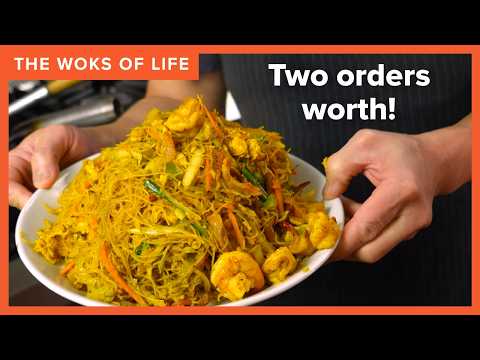
Singapore Noodles - Tastier than Takeout!
The Woks of Life

GLUTEN FREE BAGELS | Easy New York bagels recipe
The Gluten Free Blogger
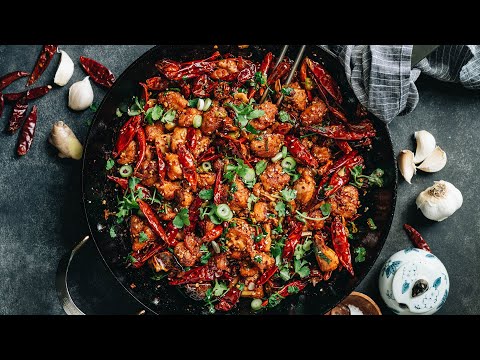
La Zi Ji ( Sichuan Mala Chicken Recipe) 辣子鸡
Omnivore's Cookbook
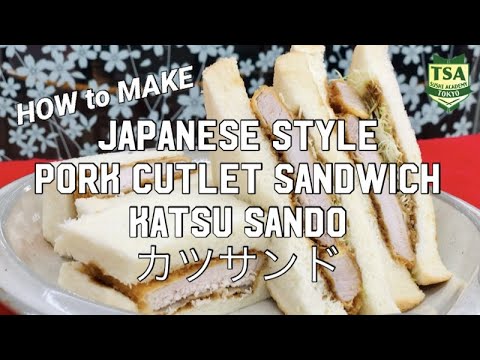
How To Make Katsu Sando/@tokyosushiacademyenglishcourse
Tokyo Sushi Academy English Course / 東京すしアカデミー英語コース
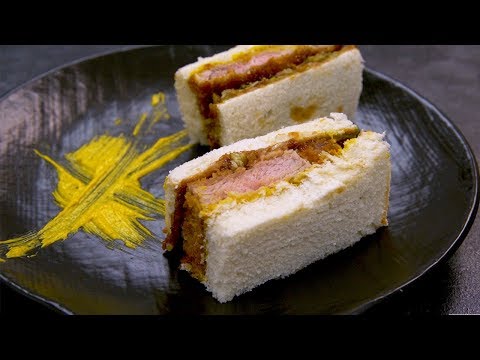
KATSU SANDO japonés - El mejor bocadillo del mundo
¡Que el papeo te acompañe!
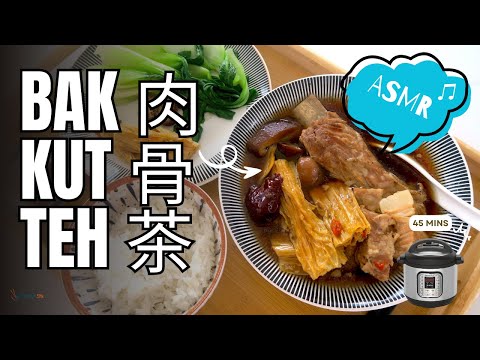
ASMR Bak Kut Teh (肉骨茶) | Effortless Instant Pot Recipe (Easy & Delicious!)
Spoonstix
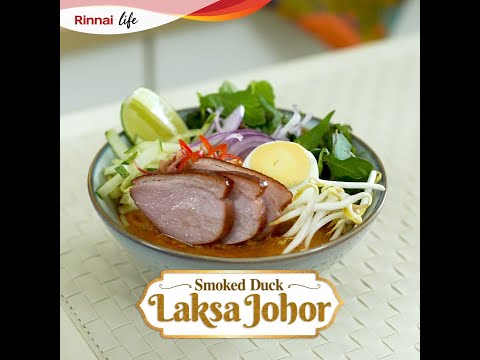
Rinnai Life: How to Make Smoked Duck Laksa Johor
Rinnai Malaysia
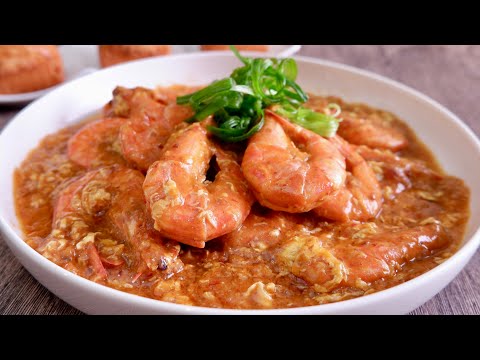
Super Easy Prawns in Singapore Chilli Crab Sauce 新加坡风味辣椒虾 Lunar CNY Chinese New Year Shrimp Recipe
Spice N' Pans
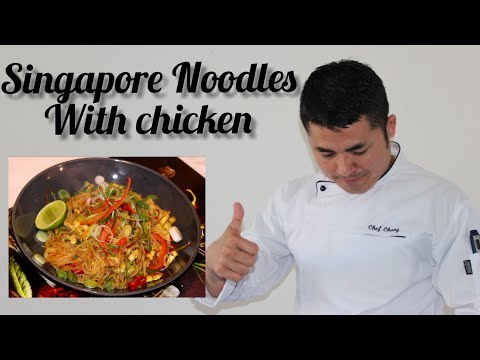
Singapore noodles with chicken recipes by Chef Chang. He will teach you a professional way.
Master of Wok
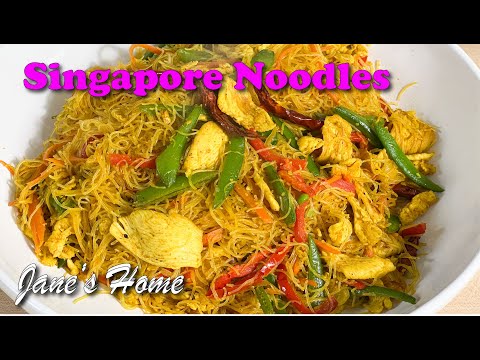
Singapore Noodles: Curry Stir Fried Noodles with Chicken - Better Audio
Jane's Home
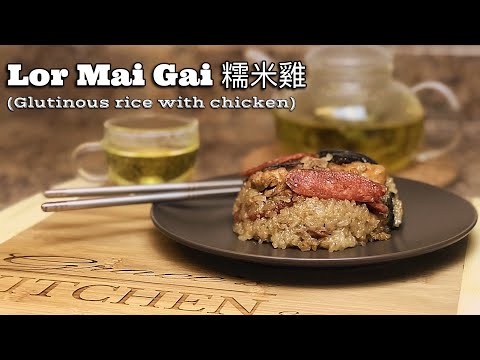
Easy Lo Mai Gai 糯米雞 (Glutinous rice with chicken) recipe with Chinese sausage in Rice Cooker
Grace Cheung
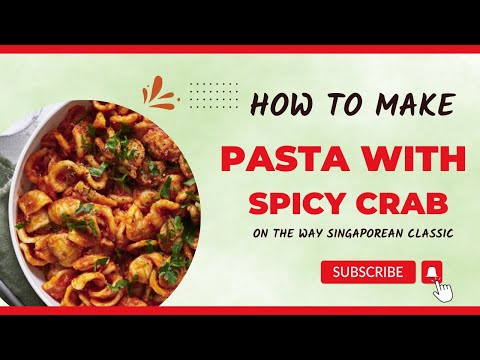
How To Make Pasta With Spicy Crab and tomato | delicious classic dish
cooking recipes
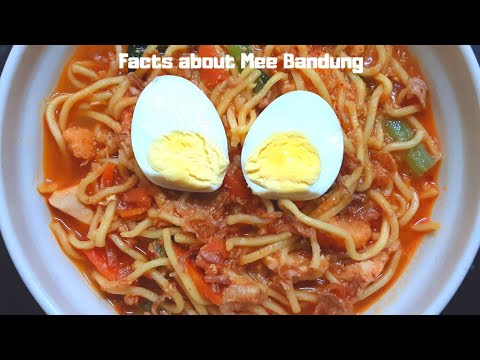
Mee Bandung Muar/Mee Bandung(Malaysian Recipe)Sharvie Cooks
SHARVIE COOKS
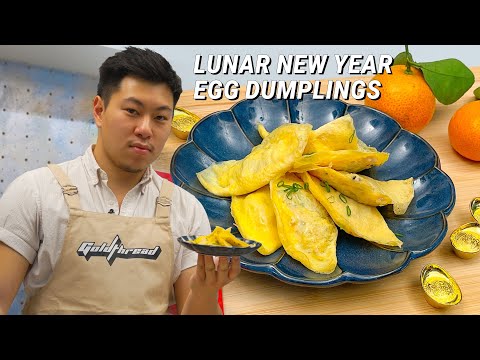
Lucas Sin’s Lunar New Year Egg Dumplings | A Basic Chinese Dish
Goldthread
Similar Recipes From Other Cuisines
(24 videos)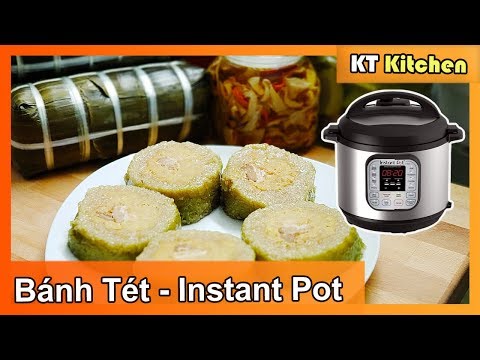
Bánh Tét nấu Nồi Instant Pot & Cách Nấu Truyền Thống - Cách Làm Chi Tiết - ENGLISH CAPTION
KT Food Stories
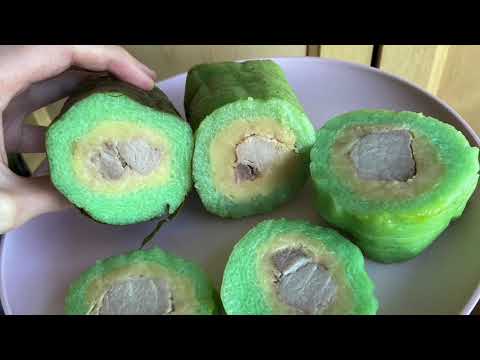
Vietnamese Bánh Tét Instant Pot Recipe sticky rice mung bean pork cake lunar new year
SuperSailorMoon R
HOW TO MAKE BÁNH TÉT - VIETNAMESE STICKY RICE CAKE-VERY SIMPLE AND FAST WAY
Ly's Dynasty Kitchen
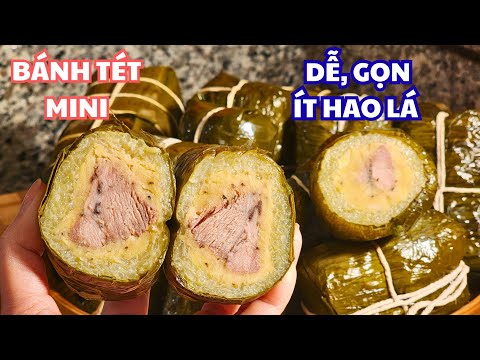
Bánh Tét Mini – Cách Gói Nhanh Gọn, Ít Hao Lá, Giữ Trọn Hương Vị Truyền Thống
Cooking With Hạnh
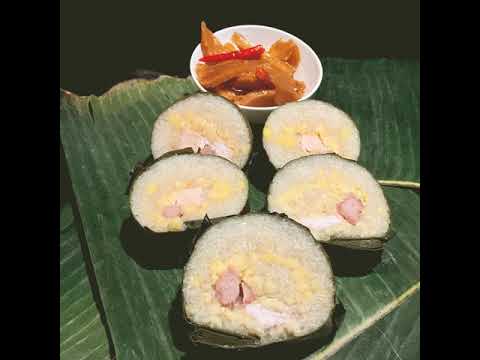
Gâteau traditionnel vietnamien pour le Tết - Bánh Tét - Traditional Vietnamese cake for Tết
Cuisiner avec Chị Lan
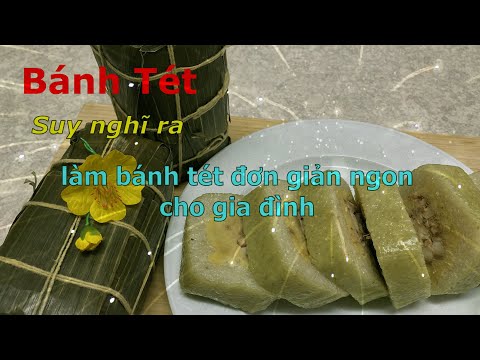
Làm bánh tét siêu dễ, đón Tết rộn ràng // Simple Banh Tet Recipe to Brighten Your Lunar New Year
Hương kỷ niệm
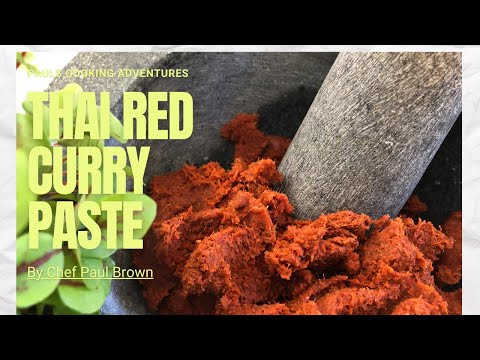
The Best Thai Red curry paste น้ำพริกแกงแดง
Pauls cooking adventures
How To Make Authentic Thai Green Curry Paste
Dan Toombs - The Curry Guy
How To Make Thai Green Curry Paste (with David Thompson) – Be Inspired
Be Inspired Food Wine Travel
Thai Green Curry Paste By Arina
India Food Network
Sambal belacan recipe- How to make the best Malaysian sambal
Taste of Asian Food
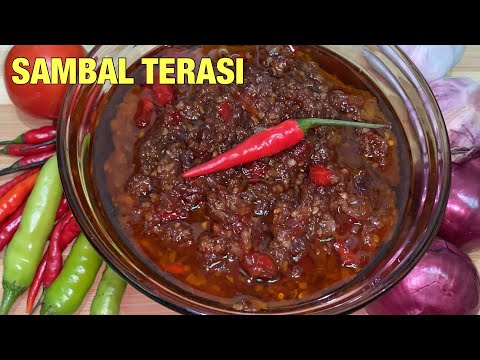
SAMBAL | Sambal Terasi Recipe | How To Make SAMBAL | by DAMDOBS KITCHEN
DamDobs Kitchen
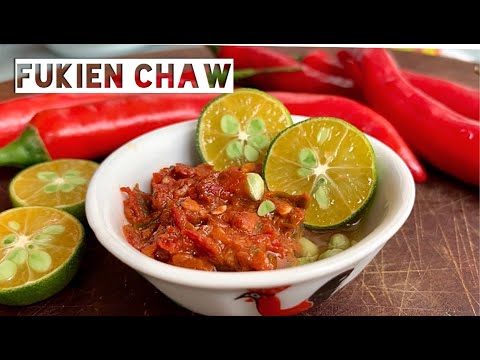
How to Make 🌶REAL AUTHENTIC🌶 Sambal Belacan | Malaysian Sambal Belacan Recipe | Nonya Sambal Belacan
Fukien Chaw
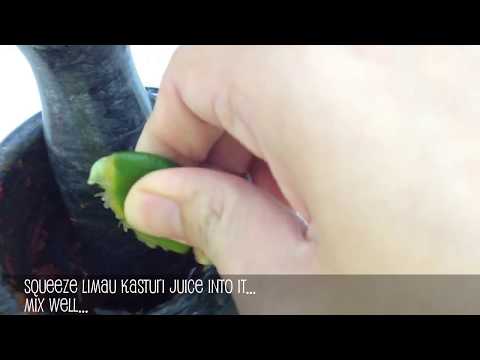
Sambal Belacan (Using Pestle and Mortar)
PhilVie Story
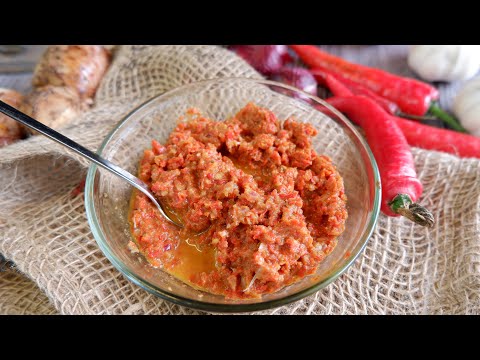
Super Easy Sambal Belacan (English Recipe) 参巴峇拉煎酱 Sambal Terasi 南洋风味 Sambal Trassi (Trassie)
Spice N' Pans
How to Make Zongzi (Chinese tamale) | 5-Star Hotel Chef | Dragon Boat Festival Food | 粽子
HauSin Saucin'
DRAGON BOAT FESTIVAL FOOD IN TAIWAN!! HUGE ABORIGINAL BBQ + ZONGZI (粽子) | Street Food in Tainan!
Luke Martin
Making The Most Delicious Sauce In Ghana. Ghanaian Local Red Pepper Sauce Ghana,s Favorite Sauce
Sweet Adjeley
Lets Try Bánh Tét - Vietnamese Rice Cake
Chef Buck

粽子 | Zongzi ( Easy Filling)STICKY RICE DUMPLINGS FOR THE DRAGON BOAT FESTIVAL 2021
Ming-Fath Tan
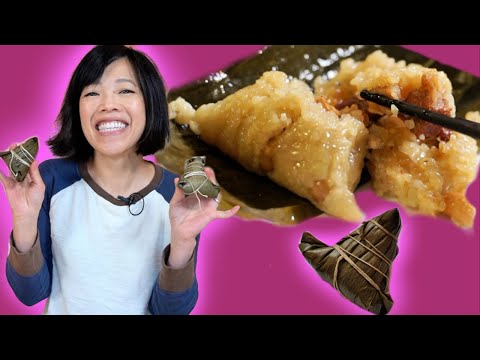
Instant Pot ZONGZI 粽子 -- How to Make Cantonese-style Sticky Rice Dumplings FAST
emmymade
How To Make A Velvety Seafood Velouté Sauce
The Topper Chef
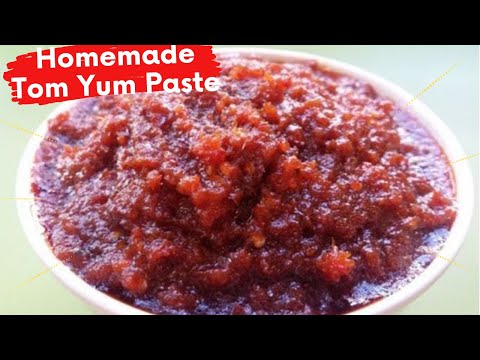
Remake: Homemade Tom Yum Paste | Rempah Tom Yam | น้ำพริกต้มยำ ทำเอง
Home Cooking with Somjit
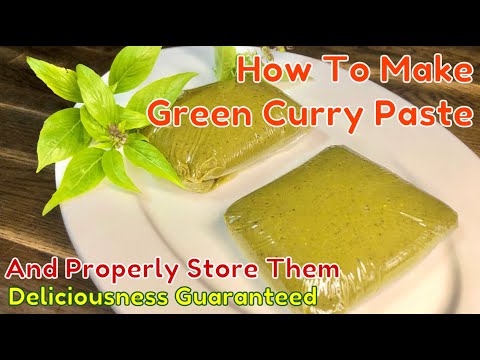
Simplified Recipe: How To Make & Properly Store Green Curry Paste | Small Batch Suitable For Family
Yoyo & Min Thai Kitchen