I Cooked a Whole Kalua Pig in My Apartment
Recipes in this Video
Kalua Pig is a traditional Hawaiian dish, often prepared for luaus and celebrations. The method of cooking involves slow-roasting the pork in an underground oven called an imu, which imparts a unique smoky flavor. This dish symbolizes hospitality and is a staple at gatherings, showcasing the rich culinary heritage of Hawaii. Today, Kalua Pig is enjoyed not only in Hawaii but also in many places across the mainland U.S., where it has become a popular barbecue item.
Ingredients
- ●pork shoulder
- ●sea salt
- ●liquid smoke
- ●banana leaves
- ●black pepper
- ●garlic
- ●onion
- ●water
- ●green onions
Instructions
- 1Preheat the oven to 300°F.
- 2Rub the pork shoulder with sea salt and black pepper.
- 3Make small slits in the pork and insert garlic cloves.
- 4Wrap the pork in banana leaves, securing it tightly.
- 5Place the wrapped pork in a roasting pan.
- 6Pour liquid smoke over the wrapped pork.
- 7Cover the pan tightly with foil to seal in moisture.
- 8Roast in the oven for about 6-8 hours until tender.
- 9Remove from the oven and let rest for 30 minutes.
- 10Unwrap the pork and shred it using two forks.
- 11Serve with chopped green onions on top.
Ingredient Alternatives
pork shoulder
Healthier: pork tenderloin
Cheaper: chicken thighs
Pork tenderloin is leaner, while chicken thighs are more budget-friendly.
banana leaves
Cheaper: aluminum foil
Aluminum foil can be used for wrapping if banana leaves are unavailable.
Techniques
Equipment
Also Known As
Poi is a traditional dish from the Polynesian islands, particularly associated with Hawaiian cuisine, where it serves as a staple food made from taro root. It holds cultural significance as a symbol of hospitality and is often served at luaus and family gatherings. Today, poi has gained popularity beyond its origins, enjoyed by many for its unique flavor and texture, and is often found in various forms across the Pacific Islands and beyond.
Ingredients
- ●taro root
- ●water
- ●coconut milk
- ●salt
- ●sugar
- ●vanilla extract
- ●lime juice
- ●banana leaves
- ●butter
Instructions
- 1Peel and chop the taro root into chunks.
- 2Steam the taro until tender, about 30-40 minutes.
- 3Drain the taro and let it cool slightly.
- 4Mash the taro until smooth and creamy.
- 5Add coconut milk and mix until well combined.
- 6Season with salt, sugar, and vanilla extract to taste.
- 7Mix in lime juice for a hint of acidity.
- 8Serve warm or chilled, wrapped in banana leaves.
Ingredient Alternatives
taro root
Healthier: sweet potato
Cheaper: regular potatoes
Sweet potato provides a similar texture and flavor.
coconut milk
Healthier: almond milk
Cheaper: evaporated milk
Almond milk is lower in calories while still creamy.
butter
Healthier: olive oil
Cheaper: margarine
Olive oil offers healthier fats.
sugar
Healthier: honey
Cheaper: agave syrup
Honey is a natural sweetener with a unique flavor.
Techniques
Equipment
Also Known As
Chicken Long Rice is a beloved dish in Hawaiian cuisine, often served at family gatherings and special occasions. It reflects the influence of Asian cooking techniques and flavors, particularly from Chinese immigrants who adapted their dishes to local ingredients. Today, it remains a staple in Hawaiian households and is enjoyed by many, showcasing the blend of cultures that define the islands.
Ingredients
- ●chicken
- ●long rice
- ●chicken broth
- ●soy sauce
- ●ginger
- ●garlic
- ●onion
- ●green onions
- ●carrots
- ●celery
- ●pepper
- ●sesame oil
- ●cornstarch
- ●water
- ●salt
- ●pepper
Instructions
- 1Soak long rice in water for 30 minutes until softened.
- 2In a large pot, bring chicken broth to a boil over medium heat.
- 3Add chicken pieces to the pot and cook until no longer pink, about 15-20 minutes.
- 4Remove chicken from the pot and let cool before shredding.
- 5In the same pot, add ginger, garlic, onion, carrots, and celery; sauté until softened, about 5-7 minutes.
- 6Stir in shredded chicken and soy sauce; cook for another 5 minutes.
- 7Add soaked long rice and water to the pot; stir to combine.
- 8Cook until rice is tender, about 10-15 minutes.
- 9Adjust seasoning with salt and pepper to taste.
- 10Drizzle with sesame oil and garnish with chopped green onions before serving.
Ingredient Alternatives
soy sauce
Healthier: tamari
Cheaper: salt
Tamari is gluten-free and offers a similar flavor profile.
chicken broth
Healthier: vegetable broth
Cheaper: water
Vegetable broth provides flavor without meat.
sesame oil
Healthier: olive oil
Cheaper: canola oil
Olive oil is healthier and can be used for sautéing.
Techniques
Equipment
Also Known As
Spam Musubi originated in Hawaii, reflecting the islands' unique blend of cultures and the influence of Japanese cuisine. This portable snack became popular during World War II when Spam was a readily available protein source. Today, it is a beloved local treat, often found at convenience stores and enjoyed at picnics and gatherings, showcasing the creativity and resourcefulness of Hawaiian cooking.
Ingredients
- ●Spam
- ●sushi rice
- ●nori
- ●soy sauce
- ●sugar
- ●mirin
- ●rice vinegar
- ●sesame oil
Instructions
- 1Cook sushi rice according to package instructions until tender and sticky.
- 2Mix rice vinegar, sugar, and salt in a bowl until dissolved.
- 3Fold the vinegar mixture into the cooked rice until evenly coated.
- 4Slice Spam into rectangles and fry in a skillet until crispy and golden, about 3-4 minutes per side.
- 5In a small bowl, combine soy sauce and mirin; brush over the fried Spam.
- 6Cut nori sheets into strips wide enough to wrap around the rice and Spam.
- 7Lay a strip of nori on a clean surface, shiny side down.
- 8Place a scoop of rice on the nori and flatten it into a rectangle.
- 9Add a piece of Spam on top of the rice.
- 10Top with another scoop of rice and mold into a compact rectangle.
- 11Wrap the nori around the rice and Spam, sealing the edge with a little water.
- 12Let the musubi sit for a few minutes to set before slicing into pieces.
Ingredient Alternatives
Spam
Healthier: grilled tofu
Cheaper: canned chicken
Tofu provides a plant-based option, while canned chicken is often less expensive.
sushi rice
Healthier: brown rice
Cheaper: white rice
Brown rice is more nutritious, while white rice is commonly available.
soy sauce
Healthier: low-sodium soy sauce
Cheaper: tamari
Low-sodium soy sauce reduces sodium intake, and tamari is often less expensive.
mirin
Healthier: rice vinegar + sugar
Cheaper: white wine vinegar
This combination mimics mirin's sweetness and flavor.
Techniques
Equipment
Also Known As
Other Takes on Pork
(24 videos)![🍖육즙 가득! 입에서 살살 녹는 등갈비 구이🔥 등갈비 레시피 [스메그 리얼스팀 콤비 오븐 x 명랑쌤 #07]](https://img.youtube.com/vi/RxZLy10UaN8/hqdefault.jpg)
🍖육즙 가득! 입에서 살살 녹는 등갈비 구이🔥 등갈비 레시피 [스메그 리얼스팀 콤비 오븐 x 명랑쌤 #07]
스메그코리아
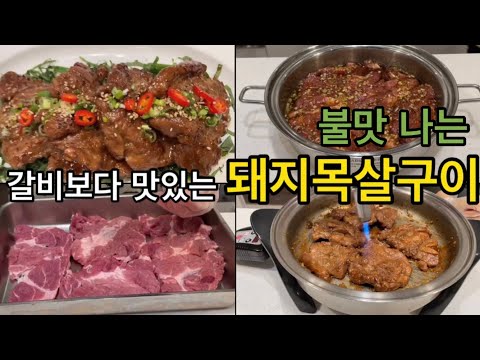
식어도 절대 누린내 나지 않는 돼지목살구이 만들기/샐러드마스터로 불맛나는 돼지목살구이 만들기/ 양념고기 타지 않게 굽는 법/ 헬렌쿠킹 레시피
헬렌쿠킹 Helen Cooking
![🍽🥣달달한 옛날 돈까스+소스까지! Pork Cutlet [니스레시피Recipe]](https://img.youtube.com/vi/4iaX1LL8ofM/hqdefault.jpg)
🍽🥣달달한 옛날 돈까스+소스까지! Pork Cutlet [니스레시피Recipe]
니스일상NISS

통 모짜렐라 치즈돈까스 만들기,롤까스,Cheese pork cutlet,백종원
푼스

골목식당 치돈 치즈돈까스 만들기 | Making Korean Style cheese pork cutlet
Miss.ChoCook미스쵸쿡 (미스쵸쵸시스터즈)

골목식당 돈카2014 치즈돈까스만들기+ 현웃터짐먹방♡ how to make cheese pork cutlet like famous restaurant
GEEU지유튜브

Korean pancake 'Pajeon' - yori 해물파전 만드는법! 요리,레시피
YoriTV
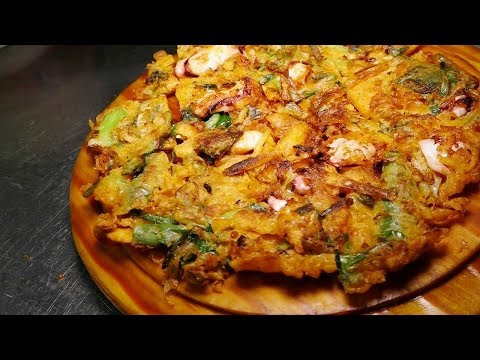
비 오는 날의 특급 메뉴, 파전의 비밀 레시피 @생방송 투데이 2134회 20180704
SBS STORY
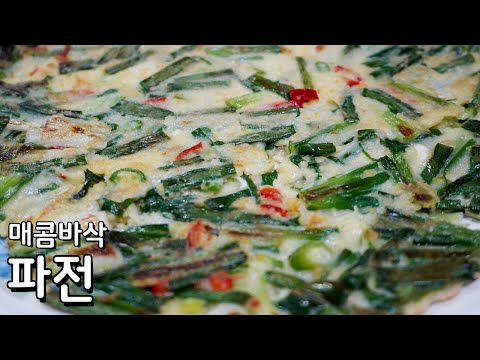
파만 넣어도 맛있는 매콤바삭한 파전 만들기
헬로우미자씨
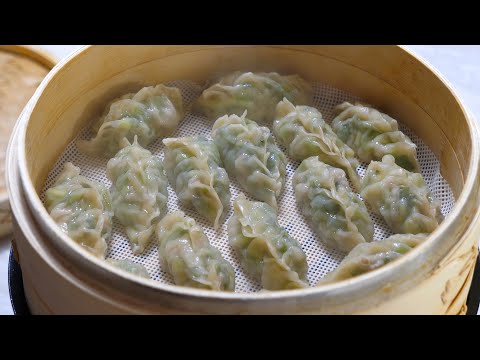
부추만두 만들었습니다. 건강에도 좋고 맛도 좋은 깔끔한 만두
엄마의가정식
숯불 삼겹살 굽기/불쇼 안나는법/더 이상 태우지 마세요/숯불 바베큐 꿀팁/korean style pork delly on charcoal
황금뒤주
간장+설탕만! 초간단 돼지고기 장조림 레시피
간단밥
「ポークチャップ」作り方
無駄なし!まかない道場(MAKANAI DOUJYOU)

【材料3つ】炒めるだけで最高に美味しい!朝の10分を救う「最強の1品弁当」レシピ
にぎりっ娘。nigiricco
【豚の生姜焼き】知らないと損する絶品レシピ
居酒屋店長のまかない飯チャンネル
油なし&砂糖なしで作れます♪【豚肉の生姜焼き】
ともなが_ごはん

【疲労回復効果】麹で豚の生姜焼き 作り方 レシピ 砂糖不使用 醤油麹 米麹甘酒 塩麹
今日 何食べる 〜ベジレシピ〜

【めんつゆで簡単!】豚の生姜焼き
肉のダイリキ
【料理】飯テロ注意!簡単すぎるスチーミーの豚チャーシュー【レシピ】japanese food cooking
流浪飯

Pork Siomai with Quail Egg | How To Make Pork Siomai #ShopeeTagToWin
Pinoy Recipe at iba pa.
How To Make Pork SIOMAI | Siomai Recipe Filipino Style @JoeCooking
Joe in the Kitchen

Pork siomai by Filipino food creations/How to make Pork siomai/Siomai Recipe
Filipino food creations
Siomai Recipe Filipino Style | How to Make Pork Siomai | Homemade Siomai @JoeCooking
Joe in the Kitchen
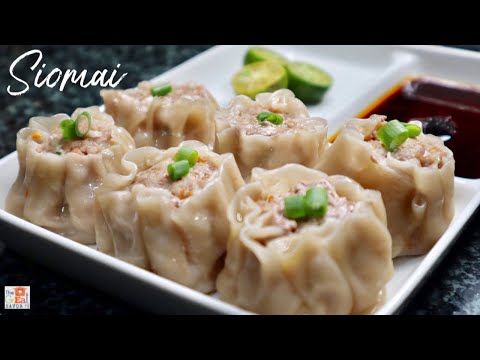
Easy PORK SIOMAI Recipe Filipino Style | How To Wrap Siomai | HOMEMADE SIOMAI
The GREAT Savor PH
Similar Hawaiian Videos
(24 videos)
Batch Prepped SLOW COOKER RECIPES for an easier week
moon + magnolia
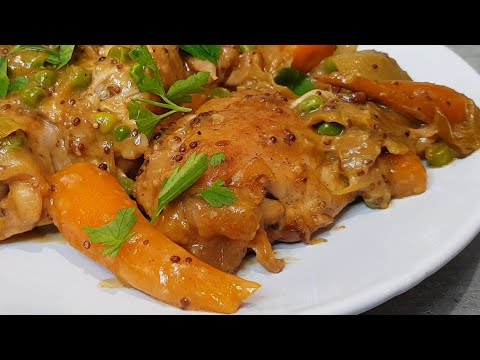
Honey Mustard Chicken Recipe
Jen Cooking
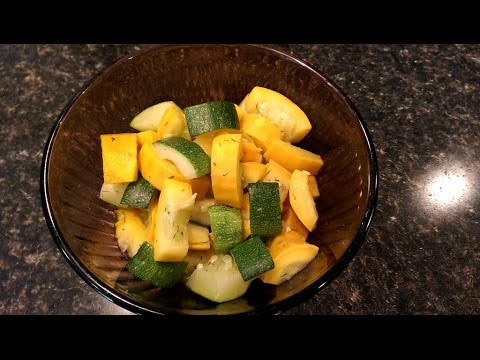
Steamed Zucchini - Bravo Charlie's Episode 23
Charlie Moore

How to make MACARONI SALAD by Kelly Henry #macaronisalad #pastarecipes #veggierecipes
Kelly's Kuisine

Dorito Taco Salad -- Throwback Video Series
Southern Country Living

Sausage Hash Brown Breakfast Casserole
Smokin' & Grillin with AB

Apple Fritter Doughnuts
Laura in the Kitchen

Crab Bisque
Dirty Spoons
Apple Cranberry Pecan Salad
Arabesque Media

Peanut Butter Cookies
Omar Tellow

Pineapple Upside Down Cake | New Year Party Recipe | By Ashley Derick MacDonald | For Cuisine Canvas
Cuisine Canvas
Tuna Noodle Casserole - Food Wishes
Food Wishes

Boston Cream Pie
Preppy Kitchen

Southern Fried Chicken
Smokin' & Grillin with AB

Professional Baker Teaches You How To Make CHOCOLATE CHIP COOKIES!
Oh Yum with Anna Olson

Smoked Shotgun Shells
Meat Church BBQ

Broccoli Cheese Soup
Preppy Kitchen

Broccoli Cheese Soup
Preppy Kitchen

10 Recipes To Sweeten The Holiday Season
Scrumdiddlyumptious

Potato Salad
J. Kenji López-Alt

Peach Cobbler
Preppy Kitchen

5 Classic American Desserts You Must Try at Home! 🇺🇸🍰 #delicious_delights #dessert
Delicious Delights

7 Best Kids Lunch Box Recipes By Recipes Of The World
Recipes of the world
Mousse à la pêche par Pierre-Dominique Cécillon pour Larousse Cuisine
LarousseCuisine
Similar Dishes From Other Cuisines
(24 videos)
American Learns to Make Filipino Food - Cooking with Ate Viva - Bihon Pancit!
JMarie Art

📈 Le come back du pâté en croûte 😋
Jamy - Epicurieux

PÂTÉ EN CROÛTE Maison : Mon Premier Essai !
Charcuterie Amateur
La France de Périco : le pâté en croûte de la maison Vérot
Marianne

Un pâté en croûte d'exception fabriqué au Pays basque
France 3 Nouvelle-Aquitaine

Pâté en croûte porc et veau fait maison de A-Z. Délicieux !
Touche à tout en cuisine

Recette : Pâté en croûte facile
Recettes Cooking
Terrine de campagne/Country terrine
Les saveurs d’Ann’Abel
{Recette} Pâté de campagne
Cook'n'Roll
Pâté de campagne maison
le monde de nono

terrine de foie gras poêle inratable et sans four.
Jean Christophe Ortega (Top Plats)
🐖 Terrine de Campagne Porc et Foies de Volaille – Un Plat Rustique et Savoureux
Recettes Cooking

Recette Terrine de foie gras maison, Ptitchef.com, Pas à pas
Ptitchef.com
Eric et son cassoulet
voaraprod

Sud-Ouest : Les secrets des meilleurs cassoulets du monde | Sept à Huit
Sept à huit

RECETTE DU CASSOULET FAIT MAISON / UN JOUR UNE RECETTE
Un jour Une recette

N°210 Le cassoulet - La chronique culturelle de Violaine
Les Chevaliers du Fiel France Bleu

DUEL DE RECETTES : CASSOULET 100% Moulinex (CompanionTouch VS CLICKCHEF par Sand CooK&LooK)
Sand Cook&Look

PÂTÉ EN CROÛTE 🇫🇷 Recette Technique Pate en croute Petite bette
la petite bette
Cochinita pibil receta original yucateca
SABOR EN LA COCINA
Cochinita Pibil. Receta Original Yucateca
SABOR EN LA COCINA
poc chuc (comida yucateca deliciosa)
Ara y su cocina

Cochinita pibil! Una tradición yucateca!
Cynthia cocina con amor
FRIJOL CON PUERCO TRADICIONAL
Cocina Yucateca para Todos