Making Dirty Mazemen with Sho Spaeth, Author of Homemade Ramen

Recipe Information
Dirty Mazemen
Cultural Context
Originating from Japan, mazemen refers to a style of ramen served without broth, allowing the flavors of the toppings and sauce to shine through. This dish is popular for its rich, savory profile and is often enjoyed as a quick meal. In modern cuisine, variations have emerged globally, incorporating different proteins and sauces, making it a versatile favorite.
Quantities are estimated based on standard recipes for your convenience. The actual ingredients used in this video are accurate.
pork belly
🥗Healthier: chicken thigh
💰Cheaper: ground pork
Chicken thigh is lower in fat and calories, while ground pork is often less expensive.
soy sauce
🥗Healthier: tamari
💰Cheaper: low-sodium soy sauce
Tamari is gluten-free and lower in sodium.
mirin
🥗Healthier: rice vinegar + sugar
💰Cheaper: white wine + sugar
Rice vinegar with sugar mimics mirin's sweetness.
nori
🥗Healthier: seaweed flakes
💰Cheaper: none
Seaweed flakes provide a similar flavor profile.
Start by discussing the concept of dirty mazen and its characteristics as a salty, carby dish.
Explain the difference between mazen and other types of ramen, emphasizing that mazen is a mixed ramen without broth.
Introduce the dirty paste, a key component of the dish, and its origins from a famous ramen chef.
Prepare dried sardines (niboshi) for infusion into the fat, discussing their role in adding flavor.
Remove the heads from the dried sardines and explain the importance of using the whole fish for flavor.
Fry the sardines in oil along with scallions to create a flavored fat, explaining the process and purpose.
Blend the fried sardines and oil to create a paste that will be added to the ramen.
Cook the ramen noodles according to package instructions until al dente, typically around 4-5 minutes.
Drain the noodles and rinse them under cold water to stop the cooking process.
In a skillet, heat sesame oil over medium heat until shimmering.
Add diced pork belly to the skillet and cook until browned and crispy, about 5-7 minutes.
Stir in minced garlic and ginger, cooking until fragrant, about 1 minute.
Add soy sauce, mirin, and sugar to the skillet, stirring to combine.
Cook the mixture until the sauce thickens slightly, about 2-3 minutes.
In a bowl, combine the cooked noodles with the pork mixture, tossing to coat evenly.
Top the noodles with a soft-boiled egg, sliced green onions, and bean sprouts.
Drizzle chili oil over the top and sprinkle with black pepper and nori.
Serve immediately, garnished with additional green onions if desired.
Cooking Techniques
Equipment Needed
Spice Level:
🌶️🌶️🌶️Allergens
Also Known As
Other Takes on Pork
(24 videos)![🍖육즙 가득! 입에서 살살 녹는 등갈비 구이🔥 등갈비 레시피 [스메그 리얼스팀 콤비 오븐 x 명랑쌤 #07]](https://img.youtube.com/vi/RxZLy10UaN8/hqdefault.jpg)
🍖육즙 가득! 입에서 살살 녹는 등갈비 구이🔥 등갈비 레시피 [스메그 리얼스팀 콤비 오븐 x 명랑쌤 #07]
스메그코리아
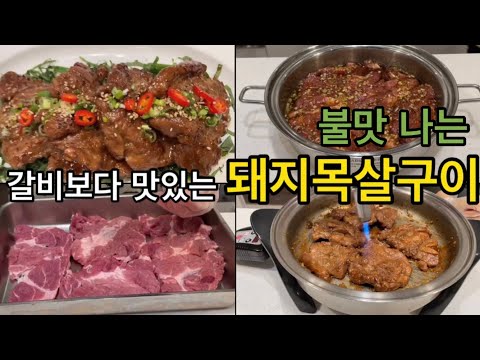
식어도 절대 누린내 나지 않는 돼지목살구이 만들기/샐러드마스터로 불맛나는 돼지목살구이 만들기/ 양념고기 타지 않게 굽는 법/ 헬렌쿠킹 레시피
헬렌쿠킹 Helen Cooking
![🍽🥣달달한 옛날 돈까스+소스까지! Pork Cutlet [니스레시피Recipe]](https://img.youtube.com/vi/4iaX1LL8ofM/hqdefault.jpg)
🍽🥣달달한 옛날 돈까스+소스까지! Pork Cutlet [니스레시피Recipe]
니스일상NISS
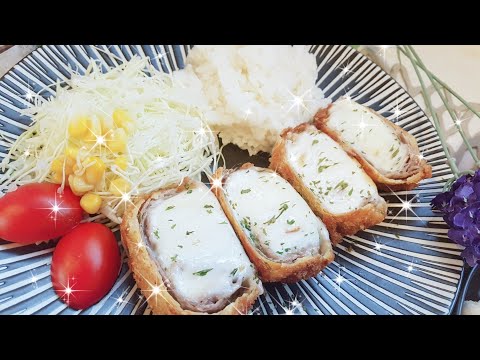
골목식당 돈카2014 치즈돈까스만들기+ 현웃터짐먹방♡ how to make cheese pork cutlet like famous restaurant
GEEU지유튜브

통 모짜렐라 치즈돈까스 만들기,롤까스,Cheese pork cutlet,백종원
푼스

골목식당 치돈 치즈돈까스 만들기 | Making Korean Style cheese pork cutlet
Miss.ChoCook미스쵸쿡 (미스쵸쵸시스터즈)
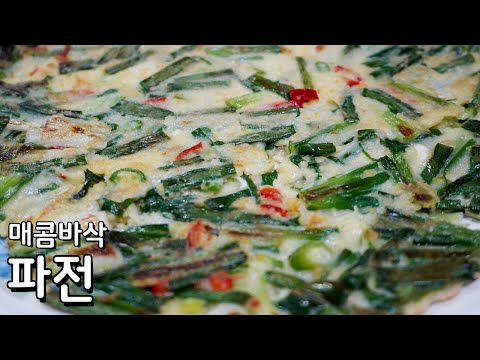
파만 넣어도 맛있는 매콤바삭한 파전 만들기
헬로우미자씨
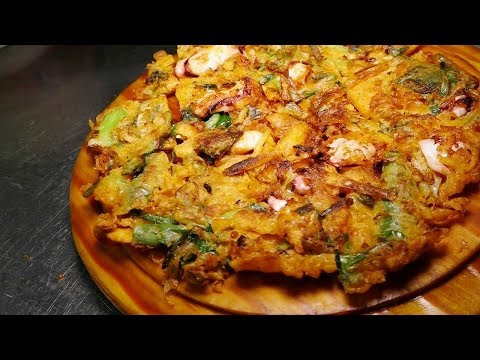
비 오는 날의 특급 메뉴, 파전의 비밀 레시피 @생방송 투데이 2134회 20180704
SBS STORY
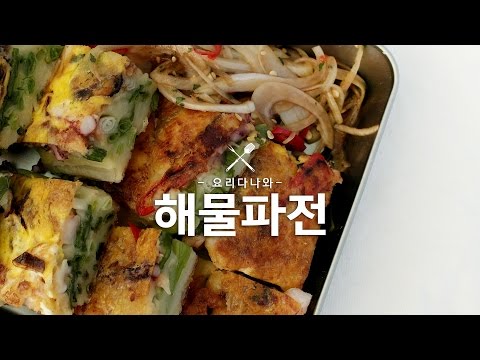
Korean pancake 'Pajeon' - yori 해물파전 만드는법! 요리,레시피
YoriTV
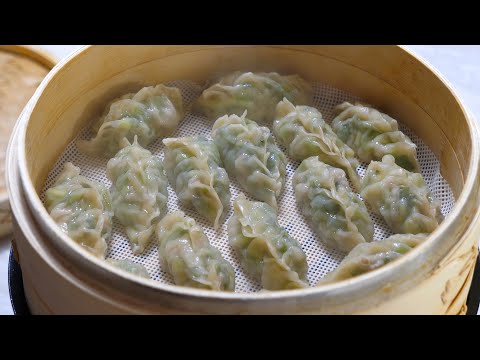
부추만두 만들었습니다. 건강에도 좋고 맛도 좋은 깔끔한 만두
엄마의가정식
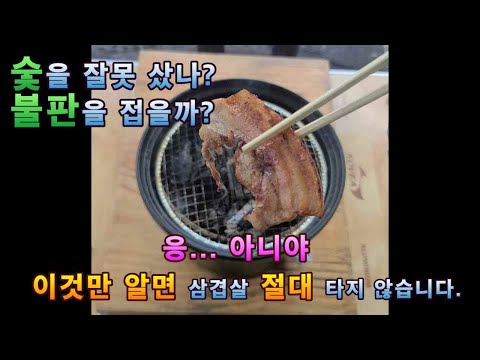
숯불 삼겹살 굽기/불쇼 안나는법/더 이상 태우지 마세요/숯불 바베큐 꿀팁/korean style pork delly on charcoal
황금뒤주
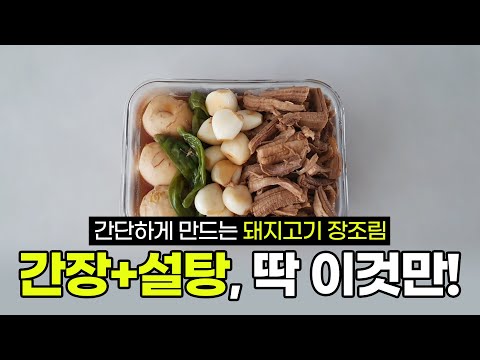
간장+설탕만! 초간단 돼지고기 장조림 레시피
간단밥
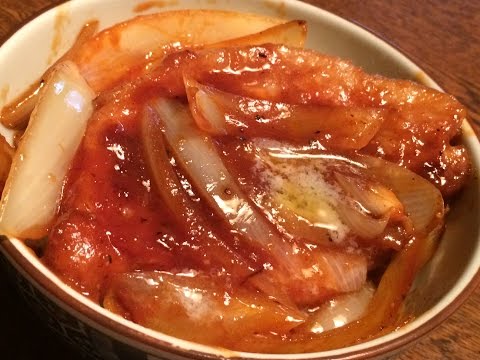
「ポークチャップ」作り方
無駄なし!まかない道場(MAKANAI DOUJYOU)
【材料3つ】炒めるだけで最高に美味しい!朝の10分を救う「最強の1品弁当」レシピ
にぎりっ娘。nigiricco
油なし&砂糖なしで作れます♪【豚肉の生姜焼き】
ともなが_ごはん
【疲労回復効果】麹で豚の生姜焼き 作り方 レシピ 砂糖不使用 醤油麹 米麹甘酒 塩麹
今日 何食べる 〜ベジレシピ〜
【豚の生姜焼き】知らないと損する絶品レシピ
居酒屋店長のまかない飯チャンネル
【めんつゆで簡単!】豚の生姜焼き
肉のダイリキ
【料理】飯テロ注意!簡単すぎるスチーミーの豚チャーシュー【レシピ】japanese food cooking
流浪飯
Siomai Recipe Filipino Style | How to Make Pork Siomai | Homemade Siomai @JoeCooking
Joe in the Kitchen
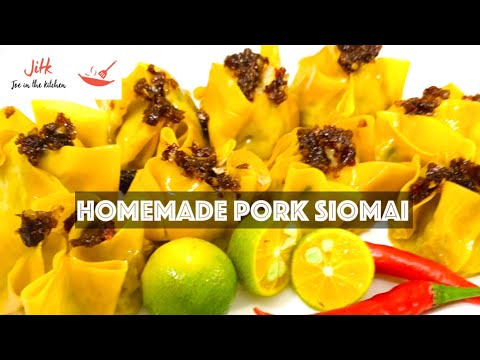
How To Make Pork SIOMAI | Siomai Recipe Filipino Style @JoeCooking
Joe in the Kitchen
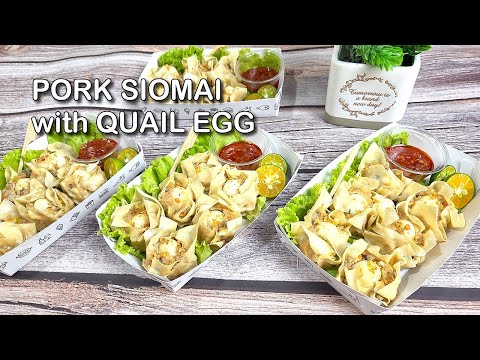
Pork Siomai with Quail Egg | How To Make Pork Siomai #ShopeeTagToWin
Pinoy Recipe at iba pa.
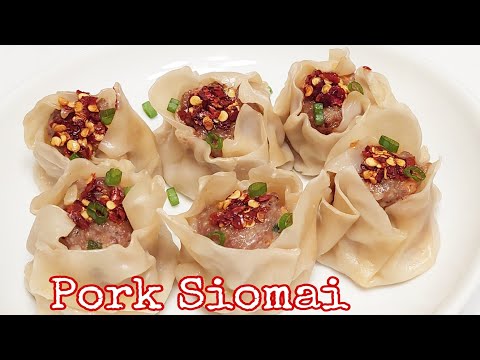
Pork siomai by Filipino food creations/How to make Pork siomai/Siomai Recipe
Filipino food creations
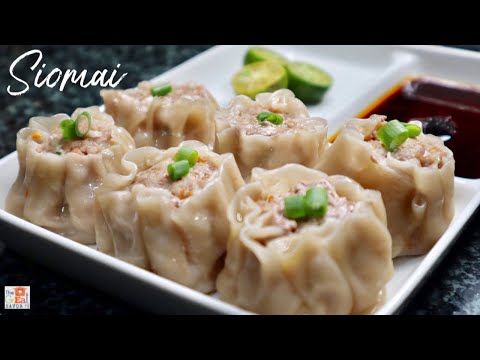
Easy PORK SIOMAI Recipe Filipino Style | How To Wrap Siomai | HOMEMADE SIOMAI
The GREAT Savor PH
Similar Japanese Videos
(24 videos)
Beginner-Friendly Japanese Recipes: Easy Dishes for New Cooks
[Haruma Recipe]Japanese Food Recipes in English

20 Minute Japanese Dinners that Will Change Your Life... or maybe 25
Aaron and Claire
Recette : Gratinée à l'oignon - Les carnets de Julie
Les Carnets de Julie - France Télévisions

RECETTE des PANCAKES JAPONAIS ULTRA FLUFFY !
Il était une fois la pâtisserie
양배추 오코노미야끼 만들기 레시피입니다. #양배추요리 #오코노미야끼 #오꼬노미야끼 #오꼬노미야끼재료 #요리레시피 #레시피 #양배추
뿌뿌키친BBubbu Kitchen

가족을 기쁘게 하는 일본식 오므라이스, 말지않아 쉬워요. オムライス
일식(食)예보
![[Sub] 정말 '크리미'해요. 집에서 간단하게 색다른 오므라이스!!](https://img.youtube.com/vi/AlK2Gl6kHZI/hqdefault.jpg)
[Sub] 정말 '크리미'해요. 집에서 간단하게 색다른 오므라이스!!
백종원 PAIK JONG WON

오므라이스 오무라이스 만들기 점심저녁메뉴 추천#오므라이스 #오므라이스소스 #오므라이스만들기 #오므라이스레시피 #점심저녁메뉴
쉬운 집밥요리 햇살머금은집

아침 딱 10분! 간단한 오므라이스 만들기. 회오리 오므라이스 첫 도전에 성공하는 볶음밥, 오므라이스, 계란요리
다다요리

강식당 오므라이스 만들기/안재현 오므라이스 소스 만드는법까지 자세히 소개합니다/kang's kitchen omurice/은야쟁이의오렌지블랙박스
은야쟁이

일본 오므라이스 찐 레시피 - 오므라이스
바깥키친

오므라이스는 이렇게 만드세요! 부드럽고 든든한 한끼가 되는 계란요리
옹알옹알쿡 Egg Recipes
오므라이스 만들기 뚝딱 쉽게 만드는 한그릇 요리
하우매니 심플레시피
백종원 레시피 강식당 오므라이스 만드는 법 Omurice (Omelette Rice) from the South Korean reality show Kang's Kitchen
진깡 jinkkang
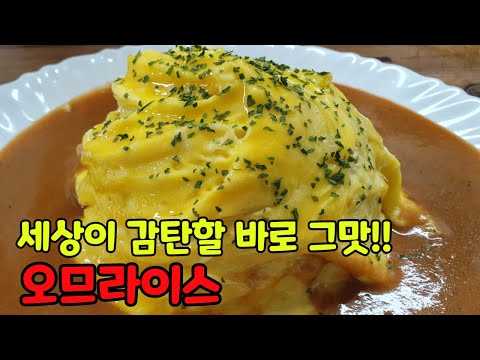
오므라이스 맛있게 만들기 l 맛집 사장님도 놀랄 오므라이스 특제소스 비법공개!! l Yomi Cook's 'Omu Rice' recipe
요미쿡 Yummy Cook
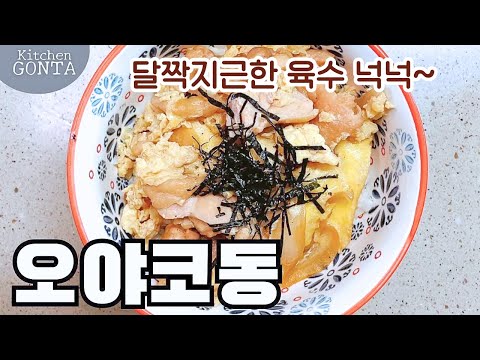
쯔유 듬뿍 오야코동 레시피/치킨 오야코동 만드는 법/닭갈비 계간 덮밥 만들기/오야꼬동/간단 일본 가정 덮밥 요리/親子丼/親子丼の作り方/親子丼 レシピ
kitchen-GONTA
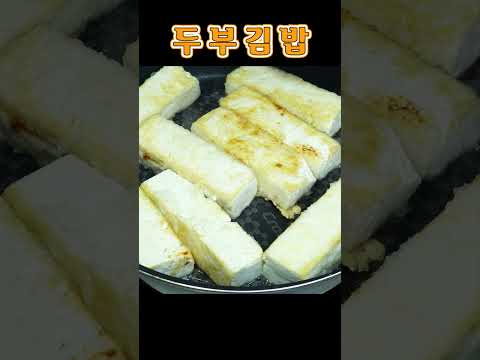
두부조림하다 김밥 먹네요. 부드럽고 부드러운 두부김밥
후다닥요리
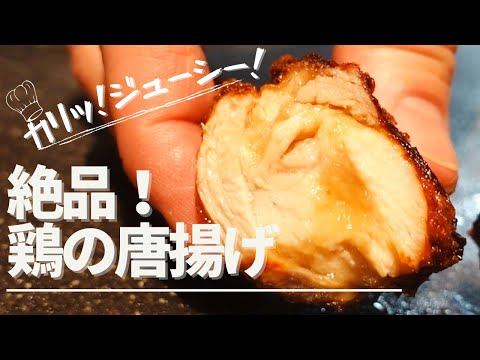
【カリッ!ジューシー!鶏の唐揚げ】ポイントは2度揚げ【簡単なのに絶品料理】
DOI 料理人
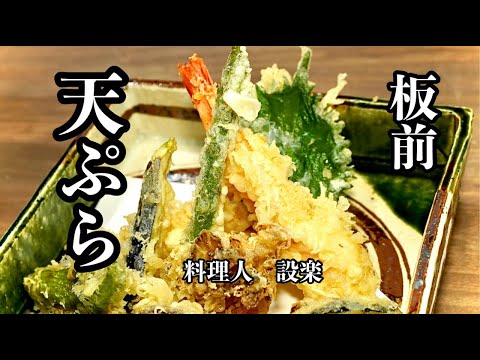
【プロ直伝】 板前が教える!お店と同じ【天ぷら】の作り方 誰でもサクサクの天ぷらを揚げる方法 これで天ぷらは得意料理になる!
料理人設楽の料理道場

世界一美味しい唐揚げの作り方【日本唐揚協会 特製レシピ】
おっくんの宅飲みグルメ
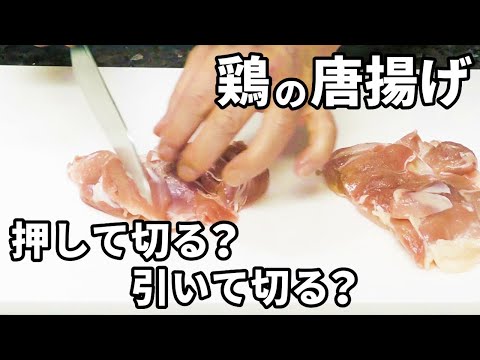
鶏の唐揚げの味までもが変わる、肉の切り分け方&ポイントを解説!
のんの大阪料理教室

【料理人の4毒抜きレシピ】揚げないコロッケの作り方 パン粉がなくても油がなくても、簡単に作れるコロッケレシピ
erba stella の野菜レシピ
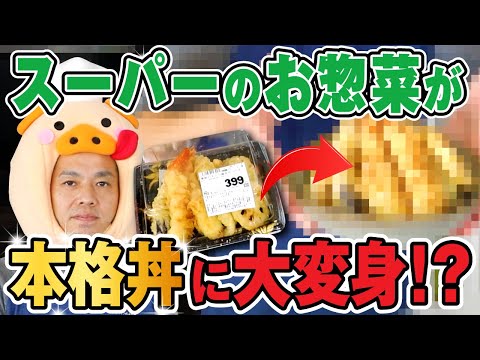
【公式】【豚丼名人とお惣菜天ぷらで簡単・美味しい天丼作っちゃおう!!】何にでも使える超便利な豚丼のタレを使ったクッキングチャンネル【ドライブインいとう】が提案する【時短】料理レシピ【帯広 豚丼】
ドライブインいとう ニコニコクッキングちゃんねる
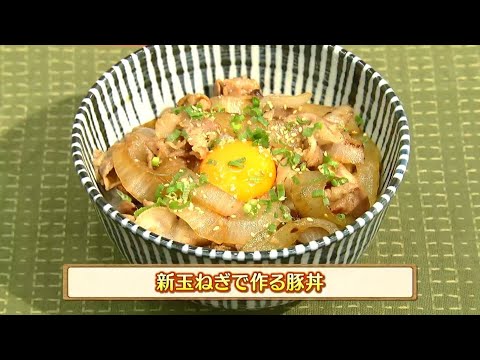
うんまかレシピ「新玉ねぎで作る豚丼」
MBC南日本放送
Similar Dishes From Other Cuisines
(24 videos)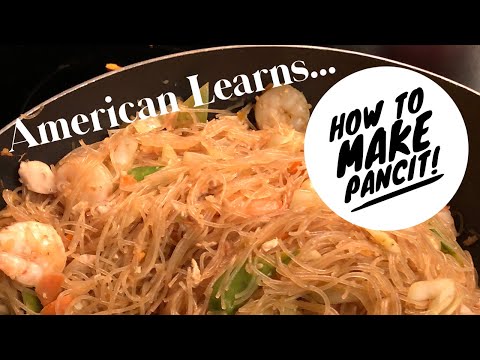
American Learns to Make Filipino Food - Cooking with Ate Viva - Bihon Pancit!
JMarie Art

PÂTÉ EN CROÛTE Maison : Mon Premier Essai !
Charcuterie Amateur
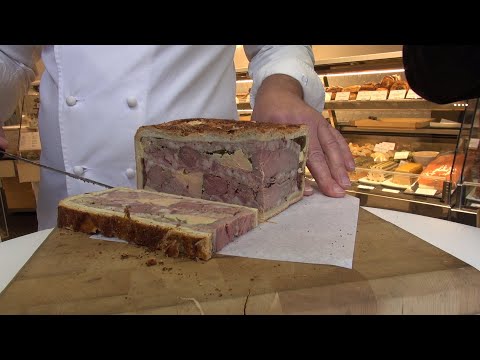
La France de Périco : le pâté en croûte de la maison Vérot
Marianne

📈 Le come back du pâté en croûte 😋
Jamy - Epicurieux

Un pâté en croûte d'exception fabriqué au Pays basque
France 3 Nouvelle-Aquitaine

Pâté en croûte porc et veau fait maison de A-Z. Délicieux !
Touche à tout en cuisine

Recette : Pâté en croûte facile
Recettes Cooking

Recette Terrine de foie gras maison, Ptitchef.com, Pas à pas
Ptitchef.com
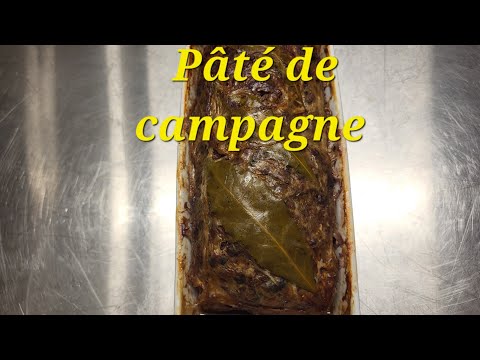
Pâté de campagne maison
le monde de nono
{Recette} Pâté de campagne
Cook'n'Roll

terrine de foie gras poêle inratable et sans four.
Jean Christophe Ortega (Top Plats)
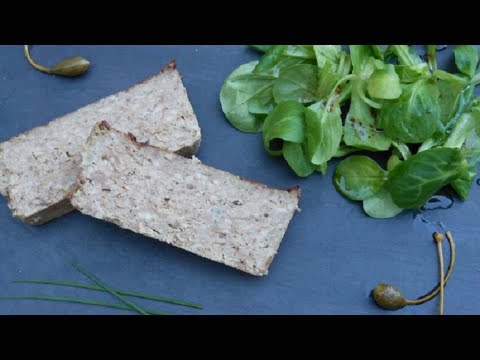
🐖 Terrine de Campagne Porc et Foies de Volaille – Un Plat Rustique et Savoureux
Recettes Cooking
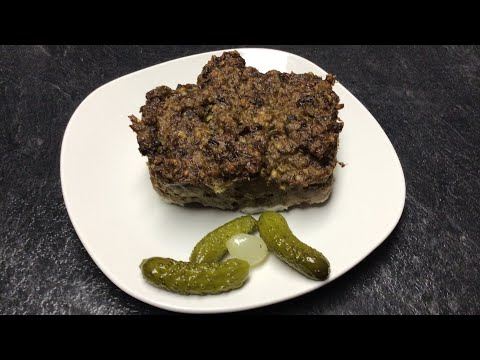
Terrine de campagne/Country terrine
Les saveurs d’Ann’Abel
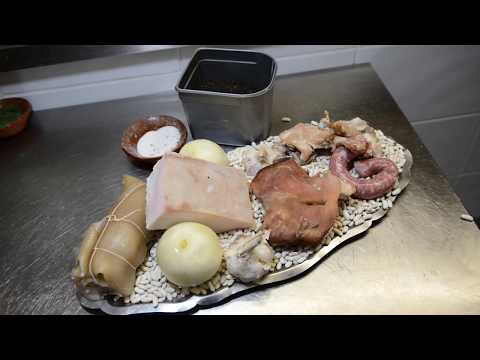
Eric et son cassoulet
voaraprod
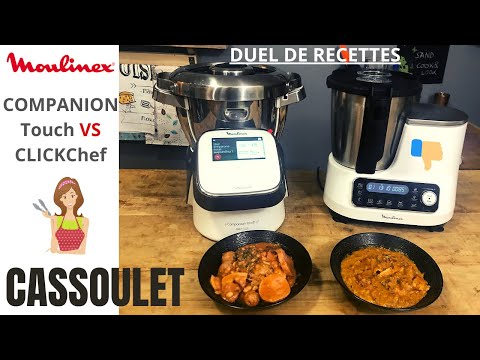
DUEL DE RECETTES : CASSOULET 100% Moulinex (CompanionTouch VS CLICKCHEF par Sand CooK&LooK)
Sand Cook&Look

RECETTE DU CASSOULET FAIT MAISON / UN JOUR UNE RECETTE
Un jour Une recette

N°210 Le cassoulet - La chronique culturelle de Violaine
Les Chevaliers du Fiel France Bleu

Sud-Ouest : Les secrets des meilleurs cassoulets du monde | Sept à Huit
Sept à huit
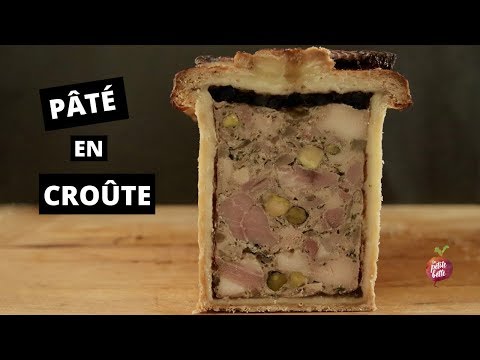
PÂTÉ EN CROÛTE 🇫🇷 Recette Technique Pate en croute Petite bette
la petite bette
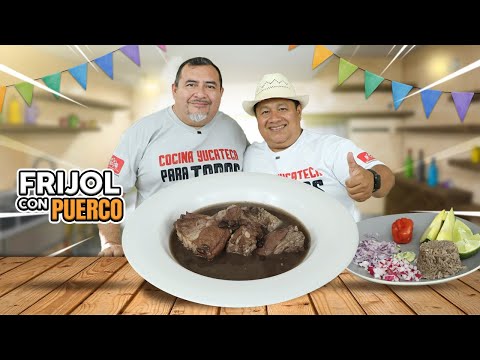
FRIJOL CON PUERCO TRADICIONAL
Cocina Yucateca para Todos
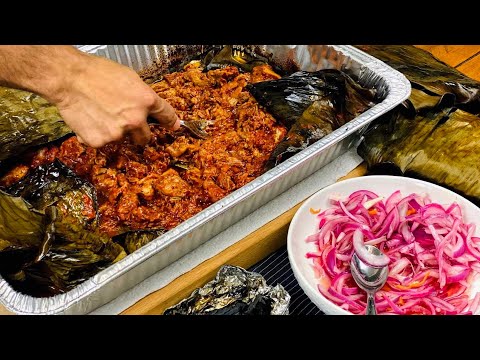
Cochinita Pibil. Receta Original Yucateca
SABOR EN LA COCINA
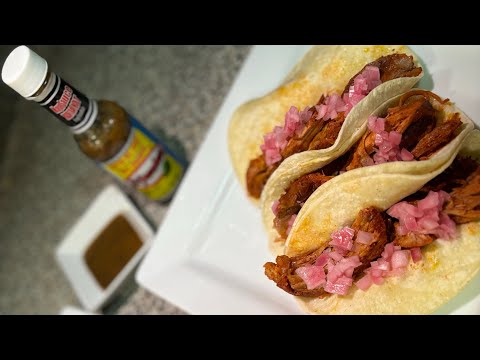
Cochinita pibil! Una tradición yucateca!
Cynthia cocina con amor
poc chuc (comida yucateca deliciosa)
Ara y su cocina
Cochinita pibil receta original yucateca
SABOR EN LA COCINA