How to choose Coffee beans - Turkish coffee

Recipe Information
Turkish Coffee
Cultural Context
Turkish coffee has its roots in the Ottoman Empire and is a cherished part of Turkish culture. Traditionally served to guests, it symbolizes hospitality and social connection. The preparation and serving of Turkish coffee is often accompanied by a ritual, making it a communal experience. Today, it enjoys global popularity, with variations emerging in different cultures, yet the authentic method remains a point of pride in Turkey.
Quantities are estimated based on standard recipes for your convenience. The actual ingredients used in this video are accurate.
finely ground coffee
🥗Healthier: decaf coffee
💰Cheaper: instant coffee
Decaf offers a caffeine-free option, while instant is more accessible.
sugar
🥗Healthier: honey
💰Cheaper: sweetener
Honey adds natural sweetness, while sweeteners can be lower in calories.
milk
🥗Healthier: almond milk
💰Cheaper: evaporated milk
Almond milk is a dairy-free option, and evaporated milk can be more economical.
Discuss the diversity of coffee and how any coffee beans can be used for Turkish coffee based on personal taste preferences.
Explain the characteristics of dark roast coffee, including its heavy body, oily texture, and flavor profile of rubber, tobacco, and bad chocolate.
Mention that dark roast coffee is suitable for pairing with sweets, especially those with acidic notes.
Discuss the degradation of flavor in dark roast coffee due to high roasting temperatures (up to 215°C and higher).
Advise against drinking dark roast coffee due to its lack of flavor nuances and health concerns regarding oxidized oils.
Encourage viewers to perceive the diversity of flavors in coffee and the importance of brewing techniques for Turkish coffee.
Introduce specialty coffee, highlighting medium and light roasts as preferable options for richer flavors.
Suggest starting with medium roast coffee, particularly natural processed coffee, for a better flavor experience.
Explain the differences between natural processed and washed coffee, noting that washed coffee tends to have thinner flavor.
Describe the brewing ratio for Turkish coffee (1:10) and how it contributes to flavor intensity and balance.
Encourage viewers to try light roast natural processed coffee and adjust the recipe for acidity if necessary.
Discuss regions of coffee that are less acidic, such as Honduras and Indonesia, and recommend trying lighter roasts from these areas.
List regions known for acidic coffee, including Guatemala, Rwanda, Kenya, and Burundi, and describe their flavor profiles.
Mention the floral and apricot notes typically found in Ethiopian coffee and the challenges of sourcing good crops from this region.
Cooking Techniques
Equipment Needed
Spice Level:
🌶️🌶️🌶️Dietary
Also Known As
More Turkish Coffee Videos
(5 videos)
Exploring Amsterdam’s Coffee History with Mehmet Efendi
Kurukahveci Mehmet Efendi
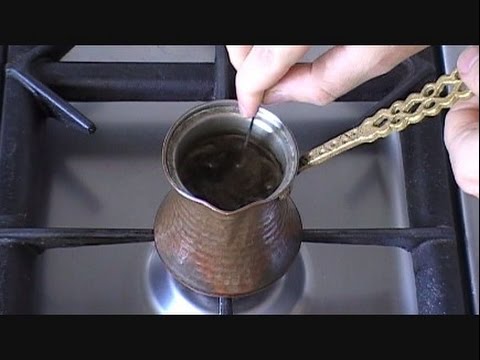
How to Make Turkish Coffee | Authentic and Delicious
defragmenteur

We Tried Istanbul’s Best Turkish Food! 🇹🇷 (15+ insane dishes)
Wyatt and Reyka

It will change your life - Turkish Coffee
Viacheslav Druzhynin

How to Make Turkish Coffee That's Actually Foamy and Frothy!
Paul Crompton
Similar Turkish Videos
(24 videos)
Turkish Adana Kabab ~ Chicken Kebab | How to Make Adana Kabab | Chullu Kabab | Quick & Easy Recipe
Rakhshanda's Cooking

Authentic Adana Kabab - How to make Turkish Adana Kabab - BEST & PERFECT KABAB - Sajida Food Secrets
Sajida Food Secrets & vlogs

Turkish Adana Kabab Recipe | Beef Turkish kabab Without Grill At Home (Tasty Food By Areeb)
Tasty Food By Areeb

Adana Kebab Recipe | How to make SHAHI SEEKH KABAB at home by Abeel | Wedding Menu #turkish
cook with Abeel
How to make Turkish Adana Kebab With Homemade SKEWERS | Bakraeid Recipes |Turkish Kabab|Adana Kabab|
zaika mazedaar

Turkish Adana Kebab | How to make Adana Kabab | Kitchen Expert | KXB
Umair Butt - KXB

Adana Kabab Recipe | Adana Kabab Recipe at Home | How to Make Adana Kabab Turkish Style
Taste With Hira
🔥How to make Perfect Adana Kabab at home | Authentic Turkish Adana Kebab | Easy Chicken Adana Kebab😋
Shameem's kitchen
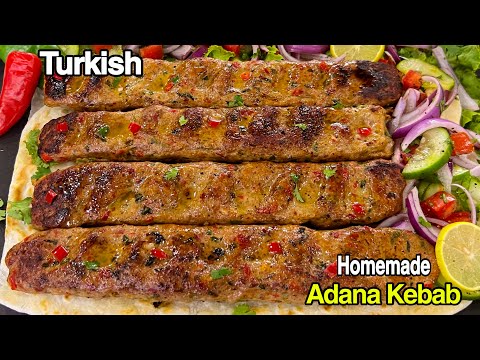
TURKISH ADANA KEBAB RECIPE | TURKISH KEBAB | TURKISH KEBAB RECIPE
Cooking Secrets With Hadiya
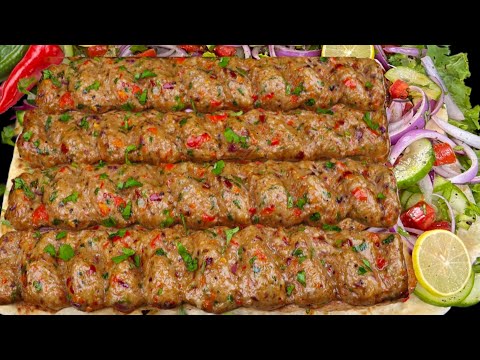
The Best Kebab - Adana Kebab Recipe | Turkish Kebab Recipe | Chicken Kabab Recipe
Cooking Secrets With Hadiya
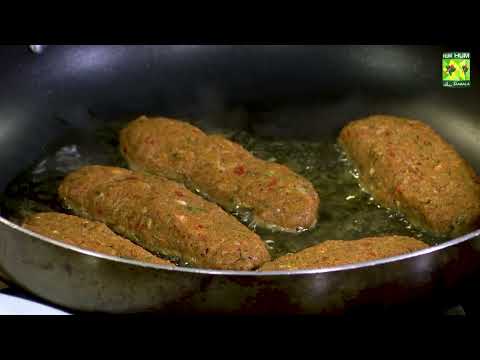
Eid Special Turkish Adana Kabab Recipe | How to make ADANA KEBAB | Shireen Anwar @MasalaTVRecipes
Masala TV Recipes

Turkish Kebab Recipe With Homemade Skewers | Turkish Adana Kebab Without Grill | Mutton Seekh Kabab
YamYam Foods5

"Ramadan Special: Homemade Juicy Turkish Chicken Adana Kebab Recipe By Shimi's kitchen"!
Shimi's kitchen
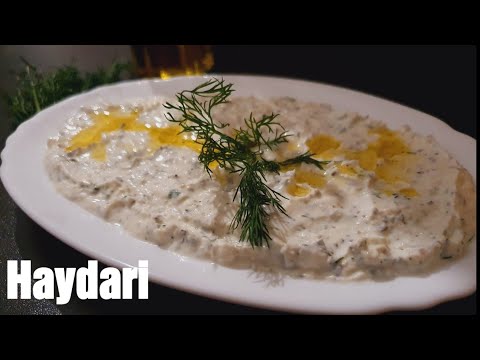
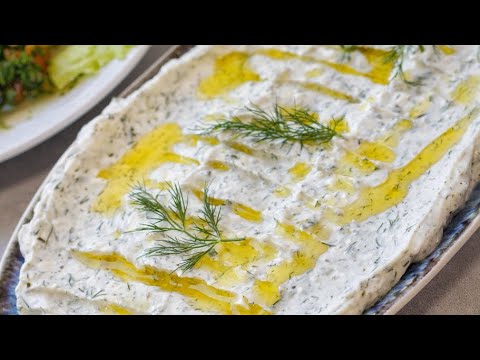
Most Tasty Haydari Turkish Meze Recipe
Ottomans Kitchen
Haydari | Turkish Yogurt Feta dip
SourAndSweets
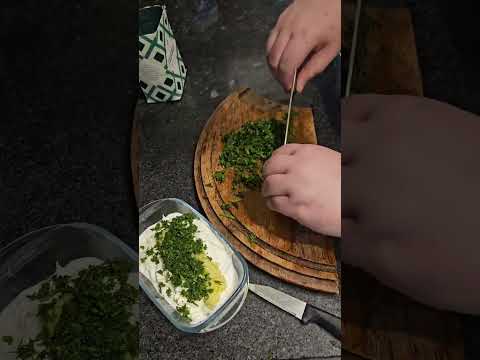
Haydari Dip
Meat with O'Meadhra
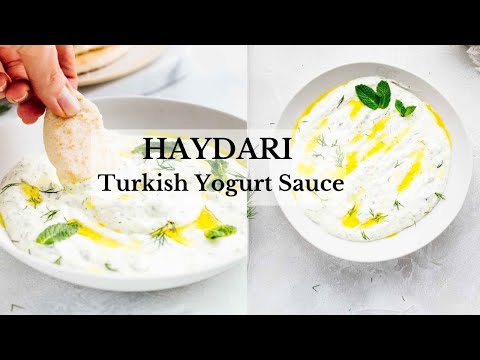
Haydari Sauce /Turkish Yogurt Sauce ( tzatziki alternative)
The Green Creator
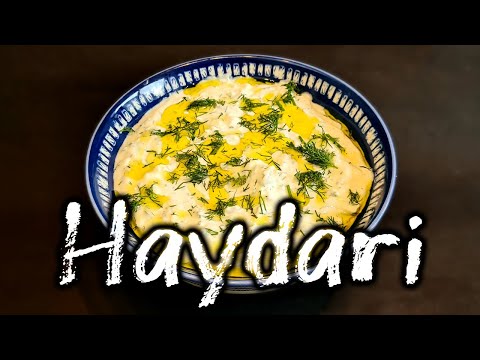
Irresistible Haydari Dip Recipe
Everything To Taste
Haydari | Homemade Yogurt Dip Recipe | Turkish Yogurt Dip | Haydari Dip Recipe | Gönül’ün Mutfağı
Gönül‘ün Mutfağı

Turkish Chicken Kebab / Kabab Roll Recipe Without Grill & Oven In Pan | Turkish Shawarma Doner
Cooking with passion
EVDEKİLER BU ÇORBANIN TADINA DOYAMADILAR BABAANNE ÇORBASI❤️ YAYLA çorba tarifi
Ahmet şefin mutfağı
TURKISH HIGHLAND MEADOW YOGURT SOUP | YAYLA SOUP
Inan Dogru
Turkish Kebab | Recipe by Zaike ki Talash
Zaike Ki Talash
Адана кебап | Шиш с телешка кайма | Турска кухня
Jazzy Taste
Similar Recipes From Other Cuisines
(24 videos)
Delicioso atole de masa | Cocina Oaxaqueña
Cocina Oaxaqueña

Detrás de cámara preparando chicha venezolana #cocina #cocinafacil #comedia #divertido #reaction
Cocinando con Ruddys
COMO HACER AGUA DE JAMAICA
Chef Rogelio Lara
AGUA DE JAMAICA CASERA | RECETA FÁCIL Y REFRESCANTE | Cocinando con Sara
Cocinando con Sara
Cremosa y Deliciosa Agua De Fresa! Receta De Agua Fresca!
Cocinando Con Amor
Agua Fresca de Pina
Gloria EnLaCocina
Horchata en thermomix.
Mar De Castro
La Mejor Horchata Casera Receta Fácil
Riquísimo Cocina Mexicana
Receta de horchata
Canal Trece Nuestro Canal
Receta - Horchata de arroz
Calidad Bueno
Receta De Horchata | Agua Fresca | Short
Mercadito Catering
Pudina Pani | পুদিনা পানি | Pani Puri Mint Water Recipe | Jharna’s Kitchen Official
Jharna's Kitchen Official

PONCHE CREMA VENEZOLANO preparado con CALABAZA.! BUENÍSIMOOO 🇻🇪
Cocina Fácil con Any

Receta de PONCHE CREMA by enrilemoine
Enriqueta Lemoine (by enrilemoine)

PONCHE CREMA VENEZOLANO (receta navideña fácil)
Brownicioso Postres
RECETA DE PONCHE CREMA VENEZOLANO SIN FLAN, DESDE CERO - AnnasPasteleria
Anaísa López - Recetas Que No Fallan

How to Make Mango Shake | Filipino Style | Summer Drink Series | Rosette Diaries
Rosette Diaries
How to make MEXICAN MULE by Mr.Tolmach
Mr.Tolmach

Chai Tea | Indian Tea | Perfect Chai Recipe | How to Make Chai | How to make Indian Tea | Foodworks
Foodworks
MASTERCLASS IN CHAI | How to make the perfect masala chai | Indian style tea | Food with Chetna
Food with Chetna
Masala Chai Recipe • How To Make Chai Tea Recipe • Milk Tea Recipe • How To Make Tea • Indian Tea
The Aziz Kitchen
How to Make a Perfect Indian Masala Chai... Every Time @pinkskitchen
Pinks Kitchen
Tandoori Chai Recipe - Homemade Tandori Chai Without Tandoor - Indian Tea Recipe - Ruchi
Rajshri Food
Masala Chai Recipe (Indian Tea Recipe)
Whisk Affair