Como hacer Queso Gouda y no fallar en el Intento-घर का बना गौड़ा पनीर कैसे बनाये-
Recipe Information
Queso Gouda
Cultural Context
Originating from the Netherlands, Gouda cheese is named after the city of Gouda where it was traditionally traded. It has a rich, creamy texture and a slightly sweet, nutty flavor that makes it a favorite in cheese platters and snacks. Today, Gouda is enjoyed worldwide, often melted in dishes or served with fruits and nuts, showcasing its versatility beyond just a cheese board.
gouda cheese
🥗Healthier: low-fat gouda
💰Cheaper: processed cheese
Low-fat gouda reduces calories while maintaining flavor.
cream
🥗Healthier: Greek yogurt
💰Cheaper: milk + cornstarch
Greek yogurt reduces calories while maintaining creaminess.
white wine
🥗Healthier: non-alcoholic wine
💰Cheaper: apple cider vinegar
Apple cider vinegar provides acidity without alcohol.
cheddar cheese
🥗Healthier: reduced-fat cheddar
💰Cheaper: American cheese
American cheese is often less expensive and melts well.
Heat 12 liters of non-homogenized pasteurized milk in a large saucepan until it reaches 31 °C.
Once the temperature is reached, add 2.4 ml of calcium chloride and 0.12 ml of Annatto to the milk.
After heating, add 0.09 g of mesophilic culture and let it hydrate for 5 minutes, then stir for 1 minute and let it rest for 1 hour.
After the resting period, add rennet dissolved in water (1:10 ratio) and mix for a maximum of 1 minute, then let it set for 1 hour.
Check if the milk has curdled; if it has, cut the curd into 1 cm cubes.
Stir the curd for 2 minutes every 5 minutes for 30 minutes to keep it loose and allow serum to drain.
After 30 minutes, drain 30% of the serum and replace it with fresh water at 80 °C, stirring continuously while adding the water.
Let the curd rest until it settles at the bottom of the pot.
Once settled, check the pH; if it's not between 5.8-6.0, keep it warm and turn it every 20 minutes until it reaches the desired pH.
Transfer the curd into molds lined with cheesecloth and press with 5 kg of weight for 20 minutes.
Remove the cheese from the press, turn it over, and press again with 8 kg for another 20 minutes.
Repeat the process with 13 kg for 30 minutes, then again with 13 kg for 8 hours, or use 25 kg for a drier gouda.
After pressing, leave the cheese in the mold for 24 hours at about 10 °C (50 °F).
Remove the cheese from the mold and place it in a brine solution at 20% salt concentration with a pH between 4.8-5.0 for 1 day per kilo of cheese.
Cooking Techniques
Equipment Needed
Spice Level:
🌶️🌶️🌶️Contains AlcoholAllergens
Also Known As
Similar Dutch Videos
(24 videos)
Easy Dutch Appelflappen (Apple Turnovers) with puff pastry
By Andréa Janssen

The BEST Breakfast comes from Amsterdam
The West Country Kitchen

How to make the tastiest PANCAKES - European Style (Austria and Germany)
Nico's Kitchen

HOMEMADE ADVOCAAT | How to Make Advocaat Recipe with Vodka | Rob's Home Bar
Rob's Home Bar

How to Make Classic Dutch Advocaat - Creamy Egg Cocktail | Toine’s Kitchen
Toine’s Kitchen 🇳🇱

️ How To Make ADVOCAAT LIQUEUR - LIVE with Rob's Home Bar
Rob's Home Bar

How to make real Dutch Advocaat - Recipe
Blue Moonshine

Pickled HERRING & Beetroot Salad | Bart's Fish Tales
Bart's Fish Tales

Frituur Masterclass | De Frikandel Speciaal
Boom's Bouldering
Best Homemade Liquorice Recipe EVER
biorhythmica
SALOM CARPACCIO - TARTARE ( 2 Michelin stars) - i Chef Richard -
i chef

Platos típicos de otros países de Europa del Este.
Saúde forma e foco

Insane Crispy Fried Fish! Dutch Kibbeling! Street Food!
Happy Chef (HappyChefTV)
Brussels waffles
Frank De Belder
How to make Brussels waffles
Szent László Görögkatolikus Gimnázium és Technikum
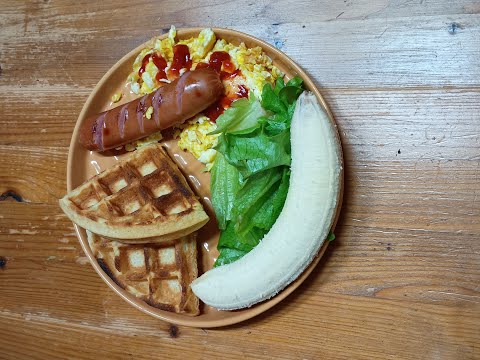
브뤼셀 와플 만들기 How to make Brussels waffles
김딸(daughter of Kim)
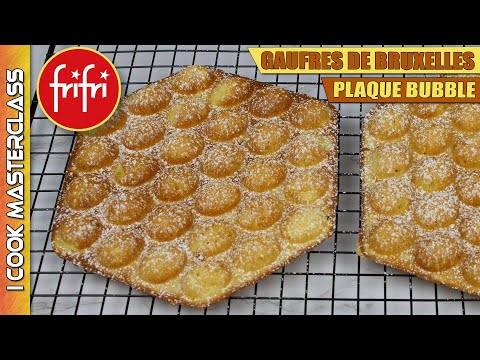
✅ LA VERITABLE RECETTE DES GAUFRES DE BRUXELLES 🇧🇪 AVEC LA PLAQUE BUBBLE Gaufre belge bruxelloise
i Cook Masterclass
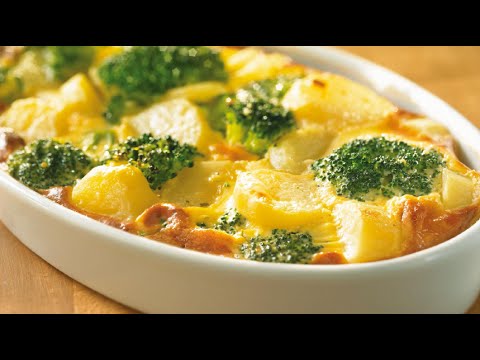
Gegratineerde broccoli met Maredsous (NL)
Maredsous fromages kazen
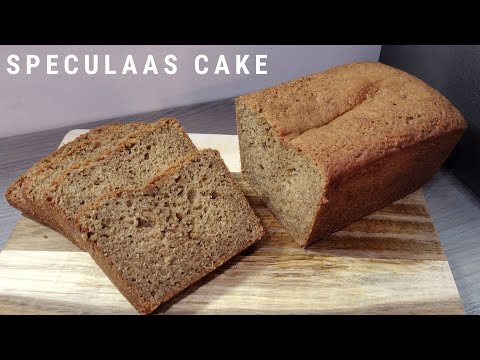
How To Make Speculaas Cake | Dutch Cake Recipe
PY's Kitchen
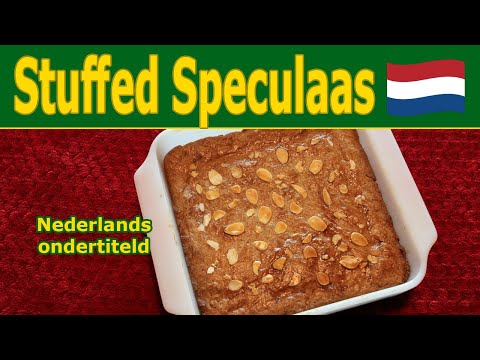
Stuffed Speculaas - Almond paste filled pastry (Gevulde Speculaas)
Wooden Shoes Homestead
![[Recipe] Gevulde Speculaas | Dutch Recipe | Sinterklaas](https://img.youtube.com/vi/pyjOtlzW2YY/hqdefault.jpg)
[Recipe] Gevulde Speculaas | Dutch Recipe | Sinterklaas
Much Munchies
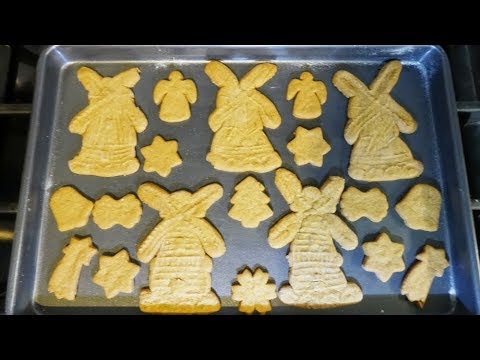
Speculaas Spice Cookies For Christmas
Geoff Cooper

Speculaas / Spekulatius Cookies with Vanilla Cream Filling ✪ MyGerman.Recipe
My German Recipes
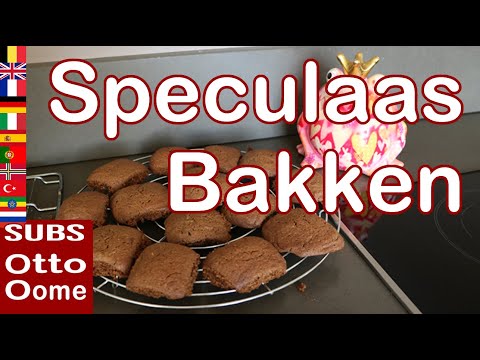
Hoe bak je speculaas?
Otto Oome
Similar Recipes From Other Cuisines
(24 videos)
Mayonnaise Recipe | How to make Mayonnaise
Recipes by Carina
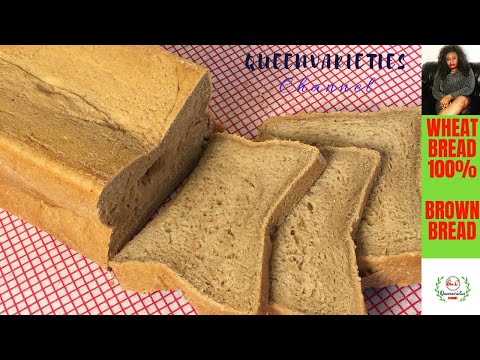
✅NIGERIAN WHOLE WHEAT BREAD RECIPE(100%)| NIGERIAN BROWN BREAD| NIGERIAN BREAD RECIPE
Queenvarieties Channel

7 Best Kids Lunch Box Recipes By Recipes Of The World
Recipes of the world
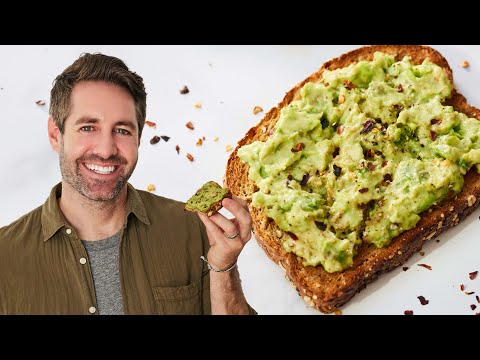
Avocado Toast
Cooking with Coit
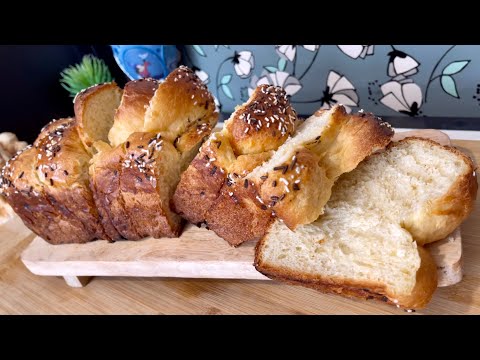
Simplement la recette de ma brioche maison Francine.
Choumchoumnass.🌹

recette Brioche maison facile
douja monde

Recette de Brioche maison moelleuse sans Robot !#brioche # brioche maison
Cooking by Nissou

Brioche extra moelleuse au Thermomix ® "recette facile"
Gourmandise et plaisir
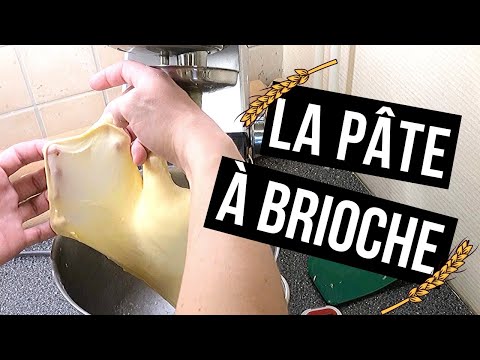
Boulangerie - La pâte à brioche
BaKnutt

La Brioche parfaite. Ma recette de brioche à la maison super facile pas à pas .
Boulangerie Pas à pas
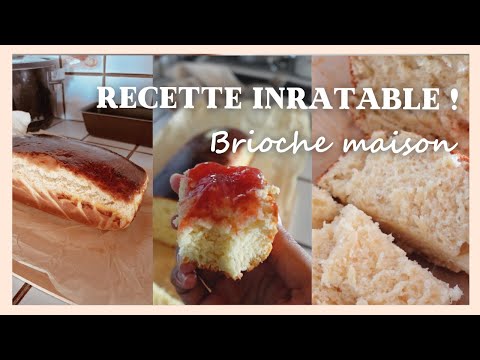
RECETTE INRATABLE | BRIOCHE MAISON | Pour les nuls en brioche, comme moi !
Eloë 🌸
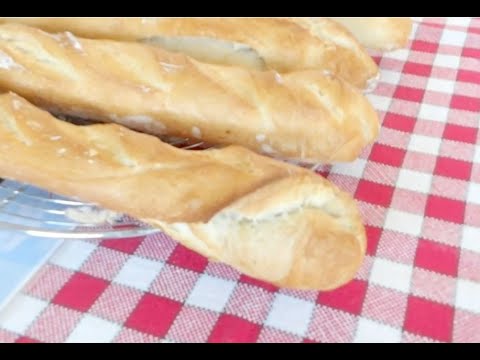
4 petites baguettes maisons à la main dans votre four
Jean Lépine
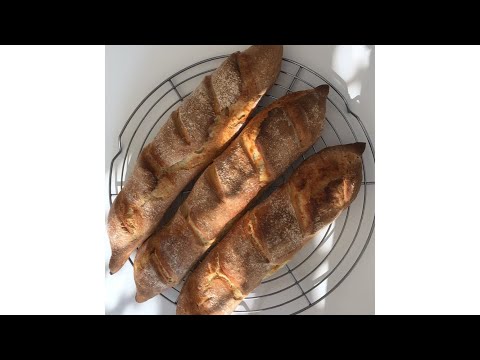
🥖Baguettes homemade croustillantes/mie aérée🥖
Selen Kaymaz
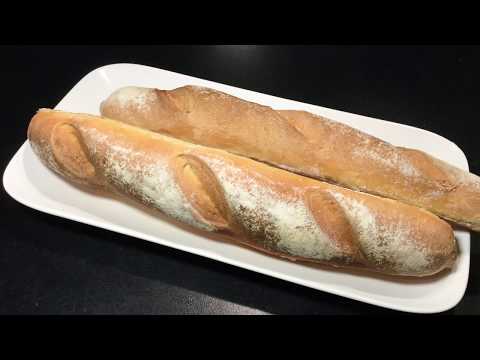
RECETTE FACILE LES BAGUETTES CROUSTILLANTES FAITE MAISON
Casa Bena Cuisine
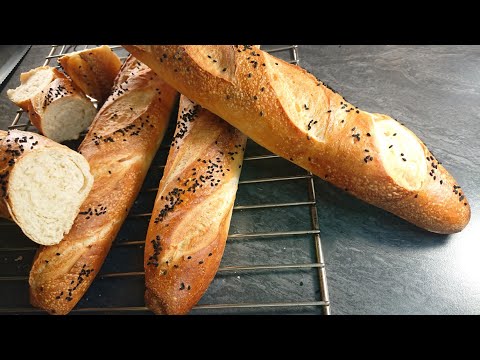
Baguettes fait maison
cuisine et régal
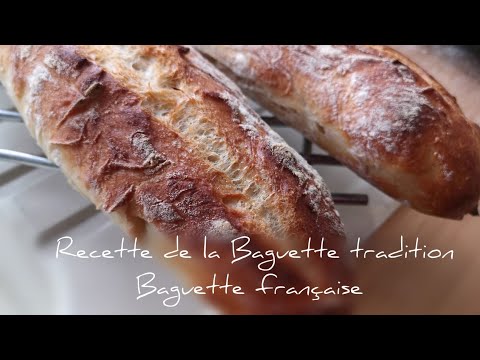
Recette de la tradition - la baguette comme à la boulangerie
Tziganette
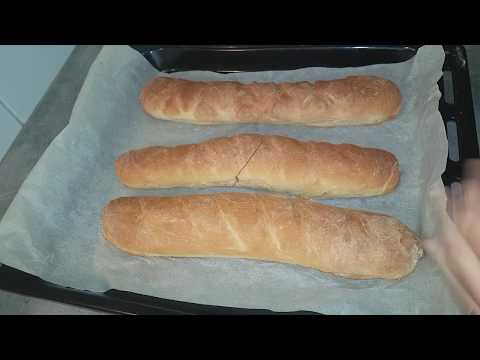
BAGUETTE TRES SIMPLE ET RAPIDE
Sabrina sabi

Baguette 1heure. 100%maison 100% rapide et facile.
Made'moizelle Cloé
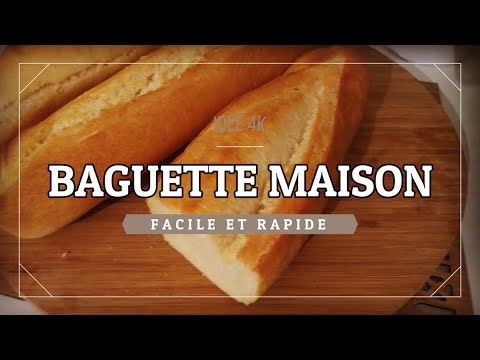
RECETTE BAGUETTE MAISON : LA MEILLEUR :)
Nora
Baguette express et INRATABLE
Marjosamira Cook
🥖 BAGUETTE MAISON SANS PÉTRISSAGE/ROBOT/MOULE 🥖 la recette express et inratable. Deli Cuisine
Deli Cuisine
Comment faire une baguette ?
VCE French - Pierrick Hubert

RECETTE ORIGINALE DES CROISSANTS MAISON, PAINS AU CHOCOLAT, CHOCOLATINES AU BEURRE, FACILE, ASTUCES
PAPA GÂTEAUX

Croissants simples
Recette Chef Latifa الشيف لطيفة