How to Make Gouda Cheese

Recipe Information
Gouda Cheese
Cultural Context
Gouda cheese originated in the Netherlands and is named after the city of Gouda. It has been a staple in Dutch cuisine for centuries, often enjoyed on bread or as part of a cheese platter. Today, Gouda is produced worldwide, with variations in aging and flavor, making it a beloved cheese in many cultures.
Heat 3 gallons of pasteurized unhomogenized whole milk to 86 degrees.
Add 1 cup of heavy cream to the milk.
Sprinkle 1/4 teaspoon of mesophilic culture on top of the milk and let it rest for 5 minutes.
Stir the culture into the milk using a top to bottom motion for 1 minute until mixed.
Cover the pot and let the curds acidify for 30 minutes.
Measure out 1/4 cup of non-chlorinated water twice.
Add 3/4 teaspoon of calcium chloride to the water and mix well.
Add the calcium chloride mixture to the milk and stir for 1 minute.
Add 3/4 teaspoon of rennet to another 1/4 cup of non-chlorinated water and mix well.
Add the rennet mixture to the milk and stir for 1 minute, then cover the pot and let it rest for 45 minutes.
Check the curd by inserting a curd knife into the center and pulling it back to see if whey seeps in; it should have a mushy custard consistency.
Cut the curd vertically and horizontally into half-inch cubes.
Let the curds rest for 5 minutes.
Heat 1 gallon of non-chlorinated water to 150 degrees.
Ladle off 4 cups of whey and replace it with the 150-degree water to bring the curds up to 92 degrees.
Stir the curds for 10 minutes, then let them rest and settle for 10 minutes.
Wash the curds by bringing the remaining whey down to the level of the curds and ensuring the water is 112 degrees.
Replace the whey with the heated water to get the curds to 98 degrees.
Stir continuously for 20 minutes until the curds are about the size of peanuts.
Let the curds rest for 5 minutes.
Drain the curd into a fine mesh colander or cheesecloth-lined colander.
Place the curds into a cheesecloth-lined mold (3-pound mold for 3 gallons of milk).
Wrap the cheese with cheesecloth and place followers on top.
Center it into the press and press at 20 pounds for 30 minutes.
Remove the cheese from the mold and redress it with another cheesecloth.
Place it back into the mold and press again at 30 pounds for 12 hours or overnight.
Place the cheese into an 18% saturated brine solution with a follower on top to keep it submerged.
Brine the cheese for 12 hours, flipping it at the 6-hour mark.
For best results, brine at cave temperatures of 50-55F (10-13C).
Once brining is complete, place the cheese on a drying rack to dry.
Dry at cave temperatures of 50-55F (10-13C) for 2-3 days or until dry to the touch, flipping every 12 hours.
Once dry, vacuum seal the cheese and store it in a cheese cave at 54 degrees for at least 6 weeks, flipping it once a week.
Equipment Needed
Allergens
More Gouda Cheese Videos
(11 videos)
Готовим твердый сыр (классический рецепт Гауда)
syrodelie.com-Сырдодыр

Making Gouda Cheese at Home (Homemade Baby Gouda Cheese)
Tony Needs Hobbies

How to Make Gouda Cheese at Home
Deep South Texas

How world-famous Gouda cheese is made in the Netherlands | Food Secrets Ep. 14
DW Food
How to Make Gouda Cheese From Scratch
Cheese From Scratch
Making Gouda Cheese (47)
Piet van Bedaf - ND Dairy Farmer
How To Make Raw Gouda Cheese | Delicious way to preserve milk
Dry Hollow Homestead
How to Make GOUDA Cheese: A Complete Guide
Four Seasons North - Biegel Family

Easy Step by Step Gouda, Plus a Farmers Cheese!
FANCY FARM ~Sweetness of Simplicity~

amul gouda cheese |dutch cheese |gouda cheese recipe |gouda cheese in hindi| 1 minute cheese recipe
Mintush's Review Nest
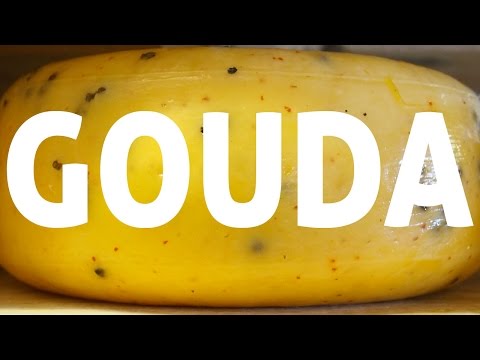
Making Gouda Cheese in PEI
Ayngelina
Similar unknown Videos
(24 videos)
Watch St Viateur Bagel's Owner Joe Morena Make Their Iconic Montreal-Style Bagels
Goldbelly

Nashville Hot Chicken Sandwich Recipe | Spicy Fried Chicken Burger | Cook With Faiza
COOK WITH FAIZA

🍫 Nanaimo Bar Recipe Storytime 🍫 / I almost ruined a famous actors' dinner 🤯😮
BONJOUR

Nanaimo Bars - MYVIRGINKITCHEN
Barry Lewis

Goose BURGER in the CANADIAN SNOW! | Catch, Clean, Cook CAVEMAN Food in the Wild
The Wooded Beardsman

"Pearl" Meatballs - Steamed Shrimp & Pork Meatballs with Sticky Rice
Miss Pikki

Pearl Meatballs, the Recipe That Will Have You Falling In Love, perfect for Chinese New Year | 珍珠丸子
ChineseHealthyCook

Kurumicooks Japanese cooking | How to make Perfect 10 Minute Tendon Sauce (for a Tempura Donburi)
kurumicooks - Japanese home cooking

How To Make Poutine | Poutine Potato Bite Appetizer | Grilled Appetizers
Baum Grillin’z

Best Ever Poutine
RussellCooks

I tried my take on POUTINE and it’s insanely good!
Sous Vide Everything

How to Make Le Cellier Steakhouse's Canadian Poutine
Remy's Apprentice

Making a Farmers Poutine ( Canadian Cuisine 🇨🇦 ) How to make Poutine Gravy /homemade Fries / Chips
Jerri-ellen Cooking With Neighbours

How to Make Potato Doughnuts
Julie Rob

Butter Masala Corn | Quick Butter Masala Corn Recipe | Delicious Corn Recipes | Homemade Masala Corn
a delicious bowl

Maple Roch BBQ Roast Chicken
Napoleon Products

Canadian Hot Chicken Sandwich (Québecois classic)
AlexLacasseMakesFood

Korean Cup Ramen aka. Instant Cup Noodle | Koreano Grande
Koreano Grande

Festival Jamaican Style
The Jamaican Cooking Journey
Homemade Bread - Newfoundland Recipe
Fire&Steel
ЗРОБИ свій власний японський майонез Kewpie Mayo ВДОМА!
Кorchma

Tourtiere | Julie Nolke
Tastemade

shark fin soup/shark fin soup recipe/chinese soup
Shangpaulo recipes

Make a Warm Lobster Roll at Home!
Tastefully Grace
Similar Recipes From Other Cuisines
(24 videos)
Mayonnaise Recipe | How to make Mayonnaise
Recipes by Carina
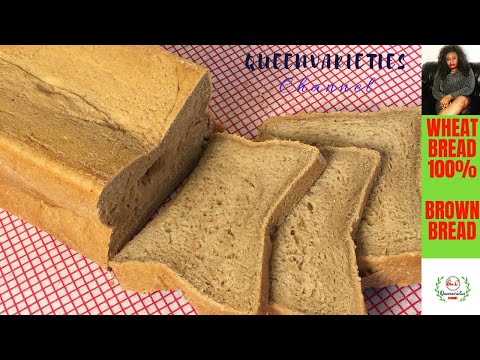
✅NIGERIAN WHOLE WHEAT BREAD RECIPE(100%)| NIGERIAN BROWN BREAD| NIGERIAN BREAD RECIPE
Queenvarieties Channel

7 Best Kids Lunch Box Recipes By Recipes Of The World
Recipes of the world

Avocado Toast
Cooking with Coit

recette Brioche maison facile
douja monde

Brioche extra moelleuse au Thermomix ® "recette facile"
Gourmandise et plaisir

Recette de Brioche maison moelleuse sans Robot !#brioche # brioche maison
Cooking by Nissou

La Brioche parfaite. Ma recette de brioche à la maison super facile pas à pas .
Boulangerie Pas à pas
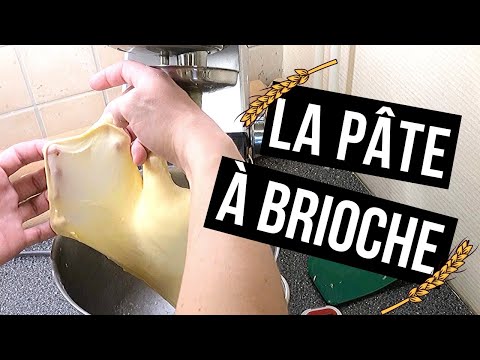
Boulangerie - La pâte à brioche
BaKnutt

RECETTE INRATABLE | BRIOCHE MAISON | Pour les nuls en brioche, comme moi !
Eloë 🌸

Simplement la recette de ma brioche maison Francine.
Choumchoumnass.🌹
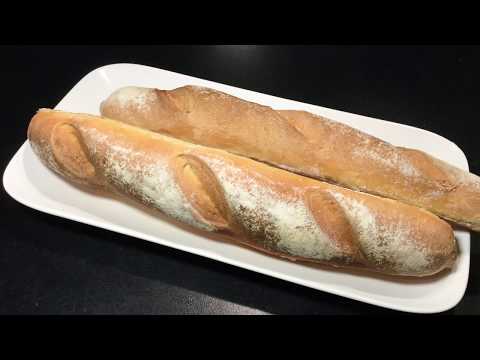
RECETTE FACILE LES BAGUETTES CROUSTILLANTES FAITE MAISON
Casa Bena Cuisine

Baguettes fait maison
cuisine et régal

4 petites baguettes maisons à la main dans votre four
Jean Lépine
🥖Baguettes homemade croustillantes/mie aérée🥖
Selen Kaymaz
BAGUETTE TRES SIMPLE ET RAPIDE
Sabrina sabi
Comment faire une baguette ?
VCE French - Pierrick Hubert

Recette de la tradition - la baguette comme à la boulangerie
Tziganette

Baguette 1heure. 100%maison 100% rapide et facile.
Made'moizelle Cloé
Baguette express et INRATABLE
Marjosamira Cook

RECETTE BAGUETTE MAISON : LA MEILLEUR :)
Nora
🥖 BAGUETTE MAISON SANS PÉTRISSAGE/ROBOT/MOULE 🥖 la recette express et inratable. Deli Cuisine
Deli Cuisine

Croissants simples
Recette Chef Latifa الشيف لطيفة

RECETTE ORIGINALE DES CROISSANTS MAISON, PAINS AU CHOCOLAT, CHOCOLATINES AU BEURRE, FACILE, ASTUCES
PAPA GÂTEAUX