Make Pastéis de Nata (Portuguese Egg Tarts) at home

Recipe Information
Macao Egg Tarts
Cultural Context
Macao Egg Tarts, influenced by Portuguese pastéis de nata, reflect the fusion of Chinese and Portuguese culinary traditions. These tarts are a beloved treat in Macao, often enjoyed with tea or coffee, symbolizing the region's rich history of cultural exchange. Today, they have gained popularity worldwide, with variations appearing in bakeries across Asia and beyond, showcasing their universal appeal.
heavy cream
🥗Healthier: Greek yogurt
💰Cheaper: milk + cornstarch
Greek yogurt reduces calories while maintaining creaminess
butter
🥗Healthier: coconut oil
💰Cheaper: margarine
Coconut oil offers a dairy-free option with similar texture.
sugar
🥗Healthier: honey
💰Cheaper: brown sugar
Honey provides natural sweetness and moisture.
vanilla extract
🥗Healthier: vanilla bean
💰Cheaper: imitation vanilla
Vanilla bean enhances flavor with natural essence.
In a bowl, combine 150 grams all-purpose flour, 1 tablespoon sugar, 1 teaspoon salt, and 30 grams cubed butter.
Using your fingers, rub the butter into the flour to form a coarse crumble.
Add 60 ml of water and mix to form a dough.
Knead the dough on a kitchen bench until it forms a cohesive ball, then set aside and cover to rest for half an hour.
Prepare the butter for laminating by measuring out 80 grams and placing it on a sheet of parchment paper.
Fold over one side of the parchment paper and use a small rolling pin to beat the butter gently to spread it out, then fold the other sides in to create a square roughly 10 cm (4 inches) on each side.
Roll out the butter block to fill the envelope evenly, ensuring it reaches the corners, then set aside.
After the dough has rested for at least 30 minutes, flatten it into a disc.
Place the dough disc in the middle of another piece of parchment paper and fold the sides over to form a slightly bigger envelope of about 7 inches square.
Flip the envelope over and roll the dough out to fill it.
Check that the butter square fits in the middle of the dough, then unwrap the dough and place the butter square in the center.
Fold the corners of the dough over the butter and pinch to seal.
Gently roll the dough out to about double its length, then fold it in thirds into a rectangle.
Wrap the dough in beeswax fabric and place it on a small tray to keep it flat, then put it in a plastic bag and leave it in the fridge for 30 minutes.
Take the parcel out and roll it out again, first wider then longer, and fold in thirds again, aiming for a more square shape.
Wrap the dough again and rest for another 30 minutes.
For the final roll, take the dough out and roll it out to about 3 mm thick, measuring approximately 24 cm (10 inches) wide and 36 cm (15 inches) long.
From the short edge, tightly roll the dough into a log.
Wrap the log in beeswax cloth and a plastic bag, then rest it for at least an hour or overnight.
To prepare the custard, add 1/3 cup sugar and 1/4 cup water to a pot and swirl to dissolve the sugar.
Add a couple of short cinnamon sticks and place on medium heat without stirring, allowing the sugar to dissolve naturally.
Once the sugar has dissolved, pour the syrup into a small bowl.
In the same pot, add 2 tablespoons flour and about 1/4 cup milk, stirring to mix the flour with the milk.
Continue to stir and add more milk to remove lumps, using a whisk if needed.
Preheat the oven to 250 degrees Celsius and place the rack on the top third.
Beat 3 egg yolks and add 2 tablespoons of hot milk to temper them.
While whisking, add the sugar syrup into the hot milk and then gradually add the tempered egg yolks.
Cook the custard until it slightly thickens, then strain it into a jug with a pouring spout, covering with parchment paper to prevent a skin from forming.
Grease a regular muffin tin lightly with olive oil and brush each cavity evenly.
Take the dough log out of the fridge and cut it into 12 equal portions, ensuring the layers of butter are visible in the cut.
Place a piece of the log cut side down in each muffin tin cavity and press the dough to spread it out to cover the bottom and sides.
Fill each tart case with the custard.
Bake in the preheated oven until the custard starts bubbling, then switch the oven setting to grill to create a charred look on top of the tarts.
Cool the tarts slightly in the tin before transferring them to a wire rack.
Check that the pastry is crispy by turning it over to see the swirls at the bottom.
Cooking Techniques
Equipment Needed
Spice Level:
🌶️🌶️🌶️Dietary
Allergens
Also Known As
More Macao Egg Tarts Videos
(8 videos)
Portuguese egg custard tarts Pastéis de Nata @HYSapientia
Backyard Chef

Pastel De Nata Recipe | How to Make Portuguese Egg Tarts (Pasteis de Nata)
Whipped

Pastéis de Nata | Portuguese Custard Tarts|
Cooking Around The World
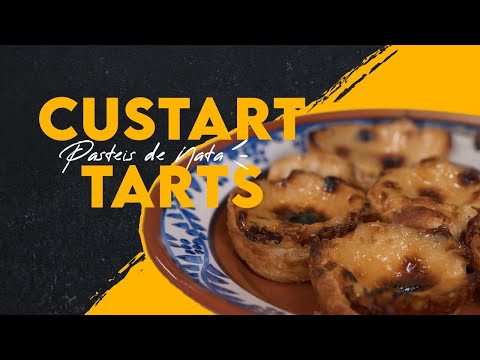
How to Make Portuguese Custard Tarts (Pastéis de Nata)
Fabs Kitchen - Portuguese food recipes
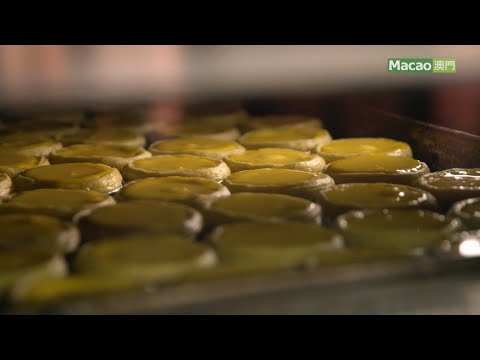
Sift through history to appreciate Macao’s famous egg tarts
Macao magazine
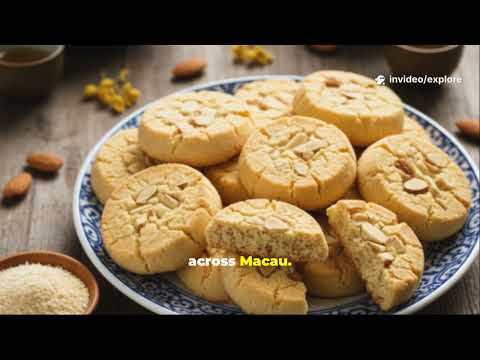
Must-Try Foods in Macau, China | Authentic Macanese Cuisine & Where to Eat Them
Know Your Destination Food

The BEST Pastéis de Nata in Lisbon: The Story of Pastéis de Belém
Time To Dessert

Tasting 10 Delicious Portuguese Pastries! | Our Honest Opinions
Pearls of Portugal
Similar Macanese Videos
(24 videos)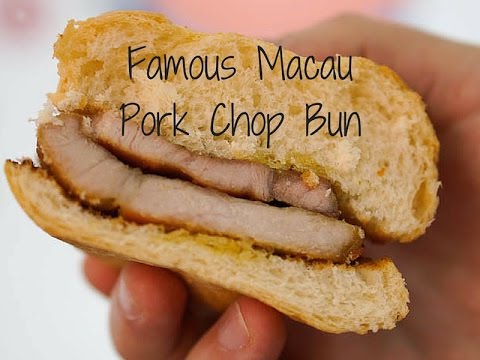
Macau Pork Chop Bun Tai Lei Loi Kei
Travel Europe 50+

Binging with Babish: Egg Tarts from Avatar The Last Airbender
Binging with Babish
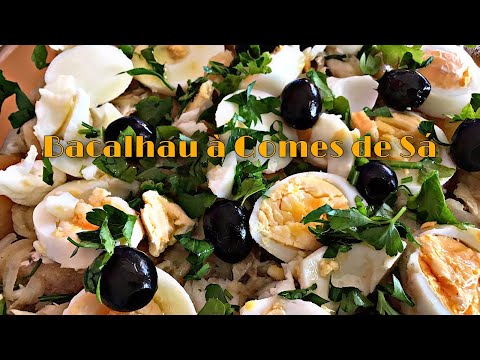
Bacalhau à Gomes de Sá
Ace Puadah
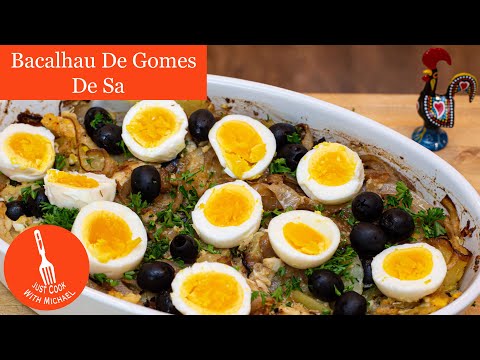
Authentic Bacalhau a Gomes De Sa Recipe (Salt cod casserole)
Just Cook With Michael Santos
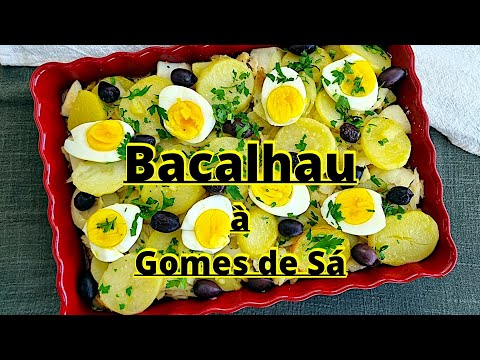
Como Fazer BACALHAU à GOMES de SÁ: Receita Fácil e Perfeita!
Receitas do Victor: De Tudo Um Pouco
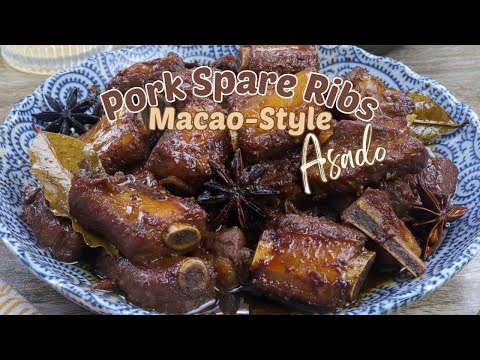
Macao-style Asado Pork Spare Ribs | Sweet and Savory
Kawaling Pinoy
MOCA COOKS: Chocolate-Hazelnut Macau-Style Cookies with Kristina Cho
Museum of Chinese in America

Anthony Bourdain's Macau-Style Pork Chop Sandwich
Eat the Bite
Macau Pork Chop Buns
Chef Rose of Caro and Marie, Cebu

Macau Pork Chop Bun (豬扒包): How to Make
EasyPortRecipes

Macanese Golden Codfish Stew | Everyday Gourmet S9 EP88
everydaygourmettv
The Macanese Table: Minchi
MYMacao TV
澳門土生菜 - 薯蓉青菜湯 | Macanese Caldo Verde | マカオ風カルドヴェルデ
Erin / Chá Gordo
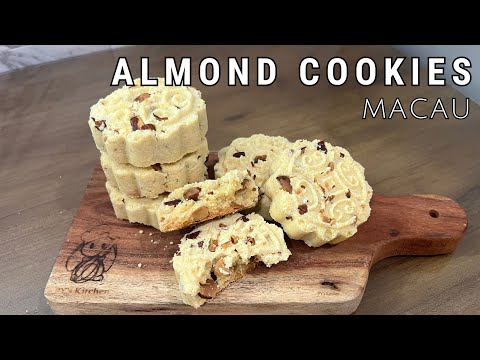
Almond Macau Cookies Recipe | 澳門杏仁餅
PY's Kitchen

Macau Style Almond Cookies - Eggless and Gluten Free Recipe (Revised) 2024
Shiokman Eddie
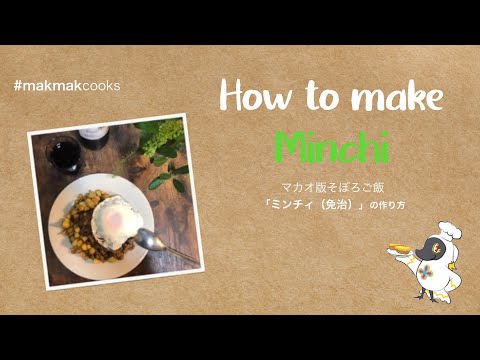
【レシピ動画】マカオ家庭料理の代表選手「ミンチィ」
マカオ政府観光局【公式】

The misnamed Macanese meatloaf
Taste Buds
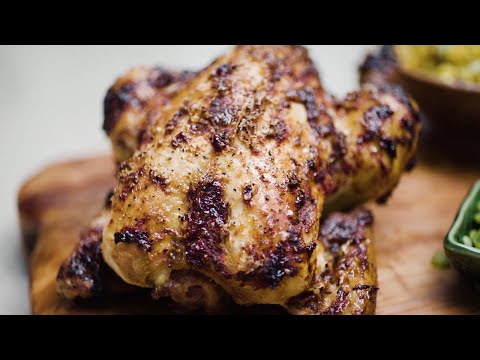
Macanese African Chicken with Moorish Rice | Ching's Taste of Macao
Ching-He Huang

Crab congee recipe
Flying Chopsticks (Chinese Cooking)
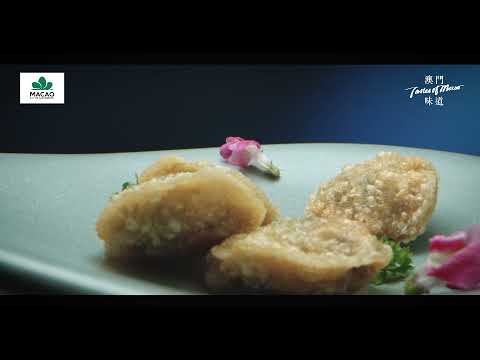
EP04: Macanese Cuisine “Nostalgic Crispy Crab Box” (Chef Sou Wai Leong)
Macao Government Tourism Office

Macau Pork Chop Bun (猪扒包)
Chinese Cooking Demystified

Macau Pork Chop Bun
The Wanderers

FAMILY ASIA TRIP 2025: Macau! | Giant Panda Pavilion, Lord Stow's Egg Tarts, Macanese Food, Popmart
Christine Wong

Trevor's Macanese-Portuguese Chicken Curry
Quell
Similar Desserts From Other Cuisines
(24 videos)
6 Crazy Easy NO-BAKE Desserts with Just 3 Ingredients (So Fun & Delicious!) | Summer Recipes
Patterson Family Home
Recipe: Summer Berry Terrine (CLOVER)
ExpressoRecipes
Apple Fritter Doughnuts
Laura in the Kitchen
Peanut Butter Cookies
Omar Tellow

Pineapple Upside Down Cake | New Year Party Recipe | By Ashley Derick MacDonald | For Cuisine Canvas
Cuisine Canvas

German Desserts - 9 Delicious German Desserts That You Need To Try!
German Recipes by All Tastes German

Boston Cream Pie
Preppy Kitchen

Tiramisu
Preppy Kitchen
Professional Baker Teaches You How To Make CHOCOLATE CHIP COOKIES!
Oh Yum with Anna Olson
10 Recipes To Sweeten The Holiday Season
Scrumdiddlyumptious

Peach Cobbler
Preppy Kitchen

5 Classic American Desserts You Must Try at Home! 🇺🇸🍰 #delicious_delights #dessert
Delicious Delights
Recette culte : Riz au lait de l'Ami Jean - 750g
750g
Riz au lait - saveur d’enfance - au lait végétal -
Mimagusta
RECETTE RIZ AU LAIT
Saad Fedda

#1àZ : MON RIZ AU LAIT
Xavier Pincemin
~RIZ AU LAIT vanille ~ dessert allégé en sucre inratable |Recettes & diététique
Recettes & Diététique
Recette Riz au lait Gastronomique
Allez on cuisine
{Recette Omnicuiseur} Riz au lait
Le Pays des Gourmandises
Riz au lait au Cookeo
Lili Cuisine

BEIGNETS FRITS Recette facile - Fait maison
kado cuisine
Gâteau au yaourt - 10 leçons pour le réussir
Julie Andrieu - Chaîne officielle
Gâteau au yaourt en 1 minute . Bon et moelleux. Recette facile et rapide
Les délices de Maha
Mousse à la pêche par Pierre-Dominique Cécillon pour Larousse Cuisine
LarousseCuisine