Stop Buying Sauerkraut! It's So Easy to Make at Home

Recipes in this Video
Sauerkraut has its roots in Germany, where it has been a staple since the 16th century, originally used as a way to preserve cabbage through fermentation. This tangy dish is not only a beloved side for sausages and meats but also a symbol of German culinary tradition. Today, sauerkraut is enjoyed worldwide, often featured in various cuisines, from Polish bigos to American hot dogs, showcasing its versatility and enduring appeal.
Ingredients
- ●cabbage
- ●salt
- ●caraway seeds
- ●juniper berries
- ●garlic
- ●onion
- ●bay leaves
- ●peppercorns
Instructions
- 1Shred the cabbage finely using a knife or mandoline.
- 2Combine shredded cabbage with salt in a large bowl.
- 3Massage the cabbage and salt together until the cabbage releases its juices.
- 4Add caraway seeds, juniper berries, garlic, onion, bay leaves, and peppercorns to the mixture.
- 5Pack the cabbage mixture tightly into a fermentation vessel, pressing down to submerge it in its juices.
- 6Cover the vessel with a cloth or lid, allowing air to escape while keeping contaminants out.
- 7Leave the vessel at room temperature for 1-4 weeks, checking daily for bubbles and flavor.
- 8Taste the sauerkraut after a week and continue fermenting until desired tanginess is achieved.
- 9Once fermented, transfer the sauerkraut to jars and refrigerate to slow fermentation.
- 10Use within a few months for best flavor.
Ingredient Alternatives
cabbage
Healthier: savoy cabbage
Cheaper: green cabbage
Savoy cabbage is more tender and flavorful, while green cabbage is often less expensive.
salt
Healthier: sea salt
Cheaper: table salt
Sea salt can enhance flavor with less sodium.
caraway seeds
Healthier: fennel seeds
Cheaper: anise seeds
Fennel seeds provide a similar flavor profile.
juniper berries
Healthier: thyme
Cheaper: dried rosemary
Thyme adds an earthy flavor without the need for berries.
Techniques
Equipment
Also Known As
Kimchi is a traditional Korean side dish made from fermented vegetables, primarily napa cabbage and Korean radish. It is a staple in Korean cuisine, often served with meals and known for its bold flavors and health benefits. The fermentation process not only enhances the taste but also preserves the vegetables, making kimchi a versatile dish that can be enjoyed year-round. Its origins date back centuries, with various regional variations reflecting local ingredients and preferences.
Ingredients
- ●napa cabbage
- ●Korean radish
- ●salt
- ●garlic
- ●ginger
- ●Korean red pepper flakes
- ●fish sauce
- ●scallions
Instructions
- 1Cut the napa cabbage into quarters and remove the core.
- 2Sprinkle salt between the leaves and let it sit for a few hours to wilt.
- 3Rinse the cabbage thoroughly to remove excess salt.
- 4In a bowl, mix garlic, ginger, Korean red pepper flakes, and fish sauce to create the paste.
- 5Add the chopped scallions and Korean radish to the paste and mix well.
- 6Combine the paste with the cabbage and ensure it's evenly coated.
- 7Pack the mixture tightly into a jar, leaving some space at the top.
- 8Seal the jar and let it ferment at room temperature for a few days before refrigerating.
Ingredient Alternatives
napa cabbage
Healthier: savoy cabbage
Cheaper: green cabbage
Savoy cabbage is more nutritious, while green cabbage is often less expensive.
fish sauce
Cheaper: soy sauce
Soy sauce is a budget-friendly alternative for a vegetarian option.
Equipment
Also Known As
Ingredients
- ●4 cups cucumbers (small, pickling variety)
- ●4 cups water
- ●1/4 cup sea salt
- ●4 cloves garlic (peeled)
- ●2 tablespoons dill seeds
- ●1 tablespoon mustard seeds
- ●1 teaspoon black peppercorns
- ●1 teaspoon red pepper flakes (optional)
- ●1 bay leaf
Instructions
- 1Wash the cucumbers thoroughly and trim the ends.
- 2In a large bowl, dissolve the sea salt in the water to create a brine.
- 3In a clean glass jar, layer the cucumbers, garlic, dill seeds, mustard seeds, black peppercorns, red pepper flakes, and bay leaf.
- 4Pour the brine over the cucumbers, ensuring they are fully submerged.
- 5Seal the jar with a lid, but do not tighten it completely to allow gases to escape during fermentation.
- 6Leave the jar at room temperature for 5-7 days, checking daily to ensure the cucumbers remain submerged in the brine.
- 7After 5-7 days, taste the pickles. If they are fermented to your liking, transfer them to the refrigerator to slow down the fermentation process.
Equipment
More Sour Kraut Videos
(19 videos)
Homemade Sauerkraut - How to Make
Stephanie Manley

The Easiest Fermentation Recipe: Sauerkraut
Johnny Kyunghwo

How to Make SAUERKRAUT at Home | Easy Homemade Sauerkraut Recipe
The Cozy Cookhouse

How To Make Sauerkraut - Homemade Sauerkraut - Sauerkraut Recipe - Cabbage Probiotic Recipe
Skinny Recipes
How To Make Sauerkraut at Home 🥬
Tasty Thrifty Timely

How to Make Sauerkraut in a Crock
Forager Chef
How to Make Homemade Sauerkraut | Only 2 ingredients needed!
Wyse Guide

Sauerkraut Recipe for Beginners: Reduce Food Waste | Sustainable Eats with America’s Test Kitchen
Museum of Science

How to Make Sauerkraut At Home | On The Road with Bryan Roof
America's Test Kitchen

HOW TO MAKE SAUERKRAUT , TRADITIONAL ESTONIAN RECIPE (Cooking with Tammo)
inspireality

How To Make The Easiest Homemade Sauerkraut
Joshua Weissman

How to Make Sauerkraut
Gardener Scott
This Is THE BEST Sauerkraut Recipe Perfect For Beginners
Logan's Inner Chef
Sauerkraut Simple Beginners Recipe
Make Sushi 1
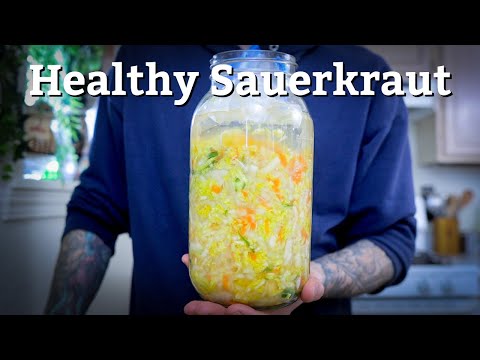
EASY Sauerkraut Recipe...With A Kick | PERFECT Probiotic Rich Food For Good Health, Meal Prep Ready
Logan's Inner Chef

How Much Salt for Sauerkraut? Is 2% Really Required for Safety?
Preserving Today
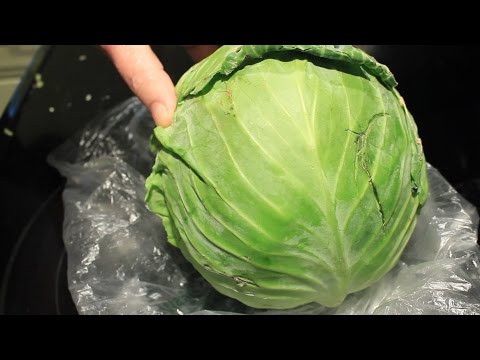
How to make Sour Kraut - Home made deliciousness- oh yea.. :)
OldManCooking

AnswerLine: Fermenting - How to Make Sauerkraut
Health and Human Sciences Extension and Outreach

Fall Meal Ideas ~ Favorite Fall Dishes ~ Simple Food Ideas ~ Cook with Me
White Cottage Company
Similar German Videos
(24 videos)
Batch Prepped SLOW COOKER RECIPES for an easier week
moon + magnolia

Honey Mustard Chicken Recipe
Jen Cooking
Steamed Zucchini - Bravo Charlie's Episode 23
Charlie Moore

How to make MACARONI SALAD by Kelly Henry #macaronisalad #pastarecipes #veggierecipes
Kelly's Kuisine

Dorito Taco Salad -- Throwback Video Series
Southern Country Living

Sausage Hash Brown Breakfast Casserole
Smokin' & Grillin with AB

Apple Fritter Doughnuts
Laura in the Kitchen

Crab Bisque
Dirty Spoons
Apple Cranberry Pecan Salad
Arabesque Media

Peanut Butter Cookies
Omar Tellow

Pineapple Upside Down Cake | New Year Party Recipe | By Ashley Derick MacDonald | For Cuisine Canvas
Cuisine Canvas

Tuna Noodle Casserole - Food Wishes
Food Wishes

Boston Cream Pie
Preppy Kitchen

German Desserts - 9 Delicious German Desserts That You Need To Try!
German Recipes by All Tastes German

Southern Fried Chicken
Smokin' & Grillin with AB

Professional Baker Teaches You How To Make CHOCOLATE CHIP COOKIES!
Oh Yum with Anna Olson

Smoked Shotgun Shells
Meat Church BBQ

Broccoli Cheese Soup
Preppy Kitchen

Broccoli Cheese Soup
Preppy Kitchen

10 Recipes To Sweeten The Holiday Season
Scrumdiddlyumptious

Potato Salad
J. Kenji López-Alt

Peach Cobbler
Preppy Kitchen

5 Classic American Desserts You Must Try at Home! 🇺🇸🍰 #delicious_delights #dessert
Delicious Delights

7 Best Kids Lunch Box Recipes By Recipes Of The World
Recipes of the world
Similar Recipes From Other Cuisines
(20 videos)
Cabbage Salad (I weighed my ingredients and…)
Helen Rennie

Top Traditional Salvadoran Food | Salvadoran Cuisine
Travel & Taste

🌟 GRATIN de courgettes - BÉCHAMEL facile et rapide SANS GLUTEN (variante sans lactose)🌟
Ludylice
MON GRATIN DE COURGETTES, un excellent plat d'été Mère Mitraille - Gourmandises TV
Gourmandises TV - PARIS 🇫🇷 - Cuisine

Recette de l'Aveyron : Aligot
TourismeAveyron

L'aligot, avec les secrets du Chef Philippe Etchebest
Quitoque

Aligot: Le Plat Réconfortant Parfait 🧀🥔 | Recette Facile
Julien Cadeau

L’aligot par Guy Demarle
Guy Demarle
L'Aligot très facile à faire et savoureux #aligot
Oum Arwa
Le gratin dauphinois de Recette Roulette
La classe de Fabienne
Un vrai gratin dauphinois🥔🥔🥔
Gasyaflo “Gasyaflo”

GRATIN DAUPHINOIS - La meilleure façon de le réussir - Simple et Rapide
Cuisinez Rapide

Gratin dauphinois simplissime - CuisineAZ
CuisineAZ.com
Gratin dauphinois (La recette facile)
lesplaisirsdelabouche. com

GRATIN DAUPHINOIS TENDRE ET RAPIDE
IKR Cook

GRATIN DAUPHINOIS (SANS FROMAGE BIEN SÛR ) !!!
Dziri Fi Tokyo

Comment réaliser un gratin dauphinois ? #pommedeterre #cooking #cuisinefrançaise #cuisine
Chef Jo

GRATIN DAUPHINOIS | MARMITON
Marmiton

Recette du véritable gratin dauphinois
Gratin Dauphinois

DÉGUSTATION D'UN GRATIN DAUPHINOIS XXL POUR 10 PERSONNES!! (+ Recette Super Facile)
Le Goinfre