Lamination: The Secret to Croissant Layers
Recipe Information
Croissant
Cultural Context
The croissant, a symbol of French pastry, is believed to have originated from the Austrian kipferl. It became popular in France during the 19th century, often enjoyed at breakfast or as a snack. Its flaky, buttery layers are achieved through a process known as lamination, where dough and butter are folded and rolled multiple times. Today, croissants are enjoyed worldwide, with variations including chocolate-filled and almond versions, showcasing their versatility and global appeal.
Quantities are estimated based on standard recipes for your convenience. The actual ingredients used in this video are accurate.
unsalted butter
🥗Healthier: margarine
💰Cheaper: vegetable shortening
Margarine reduces saturated fat, while shortening is often less expensive.
all-purpose flour
🥗Healthier: whole wheat flour
💰Cheaper: bread flour
Whole wheat adds fiber, while bread flour can enhance texture.
Measure 12 millimeters of butter for lamination.
Condition the butter by rolling or beating until soft and pliable.
Roll the butter down to 4 millimeters thick.
Prepare the pastry dough that has been resting in the fridge for 24 hours.
Place the butter in the middle of the pastry.
Cut the pastry on either side of the butter and fold the cut portions over the butter.
Dimple the edges of the pastry to secure the butter.
Roll the pastry with the cut side going into the machine.
Roll the pastry down to around 10 millimeters thick.
Perform an offset book fold: fold one end three quarters up and the other end three quarters down, then fold in half again.
Give the pastry a 90-degree turn and roll out from the open ends.
Roll out for the second roll, down to 10 millimeters thick, without an offset fold.
Trim one edge straight and fold it up halfway, placing scraps inside to create a straight line.
Fold the right-hand side over to meet edge to edge and roll it back into the fridge for a 20-minute rest.
Cover the dough to prevent skin formation during resting.
Perform a final single fold, rolling down to 10 millimeters thick.
Trim one edge straight, place scraps inside, and fold over the top.
Put the dough back into the fridge for a 30-minute rest to relax the gluten.
Roll out the dough for final shaping, focusing on length through the open ends.
Roll to around 5 millimeters thick for standard croissants.
Cooking Techniques
Equipment Needed
Spice Level:
🌶️🌶️🌶️Allergens
Also Known As
More Croissant Videos
(24 videos)
🥐 Croissant 🥐Thermomix faits maison facile! 👍- Préparation pâte feuilletée pliage portefeuille Tuto
Antoine Minart
croissant maison #pourtoi #recette #cuisine #recettefacile #recetterapide #recipes #fyp #pourtoi
didit

The best croissant recipe from Bread Ahead | Condé Nast Traveller
Condé Nast Traveller

CROISSANT Recipe | Hand Laminated Croissant
Yeast Mode

CROISSANT Recipe / Flaky & Crisp Butter Croissant
Yeast Mode

Takin’ a Bite - Ottawa - Art Is In Bakery - The Perfect Croissant
Mat Beausoleil

The Keys to a Perfect Croissant, with Chef Dominique Ansel - Part 1: The Flour
Dominique Ansel Bakery
BEST CROISSANT RECIPE EVER. Behind every flaky layer , a Baker’s journey still unfolding.
Mack Lim

How to make Croissant Homemade
Italian Cakes
How to make Croissant at home fully by hand, no machine required!
CHEF ROMAIN AVRIL

The Easiest way to make CROISSANT! Crispy, flaky homemade Croissants - cheap and easy recipe
NA Cookbook

Croissant Masterclass with Scott Megee
The Artisan Crust

The Ultimate Croissant Making Tutorial | Croissant Series Episode 1
Baking Nicky
How to make proper croissants completely by hand | The most difficult pastry #croissant Recipe
Saira Saad
My Hand Laminated Croissant Technique
Rise Baking Lab - Elevate Your Baking

Croissant Critical Success factors | Laminated Dough & Pastry Tips
No Bs Baking
Hand Lamination Technique - Croissant Recipe
Rise Baking Lab - Elevate Your Baking

croissant recipe | homemade croissants recipe | how to make croissants | Mummy's Magic
mummy's magic

No Refrigerator No Folding croissant Recipe | Fast Easy No Fail 100℅ Flaky |
Yummy tasty easy

Homemade Croissant (PUFF PASTRY) | Crispy & Fluffy Croissants in 30 min. Recipe by Always Yummy!
Always Yummy!

Croissant (Puff Pastry Croissant) Recipe
Aashpazi.com

Homemade Croissant Recipe
In the Everyday Kitchen

Easier than croissant! An unbeatable recipe from French bakers
A COOKING BOOK

Croissant - Recetas Buitoni
Nestlé Cocina España
Similar French Videos
(24 videos)
Mayonnaise Recipe | How to make Mayonnaise
Recipes by Carina
Recipe: Summer Berry Terrine (CLOVER)
ExpressoRecipes
Gâteau au yaourt en 1 minute . Bon et moelleux. Recette facile et rapide
Les délices de Maha

BEIGNETS FRITS Recette facile - Fait maison
kado cuisine
Gâteau au yaourt - 10 leçons pour le réussir
Julie Andrieu - Chaîne officielle
Recette de Pain Perdu / French toast - English subtitles - 750g
750g
Ne jetez plus le pain sec – Pain perdu – French toast
Ema Cook and Bake
![[Recette] - Pain perdu (French toast) - Banane Chocolat - Sans balance](https://img.youtube.com/vi/NwOJPNwr9tg/hqdefault.jpg)
[Recette] - Pain perdu (French toast) - Banane Chocolat - Sans balance
La cuisine de Clément

Idée de poulet rôti pour la fête
Mounira recette
L'Aligot très facile à faire et savoureux #aligot
Oum Arwa
L'aligot, avec les secrets du Chef Philippe Etchebest
Quitoque

Aligot: Le Plat Réconfortant Parfait 🧀🥔 | Recette Facile
Julien Cadeau
L’aligot par Guy Demarle
Guy Demarle
Recette de l'Aveyron : Aligot
TourismeAveyron

Tartiflette 🚠 | Lidl Cuisine
Lidl Cuisine

The Tartiflette by Thermomix
Les ateliers de Thermoninie
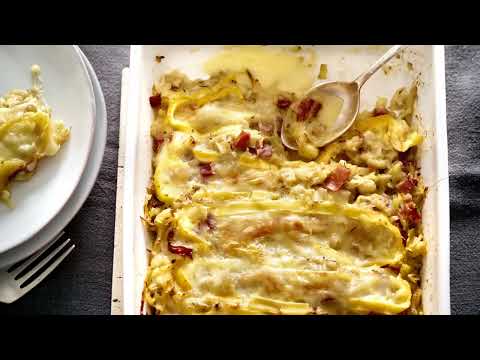
Tartiflette de Cyril Lignac | Recette gourmande
Recettes Cooking
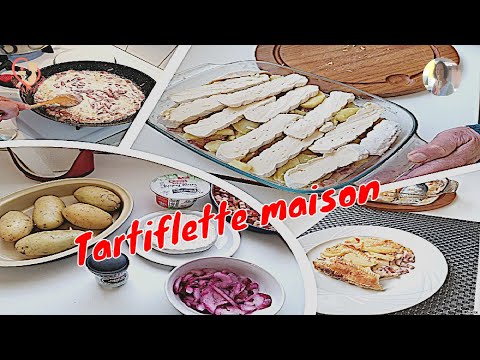
Tartiflette Maison - Recette Simplissime
Edith et sa cuisine
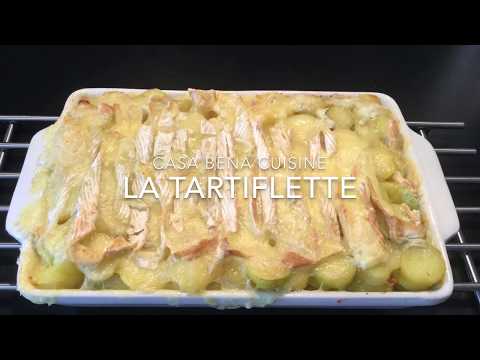
LA TARTIFLETTE
Casa Bena Cuisine

Recette Tartiflette #Thermomix #MonsieurCuisineConnect
Amel “Madame Monsieur Cuisine” MMC

Tartiflette facile
Chocmiel
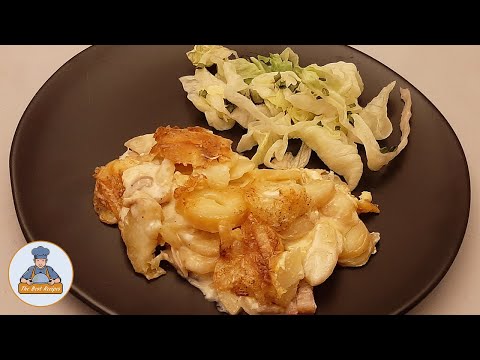
Comment faire une vraie tartiflette ? La meilleure recette !
The Best Recipes
Tartiflette à ma façon recette cookeo
SPORT ET VIE PRATIQUE

Vlog du 16 avril 2018 : Ménage et recette tartiflette !!!
sandra, maman et tellement plus !
Similar Recipes From Other Cuisines
(24 videos)
✅NIGERIAN WHOLE WHEAT BREAD RECIPE(100%)| NIGERIAN BROWN BREAD| NIGERIAN BREAD RECIPE
Queenvarieties Channel

7 Best Kids Lunch Box Recipes By Recipes Of The World
Recipes of the world

Avocado Toast
Cooking with Coit
Cómo PREPARAR el mejor CHIMICHURRI casero en minutos ¡Sorprende a todos con tu sazón!
Esto está Canijo
Salsa Yucateca - Cebolla y Habanero - Picosita!!
Mi Cocina Rápida - Karen

Mermelada de melocotón
Las Recetas De Mi Madre

CÓMO HACER SALSA VERDE
Alito Al Sazón

Salsa Verde en Molcajete
Super Ama de Casa

Como preparar el Hogao Colombiano
Mi Pueblito Restaurant

SALSA CHIMICHURRI la original - receta en español, molho chimichurri subtitulos em português
Temperos e Sabores

PAN para HAMBURGUESA casero
Anna recetasfaciles
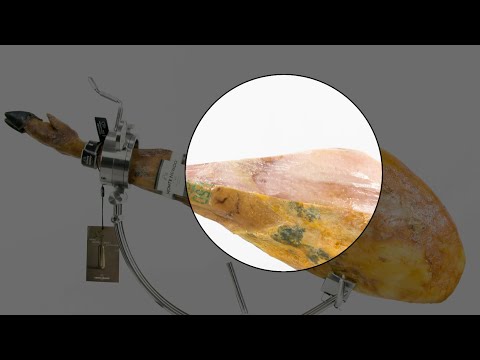
Cómo cortar jamón a cuchillo, con Raquel Acosta
Monte Nevado
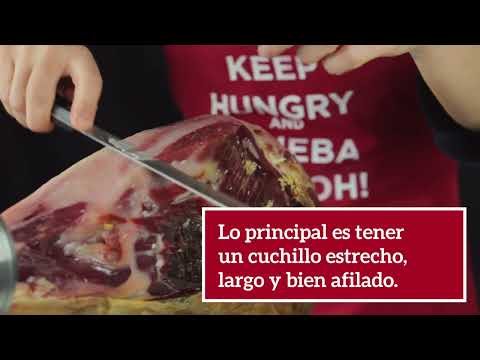
Cómo cortar Jamón Ibérico
Cerdoh! ibéricos
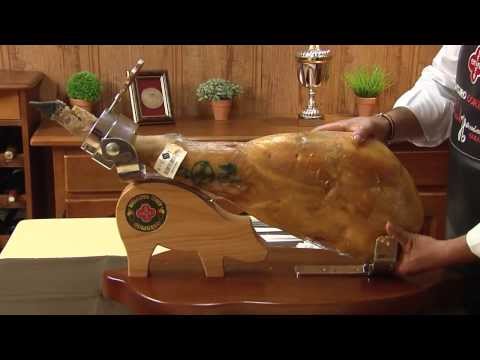
(ES) Cómo cortar jamón Ibérico
Jamón BEHER
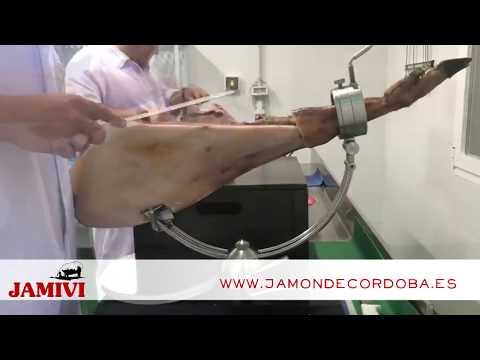
Cómo cortar jamón ibérico en 59 segundos
Jamones Ibéricos JAMIVI

Cómo hacer PAN salvadoreño receta para principiantes
fusion comida salvadoreña

서울 동대문구 이문동으로 새로운 사무실 이전하고 첫번째 소스, 잡채소스 ! 잡채 양념은 이렇게 하세요!
요리는 레시피다

유명한참치김치찌개전문점황금레시피공개|일반김치에서묵은지김치로만드는비법|요즘식구들이이것만 끓여달래요~Tuna Kimchi Jjigae
도터키친daughter kitchen
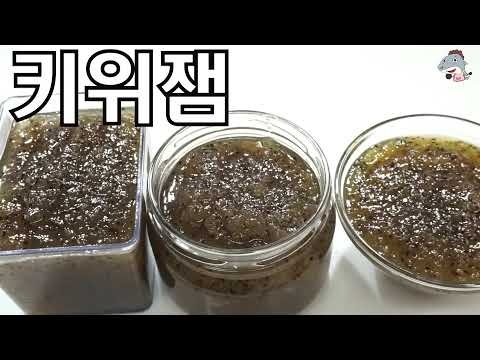
#키위잼 새콤달콤한 키위쨈 만들기
상어이모
![[3분 요약] 오이피클 맛있게 만드는법 ! 누구나 쉽게 가정에서 훌륭한 오이 피클을 만들 수 있습니다. 반찬, 안주 or 피자, 치킨과 함께 드세요. Cucumber Pickle.](https://img.youtube.com/vi/6JizjGxBsGk/hqdefault.jpg)
[3분 요약] 오이피클 맛있게 만드는법 ! 누구나 쉽게 가정에서 훌륭한 오이 피클을 만들 수 있습니다. 반찬, 안주 or 피자, 치킨과 함께 드세요. Cucumber Pickle.
백길월의 한식요리

大阪市北区洋食屋の本格タルタルソース
杉本家の晩ごはん

うちの郷土料理~次世代に伝えたい大切な味~ 北海道「ニシン漬け」レシピムービー
maffchannel

【日本の屋台料理】はしでお好み焼きをグルグルで食べる はしまき
日本食文化ガイド

【玉ねぎ】キャベツの味噌汁【作り方】
まいにち3品レシピ