6 Recipes of Daikon Radish!(Japanese white radish)Oden,Kinpira,Namasu,Miso soup etc...大根の6個のレシピ

Recipes in this Video
Oden is a traditional Japanese winter dish, originating from street food stalls and home kitchens. It features a variety of ingredients simmered in a flavorful broth, symbolizing warmth and comfort during colder months. In Japan, it is often enjoyed in communal settings, with families gathering around a pot. Today, oden has found its way into convenience stores and restaurants, with regional variations emerging across the country.
Ingredients
- ●dashi broth
- ●daikon radish
- ●konjac
- ●tofu
- ●fish cakes
- ●boiled eggs
- ●shiitake mushrooms
- ●green onions
Instructions
- 1Prepare dashi broth by simmering kombu and bonito flakes in water until flavorful, about 10 minutes.
- 2Strain the broth to remove solids and return the liquid to the pot.
- 3Peel and cut daikon radish into thick slices, then add to the broth.
- 4Simmer the daikon until tender, about 20 minutes.
- 5Add konjac and fish cakes to the pot and simmer for another 10 minutes.
- 6In a separate pot, boil eggs until hard-cooked, about 8-10 minutes; peel and set aside.
- 7Add boiled eggs and tofu to the simmering broth, cooking for an additional 5 minutes.
- 8Slice shiitake mushrooms and add to the pot, cooking until tender, about 3-5 minutes.
- 9Chop green onions and sprinkle over the dish before serving.
- 10Serve hot, allowing each person to choose their preferred ingredients.
Ingredient Alternatives
dashi broth
Healthier: vegetable broth
Cheaper: water + soy sauce
Vegetable broth provides a lighter option while maintaining flavor.
fish cakes
Healthier: homemade fish patties
Cheaper: tofu
Tofu is a budget-friendly protein alternative.
daikon radish
Healthier: carrots
Cheaper: turnips
Carrots and turnips are more accessible and still add sweetness.
konjac
Healthier: shirataki noodles
Cheaper: zucchini
Zucchini can mimic the texture and is easier to find.
Techniques
Equipment
Also Known As
Namasu is a traditional Japanese dish often served during New Year celebrations, symbolizing good fortune and health. This refreshing salad highlights the crispness of daikon radish and carrot, pickled in a sweet and tangy vinegar dressing. While it remains a staple in Japanese cuisine, variations can be found globally, adapting to local ingredients and tastes.
Ingredients
- ●daikon radish
- ●carrot
- ●rice vinegar
- ●sugar
- ●salt
- ●soy sauce
- ●sesame seeds
- ●kombu
Instructions
- 1Peel and julienne the daikon radish and carrot into thin strips.
- 2Sprinkle salt over the vegetables and let them sit for 10 minutes to draw out moisture.
- 3Rinse the salted vegetables under cold water and drain well.
- 4In a bowl, mix rice vinegar, sugar, and soy sauce until the sugar dissolves.
- 5Add the drained vegetables to the vinegar mixture and toss to combine.
- 6Let the mixture marinate for at least 30 minutes in the refrigerator.
- 7Serve chilled, garnished with sesame seeds.
Ingredient Alternatives
daikon radish
Healthier: jicama
Cheaper: regular radish
Jicama offers a similar crunch with fewer calories.
rice vinegar
Healthier: apple cider vinegar
Cheaper: white vinegar
Apple cider vinegar adds a fruity note while being more accessible.
sugar
Healthier: honey
Cheaper: agave syrup
Honey provides natural sweetness with a different flavor profile.
kombu
Healthier: nori
Cheaper: seaweed flakes
Nori can be a more affordable and readily available seaweed option.
Techniques
Equipment
Also Known As
Ingredients
- ●1 medium daikon radish, julienned
- ●2 tablespoons sesame oil
- ●1 tablespoon soy sauce
- ●1 tablespoon mirin
- ●1 teaspoon sugar
- ●1 tablespoon sesame seeds
- ●1 green onion, chopped
- ●1/2 teaspoon red pepper flakes (optional)
Instructions
- 1Heat the sesame oil in a skillet over medium heat.
- 2Add the julienned daikon radish and stir-fry for about 5 minutes until slightly softened.
- 3Stir in the soy sauce, mirin, and sugar, mixing well to combine.
- 4Continue to cook for another 5-7 minutes, stirring occasionally, until the daikon is tender but still has a bit of crunch.
- 5If using, add the red pepper flakes for a bit of heat and stir well.
- 6Remove from heat and sprinkle with sesame seeds and chopped green onion.
- 7Serve warm or at room temperature as a side dish.
Equipment
Miso soup is a traditional Japanese dish often served as a staple in Japanese households. It is commonly consumed at breakfast, but can also be enjoyed at any meal. The soup's base, miso, is a fermented soybean paste that provides a rich umami flavor. Variations exist depending on regional ingredients and personal preferences, making it a versatile dish in Japanese cuisine.
Ingredients
- ●miso paste
- ●dashi stock
- ●tofu
- ●seaweed
- ●green onions
Instructions
- 1Prepare dashi stock by boiling water and adding dashi granules or kombu.
- 2In a separate bowl, dissolve miso paste in a small amount of warm dashi.
- 3Add the dissolved miso to the pot of dashi stock, stirring gently.
- 4Cut tofu into small cubes and add to the soup.
- 5Add seaweed and simmer for a few minutes until softened.
- 6Garnish with chopped green onions before serving.
Ingredient Alternatives
miso paste
Healthier: white miso
Cheaper: soybean paste
White miso is lower in sodium, while soybean paste can be more budget-friendly.
tofu
Healthier: silken tofu
Cheaper: firm tofu
Silken tofu is lower in calories, while firm tofu is often less expensive.
Techniques
Equipment
Also Known As
Daikon radish salad, known as 'daikon sarada' in Japan, is a refreshing dish often served alongside meals. It showcases the crisp, mild flavor of daikon, which is a staple in Japanese cuisine. Traditionally enjoyed in various forms, this salad has gained popularity beyond Japan, with many variations incorporating seasonal vegetables and different dressings.
Ingredients
- ●daikon radish
- ●carrots
- ●cucumber
- ●green onions
- ●sesame seeds
- ●rice vinegar
- ●soy sauce
- ●sugar
- ●salt
- ●black pepper
- ●sesame oil
Instructions
- 1Julienne the daikon radish and carrots into thin strips.
- 2Slice the cucumber into thin rounds or half-moons.
- 3Chop the green onions finely.
- 4In a large bowl, combine the daikon, carrots, cucumber, and green onions.
- 5In a separate bowl, whisk together rice vinegar, soy sauce, sugar, salt, and black pepper until sugar dissolves.
- 6Drizzle the dressing over the salad ingredients.
- 7Toss gently to combine, ensuring all vegetables are coated.
- 8Sprinkle sesame seeds on top before serving.
Ingredient Alternatives
rice vinegar
Healthier: apple cider vinegar
Cheaper: white vinegar
Apple cider vinegar offers a similar tang with added health benefits.
sesame oil
Healthier: olive oil
Cheaper: canola oil
Olive oil provides a lighter flavor while being healthier.
Techniques
Equipment
Also Known As
Ingredients
- ●4 cups dashi broth
- ●2 tbsp miso paste
- ●1 cup daikon radish, thinly sliced
- ●1/4 cup dried wakame seaweed
- ●1/2 cup green onions, chopped
- ●1 tsp soy sauce (optional)
- ●1/2 tsp sesame oil (optional)
Instructions
- 1In a pot, bring the dashi broth to a gentle simmer over medium heat.
- 2Add the sliced daikon radish to the pot and cook for about 5 minutes until tender.
- 3While the daikon is cooking, soak the dried wakame in warm water for about 10 minutes until rehydrated, then drain and chop.
- 4Once the daikon is tender, reduce the heat to low and add the miso paste, stirring until fully dissolved.
- 5Add the rehydrated wakame to the pot and stir to combine.
- 6If desired, add soy sauce and sesame oil for extra flavor.
- 7Simmer the soup for an additional 2-3 minutes to heat through.
- 8Remove from heat and stir in the chopped green onions.
- 9Serve hot in bowls, garnished with additional green onions if desired.
Equipment
Ingredients
- ●1 large daikon radish
- ●1/4 cup rice vinegar
- ●1/4 cup water
- ●2 tablespoons sugar
- ●1 tablespoon salt
- ●1 teaspoon soy sauce (optional)
- ●1 teaspoon chili flakes (optional)
Instructions
- 1Peel the daikon radish and cut it into thin slices or sticks, depending on your preference.
- 2In a bowl, combine the rice vinegar, water, sugar, salt, and soy sauce (if using). Stir until the sugar and salt are dissolved.
- 3Place the sliced daikon in a clean jar or container.
- 4Pour the vinegar mixture over the daikon, ensuring that all pieces are submerged.
- 5If desired, add chili flakes for a spicy kick.
- 6Seal the jar or container tightly and refrigerate.
- 7Let the daikon pickle for at least 24 hours for the best flavor, though it can be enjoyed sooner.
- 8The pickled daikon can be stored in the refrigerator for up to 2 weeks.
Equipment
Ingredients
- ●1 medium daikon radish
- ●1 tsp shichimi togarashi
- ●1/2 tsp salt
- ●1 tbsp rice vinegar
- ●1 tsp sesame oil
- ●1 green onion, finely chopped
Instructions
- 1Peel the daikon radish and grate it using a box grater or food processor.
- 2Place the grated daikon in a bowl and sprinkle with salt. Let it sit for about 10 minutes to draw out excess moisture.
- 3After 10 minutes, squeeze the grated daikon to remove any excess liquid.
- 4In a separate small bowl, mix the rice vinegar and sesame oil together.
- 5Add the drained grated daikon to the bowl with the vinegar mixture and toss to combine.
- 6Sprinkle the shichimi togarashi over the daikon and mix well.
- 7Garnish with finely chopped green onion before serving.
- 8Serve chilled or at room temperature as a side dish.
Equipment
More Oden Videos
(9 videos)
The PERFECT Japanese Winter Hot Pot Recipe | Oden
Champ's Japanese Kitchen

Shōjin Ryōri Oden: A Monk's Plant-Based Winter Stew
Tenzo’s Kitchen

Urnenboden Hacktätschli - http://www.jeannettekocht.ch
Jeannette kocht

How to Make Cozy Japanese Oden at Home!
Chef JA Cooks

油揚げで包んだジューシーな包み煮『信田巻き(しのだまき)』の作り方 # 382
かるの料理レシピちゃんねる

絶品おでんの作り方/具材の下ごしらえからつゆレシピまで、手順も詳しく紹介!
白ごはん.comチャンネル

『また作ってね♡』家族が喜ぶ絶品おでんの作り方。ひと手間でお店の味に変わります!
幸せのレシピ
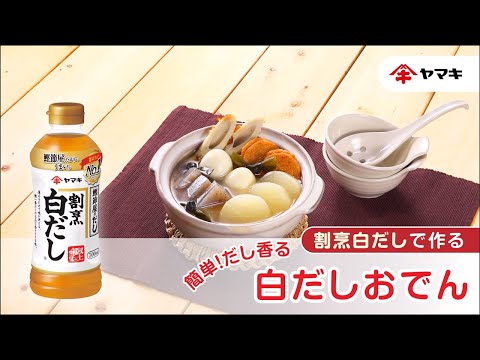
【「割烹白だし」で作る!】簡単!だし香る白だしおでん
鰹節屋・だし屋のヤマキ公式チャンネル

家庭で作る秘訣を伝授!寒い日におすすめ!具材たっぷり短時間で味しみおでんの作り方
Koh Kentetsu Kitchen【料理研究家コウケンテツ公式チャンネル】
Similar Japanese Videos
(24 videos)
Beginner-Friendly Japanese Recipes: Easy Dishes for New Cooks
[Haruma Recipe]Japanese Food Recipes in English

20 Minute Japanese Dinners that Will Change Your Life... or maybe 25
Aaron and Claire

Recette : Gratinée à l'oignon - Les carnets de Julie
Les Carnets de Julie - France Télévisions

RECETTE des PANCAKES JAPONAIS ULTRA FLUFFY !
Il était une fois la pâtisserie

양배추 오코노미야끼 만들기 레시피입니다. #양배추요리 #오코노미야끼 #오꼬노미야끼 #오꼬노미야끼재료 #요리레시피 #레시피 #양배추
뿌뿌키친BBubbu Kitchen
![[Sub] 정말 '크리미'해요. 집에서 간단하게 색다른 오므라이스!!](https://img.youtube.com/vi/AlK2Gl6kHZI/hqdefault.jpg)
[Sub] 정말 '크리미'해요. 집에서 간단하게 색다른 오므라이스!!
백종원 PAIK JONG WON

오므라이스 오무라이스 만들기 점심저녁메뉴 추천#오므라이스 #오므라이스소스 #오므라이스만들기 #오므라이스레시피 #점심저녁메뉴
쉬운 집밥요리 햇살머금은집

백종원 레시피 강식당 오므라이스 만드는 법 Omurice (Omelette Rice) from the South Korean reality show Kang's Kitchen
진깡 jinkkang

일본 오므라이스 찐 레시피 - 오므라이스
바깥키친

아침 딱 10분! 간단한 오므라이스 만들기. 회오리 오므라이스 첫 도전에 성공하는 볶음밥, 오므라이스, 계란요리
다다요리

강식당 오므라이스 만들기/안재현 오므라이스 소스 만드는법까지 자세히 소개합니다/kang's kitchen omurice/은야쟁이의오렌지블랙박스
은야쟁이

오므라이스 맛있게 만들기 l 맛집 사장님도 놀랄 오므라이스 특제소스 비법공개!! l Yomi Cook's 'Omu Rice' recipe
요미쿡 Yummy Cook

가족을 기쁘게 하는 일본식 오므라이스, 말지않아 쉬워요. オムライス
일식(食)예보

오므라이스 만들기 뚝딱 쉽게 만드는 한그릇 요리
하우매니 심플레시피

오므라이스는 이렇게 만드세요! 부드럽고 든든한 한끼가 되는 계란요리
옹알옹알쿡 Egg Recipes
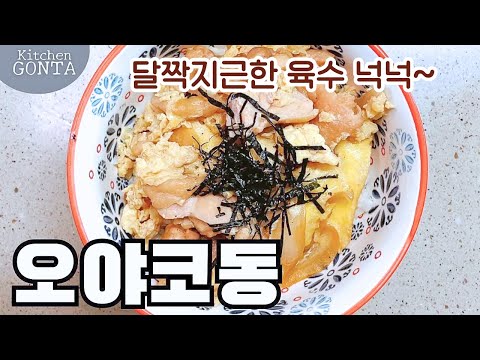
쯔유 듬뿍 오야코동 레시피/치킨 오야코동 만드는 법/닭갈비 계간 덮밥 만들기/오야꼬동/간단 일본 가정 덮밥 요리/親子丼/親子丼の作り方/親子丼 レシピ
kitchen-GONTA

두부조림하다 김밥 먹네요. 부드럽고 부드러운 두부김밥
후다닥요리

【料理人の4毒抜きレシピ】揚げないコロッケの作り方 パン粉がなくても油がなくても、簡単に作れるコロッケレシピ
erba stella の野菜レシピ
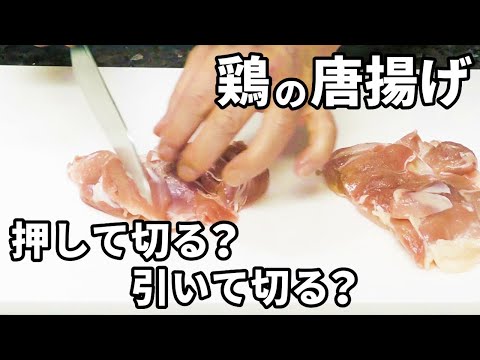
鶏の唐揚げの味までもが変わる、肉の切り分け方&ポイントを解説!
のんの大阪料理教室

【カリッ!ジューシー!鶏の唐揚げ】ポイントは2度揚げ【簡単なのに絶品料理】
DOI 料理人

【プロ直伝】 板前が教える!お店と同じ【天ぷら】の作り方 誰でもサクサクの天ぷらを揚げる方法 これで天ぷらは得意料理になる!
料理人設楽の料理道場

世界一美味しい唐揚げの作り方【日本唐揚協会 特製レシピ】
おっくんの宅飲みグルメ

うんまかレシピ「新玉ねぎで作る豚丼」
MBC南日本放送

【公式】【豚丼名人とお惣菜天ぷらで簡単・美味しい天丼作っちゃおう!!】何にでも使える超便利な豚丼のタレを使ったクッキングチャンネル【ドライブインいとう】が提案する【時短】料理レシピ【帯広 豚丼】
ドライブインいとう ニコニコクッキングちゃんねる
Similar Dishes From Other Cuisines
(23 videos)
Pad Thai | Thai Recipes | Noodles
Lion Brand Rice

어마무시한! 8kg 녹찐한 순대국 🤩 순댓국 대용량 미쳤네
썰맨

초간단 김치찌개 ㅣ 백종원의 백종원 레시피
백종원 PAIK JONG WON
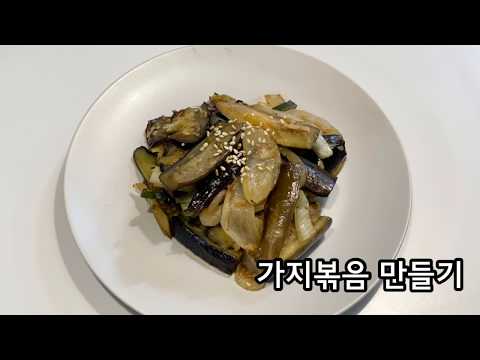
질척하지 않게 가지볶음 만들기
키친르네오
![[어남선생 레시피] 한번 배워두면 평생 가는 레시피! [평생 김치찌개] 류수영의 각종 꿀팁 총출동 [신상출시 편스토랑/Fun-Staurant] | KBS 240105 방송](https://img.youtube.com/vi/qRa49obXGQE/hqdefault.jpg)
[어남선생 레시피] 한번 배워두면 평생 가는 레시피! [평생 김치찌개] 류수영의 각종 꿀팁 총출동 [신상출시 편스토랑/Fun-Staurant] | KBS 240105 방송
KBS Entertain

🔥엄청더운날 퇴근후 매운김치찌개랑 집밥먹방 Korean Food Kimchijjigae Mukbang eating show
라라먹방 Rara mukbang

부대찌개먹방, 집밥먹방, 스팸과 킬바사소세지, 비엔나 소세지를 가득 넣은 부대찌개 리얼사운드 sausage stew mukbang KOREAN HOME FOOD REAL SOUND
배블리[B.LOVELY MUKBANG]

장마엔 부찌죠? 햄사리3인분 줄서먹는 맛 집 부대찌개 + 냉면그릇에 밥 한 그릇 먹방입니다. MUKBANG
한식푸우 Korean food

부대찌개, 맛집 레시피 이건 못참지! 집에서 편하고 맛있게 맛집 부대찌개 즐겨보세요 #요리 #koreanfood #food #부대찌개 #찌개 #레시피 #맛집#음식 #국물요리
우리집맛선생_평범한재료를 특별한요리로

감탄이 나오는 김치찌개! 냉장고 속 묵은지가 금새 사라집니다
쿡피아 Cookpia
![시원함 주의!! 매력적인 맛 묵은지김치찌개 [맛있는 녀석들 Tasty Guys]279회](https://img.youtube.com/vi/wcDzS6eNnRQ/hqdefault.jpg)
시원함 주의!! 매력적인 맛 묵은지김치찌개 [맛있는 녀석들 Tasty Guys]279회
맛있는 녀석들 (Tasty Guys)

옛날 진한 김치찌개 맛 그대로!🌶️ 묵은지 김치찌게 이렇게 해야 맛있습니다
고향누나 자연식단

김치 찌개 이렇게 드셔보세요 묵은지 김치 찌개 맛있게 끓이는 방법 김치찌개요리 찌개요리 국요리 묵은지 김치찌 묵은지요리 김치 찌개 끓이는법 김치 찌개 끓이는 방법 김치 찌개 끓이기
광수엄마 건강요리
![[부대찌개] 이 부대찌개는 어느 부대에서 먹을 수 있어요..? | 사골 없이 부대찌개 끓이기](https://img.youtube.com/vi/-bz_RBIUdDY/hqdefault.jpg)
[부대찌개] 이 부대찌개는 어느 부대에서 먹을 수 있어요..? | 사골 없이 부대찌개 끓이기
남자들의 주부생활 men's cooking

수미네 반찬 묵은지 부대찌개 만드는 법, 김수미표 레시피 그대로 매콤 부대찌개 만들기,cooking hacks, How to cook
저녁하다쯩빵
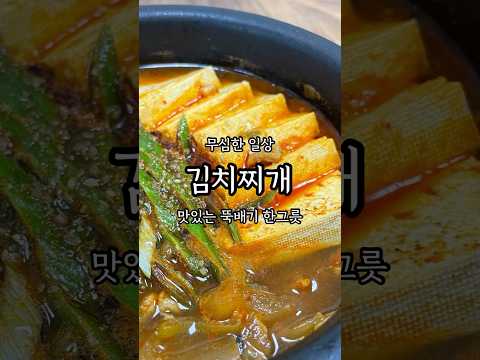
#돼지고기 #묵은지 #김치찌개 : #무심한 #일상요리
무심한 일상

순두부는 3개 천원이 정가지? 불 맛 고기 순두부찌개 레시피!
아하부장_JOHNCOOK
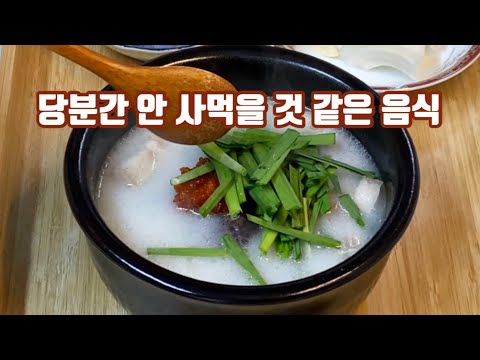
국밥집 빙의해서 가성비 좋은 순대국 만들기
일단 해보는 요리

#김치볶음밥 , 똥손도 쉽고 맛있게 만들 수 있어요! #컵밥 #자취요리 #간단요리
쉬운 요리, 집밥집면 (Home Meal Home Noodle)
![[초간단 레시피] ★냉장고 털이★ '맛있는 김밥' 만들기 ② | 행복한 아침 296 회](https://img.youtube.com/vi/u8oNJQYfbWM/hqdefault.jpg)
[초간단 레시피] ★냉장고 털이★ '맛있는 김밥' 만들기 ② | 행복한 아침 296 회
채널아하: 채널A Health & Asset
![[슬기로운 요리생활] 다이어트 김밥 만들기🍙](https://img.youtube.com/vi/M3WKGCYI3mI/hqdefault.jpg)
[슬기로운 요리생활] 다이어트 김밥 만들기🍙
행복밥심

집김밥의 정석! 속이 꽉 찬 9가지 재료 김밥 만들기
빵주아TV

저속노화 꼬마김밥 만드는법! 김밥 이렇게 만들면 살도 안찌고 너무 맛있어요!
램블부부 Ramble Couple