Best Pickling Video | Make Great Pickles at Home | Tips & Tricks You Need to Know
Recipe Information
Pickled Vegetables
Cultural Context
Pickled vegetables are a staple in Armenian cuisine, often served as a side dish to accompany rich meats and stews. This practice of pickling reflects a long tradition of preserving seasonal produce, allowing families to enjoy the flavors of summer throughout the year. Today, pickled vegetables have gained popularity worldwide, with variations found in many cultures, each offering unique spice blends and ingredients.
vinegar
🥗Healthier: apple cider vinegar
💰Cheaper: white vinegar
Apple cider vinegar offers a milder flavor.
sugar
🥗Healthier: honey
💰Cheaper: brown sugar
Honey adds natural sweetness and complexity.
garlic
🥗Healthier: shallots
💰Cheaper: onion
Shallots provide a similar aromatic quality.
cucumbers
🥗Healthier: zucchini
💰Cheaper: pickled gherkins
Zucchini can be a lower-calorie alternative.
Introduce the concept of Turkish pickling and its flavors.
Explain the basic ingredients needed for pickling: water, salt, vinegar, lemon juice, and vegetables.
Discuss the fermentation process and its benefits.
Provide the golden ratio for pickling: 1 liter of water to 100 ml of vinegar and 2-3 tablespoons of salt.
Mention the importance of cleanliness and sterilization of jars and tools before starting.
Wash the vegetables thoroughly to remove any soil or grit.
Trim away any bruised or soft spots on the vegetables.
Cut large vegetables into equal pieces and score them if necessary for better brining.
Mix the brine using the specified ratios of water, vinegar, lemon, and salt.
Emphasize the importance of salt quantity to prevent spoilage and vinegar quantity to avoid mushiness.
Add a starter for fermentation, such as chickpeas or sour bread, and garlic for flavor.
Pack the vegetables tightly into the sterilized jars, ensuring no air pockets remain.
Pour the prepared brine over the vegetables, making sure they are fully submerged.
Place a grape leaf on top to keep the vegetables submerged and enhance crispiness.
Seal the jars with sterilized lids and store them in a cool, dark place for fermentation.
Discuss the ideal fermentation temperature (18 to 22 degrees Celsius) and the risks of too high or too low temperatures.
Explain the fermentation timeline, noting that pickles will be ready in about 3 weeks to 1.5 months depending on temperature.
Advise against exposing the pickles to sunlight to prevent spoilage.
Cooking Techniques
Equipment Needed
Spice Level:
🌶️🌶️🌶️Dietary
Also Known As
More Pickled Vegetables Videos
(14 videos)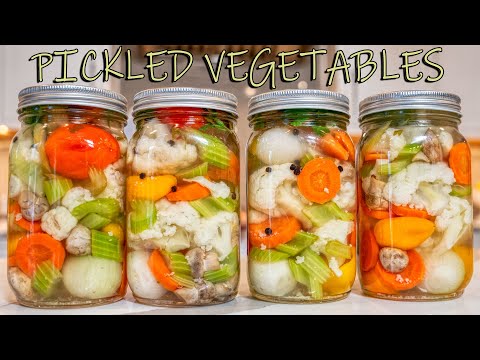
Learn how to Pickle Vegetables the easy way | Toursi
Nikki's Modern Mediterranean
Easiest Fermented Pickled Vegetables Ever - AnOregonCottage.com
AnOregonCottage
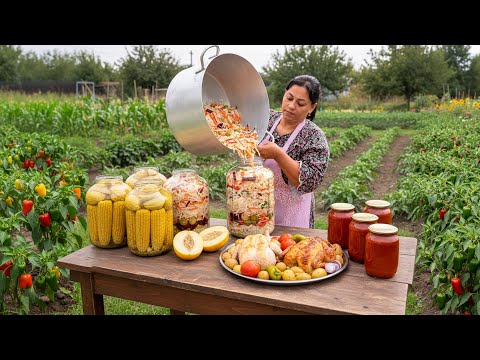
An Azerbaijani woman prepares 10 types of winter food in 1 day
Golden Hands Cooking
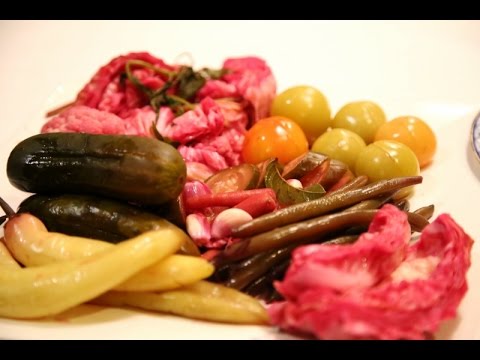
How to Make Pickled Veggies - Pickled Vegetables Recipe - Armenian Cuisine - Heghineh Cooking Show
Heghineh Cooking Show

Make Yummy Pickled Vegetables from your Garden and Eat them all Winter
Albanian Village Life
Never Forget This Pickle Recipe Again! (2-2-2-2 Method)
Garden and Grub

Easiest Pickle Recipe, Pickle Lovers Will Love It || DHBG
Down-Home Backyard Gardening
Make great PICKLES easily 🥒 How to make pickles | Why pickles fail- and how you can save them
Refika's Kitchen
PICKLED VEGETABLES/ how to pickle vegetables طرشي Թթու
Nora’s International Cooking
How to make Pickled veggies | Pickled veggies | Quick Pickled Vegetables | Pickled Vegetables
Uthra Srini kitchen
Simple Pickled Veggies Recipe Anyone Can Try!
Easy Recipe
Healthy Snack Hack 🥒 Easy Pickled Veggies Recipe Inspired by Roots & Refuge Farm
You Grow Row
Late Summer in the Garden | Country Life Vlog
A Country Life
Pickled Vegetables Recipe // No Sugar // Super Easy
AtiJourney
Similar Armenian Videos
(24 videos)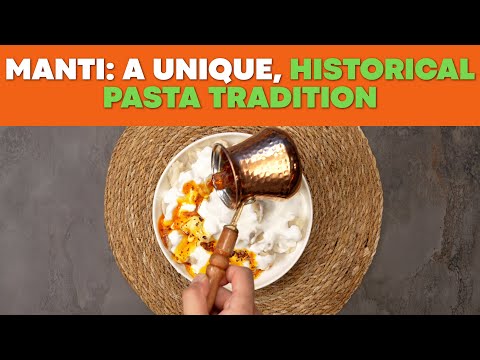
Manti, or ‘Turkish ravioli’, is the original Asian pasta dish that European recipes are based on
Taste Lab
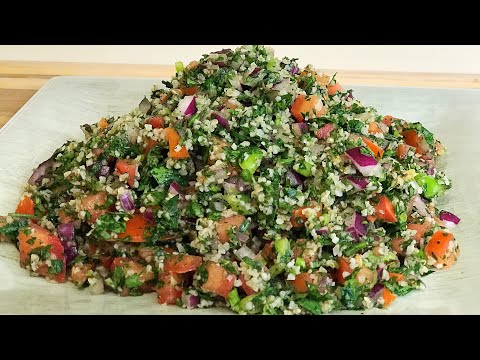
Tabbouleh / Tabouli Salad recipe سلطة لبنانية تبوله
Calling All Cooks With Razzi Raz
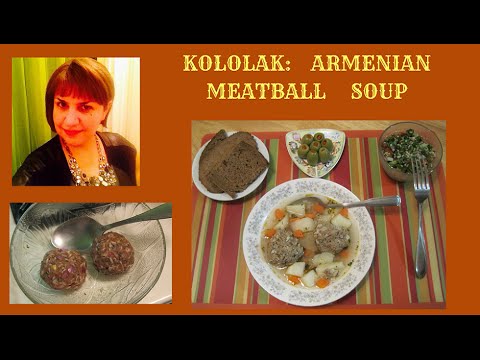
ARMENIAN MEATBALL SOUP CALLED KOLOLAK
Victoria H (Victories Of Creativity)
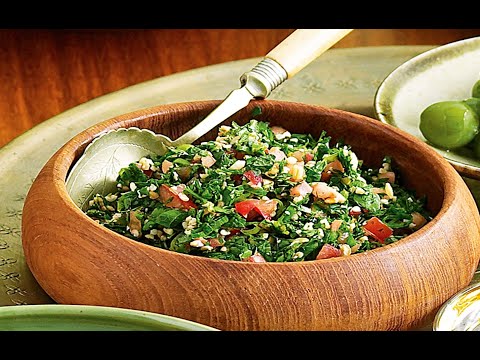
Tabbouleh Salad Vegan Recipes Different Tastes Great Lebanese Tabbouleh Salad Recipe
Easy Recipes
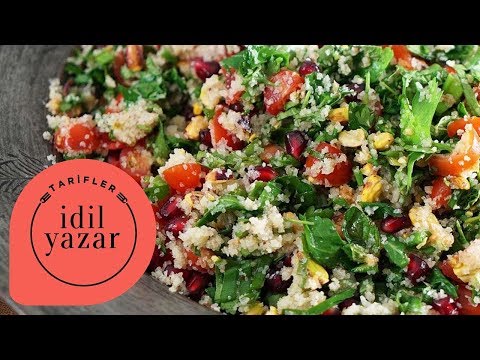
Lübnan Tabule Salatası (Tabbouleh) Tarifi - İdil Yazar - Yemek Tarifleri
İdil Yazar
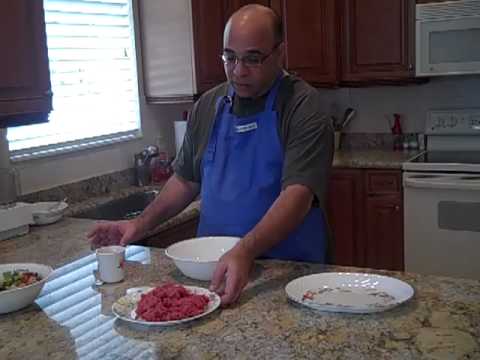
Armenian Chi Kufteh (Raw beef)
The Armenian Kitchen
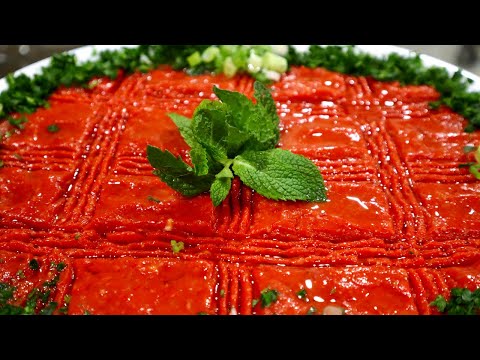
How to Make the Best Chi Kofte (Armenian Steak Tartare) | Eats With Gasia
Eats With Gasia
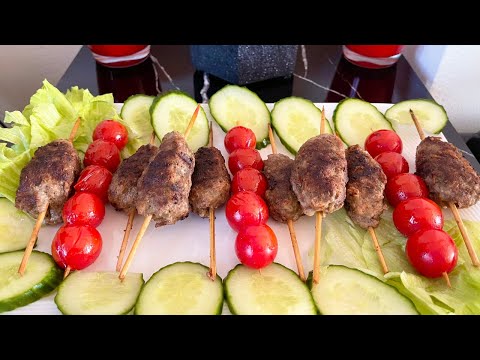
Urfa Kabab | Turkish Urfa Kebab | How to make Urfa Kebab | Neelo's Kitchen
Neelo's Kitchen
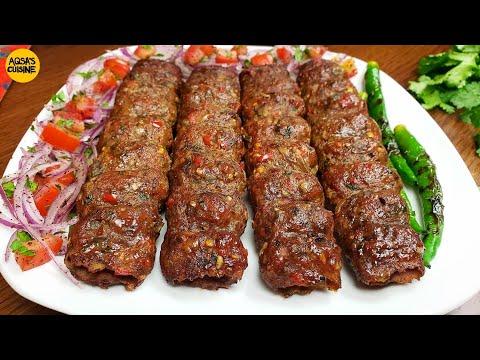
NEW Turkish Kebab, URFA Kebab Recipe In Pan By Aqsa's Cuisine, Turkish Kebab Recipe, Kebab Recipes
Aqsa's Cuisine
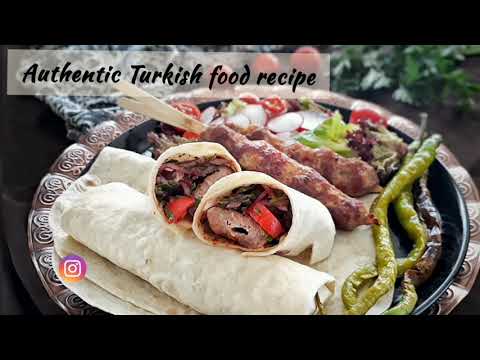
Authentic Turkish Urfa Kebab Recipe / Urfa Kebap (haşhaş kebap)
Citra's Home Diary
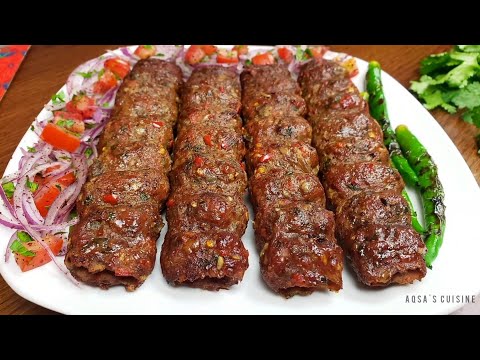
Turkish URFA Kebab Recipe Eid Special by Aqsa's Cuisine, Kebab Recipe, Turkish Kebab
Aqsa's Cuisine

How to Make Urfa Kazan Kebab - Spiced Lamb Eggplants in One Pot
Hungry Man Kitchen

How To Make Turkish Urfa Kebab
Henrys HowTos
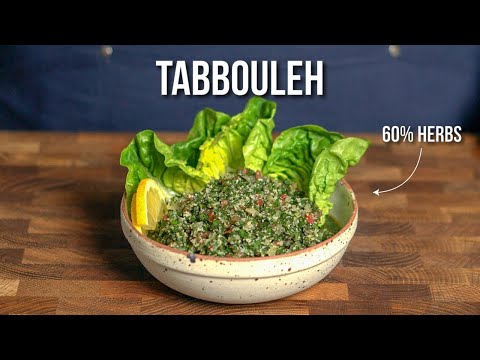
Classic Lebanese Tabbouleh 🥗
Middle Eats
Chicken with Chinese Mushrooms Recipe
Sue and Gambo
How to Make Armenian Manti (Հայկական Մանթի) | Manti Recipe | Eats With Gasia
Eats With Gasia
How To Make & Cook Armenian Shish Kebab
Henrys HowTos
How To Make Shish Kebab
The Armenian Kitchen
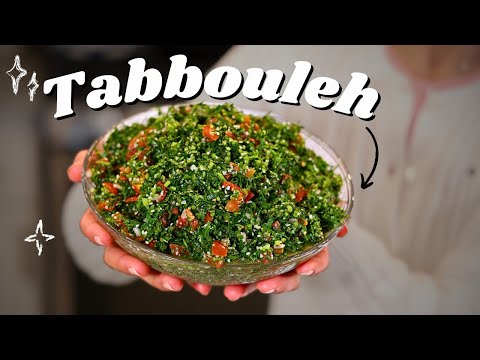
How To Make Tabbouleh | Tabouli Recipe | The Best Lebanese Salad
Rose Baby
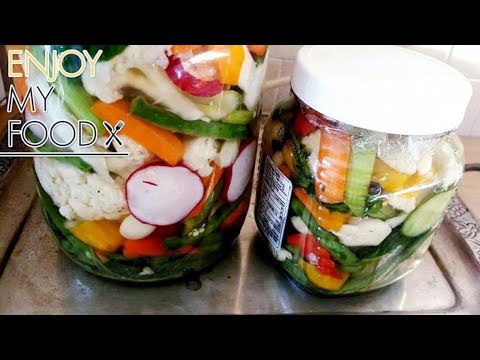
YUMMY THE BEST MIXED VEGETABLE TURSHI - Armenian Pickled Veggie's - By Ani
Armenian and Middle Eastern Cuisine & More
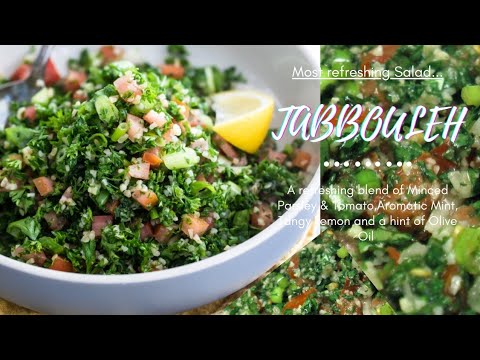
TABBOULEH/TABOULI/HIGH IRON AND PROTEIN/LEBANESE SALAD
Sunshine In Sparks
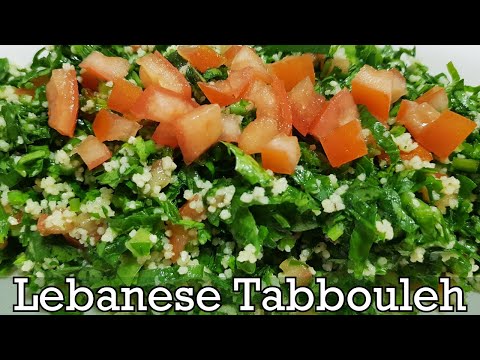
Lebanese Tabbouleh Salad | Tabbouleh Recipe | The Cooking Melody
The Cooking Melody
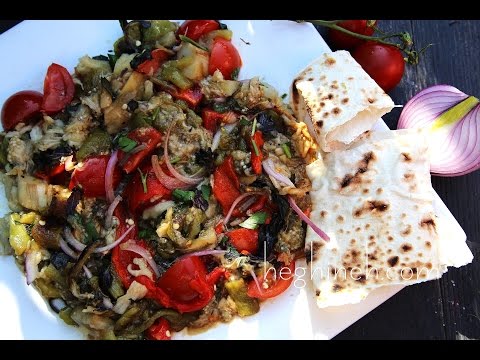
Grilled Vegetables Salad Recipe - Armenian Cuisine - Heghineh Cooking Show
Heghineh Cooking Show
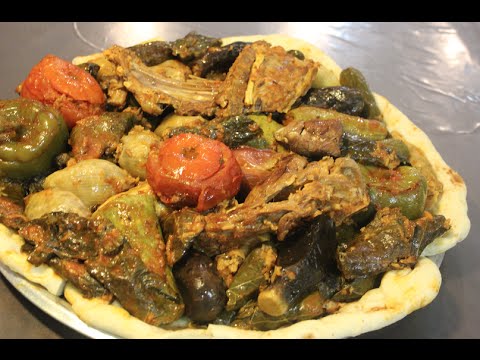
الدولمة العراقية الاصلية (بالرز البسمتي) - How To Make Dolma
Arabic Kitchen المطبخ العربي
Similar Recipes From Other Cuisines
(24 videos)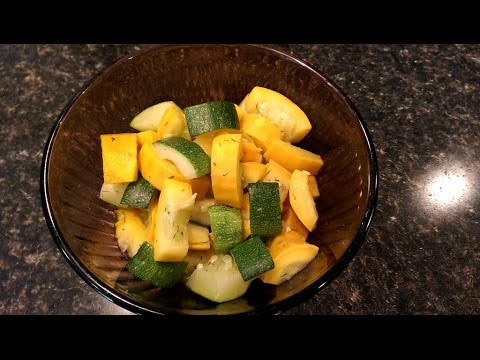
Steamed Zucchini - Bravo Charlie's Episode 23
Charlie Moore
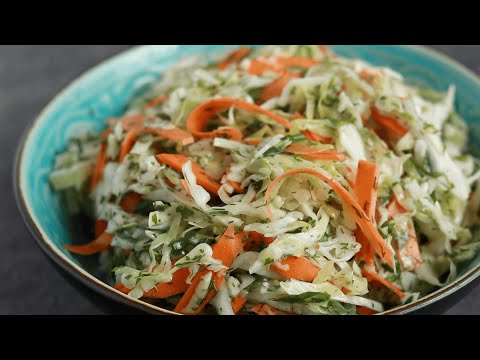
Cabbage Salad (I weighed my ingredients and…)
Helen Rennie

How to make MACARONI SALAD by Kelly Henry #macaronisalad #pastarecipes #veggierecipes
Kelly's Kuisine

Top Traditional Salvadoran Food | Salvadoran Cuisine
Travel & Taste
Apple Cranberry Pecan Salad
Arabesque Media
Potato Salad
J. Kenji López-Alt

Aligot: Le Plat Réconfortant Parfait 🧀🥔 | Recette Facile
Julien Cadeau
L'Aligot très facile à faire et savoureux #aligot
Oum Arwa

L'aligot, avec les secrets du Chef Philippe Etchebest
Quitoque

L’aligot par Guy Demarle
Guy Demarle

Recette de l'Aveyron : Aligot
TourismeAveyron
![Gratin Dauphinois [Recette au Micro-Ondes] ♡ Virginie fait sa cuisine [76]](https://img.youtube.com/vi/YcsFxDGujgg/hqdefault.jpg)
Gratin Dauphinois [Recette au Micro-Ondes] ♡ Virginie fait sa cuisine [76]
VIRGINIE FAIT SA CUISINE
Gratin dauphinois (La recette facile)
lesplaisirsdelabouche. com
Gratin dauphinois simplissime - CuisineAZ
CuisineAZ.com

Comment réaliser un gratin dauphinois ? #pommedeterre #cooking #cuisinefrançaise #cuisine
Chef Jo

DÉGUSTATION D'UN GRATIN DAUPHINOIS XXL POUR 10 PERSONNES!! (+ Recette Super Facile)
Le Goinfre
Recette : Le gratin Dauphinois de Michel Rostang | Archive INA
Ina Les Recettes Vintage
GRATIN DAUPHINOIS (SANS FROMAGE BIEN SÛR ) !!!
Dziri Fi Tokyo

Recette du véritable gratin dauphinois
Gratin Dauphinois
Un vrai gratin dauphinois🥔🥔🥔
Gasyaflo “Gasyaflo”
GRATIN DAUPHINOIS | MARMITON
Marmiton

GRATIN DAUPHINOIS TENDRE ET RAPIDE
IKR Cook
GRATIN DAUPHINOIS - La meilleure façon de le réussir - Simple et Rapide
Cuisinez Rapide
Le gratin dauphinois de Recette Roulette
La classe de Fabienne