How To Make Sushi At Home Without A Rice Cooker - [5 ways]

Recipes in this Video
Sushi rice, known as shari or sumeshi, is a fundamental component of sushi, originating from Japan. This seasoned rice is not just a base but a canvas for various sushi toppings, embodying the art of balance in Japanese cuisine. Traditionally, sushi rice is prepared with a mix of rice vinegar, sugar, and salt, enhancing its flavor and texture. Today, sushi rice is enjoyed worldwide, inspiring countless variations and adaptations beyond its Japanese roots.
Ingredients
- ●short-grain rice
- ●rice vinegar
- ●sugar
- ●salt
- ●kombu
- ●water
Instructions
- 1Rinse short-grain rice under cold water until the water runs clear.
- 2Soak the rinsed rice in water for 30 minutes to 1 hour.
- 3Drain the soaked rice and place it in a rice cooker with the appropriate amount of water.
- 4Cook the rice according to the rice cooker's instructions until tender.
- 5Transfer the cooked rice to a large wooden or glass bowl.
- 6In a small saucepan, combine rice vinegar, sugar, and salt over low heat until dissolved.
- 7Pour the vinegar mixture over the warm rice and gently fold to combine without mashing the grains.
- 8Cover the rice with a damp cloth and let it cool to room temperature before using.
Ingredient Alternatives
short-grain rice
Healthier: brown rice
Cheaper: medium-grain rice
Brown rice offers more fiber and nutrients, while medium-grain rice is often less expensive.
rice vinegar
Healthier: apple cider vinegar
Cheaper: white vinegar
Apple cider vinegar provides a milder flavor, while white vinegar is usually more affordable.
Techniques
Equipment
Also Known As
Nigiri originated in Japan during the Edo period as a form of fast food, designed for street vendors to serve fresh fish atop small rice balls. This delightful dish reflects the artistry of sushi-making, where each piece showcases the quality of the fish and the skill of the chef. Today, nigiri is enjoyed globally, with variations incorporating different types of seafood and toppings, making it a beloved choice in sushi restaurants worldwide.
Ingredients
- ●sushi rice
- ●raw fish
- ●wasabi
- ●nori
- ●soy sauce
- ●pickled ginger
- ●sesame seeds
- ●scallions
Instructions
- 1Rinse sushi rice under cold water until water runs clear.
- 2Cook sushi rice according to package instructions, then let it cool slightly.
- 3Prepare raw fish by slicing it into thin, even pieces.
- 4Wet your hands to prevent sticking and take a small amount of sushi rice.
- 5Shape the rice into an oval mound with your fingers.
- 6Place a slice of fish on top of the rice mound, pressing gently to adhere.
- 7Add a small dab of wasabi between the rice and fish if desired.
- 8Repeat the process for remaining ingredients until finished.
- 9Serve nigiri with soy sauce, pickled ginger, and sesame seeds on the side.
- 10Garnish with sliced scallions if desired.
Ingredient Alternatives
raw fish
Healthier: cooked seafood
Cheaper: canned fish
Canned fish is more affordable and still offers great flavor.
sushi rice
Healthier: brown rice
Cheaper: white rice
Brown rice is healthier while white rice is more economical.
wasabi
Healthier: horseradish
Cheaper: mustard
Horseradish mimics wasabi's heat at a lower cost.
nori
Healthier: soy paper
Cheaper: lettuce leaves
Soy paper is a gluten-free alternative, while lettuce is a budget-friendly wrap.
Techniques
Equipment
Also Known As
Uramaki, or inside-out sushi, originated in the United States in the 1970s, adapting traditional sushi to local tastes. It features rice on the outside and fillings like crab and avocado inside, making it accessible to those unfamiliar with sushi. Today, it has become a staple in sushi restaurants worldwide, often showcasing creative variations.
Ingredients
- ●sushi rice
- ●nori
- ●crab meat
- ●avocado
- ●cucumber
- ●sesame seeds
- ●soy sauce
- ●wasabi
- ●pickled ginger
Instructions
- 1Rinse sushi rice under cold water until the water runs clear.
- 2Cook sushi rice according to package instructions, then let it cool.
- 3Lay a sheet of nori on a bamboo sushi mat, shiny side down.
- 4Spread a thin layer of sushi rice over the nori, leaving a small border at the top.
- 5Sprinkle sesame seeds over the rice for added flavor and texture.
- 6Place crab meat, avocado, and cucumber in a line across the center of the rice.
- 7Using the mat, carefully roll the nori away from you, tucking in the filling tightly.
- 8Continue rolling until you reach the border of the nori, sealing with a bit of water.
- 9Slice the roll into bite-sized pieces with a sharp knife, wiping the knife between cuts.
- 10Serve with soy sauce, wasabi, and pickled ginger.
Ingredient Alternatives
crab meat
Healthier: surimi
Cheaper: cooked shrimp
Surimi is lower in calories and often more affordable.
sushi rice
Healthier: brown rice
Cheaper: white rice
Brown rice adds fiber and nutrients, while white rice is often less expensive.
avocado
Healthier: mashed avocado
Cheaper: cooked sweet potato
Sweet potato offers a similar creamy texture at a lower cost.
nori
Healthier: rice paper
Cheaper: lettuce leaves
Rice paper is lower in calories, and lettuce is often cheaper.
Techniques
Equipment
Also Known As
Sashimi, originating from Japan, is a traditional dish featuring thinly sliced raw fish or seafood, often served with soy sauce and wasabi. It emphasizes the freshness and quality of the ingredients, reflecting the Japanese culinary philosophy of simplicity and seasonality. Today, sashimi is enjoyed worldwide, with variations including different types of fish and accompanying sauces.
Ingredients
- ●fresh fish
- ●seafood
- ●wasabi
- ●soy sauce
- ●pickled ginger
- ●daikon radish
- ●shiso leaves
- ●sesame seeds
Instructions
- 1Select high-quality fresh fish or seafood.
- 2Slice the fish into thin, even pieces using a sharp knife.
- 3Arrange the sliced fish on a chilled plate or platter.
- 4Garnish with shiso leaves and daikon radish.
- 5Serve with wasabi and soy sauce on the side.
- 6Add pickled ginger for palate cleansing.
Ingredient Alternatives
fresh fish
Healthier: sustainable seafood
Cheaper: canned tuna
Canned tuna is more affordable and still offers good flavor.
wasabi
Healthier: horseradish
Cheaper: yellow mustard
Horseradish mimics wasabi's heat at a lower cost.
soy sauce
Healthier: low-sodium soy sauce
Cheaper: tamari
Tamari is often less expensive and gluten-free.
pickled ginger
Healthier: fresh ginger
Cheaper: sugar ginger
Fresh ginger provides a similar flavor without added sugar.
Techniques
Equipment
Also Known As
Ingredients
- ●2 sheets nori (seaweed)
- ●1 cup sushi rice
- ●1 1/4 cups water
- ●1 tbsp rice vinegar
- ●1 tsp sugar
- ●1/2 tsp salt
- ●1/2 avocado, sliced
- ●1/2 cucumber, julienned
- ●4 oz sashimi-grade fish (like salmon or tuna), sliced
- ●soy sauce, for serving
- ●wasabi, for serving
- ●pickled ginger, for serving
Instructions
- 1Rinse the sushi rice under cold water until the water runs clear.
- 2In a medium saucepan, combine the rinsed rice and water. Bring to a boil, then reduce heat to low, cover, and simmer for 20 minutes.
- 3Remove from heat and let the rice sit, covered, for 10 minutes.
- 4In a small bowl, mix rice vinegar, sugar, and salt until dissolved. Gently fold this mixture into the cooked rice.
- 5Place a sheet of nori on a clean surface, shiny side down.
- 6Wet your hands and take a handful of sushi rice, spreading it over the nori, leaving the top edge free.
- 7Arrange slices of avocado, cucumber, and fish on top of the rice.
- 8Starting from the bottom, roll the nori tightly into a cone shape, sealing the edge with a little water.
- 9Repeat with the second sheet of nori and remaining ingredients.
- 10Serve immediately with soy sauce, wasabi, and pickled ginger.
Equipment
Maki rolls, a staple of Japanese cuisine, originated from the Edo period when sushi was first developed as a way to preserve fish. Traditionally enjoyed as a communal dish, these rolls symbolize sharing and togetherness. Today, maki has transcended borders, with countless variations appearing globally, from California rolls to spicy tuna rolls, reflecting local tastes and ingredients.
Ingredients
- ●sushi rice
- ●nori sheets
- ●raw fish
- ●cucumber
- ●avocado
- ●soy sauce
- ●wasabi
- ●pickled ginger
- ●sesame seeds
- ●scallions
- ●cream cheese
- ●carrot
- ●radish
- ●mayo
- ●rice vinegar
Instructions
- 1Rinse sushi rice under cold water until water runs clear.
- 2Cook sushi rice according to package instructions.
- 3Transfer cooked rice to a bowl and season with rice vinegar.
- 4Lay a nori sheet shiny side down on a bamboo mat.
- 5Spread a thin layer of sushi rice over the nori, leaving a border.
- 6Arrange fillings like raw fish, cucumber, and avocado along the rice.
- 7Roll the mat away from you, pressing gently to form a cylinder.
- 8Seal the edge of the nori with a bit of water.
- 9Slice the roll into bite-sized pieces with a sharp knife.
- 10Serve with soy sauce, wasabi, and pickled ginger.
Ingredient Alternatives
raw fish
Healthier: cooked shrimp
Cheaper: canned tuna
Canned tuna is more accessible and affordable.
nori sheets
Healthier: rice paper
Cheaper: leafy greens
Rice paper is gluten-free and leafy greens provide a fresh alternative.
sushi rice
Healthier: quinoa
Cheaper: white rice
Quinoa adds protein while white rice is a budget-friendly option.
soy sauce
Healthier: tamari
Cheaper: coconut aminos
Tamari is gluten-free and coconut aminos is lower in sodium.
Techniques
Equipment
Also Known As
More Uramaki Videos
(11 videos)
How to make Uramaki. Sushi. Sushi kasari sikney.
The_Magar
![[Sushi] How to make Upside-down rolls - Uramaki](https://img.youtube.com/vi/FxeT439enys/hqdefault.jpg)
[Sushi] How to make Upside-down rolls - Uramaki
SUSHI LABO
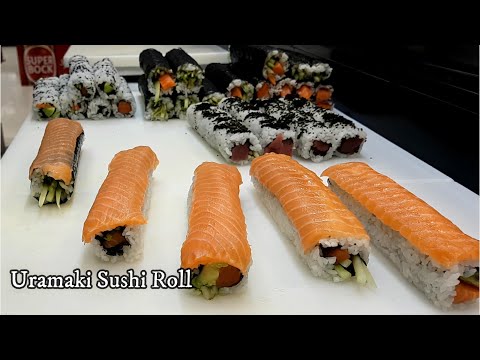
Uramaki Sushi Roll with Tuna and Salmon by Sushi Man Santosh
Sushi Man Santosh
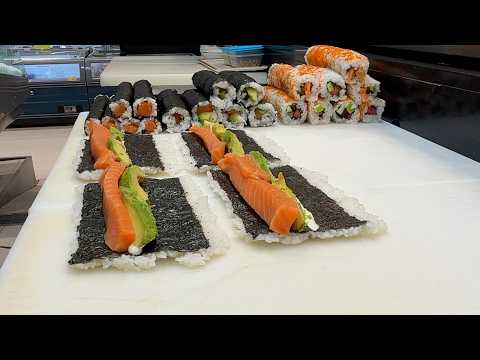
Uramaki Sushi Rolls with Salmon, Avocado & Cream Cheese
Sushi Man Santosh
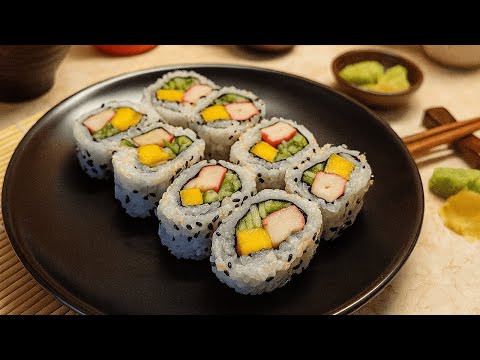
Aprenda Uramaki Califórnia :Receita Prática e Cheia de Dicas!
Receitas do Kazu
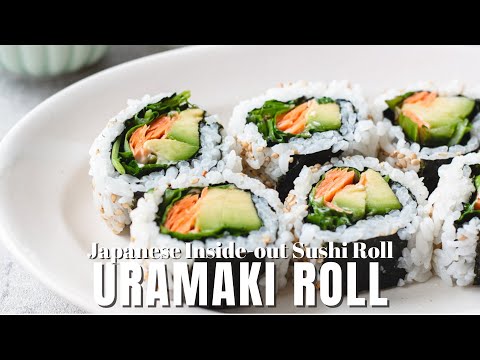
How To Make Inside Out Sushi Rolls | Uramaki
Chef JA Cooks
Cómo hacer SUSHI paso a paso ⛩️🍱🍤 (sin pescado crudo)
Orielo’s Kitchen. Recetas sin lactosa

How To Make Uramaki Sushi (INSIDE-OUT ROLL) with The Sushi Man
The Sushi Man

Tobiko inside out Salmon Sushi Roll Recipe II Uramaki Sushi by SMS
Sushi Man Santosh

How to Make a Uramaki Roll in Slow Motion (Two Angles!) | Uramaki Sushi Rolls
Lanyap Cookery
How To Make A California Roll Uramaki
Scoff
Similar Japanese Videos
(24 videos)
Beginner-Friendly Japanese Recipes: Easy Dishes for New Cooks
[Haruma Recipe]Japanese Food Recipes in English

20 Minute Japanese Dinners that Will Change Your Life... or maybe 25
Aaron and Claire

RECETTE des PANCAKES JAPONAIS ULTRA FLUFFY !
Il était une fois la pâtisserie

양배추 오코노미야끼 만들기 레시피입니다. #양배추요리 #오코노미야끼 #오꼬노미야끼 #오꼬노미야끼재료 #요리레시피 #레시피 #양배추
뿌뿌키친BBubbu Kitchen

가족을 기쁘게 하는 일본식 오므라이스, 말지않아 쉬워요. オムライス
일식(食)예보
![[Sub] 정말 '크리미'해요. 집에서 간단하게 색다른 오므라이스!!](https://img.youtube.com/vi/AlK2Gl6kHZI/hqdefault.jpg)
[Sub] 정말 '크리미'해요. 집에서 간단하게 색다른 오므라이스!!
백종원 PAIK JONG WON

강식당 오므라이스 만들기/안재현 오므라이스 소스 만드는법까지 자세히 소개합니다/kang's kitchen omurice/은야쟁이의오렌지블랙박스
은야쟁이
백종원 레시피 강식당 오므라이스 만드는 법 Omurice (Omelette Rice) from the South Korean reality show Kang's Kitchen
진깡 jinkkang

오므라이스 오무라이스 만들기 점심저녁메뉴 추천#오므라이스 #오므라이스소스 #오므라이스만들기 #오므라이스레시피 #점심저녁메뉴
쉬운 집밥요리 햇살머금은집

오므라이스는 이렇게 만드세요! 부드럽고 든든한 한끼가 되는 계란요리
옹알옹알쿡 Egg Recipes
오므라이스 만들기 뚝딱 쉽게 만드는 한그릇 요리
하우매니 심플레시피

일본 오므라이스 찐 레시피 - 오므라이스
바깥키친

오므라이스 맛있게 만들기 l 맛집 사장님도 놀랄 오므라이스 특제소스 비법공개!! l Yomi Cook's 'Omu Rice' recipe
요미쿡 Yummy Cook
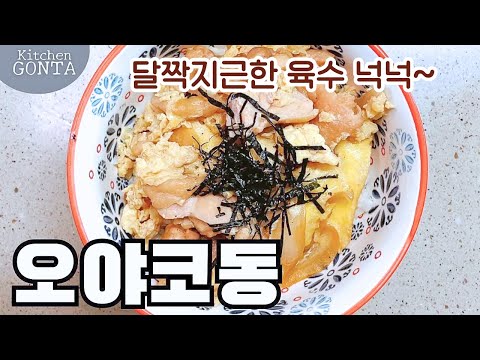
쯔유 듬뿍 오야코동 레시피/치킨 오야코동 만드는 법/닭갈비 계간 덮밥 만들기/오야꼬동/간단 일본 가정 덮밥 요리/親子丼/親子丼の作り方/親子丼 レシピ
kitchen-GONTA
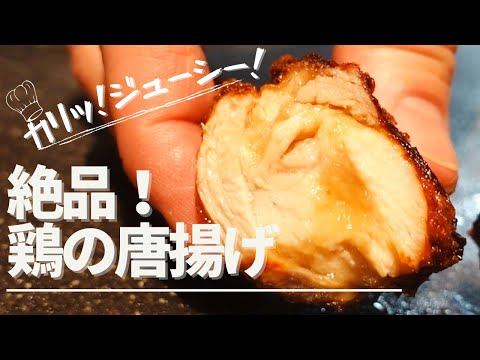
【カリッ!ジューシー!鶏の唐揚げ】ポイントは2度揚げ【簡単なのに絶品料理】
DOI 料理人
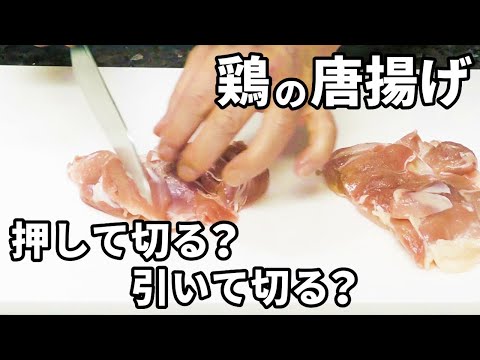
鶏の唐揚げの味までもが変わる、肉の切り分け方&ポイントを解説!
のんの大阪料理教室

世界一美味しい唐揚げの作り方【日本唐揚協会 特製レシピ】
おっくんの宅飲みグルメ
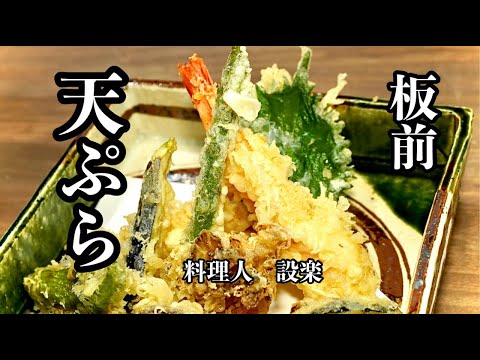
【プロ直伝】 板前が教える!お店と同じ【天ぷら】の作り方 誰でもサクサクの天ぷらを揚げる方法 これで天ぷらは得意料理になる!
料理人設楽の料理道場
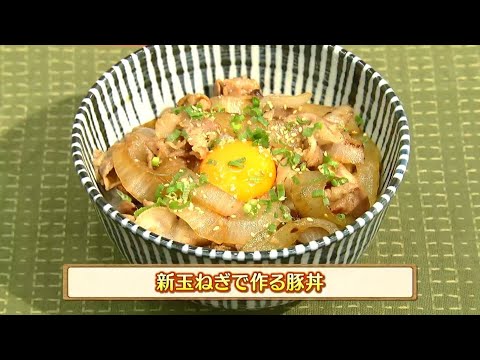
うんまかレシピ「新玉ねぎで作る豚丼」
MBC南日本放送
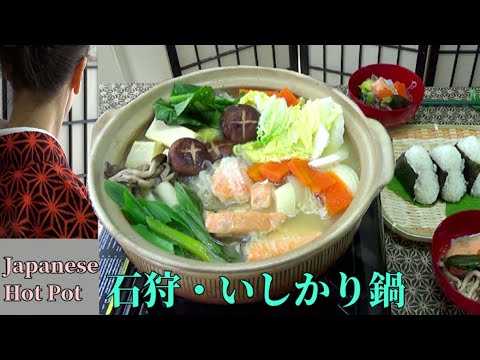
【石狩鍋の作り方・レシピ】鮭のアラでうまみたっぷり💛【郷土料理・北海道】 Japanese Hot Pot, Ishikari Nabe, Hokkaido【日本語+Eng 】
COOKBOOK Japan
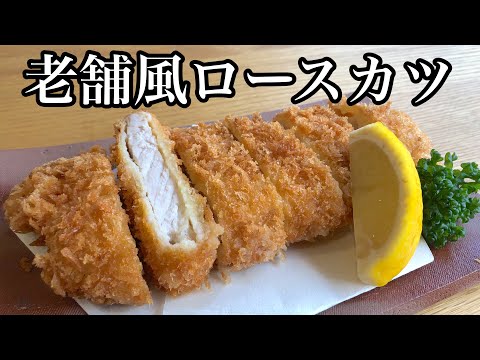
洋食料理人が作る!絶対に曲がらないトンカツの作り方 How to cook Tonkatsu 筋切りなど下処理も解説
店長の料理教室
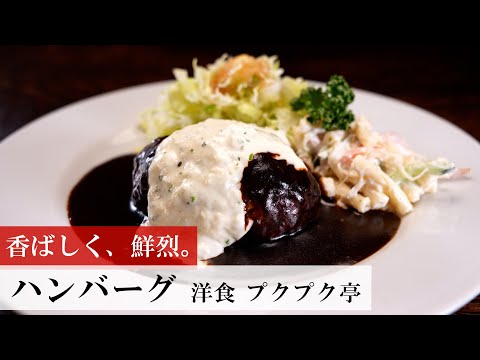
【名店レシピ】ハンバーグ by 洋食 プクプク亭 植野食堂のお品書き #438
BS Fuji Official Channel
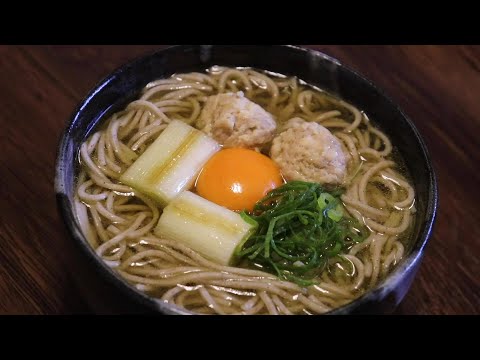
年越しの夜はコレを喰え!最高の蕎麦つゆ!!【年越し蕎麦】
オレオの台所
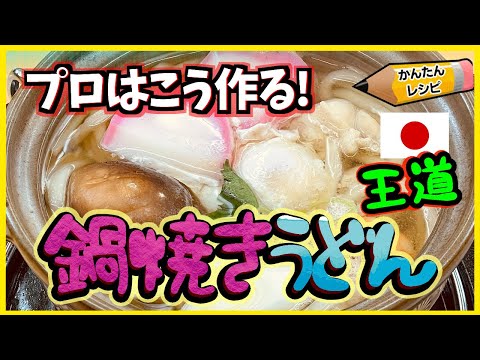
ご家庭で簡単にできる 美味しい鍋焼きうどんの作り方【プロの簡単レシピ】
板長チャンネル - Japan's Head chef
Similar Dishes From Other Cuisines
(24 videos)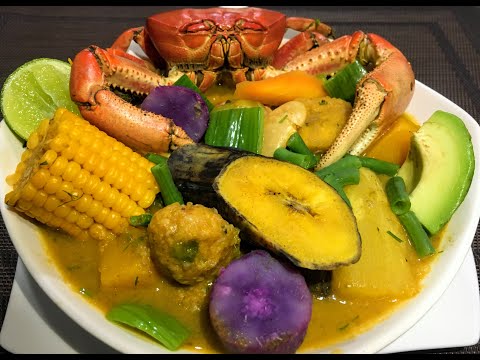
CÓMO PREPARAR EL MEJOR VICHE DE CANGREJO ( Receta Manabita)
Miranda García Delicias Ecuatorianas

재벌가 요리선생 '흑백요리사 서울엄마' 김밥 레시피 최초공개 (초간단, 우정욱 셰프)
밉지않은 관종언니
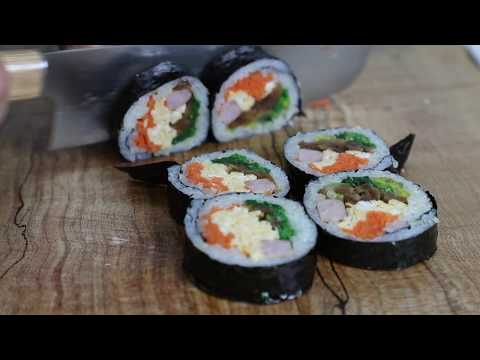
김밥만들기
Mrs macarons마카롱여사
김밥 맛있고 이쁘게 싸는 비법 대방출/옆구리 안터지게 싸는법/밥 물양 맞추는법/김밥마는법/Gimbap (rice roll)
와깅 The cooking guy
☀️대박집 김밥 따라만들기 / 예쁜김밥 만들기 Gimbap
오픈키친 OpenKitchen
![[Eng] Seafood Salad 해산물 샐러드와 잘 어울리는 가벼운 샐러드 드레싱 레시피](https://img.youtube.com/vi/ggNuhJz1RNo/hqdefault.jpg)
[Eng] Seafood Salad 해산물 샐러드와 잘 어울리는 가벼운 샐러드 드레싱 레시피
Kongsedek Recipe콩새댁레시피
![02. 김밥 | 쉬운 한식 만들기 ([Making Korean food] 02. Gimbap | Making easy Korean food)](https://img.youtube.com/vi/6Wnhz_CvkbY/hqdefault.jpg)
02. 김밥 | 쉬운 한식 만들기 ([Making Korean food] 02. Gimbap | Making easy Korean food)
KNU International

EASIEST Kimbap Recipe: NO RICE Rolling! Individual Self-Serve Kimbap Platter 🇰🇷입맛대로 만들어 먹는 셀프 김밥
Modern Pepper
EASY Authentic GIMBAP Korean Rolls At Home!
Aaron and Claire

ඉක්මනින් හදාගන්න පුළුවන් Chili Crab Recipe එකක් | How to Make Chili Crab | Chili Crab Recipe
Flavours Of Sri Lanka

How To Make Crebs Chilli | চিলি কাঁকড়া রেসিপি | The Best Chilli Crab in Singapore | #crebs
chef Kanchan kitchen
How to Make Singaporean Chili Crab, Part 2
Epicurious

HOW TO MAKE THE BEST CURRY CRAB AND DUMPLING | Shamin Di's Kitchen | CRAB AND DUMPLING STEP BY STEP
Shamin Di's Kitchen
HOW TO COOK CURRY CRAB | Jamaican Style Curry Crab
ROMA'S KITCHEN
How To Make Bún Riêu (Vietnamese Crab and Pork Noodle Soup)
Jen H Dao
Bun Rieu Recipe | Bún Riêu | Vietnames Crab, Pork, Shrimp and Tomatoes Vermicelli Rice Noodle Soup
Cook with Harris Panyanouvong

How to Make Authentic Bún Riêu | MyMom’s Recipe for the Ultimate Vietnamese Crab Noodle Soup
Kimberly & Mama Phan
The EASIEST 1 Hour Bún Riêu Recipe | Made with Quốc Việt Foods Soup Base (NO Added MSG)
Quoc Viet Foods USA
Bún Riêu Recipe | Vietnamese Crab, Pork, Shrimp and Tomatoes Vermicelli Rice Noodle Soup Bun Rieu
Cook with Harris Panyanouvong

an easy bun rieu recipe that I make after work! | Vietnamese crab, pork and tomato soup | Bún Riêu
Andrea Cooks at Home

How to Make Pancit Palabok - Jelly's Kitchen (Episode 59)
Jelly's Kitchen
HOW TO MAKE EASY PANCIT PALABOK/STEP BY STEP
Cooking In Action

Pancit Palabok | Extra special with lots of toppings!
Kawaling Pinoy
EASY PANCIT PALABOK RECIPE (HD)
Panlasang Probinsya TV