How to Make Fermented Hot Sauce (COMPLETE TUTORIAL)

Recipe Information
Lacto Fermented Blueberry Habanero Hot Sauce
Cultural Context
Lacto fermented hot sauces are a staple in many cultures, celebrated for their tangy flavor and health benefits. This particular sauce combines the sweetness of blueberries with the heat of habaneros, creating a unique flavor profile that pairs well with a variety of dishes. It's become popular in the US as a creative way to preserve seasonal fruits while adding a spicy kick to meals.
Quantities are estimated based on standard recipes for your convenience. The actual ingredients used in this video are accurate.
habanero peppers
🥗Healthier: jalapeño peppers
💰Cheaper: banana peppers
Jalapeños offer a milder heat, while banana peppers are more economical.
blueberries
🥗Healthier: blackberries
💰Cheaper: frozen blueberries
Blackberries are lower in sugar and frozen blueberries are often cheaper.
vinegar
🥗Healthier: apple cider vinegar
💰Cheaper: white vinegar
Apple cider vinegar adds a fruity note, while white vinegar is less expensive.
lime juice
🥗Healthier: lemon juice
💰Cheaper: bottled lime juice
Lemon juice provides a similar acidity, while bottled lime juice is often cheaper.
Harvest fresh peppers from the garden, including both red and green varieties.
Prepare a brine solution using salt and water, aiming for a 3% to 5% salt concentration by weight.
For every 1,000 grams of water, add between 30 and 50 grams of salt.
Use canning and pickling salt for best results, as it dissolves quickly; avoid table salt due to iodine.
Wear vinyl gloves while handling the peppers to avoid irritation from capsaicin.
Cut off the tops of the peppers, removing the stems as they do not add flavor.
Cut the peppers into smaller pieces to fit more into the jar and to aid fermentation.
Fill a quart jar with the cut peppers, pressing them down with a wooden spoon to eliminate air pockets.
Pour the prepared brine into the jar, filling it up to the first ring.
Use the wooden spoon to release any trapped air bubbles and add more brine if necessary.
Ensure all peppers are submerged in the brine to prevent spoilage during fermentation.
Use a spring or glass weight to keep the peppers submerged, and cover with a fermentation lid that allows gas to escape.
For a second batch, repeat the process with green peppers and use a glass weight to hold them down.
Seal the jars with fermentation lids and place them in a cool, dark corner to begin fermentation.
Check the jars after a few days; the liquid will become cloudy and bubbles will form as fermentation progresses.
Fermentation time varies: about one week at 70°F, two weeks at 65°F, or a few days at higher temperatures.
After two weeks, the peppers are ready to be processed into hot sauce, but can be left longer for additional flavor.
Cooking Techniques
Equipment Needed
Spice Level:
🌶️🌶️🌶️Also Known As
More Lacto Fermented Blueberry Habanero Hot Sauce Videos
(8 videos)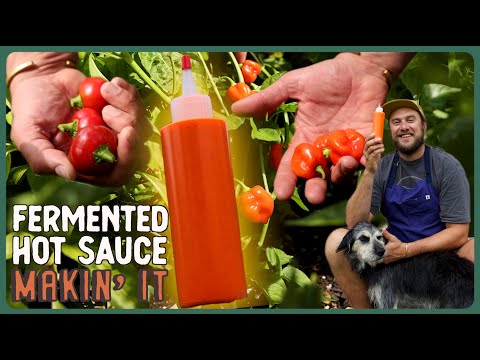
Brad Makes Homemade Fermented Hot Sauce! | Makin' It! | Brad Leone
Brad Leone

Amazing Fermented Hot Sauce Recipe
Live & Grow

How to make your own fermented hot sauce ( please read video description )
Cooking for the missus

Jigsaw - 🔥SUPERHOT🔥 fermented homemade hot sauce!
ChilliChump
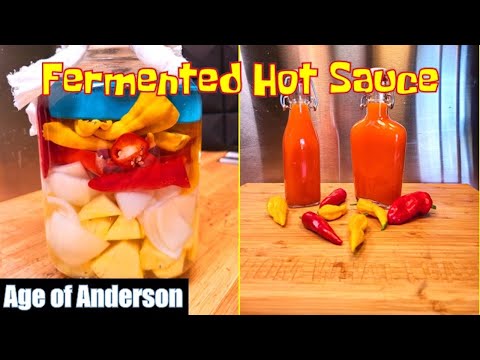
Fermented Hot Sauce
Age of Anderson

How to make Fermented Hot Sauce
ChilliChump

How To Ferment And Make Your Own Hot Sauce, Easily
Joshua Weissman
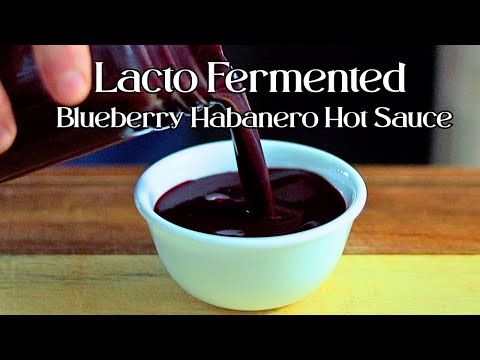
How To Make Lacto Fermented Blueberry Habanero Hot Sauce With A Smoky Finish
Logan's Inner Chef
Similar American Videos
(24 videos)
Batch Prepped SLOW COOKER RECIPES for an easier week
moon + magnolia
Honey Mustard Chicken Recipe
Jen Cooking
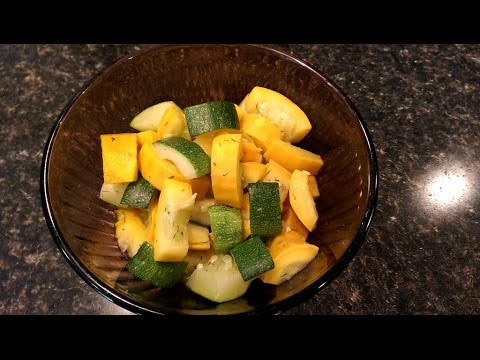
Steamed Zucchini - Bravo Charlie's Episode 23
Charlie Moore

How to make MACARONI SALAD by Kelly Henry #macaronisalad #pastarecipes #veggierecipes
Kelly's Kuisine

Dorito Taco Salad -- Throwback Video Series
Southern Country Living

Sausage Hash Brown Breakfast Casserole
Smokin' & Grillin with AB

Apple Fritter Doughnuts
Laura in the Kitchen

Crab Bisque
Dirty Spoons
Apple Cranberry Pecan Salad
Arabesque Media
Peanut Butter Cookies
Omar Tellow

Pineapple Upside Down Cake | New Year Party Recipe | By Ashley Derick MacDonald | For Cuisine Canvas
Cuisine Canvas

Tuna Noodle Casserole - Food Wishes
Food Wishes

Boston Cream Pie
Preppy Kitchen

Southern Fried Chicken
Smokin' & Grillin with AB

Professional Baker Teaches You How To Make CHOCOLATE CHIP COOKIES!
Oh Yum with Anna Olson

Smoked Shotgun Shells
Meat Church BBQ

Broccoli Cheese Soup
Preppy Kitchen

Broccoli Cheese Soup
Preppy Kitchen

10 Recipes To Sweeten The Holiday Season
Scrumdiddlyumptious

Potato Salad
J. Kenji López-Alt

Peach Cobbler
Preppy Kitchen

5 Classic American Desserts You Must Try at Home! 🇺🇸🍰 #delicious_delights #dessert
Delicious Delights

7 Best Kids Lunch Box Recipes By Recipes Of The World
Recipes of the world
Mousse à la pêche par Pierre-Dominique Cécillon pour Larousse Cuisine
LarousseCuisine
Similar Recipes From Other Cuisines
(24 videos)
How to Make Fermented Papaya Thai Chili Hot Sauce | Lacto-Fermented Hot Sauce Recipe
FarmSteady
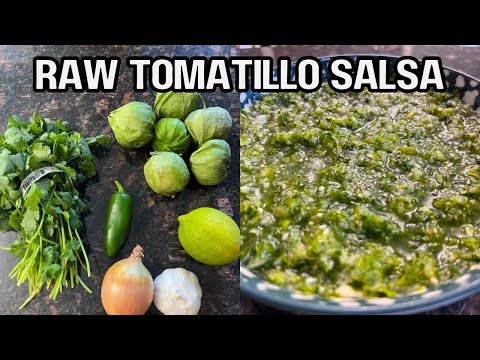
Raw Tomatillo Salsa Recipe 🥗 Fresh Authentic Mexican Flavor in 10 Minutes! Easy, Zesty & Healthy 🔥
Melanie Cooks
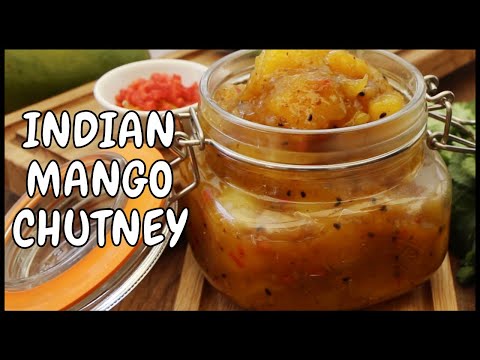
Indian mango chutney easy recipe
Richards Kitchen
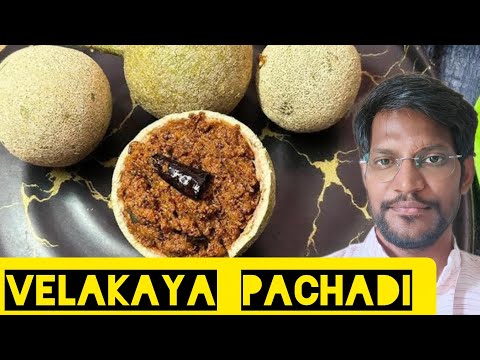
Wood Apple Chutney | Velagapandu Pachadi |Benefits & Recipe | Healthy Traditional Indian Food
Saranyasai World
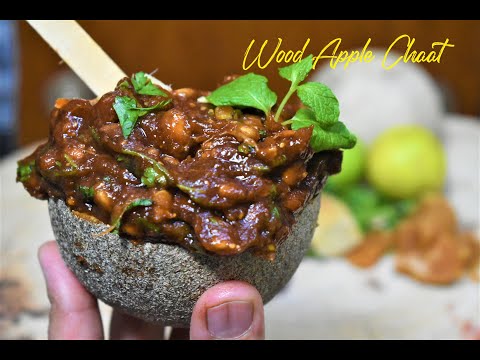
WOOD APPLE 🌶 CHUTNEY | Indian street food │ street chat │ Wood apple chutney
Taj Kitchen

Boost your taste buds with the ultimate Wood Apple Chutney recipe
Simplify ur Cookings

MEXICAN CHILI OIL SALSA Dry Crunchy, Aromatic & Not Spicy
CookingwithGloria

Homemade Goat Pepper Hot Sauce From My Friend Robin! | Fiery Friday SPECIAL EDITION!
Cashew Paul
Hot Sauce
ate76ix
HOMEMADE HOT SAUCE RECIPE - Scotch Bonnet Hot Sauce Recipe - Best Spicy Sauce With Jamaican Peppers
Kaygee79
Raw Tomatillo Salsa | Rick Bayless Taco Manual
Rick Bayless

These 3 DELICIOUS HABANERO SALSA Recipes are Hot, Hotter & HOTTEST! (Fresh, Boiled & Tatemada Syle)
ArnieTex
Walnut Pesto
Dirty Gnomes Gardens

HOW TO MAKE WOOD APPLE CHUTNEY - KODBEL MAKHA (BENGALI STYLE)
Home Cooking22
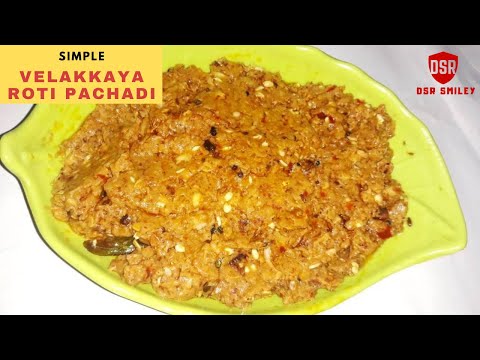
how to make wood apple chutney,velakkaya pachadi,wood apple chutney recipe,velakkaya roti pacchadi
DSR Smiley

WOOD APPLE CHUTNEY-KOTBEL CHUTNEY -BENGALI ACHAR RECIPE
bengali foodeasy

chutney that diminishes all sorts of kidney problems | wood apple KAITHE ki chutney @COOKING TUTION
Anonymous food recipes
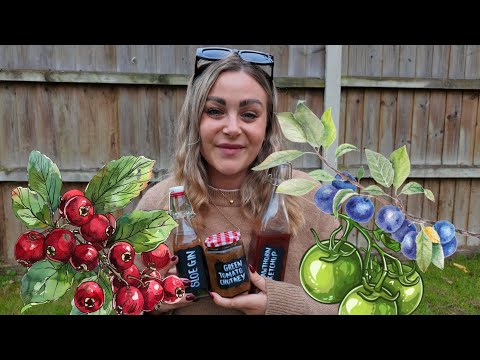
3 Easy Foraged Recipes for Late Summer & Autumn | Hawthorn Ketchup, Green Onion Chutney & Sloe Gin
Tish Does Travel
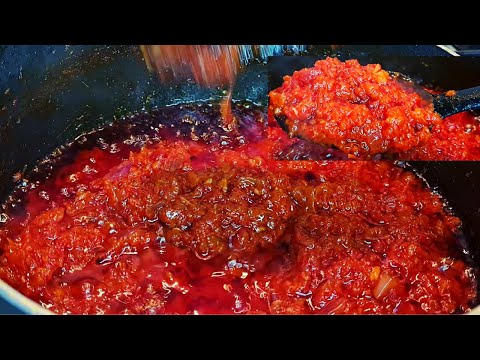
Hot Pepper Sauce Recipe | Scotch Bonnet Hot Sauce Recipe
Ndy Global ASMR
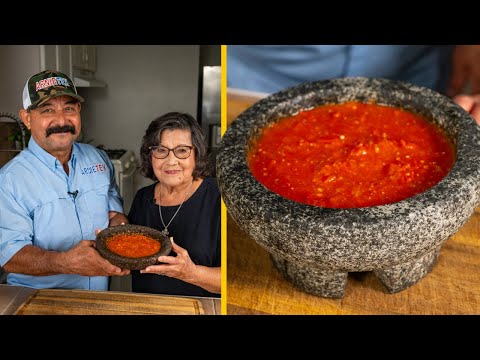
How to Make a SALSA DE CHILTEPÍN (Tepin Chile Recipe from our Garden)
ArnieTex
Tomatillo Ketchup Experiment | I make Tomatillo Ketchup in my Instant Pot
BBGrillShack
Armenian adjika for winter
Сборник рецептов
Recipe: How To Make Red Pepper Sambal | CWF
Cooking With Feffie

2 Cooks in the Kitchen - Morita Salsa
2 Cooks in the Kitchen - Matthew Cook Music