How to Make Olive Oil Without Specialized Equipment

Recipe Information
Extra Virgin Olive Oil
Cultural Context
Originating from the Mediterranean region, extra virgin olive oil has been a staple in culinary traditions for thousands of years. It is celebrated not only for its rich flavor but also for its health benefits, often used in dressings, marinades, and as a finishing oil. Today, it is a global favorite, with various regions producing distinct flavors based on local olives.
Begin by cleaning the olives. Rinse them well and remove any dirt, leaves, twigs, and other debris.
Add the olives to a food processor or blender and process them at a very low speed to blend the pulp of the olives without breaking up the pits. (Blending at too high of a speed could damage your blender.)
If using an immersion blender or a blender with a narrow base, the pits may end up getting stuck between the blades. In that case, remove the olive pits in order to blend the pulp well without damaging your blender. (Once you have blended the olives a bit, the pits should be easy to remove from the rest of the olive mush.)
Blend the olives at low speed for several minutes. This will not only blend the pulp more thoroughly but will also give off heat, which will help the olives release their oil.
After blending, strain out the olive pulp and pits from the liquids using either a strainer or a cotton cloth. The resulting liquid will be a mixture of olive oil and water-soluble olive juice.
Allow the liquid to settle and separate. After some time, the liquid should separate into at least 2 layers with the oil layer floating on top of the juice (water-soluble layer).
Siphon out the lower layer of liquid using food-grade tubing. If you don't have food grade tubing, you can also use straw to help remove the olive juice. (Discard the bitter juice.)
Filter the oil by straining it through several layers of cotton cloth or cheesecloth. This can be done by lining a colander with the cloth and letting the oil filter through, leaving the olive solids in the cloth above.
The oil should be clear now, but you may be left with some juice below it. (The two layers should now be more obvious and easy to distinguish.) Tilt the bottle of olive oil on an angle and use a thin straw to remove the liquid from the bottom of the bottle.
Equipment Needed
Spice Level:
🌶️🌶️🌶️Dietary
Also Known As
More Extra Virgin Olive Oil Videos
(4 videos)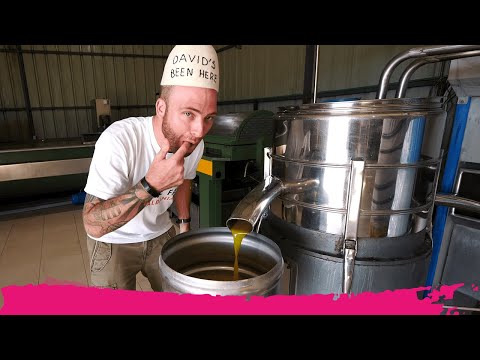
Making ALBANIAN Extra Virgin OLIVE OIL at Turtle Farm Albania - Village Lunch in Daias, Albania
Davidsbeenhere
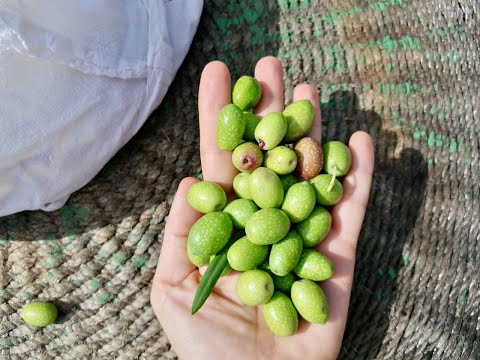
Sicilian Food: How to Make Olive Oil in Sicily!
La Rosa Works Sicily Tours & Travel Presents
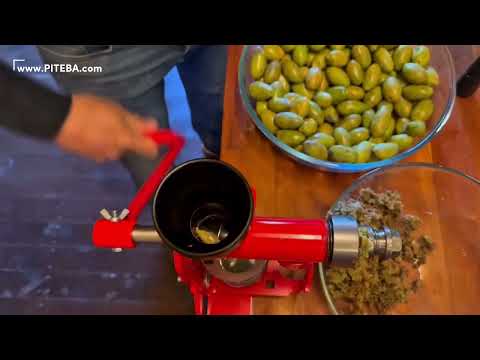
How to make olive oil from fresh olives with a hand press
PITEBA
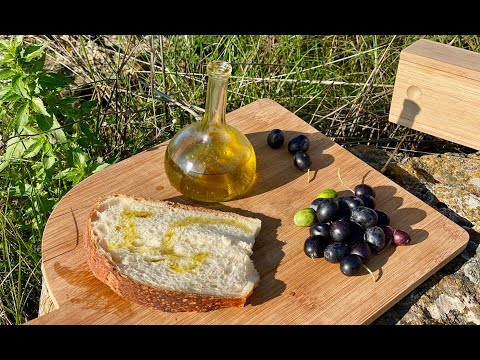
How to Make Olive Oil at Home
cuoredicioccolato
Similar Mediterranean Videos
(24 videos)
Haydari Dip
Meat with O'Meadhra
Irresistible Haydari Dip Recipe
Everything To Taste
A Recipe for Greek Dip With Hummus, Feta & Cream Cheese : Healthy Greek Eats
cookingguide
Homemade Mediterranean Flatbread
Lord Byron's Kitchen
Greek Loaded Hummus (very creamy)
French Kiss Cook
Greek Style Loaded Hummus
Olive & Mango
How to Make Italian Lemon Chicken with The Best Marinade Ever!
Rosie Cooks
These Greek Lamb Burgers Taste Like a Gyro in a Bun! 🇬🇷🍔
Dimitra's Dishes
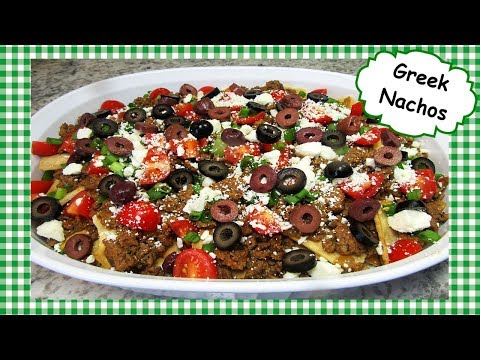
How To Make Pita Chip Greek Nachos ~ Lamb & Pita Chips Nacho Recipe
Tess Cooks 4u
Greek Quesadillas | Delish
Delish
Greek Quesadillas | Akis Petretzikis
Akis Petretzikis

Community Kitchen at Northwestern Medicine Delnor Hospital: Greek Quesadillas
Living Well Cancer Resources
Delicious Turkish Food recipe: Ember Roasted Eggplant in white sauce / Patlıcan Beğendi
Citra's Home Diary
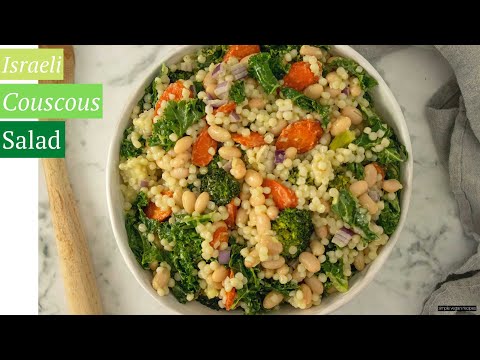
Israeli Couscous Salad
Simple Vegan Recipes by Glue & Glitter
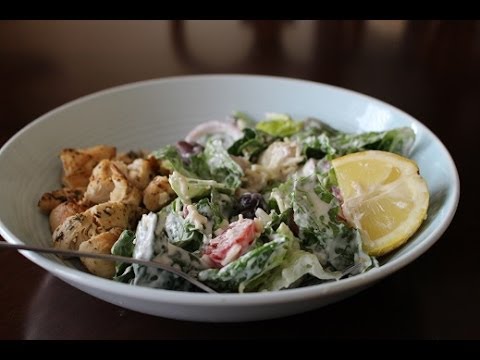
Greek Style Caesars Salad
Dimitra's Dishes
How to make " Grilled Salmon Skewers " with Cooking Guru Chef Ian Kittichai
TOPS THAILAND
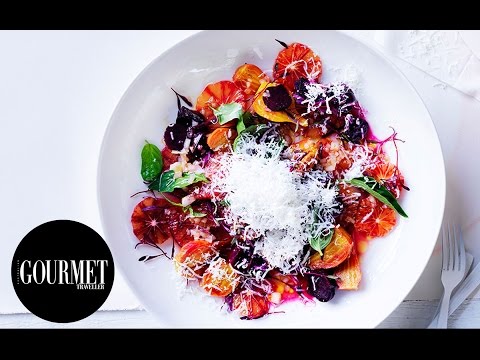
Roast beetroot and blood orange salad | Gourmet Traveller
Australian Gourmet Traveller
Greek Roasted Veggie Wrap
Cucina Aurora
Baked Feta, Olives & Roasted Red Peppers
Ken's Greek Table
How to Make Burgers Greek style BBQ Food
Original Naked Chef
Grilled Eggplant Recipe - Japanese Cooking 101
JapaneseCooking101
Cooking with Rania: Greek Orzo with Roasted Vegetables
CBS Pittsburgh
Greek Chicken and Rice | 1 Hour | Guided Cooking | CHEF iQ Smart Cooker
CHEF iQ
HOW TO MAKE FRIED FISH | HOW TO FRY FISH AT HOME FROM SCRATCH | FRIED HAKE FISH FROM SCRATCH
The Online Cook
Similar Recipes From Other Cuisines
(24 videos)
Mayonnaise Recipe | How to make Mayonnaise
Recipes by Carina
✅NIGERIAN WHOLE WHEAT BREAD RECIPE(100%)| NIGERIAN BROWN BREAD| NIGERIAN BREAD RECIPE
Queenvarieties Channel
7 Best Kids Lunch Box Recipes By Recipes Of The World
Recipes of the world
Avocado Toast
Cooking with Coit

recette Brioche maison facile
douja monde
RECETTE INRATABLE | BRIOCHE MAISON | Pour les nuls en brioche, comme moi !
Eloë 🌸

La Brioche parfaite. Ma recette de brioche à la maison super facile pas à pas .
Boulangerie Pas à pas
Boulangerie - La pâte à brioche
BaKnutt
Recette de Brioche maison moelleuse sans Robot !#brioche # brioche maison
Cooking by Nissou
Simplement la recette de ma brioche maison Francine.
Choumchoumnass.🌹
Brioche extra moelleuse au Thermomix ® "recette facile"
Gourmandise et plaisir
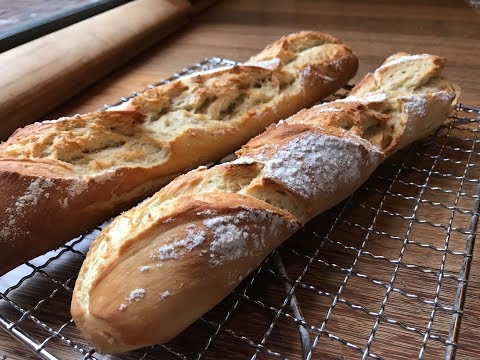
Comment faire une baguette ?
VCE French - Pierrick Hubert
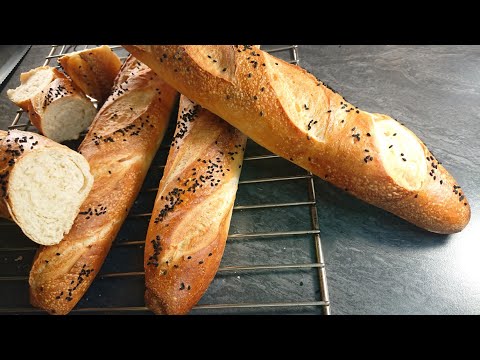
Baguettes fait maison
cuisine et régal
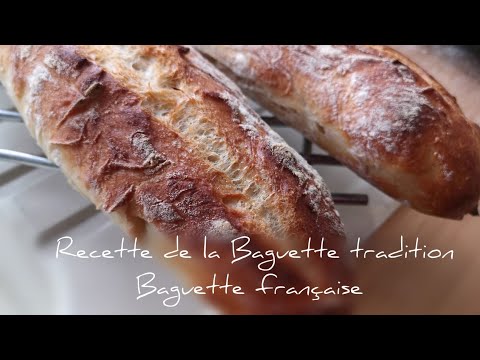
Recette de la tradition - la baguette comme à la boulangerie
Tziganette
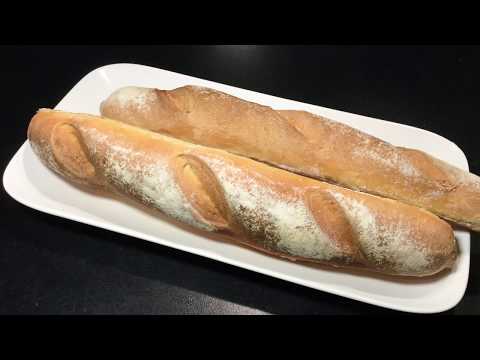
RECETTE FACILE LES BAGUETTES CROUSTILLANTES FAITE MAISON
Casa Bena Cuisine
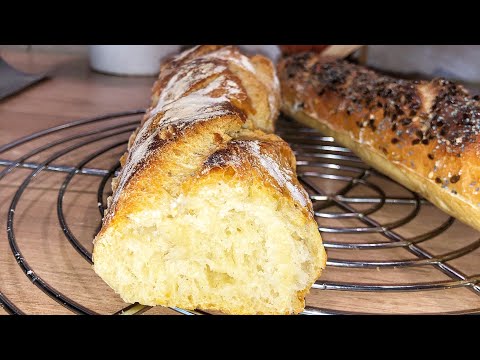
Baguette express et INRATABLE
Marjosamira Cook
RECETTE BAGUETTE MAISON : LA MEILLEUR :)
Nora
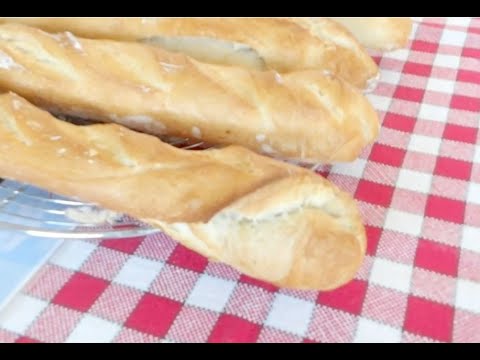
4 petites baguettes maisons à la main dans votre four
Jean Lépine
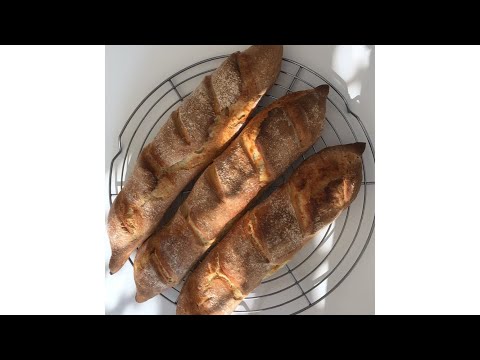
🥖Baguettes homemade croustillantes/mie aérée🥖
Selen Kaymaz
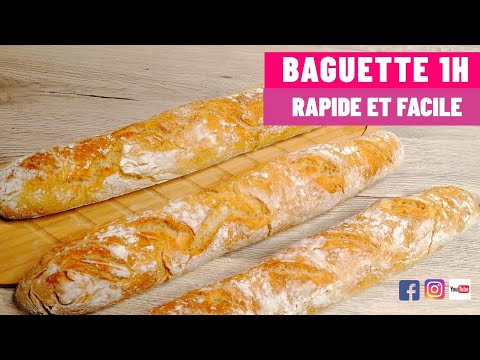
Baguette 1heure. 100%maison 100% rapide et facile.
Made'moizelle Cloé
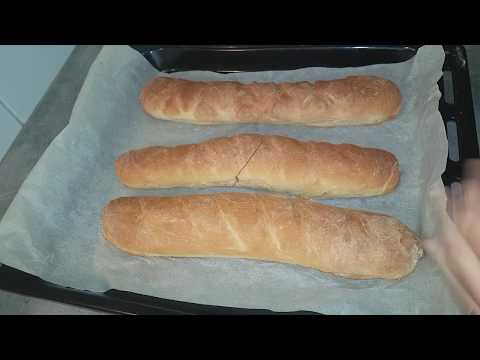
BAGUETTE TRES SIMPLE ET RAPIDE
Sabrina sabi
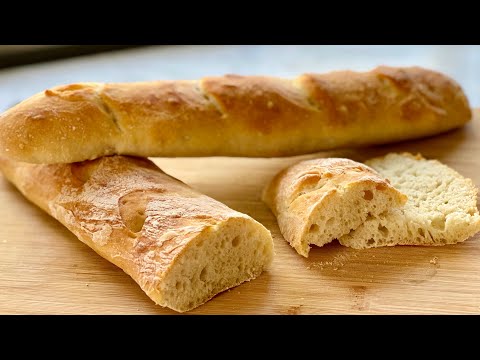
🥖 BAGUETTE MAISON SANS PÉTRISSAGE/ROBOT/MOULE 🥖 la recette express et inratable. Deli Cuisine
Deli Cuisine

RECETTE ORIGINALE DES CROISSANTS MAISON, PAINS AU CHOCOLAT, CHOCOLATINES AU BEURRE, FACILE, ASTUCES
PAPA GÂTEAUX
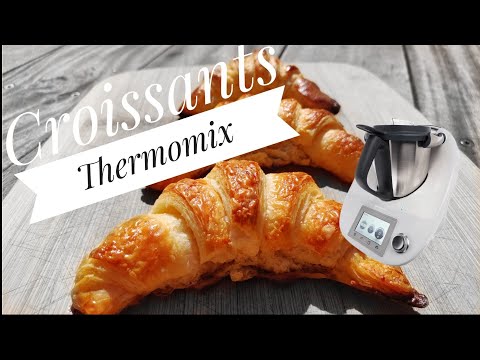
🥐 Croissant 🥐Thermomix faits maison facile! 👍- Préparation pâte feuilletée pliage portefeuille Tuto
Antoine Minart