EASIEST Sourdough Bread Recipe on YouTube | Complete Step-By-Step Process

Recipe Information
Sourdough Bread
Cultural Context
Sourdough bread has a rich history, believed to have originated in ancient Egypt. It is made through a natural fermentation process using wild yeast and bacteria, giving it a distinctive tangy flavor. This method of bread-making has gained popularity in recent years, particularly among home bakers seeking to create artisanal loaves. Sourdough is often celebrated for its crusty exterior and chewy interior, making it a versatile bread for sandwiches or as an accompaniment to meals.
flour
🥗Healthier: whole wheat flour
💰Cheaper: all-purpose flour
Whole wheat flour is more nutritious, while all-purpose flour is often cheaper.
Prepare a new baneton at least 1 day before starting the sourdough.
Rinse off the baneton and let it dry for a few minutes, ensuring it's damp but not dripping wet.
Dust the baneton with 100% rice flour, creating a non-stick layer.
Mix the dough the morning before baking using 500 g of flour (350 g bread flour and 150 g sprouted whole wheat flour).
Add 10 g or 2 tsp of himalayan pink salt and 50 g of unfed starter straight from the fridge.
Mix in 330 g of room temperature water (about 1 and 1/2 cups minus 2 tablespoons).
Let the dough rest for 30 to 60 minutes after mixing to allow the flour to absorb the water.
Feed the starter with 20 g of dark rye flour and 30 g of water, aiming for a thick pancake batter consistency.
Let the starter ferment at room temperature for the rest of the day.
After resting, work out any clumps in the dough and form it into a ball.
Let the dough ferment at room temperature, performing gentle folds every 1 to 3 hours throughout the day.
Try to get in three to four rounds of folds before shaping the loaf for the final proof.
To shape the dough, stretch it out slightly, fold it in thirds, rotate 90°, and roll into a tight log, pinching the seam and sides closed.
Let the shaped dough rest seam side down for about 20 minutes.
Dust the baneton with a little extra rice flour if using a previously used one.
Dust the top of the dough with extra bread flour before transferring it to the baneton, seam side up.
Pull the edges of the dough towards the center to create surface tension.
Let the dough proof overnight at room temperature in the baneton.
Check the starter after about 10 hours of fermentation; it should be bubbly but not necessarily double in volume.
The next morning, the dough should have risen about 1 inch above the rim of the baneton.
Score the loaf using a razor, sharp knife, or scissors.
Cooking Techniques
Equipment Needed
Dietary
Allergens
Also Known As
More Sourdough Bread Videos
(24 videos)
How To Make Classic Sourdough Bread + Jalapeño Cheddar | Step by Step
Melissa B
Easy CLASSIC SOURDOUGH BREAD recipe
Sun Shine Channel
Prepare Two Loaves of Sourdough
Living Well with Mandy
How To Make The Worlds Tastiest Sourdough bread (Updated)
Hobbs House Bakery

How to make simple, classic sourdough bread
Homespun Annie

Dutch Oven Sourdough Bread
The Feathered Nester
How Artisan Sourdough Is Made in a Filipino Bakehouse
For Juan & All

Amazing Sourdough Bread Recipe
Preppy Kitchen

Bake the Perfect Sourdough Bread: A Step-by-Step Guide
Natashas Kitchen
BAKING same day SOURDOUGH BREAD w/ nuts & seeds. Recipe below 👇🏼 #sourdoughbread #sourdoughrecipe
Kaare's Kitchen

Best Beginner Sourdough Recipe - Same-Day Sourdough - Sourdough Bread for Beginners - Unloaf Recipe!
Robyn On The Farm
How To Make Classic Sourdough Bread With Mugwort/기본 쑥 사워도우 브래드 만들기/진한 쑥향이 가득한 몸에 좋고 맛도 좋은 천연발효 빵 만들기
Julie from somewhere
How to Make Whole Wheat Sourdough Bread | Perfect For Sandwiches - ALASKAN Recipe Revealed!
Dawn of Cooking
Baking Therapy: Sourdough Bread
SuburbanHomesteaderWY-AZ
A Frenchman's Guide to Making Sourdough Starter
Alex

How To Make Sourdough Bread For Beginners
The Bare Pantry Show
How to Make Sourdough Bread: A Detailed Guide
Four Seasons North - Biegel Family
Sourdough vs. “Normal” Bread. What’s the Difference?
The Regular Chef
Beginner's Sourdough Bread Recipe (Without Dutch Oven/Banneton)
Milk and Pop | Sourdough & Bread
FAST Sourdough from Scratch 🍞 | Step-by-Step with Amazing Gadgets + GIVEAWAY!
The Inquisitive Farmwife
Easy Ways To Save Time Making Sourdough | HOW TO MAKE TIME FOR SOURDOUGH
moon + magnolia

Easiest Same-Day Sourdough in a Loaf Pan (No Dutch Oven, No Fuss!)
Robyn On The Farm
Same-Day Sourdough Bread Recipe (No Overnight Rest!)
Jenny's European Bakery
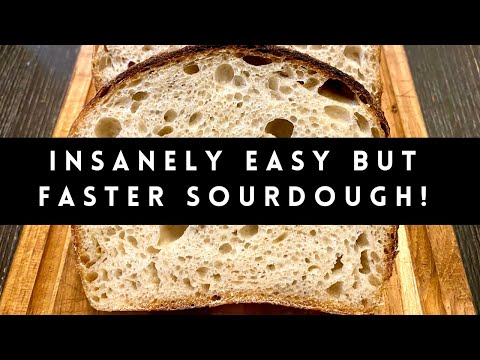
Insanely Easy SAME DAY Sourdough Bread Recipe | No Knead | No Dutch Oven | No Stand Mixer
Rosie's Kitchen Adventures
Similar Baking Videos
(24 videos)
Batch Prepped SLOW COOKER RECIPES for an easier week
moon + magnolia

Honey Mustard Chicken Recipe
Jen Cooking
Steamed Zucchini - Bravo Charlie's Episode 23
Charlie Moore

How to make MACARONI SALAD by Kelly Henry #macaronisalad #pastarecipes #veggierecipes
Kelly's Kuisine

Dorito Taco Salad -- Throwback Video Series
Southern Country Living

Sausage Hash Brown Breakfast Casserole
Smokin' & Grillin with AB

Apple Fritter Doughnuts
Laura in the Kitchen

Crab Bisque
Dirty Spoons
Apple Cranberry Pecan Salad
Arabesque Media
Peanut Butter Cookies
Omar Tellow

Pineapple Upside Down Cake | New Year Party Recipe | By Ashley Derick MacDonald | For Cuisine Canvas
Cuisine Canvas

Tuna Noodle Casserole - Food Wishes
Food Wishes

Boston Cream Pie
Preppy Kitchen

Southern Fried Chicken
Smokin' & Grillin with AB
Professional Baker Teaches You How To Make CHOCOLATE CHIP COOKIES!
Oh Yum with Anna Olson

Smoked Shotgun Shells
Meat Church BBQ

Broccoli Cheese Soup
Preppy Kitchen

Broccoli Cheese Soup
Preppy Kitchen

10 Recipes To Sweeten The Holiday Season
Scrumdiddlyumptious

Potato Salad
J. Kenji López-Alt

Peach Cobbler
Preppy Kitchen

5 Classic American Desserts You Must Try at Home! 🇺🇸🍰 #delicious_delights #dessert
Delicious Delights

7 Best Kids Lunch Box Recipes By Recipes Of The World
Recipes of the world
Mousse à la pêche par Pierre-Dominique Cécillon pour Larousse Cuisine
LarousseCuisine
Similar Recipes From Other Cuisines
(23 videos)
Mayonnaise Recipe | How to make Mayonnaise
Recipes by Carina
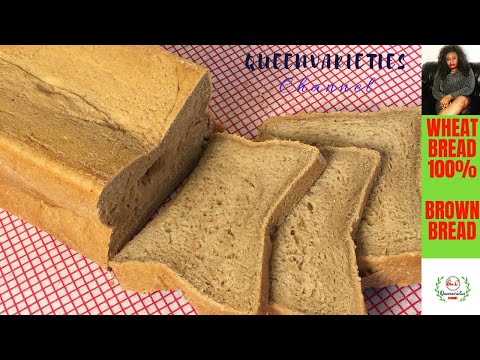
✅NIGERIAN WHOLE WHEAT BREAD RECIPE(100%)| NIGERIAN BROWN BREAD| NIGERIAN BREAD RECIPE
Queenvarieties Channel
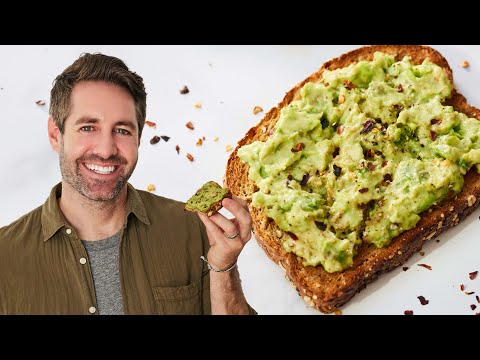
Avocado Toast
Cooking with Coit

recette Brioche maison facile
douja monde

Brioche extra moelleuse au Thermomix ® "recette facile"
Gourmandise et plaisir
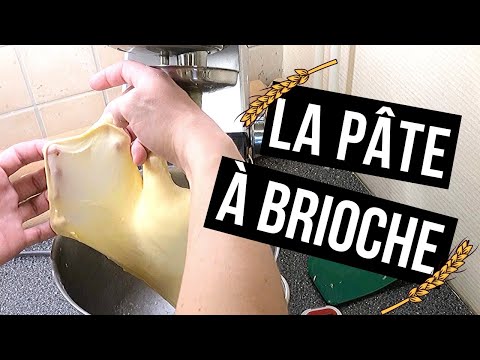
Boulangerie - La pâte à brioche
BaKnutt

Recette de Brioche maison moelleuse sans Robot !#brioche # brioche maison
Cooking by Nissou
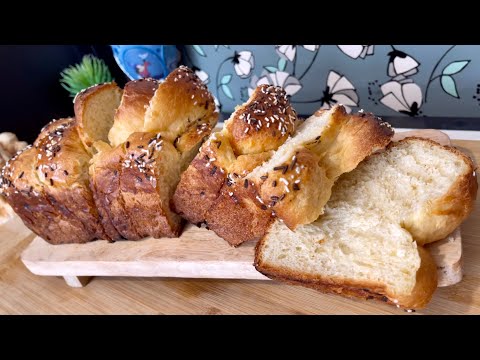
Simplement la recette de ma brioche maison Francine.
Choumchoumnass.🌹

La Brioche parfaite. Ma recette de brioche à la maison super facile pas à pas .
Boulangerie Pas à pas
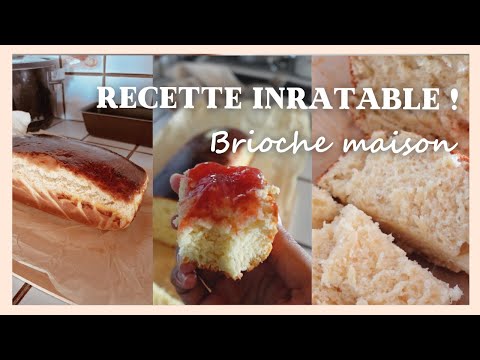
RECETTE INRATABLE | BRIOCHE MAISON | Pour les nuls en brioche, comme moi !
Eloë 🌸
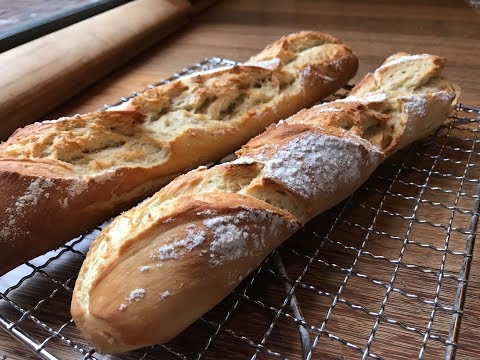
Comment faire une baguette ?
VCE French - Pierrick Hubert
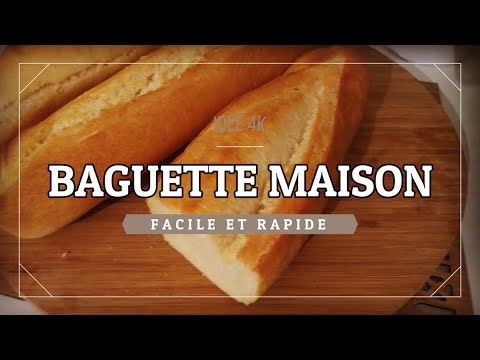
RECETTE BAGUETTE MAISON : LA MEILLEUR :)
Nora

Recette de la tradition - la baguette comme à la boulangerie
Tziganette
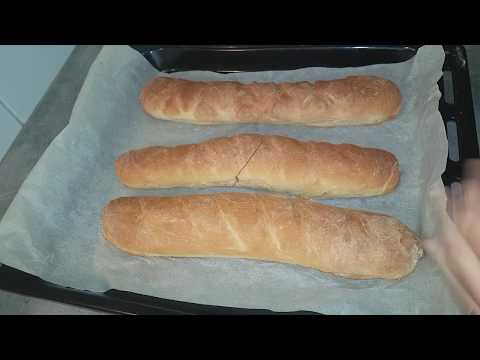
BAGUETTE TRES SIMPLE ET RAPIDE
Sabrina sabi
Baguette express et INRATABLE
Marjosamira Cook

Baguette 1heure. 100%maison 100% rapide et facile.
Made'moizelle Cloé
🥖 BAGUETTE MAISON SANS PÉTRISSAGE/ROBOT/MOULE 🥖 la recette express et inratable. Deli Cuisine
Deli Cuisine
Baguettes fait maison
cuisine et régal
🥖Baguettes homemade croustillantes/mie aérée🥖
Selen Kaymaz

4 petites baguettes maisons à la main dans votre four
Jean Lépine

RECETTE FACILE LES BAGUETTES CROUSTILLANTES FAITE MAISON
Casa Bena Cuisine

Croissants simples
Recette Chef Latifa الشيف لطيفة

RECETTE ORIGINALE DES CROISSANTS MAISON, PAINS AU CHOCOLAT, CHOCOLATINES AU BEURRE, FACILE, ASTUCES
PAPA GÂTEAUX