How to make cheese with Creamery in a Box Starter Kit

Recipe Information
Homemade Cheese
Cultural Context
Homemade cheese has deep roots in Latvian culinary traditions, often made by families using fresh milk from local farms. This simple process reflects the resourcefulness of rural communities, where preserving milk through cheese-making was essential. Today, homemade cheese is cherished for its fresh taste and versatility, often enjoyed in various dishes or simply spread on bread. As global interest in artisanal foods grows, many are rediscovering the joy of making cheese at home, leading to a resurgence of traditional methods.
milk
🥗Healthier: almond milk
💰Cheaper: powdered milk
Almond milk is lower in calories, while powdered milk is often more affordable.
lemon juice
🥗Healthier: vinegar
💰Cheaper: citric acid
Vinegar can be a more cost-effective acid for curdling.
cream
🥗Healthier: Greek yogurt
💰Cheaper: sour cream
Greek yogurt adds creaminess with fewer calories, while sour cream is usually less expensive.
herbs
🥗Healthier: dried herbs
💰Cheaper: no herbs
Dried herbs can be more convenient and cost-effective.
Gather cheese making equipment and sanitize it.
Measure and dilute 1 cup of non-chlorinated water with calcium chloride, culture, and renit.
Pour 1 gallon of milk into a pot or double boiler.
Heat the milk indirectly using a water bath that is approximately 10°F warmer than your target milk temperature.
Add the diluted calcium chloride solution to the milk and stir thoroughly with a curd skimmer.
Cover the milk and place it in the water bath, waiting to reach the first target temperature.
Add the culture to the milk using the same stirring method and decide whether to rest at this temperature or heat immediately.
Add the diluted renit to the milk once the target temperature is reached and stir quickly with the curd skimmer.
Cover and leave the curd to set until the whey separates and the curd is ready to cut.
Cut the curd into a grid pattern using a curd knife, making four cuts in one direction and then perpendicular to create equally sized squares.
Return the pot to the water bath and raise the temperature slowly to cook the curds, ensuring not to overshoot the temperature.
Cut cheesecloth to fit over a double mesh strainer and wet it to prevent sticking, placing it over a bucket or sink to catch the whey.
Lift the pot out of the water bath and pour the curds and whey into the strainer.
Wrap the curds in cheesecloth and place them into a mold, adding a follower and some weight on top to press the cheese.
Flip the cheese a few times during pressing to ensure a smooth surface, rewrapping each time.
Once pressing is done, you can age the cheese for more complex flavors or eat it right away.
Cooking Techniques
Equipment Needed
Spice Level:
🌶️🌶️🌶️Dietary
Allergens
Also Known As
More Homemade Cheese Videos
(23 videos)
How to Make Homemade Cheese 🧀 Traditional Azerbaijani Food 2025
Grandma Cooking
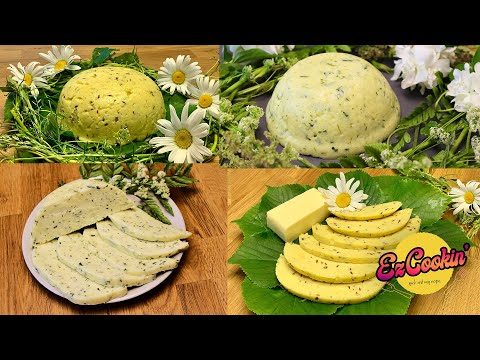
HOMEMADE CHEESE With Various Flavours 💚💛🧡
EzCookin'
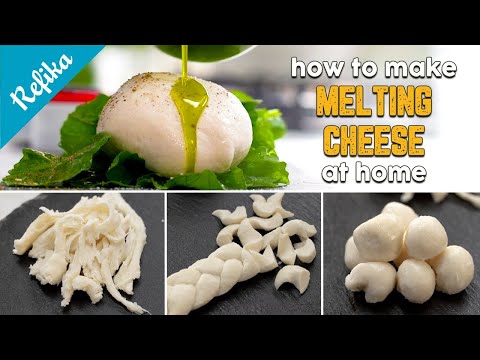
Making CHEESE with milk and just vinegar🧀 in 15 Minutes | Mozzarella, Burrata, melting cheese 🫕
Refika's Kitchen
1 кг сыра из 2 литров молока! Никакого уксуса и лимонной кислоты
Быстро вкусно
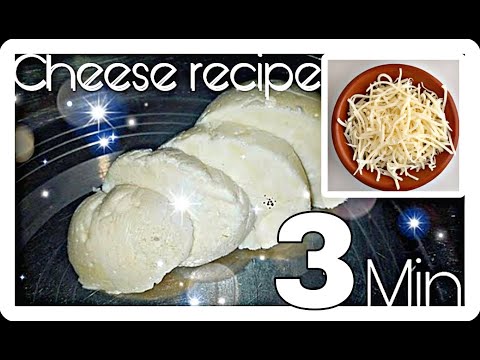
Homemade Cheese recipe in 3 min with 2 ing l घर पर बनाए चीज केवल 3 मिनट में 2 चीजो से ।#cheeserecipe
Raman ki rasoi
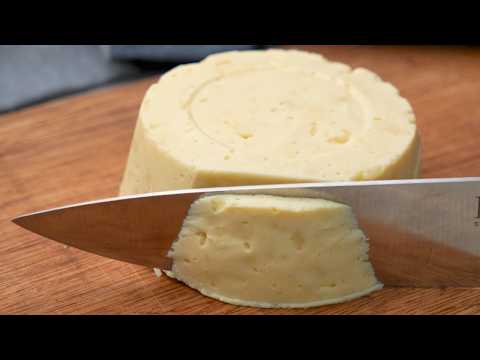
How to Make Cheese at Home (Super Simple Recipe!)
Food How
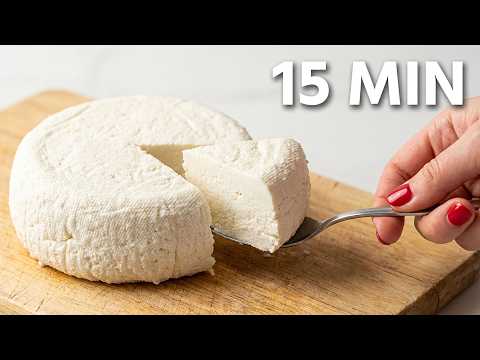
You’ll Never Buy Cheese Again — I Made This at Home
Moja Kuhinja Tanja

A Classic New York Style Cheesecake (With NO Water Bath!)
Sugar Spun Run
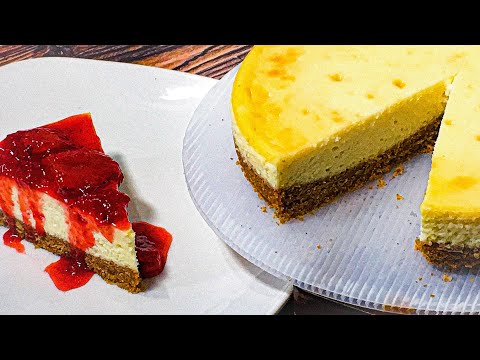
Say goodbye to cracked cheesecakes- How to make NY Cheesecake with Strawberry Sauce
Cooking with Tovia

Perfect Cheesecake Recipe
Inspired Taste

RECEITA MINEIRA❗😍 A VERDADEIRA RECEITA DE PÃO DE QUEIJO TRADICIONAL, FÁCIL E DELICIOSA!
Delícias da Cíntia

HOW TO: PÃO DE QUEIJO (Brazilian Cheese Bread) #CookingCami
Camila Coelho
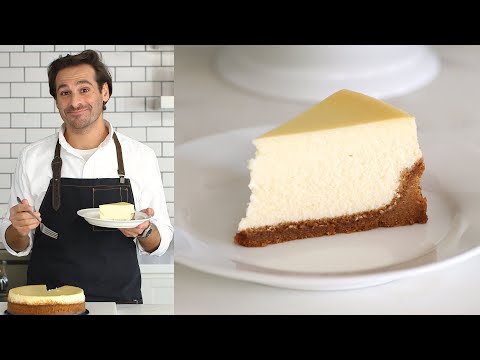
The Best Technique for Classic Cheesecake | Tips for a Light and Creamy Recipe | Kitchen Conundrums
Everyday Food
Professional Baker Teaches You How To Make CHEESECAKE!
Oh Yum with Anna Olson

How to make the PERFECT CHEESECAKE with Cherry Sauce
Natashas Kitchen

Creamy and Decadent New York Cheesecake (No Waterbath)
Brian Lagerstrom

The Easiest New York Cheesecake 2 Ways
Joshua Weissman

How to Make Creamy Classic Cheesecake With No Cracks
Sugar Geek Show
🧀 Warm & Cheesy: Homemade Cheese Bread 🍞🔥
Kənd Həyatı

Homemade Cheese Pie (Sirnica or Pita sa sirom) Recipe 🇧🇦 | Bosnian Pita
Marlette's Life
Homemade Cheese Spread Recipe | How to Make Cheese Spread | by Delhi Cookbook
Delhi Cookbook

Homemade Cheese Crackers | Sally's Baking
Sally's Baking Recipes
Homemade Cheese 🧀 Dip Recipe | How To Make Cheese Sauce | Domino's Style Cheese Dip At Home
SK Khan Recipes
Similar Latvian Videos
(24 videos)
The Russian Soup That Shouldn’t Work… But Totally Does (Solyanka)
Chase Cuttin' Kitchen

How to Make Delicious Homemade Dumplings (Pelmeni) | Authentic Russian Pelmeni Recipe | Epic Recipe
Epic Recipe | Quick & Tasty Meals for Everyone

Latvian Piragi - Super Tasty Snacks Everyone Needs! How To
Baltic Homesteaders
Homemade Pelmeņi: Traditional Latvian Dumplings Recipe!
My Fantasy Homestead

Latvian Pork In Creamy Sauce – Kurzemes Stroganoff. Recipe by Always Yummy!
Always Yummy!
Latvian Bean Salad Recipe | Pupiņu Salāti
AllasYummyFood

Latvian Beet and Bean Salad. Biešu un pupiņu salāti.
Liene's Kitchen

How to Make Latvian Potato Pancakes
Baltic Homesteaders

Latvian Style Gingerbread Cookies
ILZE BE
LATVIAN MEATBALL SOUP RECIPE | Frikadeļu zupa | Фрикадельковый суп
AllasYummyFood
How to make Latvian Layered Rye Bread Dessert | Rupjmaizes kārtojums
AllasYummyFood
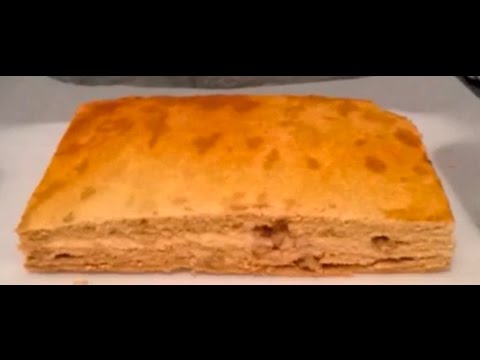
Latvian Honey Cake | Eurovision 2014 Special
Colins Time to Bake
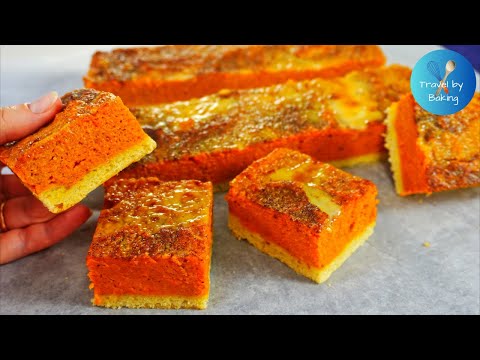
How to bake a carrot sheet cake | Latvian Burkānu Plātsmaize
Travel By Baking
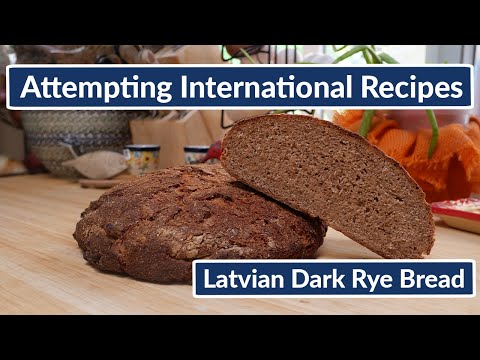
Attempting International Recipes | Latvian Dark Rye Bread
Fruit Salad Social

Grey Peas & Bacon: A National Dish of Latvia Born from Frost, Faith, and Fire
Inside Kitchen Stories

Indulge in these Irresistible Latvian Christmas Sweets, Biscuits and Chocolates
Baltic Homesteaders
How to Make Rūpjmaizes Kārtojums: A Taste of Latvian Tradition #tradition #latvia #youtube #how
THE FOOD FRONTIER
Latvian Cheesecake Recipe (Biezpienmaize) | Latvian Recipes
AllasYummyFood

Latvian Bacon Buns (Pīrāgi , Speķa Pīrādziņi, Piroshki)
yoyomax12 - the diet free zone
How to make Latvian Garlic Bread (Ķiploku grauzdiņi recipe)
AllasYummyFood
Pelmeni Spicy Soup - Russian Dumplings | Русские Пельмени Easy Pelmeni Recipe @PinasTasty
PinasTasty

Russian Beef Soup Recipe | Solyanka | Солянка мясная сборная russian food
AllasYummyFood

These Russian Dumplings Will Blow Your Mind || Fork Yeah
Thrillist

Trying Ukrainian for the First Time
Momsdish
Similar Recipes From Other Cuisines
(24 videos)
Mayonnaise Recipe | How to make Mayonnaise
Recipes by Carina
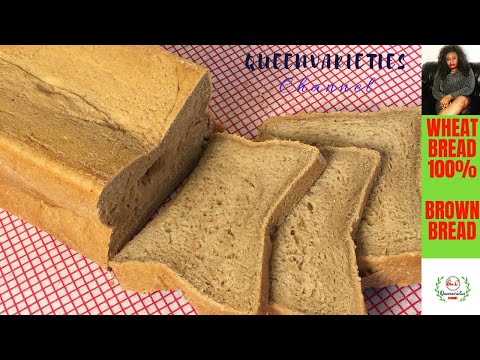
✅NIGERIAN WHOLE WHEAT BREAD RECIPE(100%)| NIGERIAN BROWN BREAD| NIGERIAN BREAD RECIPE
Queenvarieties Channel

7 Best Kids Lunch Box Recipes By Recipes Of The World
Recipes of the world

Avocado Toast
Cooking with Coit

Brioche extra moelleuse au Thermomix ® "recette facile"
Gourmandise et plaisir

Simplement la recette de ma brioche maison Francine.
Choumchoumnass.🌹

Recette de Brioche maison moelleuse sans Robot !#brioche # brioche maison
Cooking by Nissou

recette Brioche maison facile
douja monde
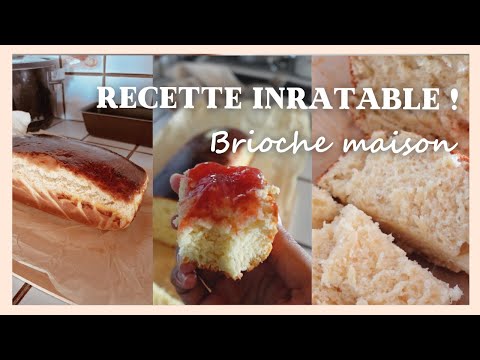
RECETTE INRATABLE | BRIOCHE MAISON | Pour les nuls en brioche, comme moi !
Eloë 🌸

La Brioche parfaite. Ma recette de brioche à la maison super facile pas à pas .
Boulangerie Pas à pas
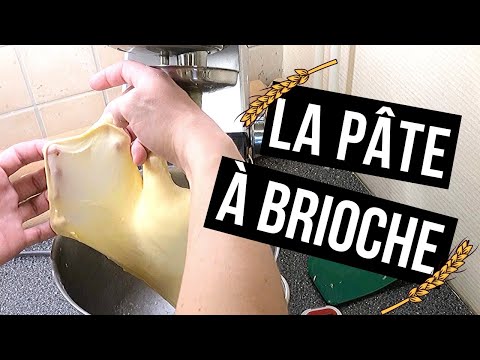
Boulangerie - La pâte à brioche
BaKnutt
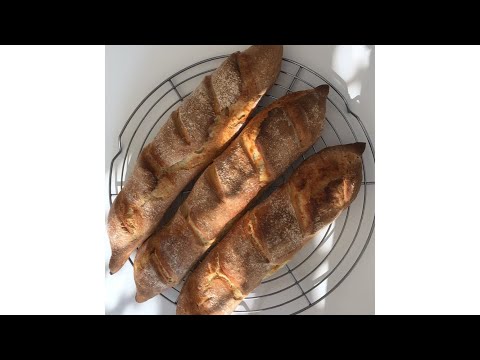
🥖Baguettes homemade croustillantes/mie aérée🥖
Selen Kaymaz

Baguettes fait maison
cuisine et régal

4 petites baguettes maisons à la main dans votre four
Jean Lépine
🥖 BAGUETTE MAISON SANS PÉTRISSAGE/ROBOT/MOULE 🥖 la recette express et inratable. Deli Cuisine
Deli Cuisine
Baguette express et INRATABLE
Marjosamira Cook
RECETTE BAGUETTE MAISON : LA MEILLEUR :)
Nora
RECETTE FACILE LES BAGUETTES CROUSTILLANTES FAITE MAISON
Casa Bena Cuisine

Baguette 1heure. 100%maison 100% rapide et facile.
Made'moizelle Cloé
BAGUETTE TRES SIMPLE ET RAPIDE
Sabrina sabi
Recette de la tradition - la baguette comme à la boulangerie
Tziganette
Comment faire une baguette ?
VCE French - Pierrick Hubert

Croissants simples
Recette Chef Latifa الشيف لطيفة

RECETTE ORIGINALE DES CROISSANTS MAISON, PAINS AU CHOCOLAT, CHOCOLATINES AU BEURRE, FACILE, ASTUCES
PAPA GÂTEAUX