I Made The Juiciest, Crispiest Turkey in Half the Time

Recipe Information
Spatchcock Turkey
Cultural Context
Originating in the United States, spatchcocking is a technique that allows for quicker, more even cooking of poultry. This method has gained popularity for holiday meals, particularly Thanksgiving, as it reduces cooking time while enhancing flavor and juiciness. Today, spatchcock turkey is embraced by home cooks and chefs alike, often featuring in festive gatherings and family feasts.
whole turkey
🥗Healthier: chicken
💰Cheaper: turkey breast
Chicken is leaner, while turkey breast is more affordable.
olive oil
🥗Healthier: avocado oil
💰Cheaper: vegetable oil
Avocado oil has a higher smoke point and is healthier.
fresh herbs
🥗Healthier: dried herbs
💰Cheaper: herb blend
Dried herbs are more accessible and can be used in smaller amounts.
butter
🥗Healthier: olive oil
💰Cheaper: margarine
Olive oil is healthier, while margarine can be a cost-effective substitute.
Remove the neck and giblets from the turkey and set aside on a plate.
Place the turkey breast-side down on a cutting board.
Using kitchen shears, cut along both sides of the backbone to remove it.
Set the backbone aside with the giblets and neck.
Press down on the sternum to flatten the turkey.
Pat the turkey dry on all sides with paper towels.
Transfer the turkey onto a rack in a 200 hotel pan or a half-size cookie sheet.
Generously season both sides of the turkey with coarse salt and black pepper.
Dry brine the turkey uncovered in the refrigerator for 12 to 24 hours.
Take the turkey out of the fridge 20 to 30 minutes before cooking to take the chill off.
Chop one yellow onion, two ribs of celery, two carrots, and two parsnips (if using) into rough pieces.
Smash three whole garlic cloves and add them to the bowl with the chopped vegetables.
Chop the backbone into three large pieces and add to the bowl with the vegetables.
Cut the turkey neck in half and add to the bowl, along with the turkey heart.
Add three sprigs each of fresh thyme, rosemary, and sage to the bowl.
Season the vegetable mixture with coarse salt and black pepper, and coat with 3 tablespoons of olive oil.
Mix the vegetable mixture until combined.
Pour out any liquid that has collected at the bottom of the pan with the turkey.
Spread the turkey pieces and coated veggies in the pan and place the turkey back on the rack.
In a food processor, combine 3 tablespoons of coarse salt, 1 teaspoon of ground black pepper, 1/4 cup of fresh parsley leaves, optional lemon zest, 1.5 tablespoons of fresh thyme leaves, 1.5 tablespoons of rosemary leaves, and 15-18 fresh sage leaves.
Process until the herbs are finely ground and incorporated into the salt.
In a small saucepan, melt 2 sticks of unsalted butter with 1 tablespoon of finely grated shallot and 2 finely grated garlic cloves.
Add 1/2 cup of dry wine and 1.5 tablespoons of herb salt to the butter mixture and combine.
Use a turkey injector to inject the herb butter into the turkey, focusing on the breast, thighs, drums, and wings.
If you don't have an injector, mix the same ingredients with half the amount of white wine and use a stand mixer to whip them together, then shove the herb butter under the skin of the turkey.
Tuck the wings behind the turkey to stabilize it.
Insert a thermometer into the thickest part of the breast.
Roast the turkey in the oven at 425°F convection or 450°F no convection until it reaches 160°F internally, which took about 1 hour and 10 minutes for a 12 lb bird.
Let the turkey rest for 25 to 30 minutes after removing it from the oven.
Drain the fat from the bottom of the roasting pan through a fine mesh strainer.
Deglaze the roasting pan with 1 cup of dry white wine over medium heat, scraping the fond from the bottom.
Cooking Techniques
Equipment Needed
Spice Level:
🌶️🌶️🌶️Allergens
Also Known As
Other Takes on Turkey
(24 videos)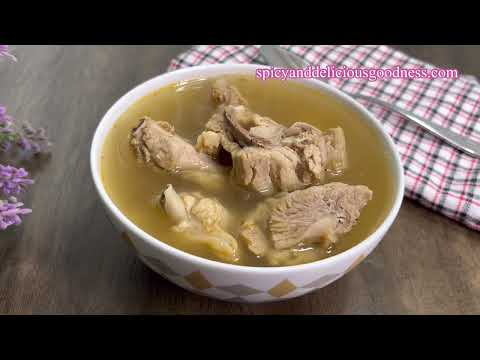
PEPPER SOUP RECIPE | HOW TO COOK AUTHENTIC DELTAN TURKEY PEPPER SOUP | @SpicyDeliciousGoodness
Spicy & Delicious Goodness
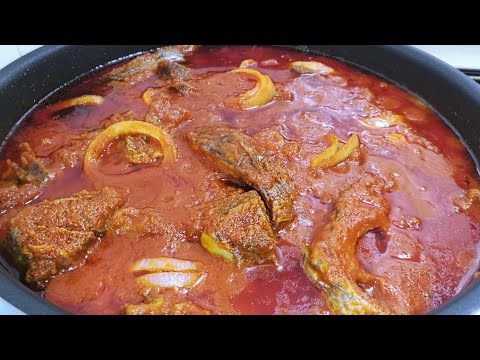
How to make Delicious Turkey Stew
Rolindatv

Healthy Ground Turkey Tacos Recipe
JoyFoodSunshine

How to make Nigerian Turkey Stew for Beginners| Step by step | very detailed
Tspices Kitchen

Christmas Turkey Stuffed Dough Balls Recipe
Twisted

Easy Greek Style Roast Turkey With Rice Chestnuts And Lemon Potatoes
World Recipes - English
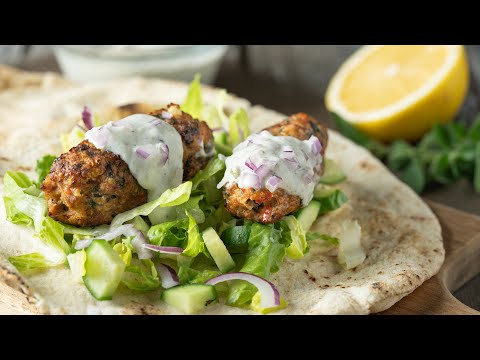
Transform Ground Turkey Into a Delicious Dinner|Greek Turkey Koftas
Compelled to Cook
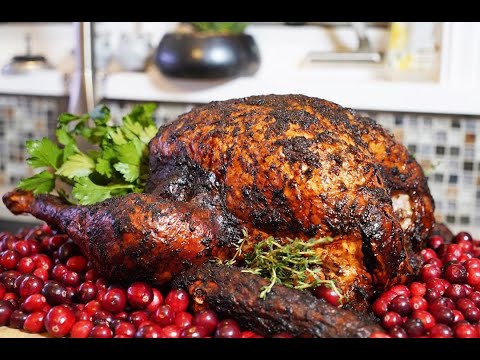
Smoked Jerk Turkey | CaribbeanPot.com
caribbeanpot

BAKED JAMAICAN JERK TURKEY | HOW TO MAKE SPATCHCOCK JERK TURKEY IN THE OVEN VIDEO RECIPE
Vel Dogg's Kitchen

Best deep fried Jerk Turkey with citrus beurre Blanc sauce by Spice King Keith Lorre
Spice King Keith Lorren

How to Make Tennessee Smoked Turkey Sandwiches
America's Test Kitchen

How to cook a turkey for Christmas | Our fool-proof dry brine turkey recipe | delicious. Australia
delicious. Australia

Teriyaki Turkey Meatballs - Japanese Cooking 101
JapaneseCooking101
Rating Food Influencer Giada De Laurentiis' Tuscan Turkey Soup
Christine's Natural Kitchen
How To Make Easy Mexican Stuffed Bell Peppers
Rockin Robin Cooks

Grilled Turkey Burger Recipe - How to Make Greek Turkey Burgers on the Weber Kettle
SnS Grills
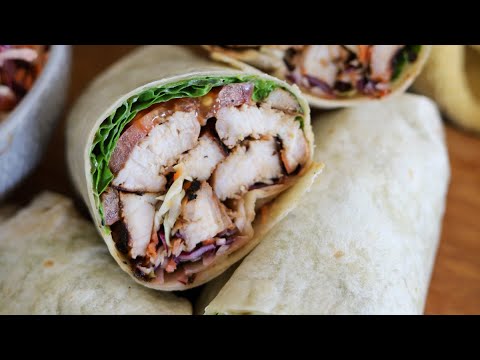
JERK TURKEY WRAP | easy, healthy turkey recipe | The Seasoned Skillet
Taneisha - The Seasoned Skillet
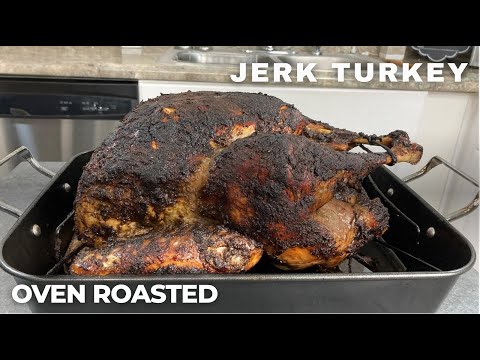
Oven Roasted Jerk Turkey: A Delicious and Bold Alternative to Traditional Roasted Turkey!
Acaiguy Cooks
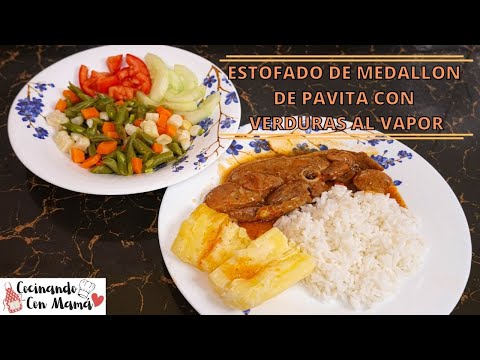
Estofado de Pavita con Ensalada de Verduras, está delicioso!!!
Cocinando con Mamá Perú
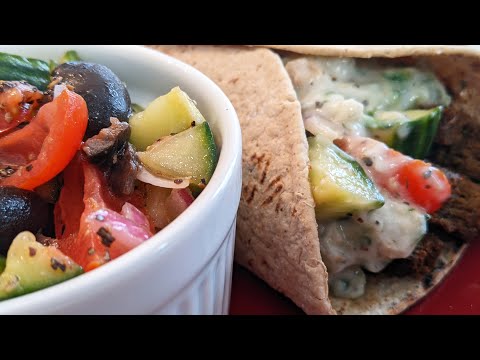
Healthier Greek Turkey Gyros with Non-Dairy Tzatziki Sauce and Tomato & Cucumber Salad
Schweet Life Cooking
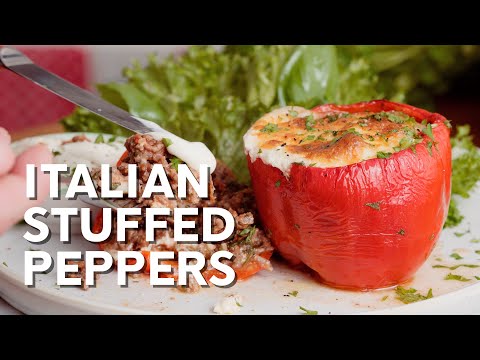
Italian stuffed bell peppers with ground turkey
Diet Doctor
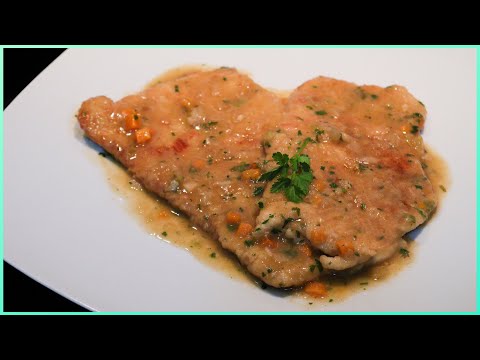
Turkey Scaloppine with White wine sauce | Scaloppine al vino bianco | Original Italian recipe
Jennel Letizia

Turkey Neck Pot-au-Feu | Jacques Pépin Cooking At Home | KQED
KQED

Turkey Neck Pot-au-Feu Recipe
Mary's Nest
Similar American Videos
(24 videos)
Batch Prepped SLOW COOKER RECIPES for an easier week
moon + magnolia
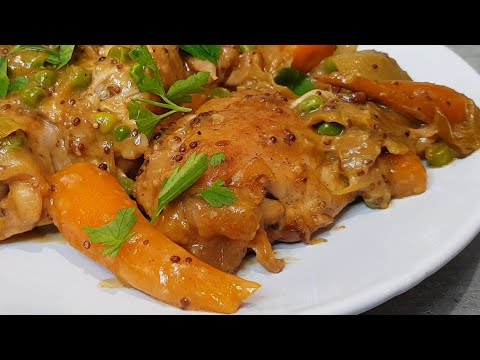
Honey Mustard Chicken Recipe
Jen Cooking
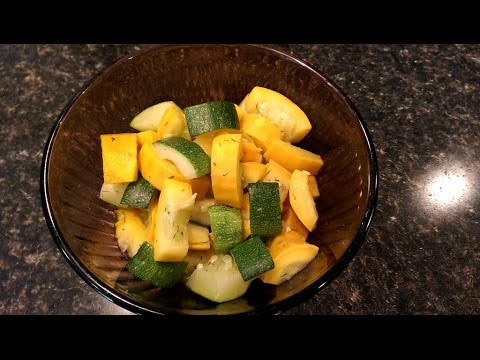
Steamed Zucchini - Bravo Charlie's Episode 23
Charlie Moore

How to make MACARONI SALAD by Kelly Henry #macaronisalad #pastarecipes #veggierecipes
Kelly's Kuisine

Dorito Taco Salad -- Throwback Video Series
Southern Country Living

Sausage Hash Brown Breakfast Casserole
Smokin' & Grillin with AB

Apple Fritter Doughnuts
Laura in the Kitchen

Crab Bisque
Dirty Spoons
Apple Cranberry Pecan Salad
Arabesque Media

Peanut Butter Cookies
Omar Tellow

Pineapple Upside Down Cake | New Year Party Recipe | By Ashley Derick MacDonald | For Cuisine Canvas
Cuisine Canvas

Tuna Noodle Casserole - Food Wishes
Food Wishes

Boston Cream Pie
Preppy Kitchen

Southern Fried Chicken
Smokin' & Grillin with AB

Professional Baker Teaches You How To Make CHOCOLATE CHIP COOKIES!
Oh Yum with Anna Olson

Smoked Shotgun Shells
Meat Church BBQ

Broccoli Cheese Soup
Preppy Kitchen

Broccoli Cheese Soup
Preppy Kitchen

10 Recipes To Sweeten The Holiday Season
Scrumdiddlyumptious

Potato Salad
J. Kenji López-Alt

Peach Cobbler
Preppy Kitchen

5 Classic American Desserts You Must Try at Home! 🇺🇸🍰 #delicious_delights #dessert
Delicious Delights

7 Best Kids Lunch Box Recipes By Recipes Of The World
Recipes of the world
Mousse à la pêche par Pierre-Dominique Cécillon pour Larousse Cuisine
LarousseCuisine