How To Make The Flakiest Croissants Ever! (Beginner Friendly Recipe)

Recipe Information
Croissants
Cultural Context
Croissants are a quintessential French pastry, known for their flaky texture and buttery flavor. They are often enjoyed at breakfast or as a snack, and are a staple in French bakeries. The origins of the croissant are debated, with some tracing it back to Austria, while others credit France for its popularization. Regardless, they have become synonymous with French cuisine and culture, often paired with coffee or hot chocolate in cafes.
all-purpose flour
🥗Healthier: whole wheat flour
Whole wheat flour adds more fiber and nutrients.
butter
🥗Healthier: margarine
💰Cheaper: vegetable shortening
Margarine can be lower in saturated fat, while shortening is often cheaper.
Weigh out 66 g of granulated sugar and add it to a mixing bowl.
Add 1 tablespoon of kosher salt to the bowl.
Measure 66 g of warm whole milk at about 105°F and add it to the bowl.
Measure 214 g of warm water at the same temperature and add it to the bowl.
Add 7 g of active dry yeast into the wet mixture and whisk until well combined, watching for bubbles to form.
Cover the bowl and let the yeast activate for a few minutes.
In a separate mixing bowl, add 605 g of bread flour and sift it into the bowl.
Add the rest of the dry ingredients to the flour and attach the bowl to a stand mixer.
Turn the mixer on low speed and add the wet mixture to the dry ingredients, mixing until combined.
Use a plastic spatula to scrape down the sides of the bowl as needed, mixing for about 6-7 minutes until the dough looks ragged.
Cover the bowl with a kitchen towel and let the dough rest for about 15 minutes.
After 15 minutes, turn the mixer back on at low speed (2 or 3) and add 57 g of cold butter straight from the freezer.
Mix for about 7 minutes until the dough becomes smoother.
Shape the dough into a smooth ball and tuck it underneath itself to prevent spreading during the rise.
Cut a cross into the top of the dough for shaping later.
Let the dough rest at room temperature for about an hour, then place it in the fridge overnight for a cold rise.
Prepare the butter block by using 3 sticks of butter, folding parchment paper over them to create an envelope.
Smash the butter down gently to form a block, then roll it into a rectangle.
Refrigerate the butter block overnight.
The next day, check that the dough has doubled in size and roll it out into a uniform shape.
Place the dough in the freezer for 20 minutes, then in the fridge for about an hour to keep it cold.
Once cold, place the butter block in the center of the dough and fold the dough over the butter without overlapping.
Pinch down the sides and roll the dough out to spread the butter evenly.
Fold the dough into thirds to create four layers (first turn).
Wrap the dough in plastic wrap and place it in the freezer for 20 minutes, then in the fridge for another hour.
For the final turn, roll the dough out again, fold it, and wrap it up to chill in the fridge overnight.
The next day, roll the dough out into a rectangle and cut the edges to shape it.
Measure and cut 1-inch slits to create even slabs, then use a pizza cutter to cut triangles from each slab.
Stretch the sides of each triangle gently and roll from the bottom up to form the croissant shape, pressing the end down to keep it intact.
Proof the shaped croissants one last time.
Cooking Techniques
Equipment Needed
Dietary
Allergens
Note
Origin debated between Austria and France.
Also Known As
More Croissants Videos
(24 videos)
RECETTE ORIGINALE DES CROISSANTS MAISON, PAINS AU CHOCOLAT, CHOCOLATINES AU BEURRE, FACILE, ASTUCES
PAPA GÂTEAUX

Croissants simples
Recette Chef Latifa الشيف لطيفة

Les croissants - ALP
Apprendre La Pâtisserie - ALP

Faire ses croissants à la maison ! Recette au Levain de Lait / (boulangerie en confinement 2/3)
Nina Metayer

Apprenez à faire des croissants maison feuilletés comme en boulangerie - pâtisserie !
VocationPatisserie

8 croissants simplissimes
Cuisine Tii

Croissants croustillants à base de pâte feuilletée toute prête. Recette très simple !
La cuisine d'Irène

Les Croissants Maison // Les Secrets de Muriel
Les secrets de Muriel

Croissants moelleux et fondants – une recette simple avec des résultats étonnants ! | Savoureux.TV
Savoureux.tv

Recette rapide des croissants
Giusté Cuisine

How to Make Croissants | Pastry Maestra
Pastry Maestra

How to Make Croissants | Recipe
Buttermilk Pantry
3 Quick Ways to make French Croissants Recipe - By CLOVER
ExpressoRecipes

HOW TO MAKE CROISSANTS RECIPE - HOMEMADE CROISSANTS
NicHomecooking

Homemade Croissants Recipe Demonstration - Joyofbaking.com
Joy of Baking

How To Make Homemade Croissants Recipe | Sorted Food
Sorted Food

2 HOUR Croissants - The quickest way to make croissants so that you can enjoy them sooner!
The Global Local Cafe

The Easiest way to make CROISSANTS | NO Folding
Emma's Goodies

How to make croissants - The Victorian Way
English Heritage

How To Make: Croissants
KAM Appliances

STEP-BY-STEP CROISSANTS FOR BEGINNERS: How to Make Croissants at Home (Without Sourdough)
Lauren I A Bright Moment

Croissants - Food Wishes - Crispy Butter Croissants
Food Wishes
Making the Best Croissants in NYC | Made to Order | Bon Appétit
Bon Appétit

I found the easiest way to make croissants. You will be amazed by the result
A COOKING BOOK
Similar French Videos
(24 videos)
Mayonnaise Recipe | How to make Mayonnaise
Recipes by Carina
Recipe: Summer Berry Terrine (CLOVER)
ExpressoRecipes

BEIGNETS FRITS Recette facile - Fait maison
kado cuisine
Gâteau au yaourt en 1 minute . Bon et moelleux. Recette facile et rapide
Les délices de Maha
Gâteau au yaourt - 10 leçons pour le réussir
Julie Andrieu - Chaîne officielle
Ne jetez plus le pain sec – Pain perdu – French toast
Ema Cook and Bake
![[Recette] - Pain perdu (French toast) - Banane Chocolat - Sans balance](https://img.youtube.com/vi/NwOJPNwr9tg/hqdefault.jpg)
[Recette] - Pain perdu (French toast) - Banane Chocolat - Sans balance
La cuisine de Clément
Recette de Pain Perdu / French toast - English subtitles - 750g
750g
Idée de poulet rôti pour la fête
Mounira recette

Aligot: Le Plat Réconfortant Parfait 🧀🥔 | Recette Facile
Julien Cadeau
L'aligot, avec les secrets du Chef Philippe Etchebest
Quitoque
L'Aligot très facile à faire et savoureux #aligot
Oum Arwa
Recette de l'Aveyron : Aligot
TourismeAveyron
L’aligot par Guy Demarle
Guy Demarle

Tartiflette 🚠 | Lidl Cuisine
Lidl Cuisine
Tartiflette de Cyril Lignac | Recette gourmande
Recettes Cooking
Comment faire une vraie tartiflette ? La meilleure recette !
The Best Recipes
Tartiflette Maison - Recette Simplissime
Edith et sa cuisine
LA TARTIFLETTE
Casa Bena Cuisine
The Tartiflette by Thermomix
Les ateliers de Thermoninie
Recette Tartiflette #Thermomix #MonsieurCuisineConnect
Amel “Madame Monsieur Cuisine” MMC
Tartiflette à ma façon recette cookeo
SPORT ET VIE PRATIQUE
Tartiflette facile
Chocmiel

Vlog du 16 avril 2018 : Ménage et recette tartiflette !!!
sandra, maman et tellement plus !
Similar Recipes From Other Cuisines
(24 videos)
✅NIGERIAN WHOLE WHEAT BREAD RECIPE(100%)| NIGERIAN BROWN BREAD| NIGERIAN BREAD RECIPE
Queenvarieties Channel

7 Best Kids Lunch Box Recipes By Recipes Of The World
Recipes of the world

Avocado Toast
Cooking with Coit
Cómo PREPARAR el mejor CHIMICHURRI casero en minutos ¡Sorprende a todos con tu sazón!
Esto está Canijo
Salsa Yucateca - Cebolla y Habanero - Picosita!!
Mi Cocina Rápida - Karen
Mermelada de melocotón
Las Recetas De Mi Madre

CÓMO HACER SALSA VERDE
Alito Al Sazón
Salsa Verde en Molcajete
Super Ama de Casa

Como preparar el Hogao Colombiano
Mi Pueblito Restaurant

SALSA CHIMICHURRI la original - receta en español, molho chimichurri subtitulos em português
Temperos e Sabores

PAN para HAMBURGUESA casero
Anna recetasfaciles
Cómo cortar Jamón Ibérico
Cerdoh! ibéricos

Cómo cortar jamón ibérico en 59 segundos
Jamones Ibéricos JAMIVI
Cómo cortar jamón a cuchillo, con Raquel Acosta
Monte Nevado
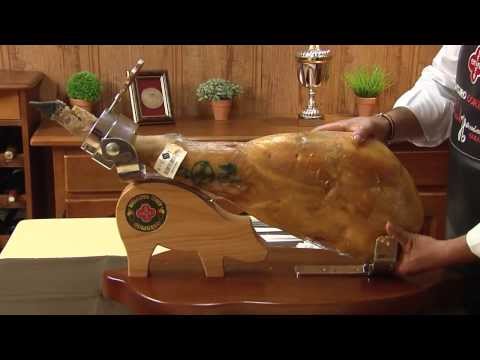
(ES) Cómo cortar jamón Ibérico
Jamón BEHER
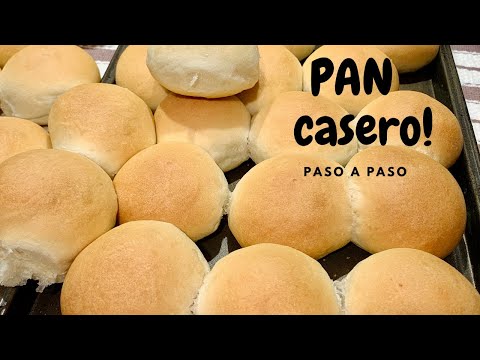
Cómo hacer PAN salvadoreño receta para principiantes
fusion comida salvadoreña

서울 동대문구 이문동으로 새로운 사무실 이전하고 첫번째 소스, 잡채소스 ! 잡채 양념은 이렇게 하세요!
요리는 레시피다
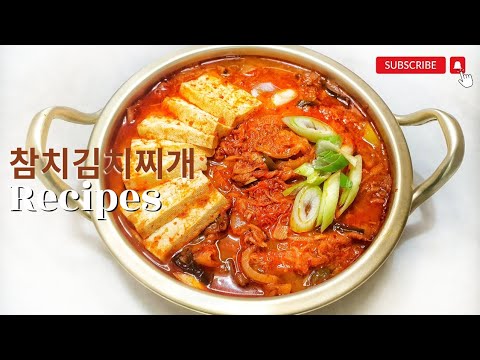
유명한참치김치찌개전문점황금레시피공개|일반김치에서묵은지김치로만드는비법|요즘식구들이이것만 끓여달래요~Tuna Kimchi Jjigae
도터키친daughter kitchen
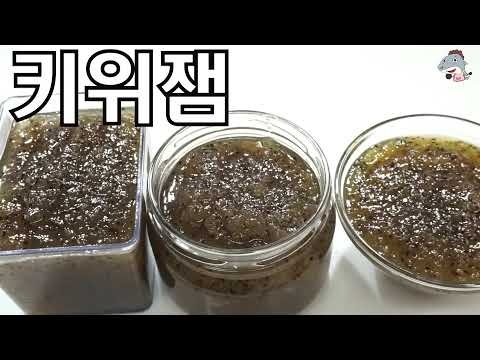
#키위잼 새콤달콤한 키위쨈 만들기
상어이모
![[3분 요약] 오이피클 맛있게 만드는법 ! 누구나 쉽게 가정에서 훌륭한 오이 피클을 만들 수 있습니다. 반찬, 안주 or 피자, 치킨과 함께 드세요. Cucumber Pickle.](https://img.youtube.com/vi/6JizjGxBsGk/hqdefault.jpg)
[3분 요약] 오이피클 맛있게 만드는법 ! 누구나 쉽게 가정에서 훌륭한 오이 피클을 만들 수 있습니다. 반찬, 안주 or 피자, 치킨과 함께 드세요. Cucumber Pickle.
백길월의 한식요리

大阪市北区洋食屋の本格タルタルソース
杉本家の晩ごはん

うちの郷土料理~次世代に伝えたい大切な味~ 北海道「ニシン漬け」レシピムービー
maffchannel

【日本の屋台料理】はしでお好み焼きをグルグルで食べる はしまき
日本食文化ガイド

【玉ねぎ】キャベツの味噌汁【作り方】
まいにち3品レシピ