5 Fermented foods for better gut health | Healthy Living with Megan Evans

Recipes in this Video
Kimchi is a traditional Korean side dish made from fermented vegetables, primarily napa cabbage and Korean radish. It is a staple in Korean cuisine, often served with meals and known for its bold flavors and health benefits. The fermentation process not only enhances the taste but also preserves the vegetables, making kimchi a versatile dish that can be enjoyed year-round. Its origins date back centuries, with various regional variations reflecting local ingredients and preferences.
Ingredients
- ●napa cabbage
- ●Korean radish
- ●salt
- ●garlic
- ●ginger
- ●Korean red pepper flakes
- ●fish sauce
- ●scallions
Instructions
- 1Cut the napa cabbage into quarters and remove the core.
- 2Sprinkle salt between the leaves and let it sit for a few hours to wilt.
- 3Rinse the cabbage thoroughly to remove excess salt.
- 4In a bowl, mix garlic, ginger, Korean red pepper flakes, and fish sauce to create the paste.
- 5Add the chopped scallions and Korean radish to the paste and mix well.
- 6Combine the paste with the cabbage and ensure it's evenly coated.
- 7Pack the mixture tightly into a jar, leaving some space at the top.
- 8Seal the jar and let it ferment at room temperature for a few days before refrigerating.
Ingredient Alternatives
napa cabbage
Healthier: savoy cabbage
Cheaper: green cabbage
Savoy cabbage is more nutritious, while green cabbage is often less expensive.
fish sauce
Cheaper: soy sauce
Soy sauce is a budget-friendly alternative for a vegetarian option.
Equipment
Also Known As
Sauerkraut has its roots in Germany, where it has been a staple since the 16th century, originally used as a way to preserve cabbage through fermentation. This tangy dish is not only a beloved side for sausages and meats but also a symbol of German culinary tradition. Today, sauerkraut is enjoyed worldwide, often featured in various cuisines, from Polish bigos to American hot dogs, showcasing its versatility and enduring appeal.
Ingredients
- ●cabbage
- ●salt
- ●caraway seeds
- ●juniper berries
- ●garlic
- ●onion
- ●bay leaves
- ●peppercorns
Instructions
- 1Shred the cabbage finely using a knife or mandoline.
- 2Combine shredded cabbage with salt in a large bowl.
- 3Massage the cabbage and salt together until the cabbage releases its juices.
- 4Add caraway seeds, juniper berries, garlic, onion, bay leaves, and peppercorns to the mixture.
- 5Pack the cabbage mixture tightly into a fermentation vessel, pressing down to submerge it in its juices.
- 6Cover the vessel with a cloth or lid, allowing air to escape while keeping contaminants out.
- 7Leave the vessel at room temperature for 1-4 weeks, checking daily for bubbles and flavor.
- 8Taste the sauerkraut after a week and continue fermenting until desired tanginess is achieved.
- 9Once fermented, transfer the sauerkraut to jars and refrigerate to slow fermentation.
- 10Use within a few months for best flavor.
Ingredient Alternatives
cabbage
Healthier: savoy cabbage
Cheaper: green cabbage
Savoy cabbage is more tender and flavorful, while green cabbage is often less expensive.
salt
Healthier: sea salt
Cheaper: table salt
Sea salt can enhance flavor with less sodium.
caraway seeds
Healthier: fennel seeds
Cheaper: anise seeds
Fennel seeds provide a similar flavor profile.
juniper berries
Healthier: thyme
Cheaper: dried rosemary
Thyme adds an earthy flavor without the need for berries.
Techniques
Equipment
Also Known As
Kefir is a traditional fermented drink originating from the Caucasus region, particularly popular in Turkey. It is made by fermenting milk with kefir grains, which contain a symbiotic culture of bacteria and yeast. This drink is celebrated for its probiotic properties and is often consumed for digestive health. In Turkey, kefir is enjoyed as a refreshing beverage and can be flavored with fruits or herbs, reflecting local tastes and preferences. Today, kefir has gained global popularity, with many variations emerging in different cultures.
Ingredients
- ●kefir grains
- ●milk
- ●water
- ●sugar
- ●fruit
- ●flavorings
- ●spices
- ●herbs
Instructions
- 1Combine kefir grains with milk in a glass jar.
- 2Cover the jar with a cloth and secure it with a rubber band.
- 3Leave the jar at room temperature for 24-48 hours until thickened.
- 4Strain the mixture to separate the kefir grains from the liquid.
- 5Store the strained kefir in the refrigerator.
- 6Rinse the kefir grains gently and repeat the process for the next batch.
- 7Add flavorings or fruit to the kefir if desired before serving.
Ingredient Alternatives
milk
Healthier: plant-based milk
Cheaper: water + milk powder
Plant-based milk offers a dairy-free option.
sugar
Healthier: honey
Cheaper: agave syrup
Honey adds natural sweetness without refined sugar.
Equipment
Also Known As
More Kimchi Videos
(24 videos)
대박집 김치만들기! 초간단 황금레시피 공개!
아빠는 식당 사장님
매운맛을 좋아하는 분들을 위한 한식 요리! 김치는 간단하고 매우 건강한 요리입니다!
주방 개구리
My husband prefers traditional kimchi but I made the short cut version instead
Alissa Nguyen formerly Gaming Foodie
Resep Kimchi
Endeus.tv
How to make KIMCHI using Gochujang red pepper paste || Aabbyy Perez
Aabbyy Perez

Kimchi Recipe/How to Mix HomeMade Kimchi/Easy Step by Step Tutorial #trending
Team Espinosa Vlogs
![[Easy Korean Recipes in Tagalog] KIMCHI (The most famous, yet the easiest!)](https://img.youtube.com/vi/FQu8dTmHNcw/hqdefault.jpg)
[Easy Korean Recipes in Tagalog] KIMCHI (The most famous, yet the easiest!)
deliciousLee with Ara
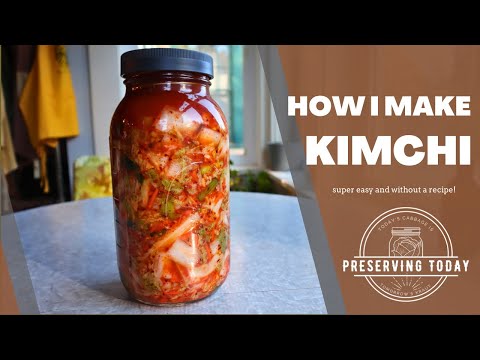
How I Make Kimchi
Preserving Today
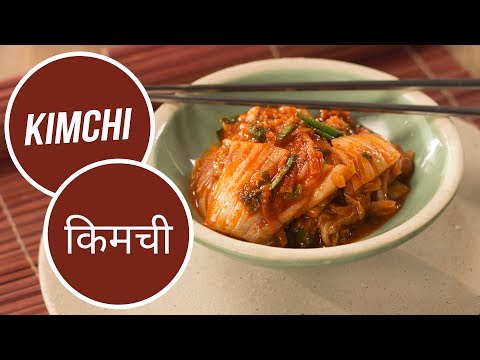
Kimchi | किमची | Sanjeev Kapoor Khazana
Sanjeev Kapoor Khazana
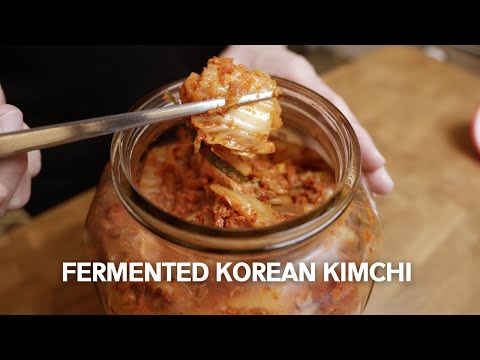
How to Make Kimchi Like a Korean
Johnny Kyunghwo

SUPER EASY AND DELICIOUS KIMCHI RECIPE!!! | EASY KIMCHI RECIPE
Kusina ni Lola
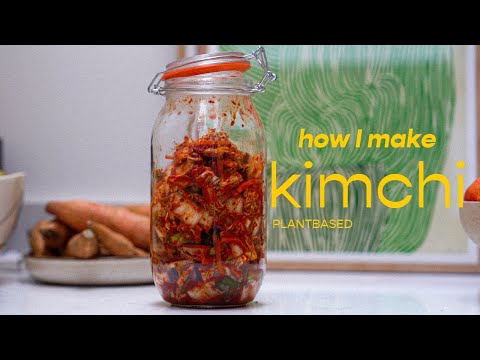
How To Make Kimchi | 5 simple steps
Rachel Ama
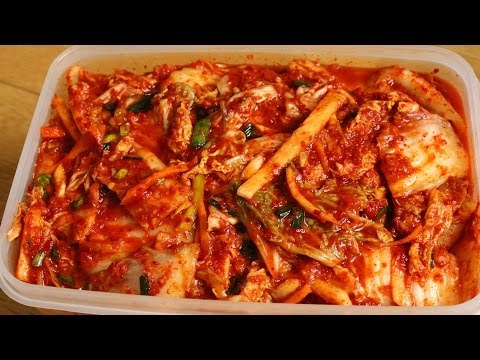
How to make Easy Kimchi (막김치)
Maangchi
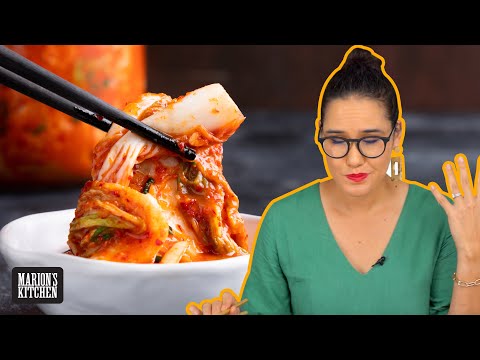
The spicy condiment I put on EVERYTHING! 💯 My Easy Homemade Kimchi | Marion's Kitchen
Marion's Kitchen

How to Make Kimchi at Home
Wyse Guide

Homemade Kimchi The Easy Authentic Way
Pants Down Aprons On
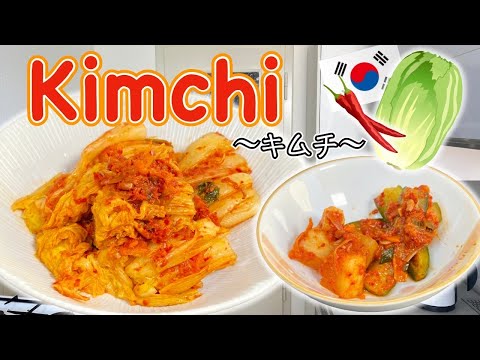
How to make KIMCHI (Korean napa cabbage pickle) 〜キムチ〜 | easy Japanese home cooking
Taiji ́s Kitchen
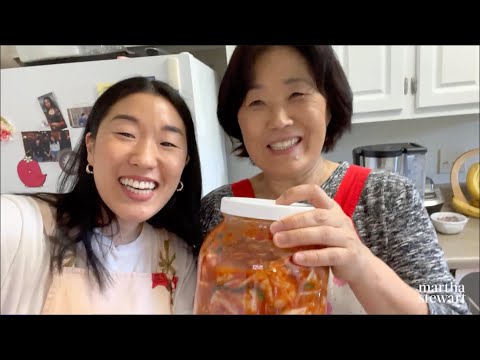
Learn How to Make Kimchi with This Delicious Korean Family Recipe | Homeschool | Everyday Food
Everyday Food
Mom’s Kimchi Recipe Everyone is Asking for
Crazy Korean Cooking
SIMPLY KOREAN: the BEST KIMCHI recipe '포기김치'
choibites
![HOW TO MAKE: SUPER EASY & QUICK FERMENTED VEGGIES [easy at-home science experiments]](https://img.youtube.com/vi/Xe6SP_12h1A/hqdefault.jpg)
HOW TO MAKE: SUPER EASY & QUICK FERMENTED VEGGIES [easy at-home science experiments]
Bite Scized Education

Kimchi: The Most Important Dish In Korean Cuisine | Why We Eat
Munchies

How To Make Kimchi At Home...Easy Mode
Joshua Weissman

KOREAN COOKING. Homemade Kimchi, Korean BBQ, Kimchi Fried Rice, Korean Beef Stew!
Chef RV Manabat
Similar Korean Videos
(24 videos)
어마무시한! 8kg 녹찐한 순대국 🤩 순댓국 대용량 미쳤네
썰맨

초간단 김치찌개 ㅣ 백종원의 백종원 레시피
백종원 PAIK JONG WON
잡채는 5가지 방법과 양념 황금비율만 알면 최고의 잡채가 됩니다! 이건 무조건 외우세요!
오늘식탁 - Today Table

식당 사장님이 알려주는실패없는 비빔국수 황금 양념장 #카페동이 #집밥 #한식 #레시피 #koreanfood
카페동이, 오늘의 밥상

::rice cake:: 송편만들기 Rice cake for Chuseok, ''Songpyeon"
SUJUNG CAKE 수정케이크
대파김치 만들기(초간단)/ 금방만들어서 흰밥에 올려먹어도 맛있어요👍
푸딩 Fooding
![[어남선생 레시피] 한번 배워두면 평생 가는 레시피! [평생 김치찌개] 류수영의 각종 꿀팁 총출동 [신상출시 편스토랑/Fun-Staurant] | KBS 240105 방송](https://img.youtube.com/vi/qRa49obXGQE/hqdefault.jpg)
[어남선생 레시피] 한번 배워두면 평생 가는 레시피! [평생 김치찌개] 류수영의 각종 꿀팁 총출동 [신상출시 편스토랑/Fun-Staurant] | KBS 240105 방송
KBS Entertain
![완전 쉬운 김치부침개.그녀의킥은? [김치부침개 : 한식(koreanfood)]Kimchi pancake 반찬만들기#26 [그녀의요리 : hercooking]](https://img.youtube.com/vi/UCoezwh5ymg/hqdefault.jpg)
완전 쉬운 김치부침개.그녀의킥은? [김치부침개 : 한식(koreanfood)]Kimchi pancake 반찬만들기#26 [그녀의요리 : hercooking]
Umi's cooking우미스쿠킹
![잡채 만드는법 [한식조리기능사 실기동영상]](https://img.youtube.com/vi/HF_q3Zx_AsA/hqdefault.jpg)
잡채 만드는법 [한식조리기능사 실기동영상]
YoriTV

부대찌개먹방, 집밥먹방, 스팸과 킬바사소세지, 비엔나 소세지를 가득 넣은 부대찌개 리얼사운드 sausage stew mukbang KOREAN HOME FOOD REAL SOUND
배블리[B.LOVELY MUKBANG]

장마엔 부찌죠? 햄사리3인분 줄서먹는 맛 집 부대찌개 + 냉면그릇에 밥 한 그릇 먹방입니다. MUKBANG
한식푸우 Korean food

🔥엄청더운날 퇴근후 매운김치찌개랑 집밥먹방 Korean Food Kimchijjigae Mukbang eating show
라라먹방 Rara mukbang

단맛 있는 #자색고구마 #송편만들기, 지역에 따라 송편 모양도 다르다 충청도.경기도식 송편 모양
솔바위농원

2021년 3대가 함께하는 김장김치 만들기 해남 절임배추 -충청도 외할머니 밥상
충청도외할머니밥상
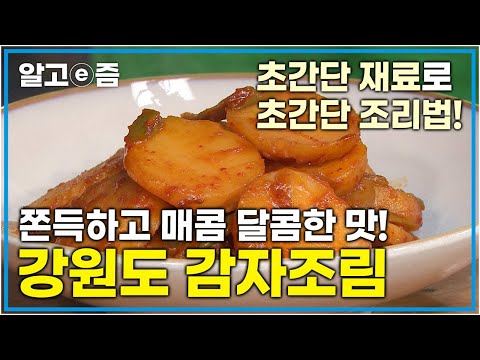
부서지지도 않고 쫀득 매콤한 초간단 감자조림! 강원도에 살던 엄마가 해주시던 황금 레시피 대공개│최고의 요리비결│알고e즘
EBSCulture (EBS 교양)

LA Galbi~ Korean food! LA갈비양념 이렇게하세요~ LA갈비 구이~ LA갈비양념비법 갈비양념 황금레시피 Korean Style Beef Short Ribs
LA inaTV미국사는 강원도촌아줌마
![[간단 자취요리] 단짠단짠! 고기없이 궁중떡볶이 / 간장떡볶이 만들기 / 얌무yammoo](https://img.youtube.com/vi/EUzzceeCVYc/hqdefault.jpg)
[간단 자취요리] 단짠단짠! 고기없이 궁중떡볶이 / 간장떡볶이 만들기 / 얌무yammoo
얌무YAMMoo

호떡으로 디저트 만들기
뮈냥(minyang)

서울 동대문구 이문동으로 새로운 사무실 이전하고 첫번째 소스, 잡채소스 ! 잡채 양념은 이렇게 하세요!
요리는 레시피다

재벌가 요리선생 '흑백요리사 서울엄마' 김밥 레시피 최초공개 (초간단, 우정욱 셰프)
밉지않은 관종언니
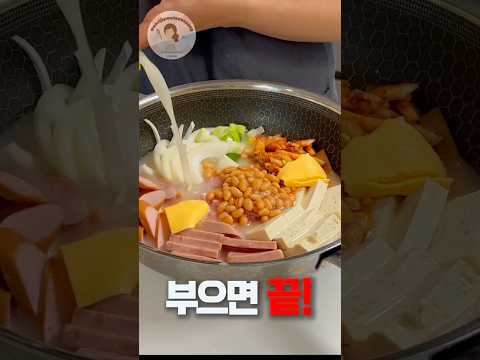
부대찌개, 맛집 레시피 이건 못참지! 집에서 편하고 맛있게 맛집 부대찌개 즐겨보세요 #요리 #koreanfood #food #부대찌개 #찌개 #레시피 #맛집#음식 #국물요리
우리집맛선생_평범한재료를 특별한요리로

꼬막 요리의 최고봉 꼬막비빔밥 만들기 / 핵맛있는 꼬막무침 황금레시피
전라도시어머니
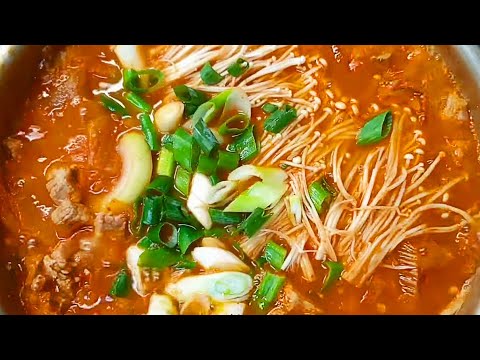
옛날 진한 김치찌개 맛 그대로!🌶️ 묵은지 김치찌게 이렇게 해야 맛있습니다
고향누나 자연식단
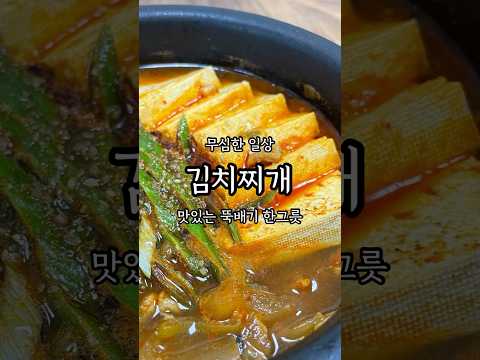
#돼지고기 #묵은지 #김치찌개 : #무심한 #일상요리
무심한 일상
Similar Recipes From Other Cuisines
(24 videos)
HOW TO PREPARE UGBA.
Njoku maryann

Ugba: Nigerian Restaurant Special | Flo Chinyere
Flo Chinyere

Crunchy Thai Salad with Peanut Butter Dressing | Thai Salad Recipe | The Physio Chef
The Physio Chef

DAY 6: Chopped Thai Salad with Peanut Dressing | A Sweet Pea Chef
Lacey Baier
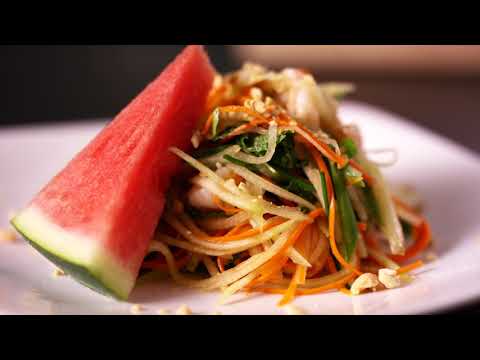
Thai Watermelon Rind Noodle Salad
The Culinary Institute of America
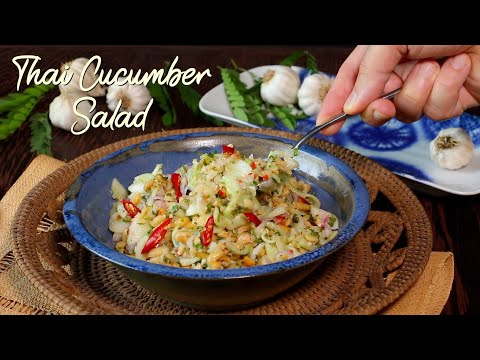
Best Thai Cucumber Salad Recipe | Sweet and Sour Cucumber Salad
Yummefy
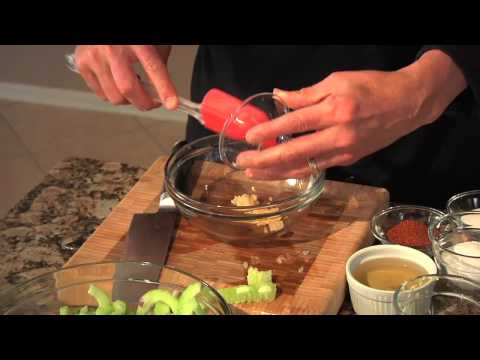
Restaurant Style Thai Cucumber Salad
cookingguide
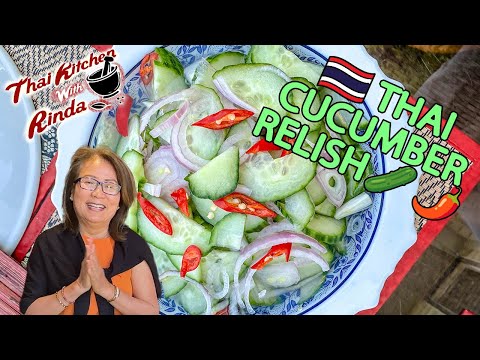
🥒🔥 Thai Cucumber Relish 101 🇹🇭 (อาจาด) – A Perfect Sweet & Tangy Twist! 😋✨
Thai Kitchen With Rinda
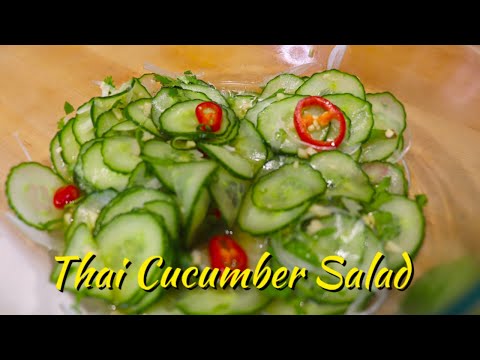
Thai Cucumber Salad Recipe
Regester For Dinner
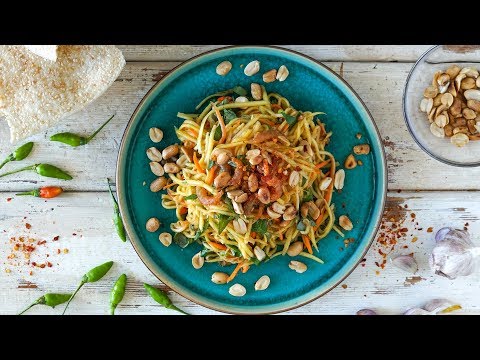
MANGO SALAD - Gỏi Xoài | Helen's Recipes
Helen's Recipes (Vietnamese Food)
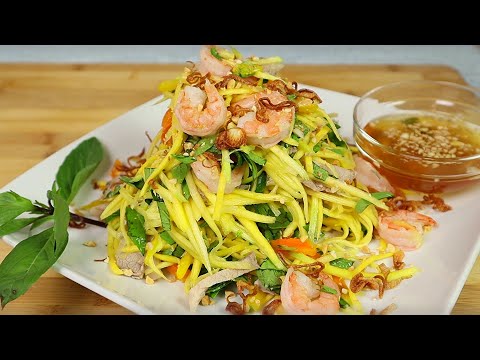
Vietnamese Mango Salad (Gỏi Xoài Tôm Thịt)
Weekend Meals
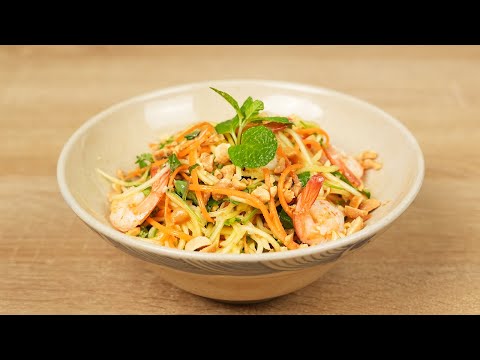
How to Make Vietnamese Mango Salad with Shrimp and Herbs | Fresh, Zesty, and Irresistible
Flavors of Asia

Vietnamese Green Mango Salad with Prawn (BBC Masterchef Quarterfinalist)
Thuy Hoang │ MasterChef UK 2023

The Perfect Summer Salad in 15 Minutes - Goi Xoai / Mango Salad
feedthepudge

GỎI XOÀI | Insalata di mango con gamberi | Vietnamese salad | goi xoai recipe
Good morning Vietnam
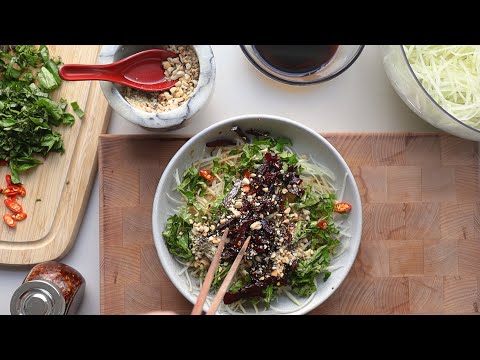
Vietnamese Refreshing Green Papaya & Beef Jerky Salad Recipe | Gỏi Đu Đủ Khô Bò
Vicky Pham

Gỏi recipe| Vietnamese Salad with Prawn Crackers| 越式色拉的做法
KenLeGourmand
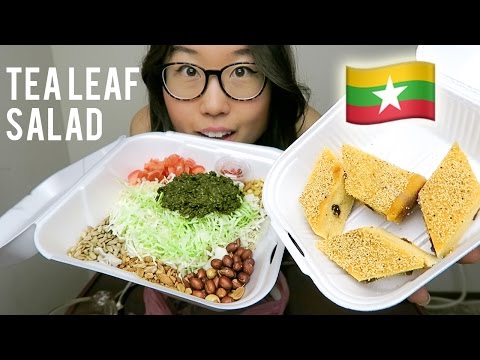
BURMESE FOOD MUKBANG with tea leaf salad & sanwinmakin
Miss Mina
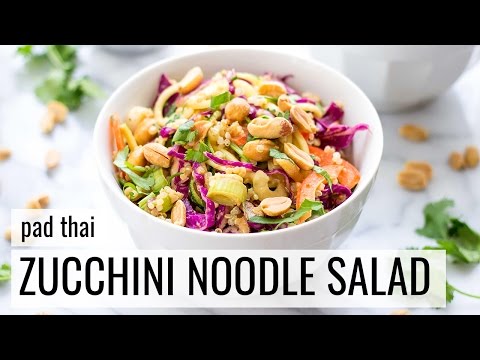
Pad Thai Zucchini Noodle Salad | VEGAN + GLUTEN-FREE
Simply Quinoa

Thai Shaved Zucchini Salad
Coley Cooks
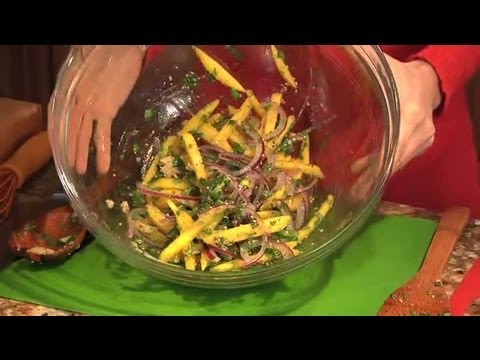
Vietnamese Mango Salad : Mango Salads
cookingguide

Andrew Zimmern Cooks: Thai Cucumber Salad
Andrew Zimmern
Tomato and Dried Fish Pickle@NepaliFamilyKitchen #dryfishchutney
Nepali Family Kitchen
Best Thai Sum Tom Recipe
The Bald Chef