Classic French Croissant Step by Step

Recipe Information
Classic Plain Croissant
Cultural Context
The croissant, originating from Austria and perfected in France, is a buttery, flaky pastry that has become a symbol of French baking. Traditionally enjoyed at breakfast with coffee, it embodies the art of lamination—a technique that creates its signature layers. Today, croissants are beloved worldwide, often filled with chocolate or almond paste, showcasing their versatility beyond the classic plain version.
Quantities are estimated based on standard recipes for your convenience. The actual ingredients used in this video are accurate.
unsalted butter
🥗Healthier: coconut oil
💰Cheaper: margarine
Coconut oil provides a dairy-free option while margarine is often less expensive.
all-purpose flour
🥗Healthier: whole wheat flour
💰Cheaper: bread flour
Whole wheat flour adds fiber but bread flour can be cheaper and gives a better rise.
On day one, buy all the ingredients and weigh them, then put them in the refrigerator.
On day two, make the butter block and mix the dough, then refrigerate to develop flavor and relax gluten.
Mix the dry ingredients: bread flour, all-purpose flour, sugar, salt, and dry yeast using a large whisk.
In a large bowl, mix the butter (at room temperature) and flour using a flat beater until no dry flour remains.
Spread the butter between two plastic sheets to form a square, then refrigerate until firm.
In a large mixing bowl, add the dry ingredients and milk, mixing with a flat beater until no dry ingredients are visible, then switch to a dough hook at low speed for about 7 minutes until smooth and soft.
Transfer the dough to a container with a lid and refrigerate overnight.
On day two, remove the butter and dough from the refrigerator, placing the dough between two plastic sheets to minimize flour use while stretching.
Roll the dough into a rectangle twice the size of the butter block (8 in by 16 in or up to 22 in).
Place the butter on one end of the dough, fold the dough over the butter, and pinch the edges to seal.
Refrigerate the dough for a few minutes or freeze briefly if continuing the next day.
Stretch the dough into a small rectangle and divide it into two equal portions; one goes to the freezer and the other is used immediately.
Using a wooden frame (8 in by 18 in), roll the dough to a height of 8 in to achieve a perfect rectangle.
Fold one third of the dough from one end and the other third from the opposite end to form a rectangle, then refrigerate and mark it as the first fold.
Repeat the folding process for the second fold: stretch the dough into a large rectangle, fold, and refrigerate.
For the third fold, repeat the same steps as before.
Take the dough out of the fridge, stretch it into a rectangle (8 in by 22 in), and cut it into eight triangles (each 8 in by 3.5 in) using a croissant cutter or knife.
Stretch each triangle into a slimmer triangle, then roll from the base, ensuring the tip is underneath the croissant.
Place the shaped croissants on a baking sheet lined with silicone, cover with a plastic bag, and let them proof at room temperature for 2 to 3 hours until volume triples.
Make an egg wash by combining whole milk and a whole egg, then brush the croissants with the egg wash.
Proofing is crucial; croissants are ready to bake when at least double in size.
Brush the croissants again before baking, then preheat the oven to 425°F (218°C).
Brush them one last time before baking, then place them in the oven and immediately lower the temperature to 375°F (190°C).
Bake for 10 minutes, then reduce the temperature to 350°F (175°C) and bake for an additional 12 to 18 minutes until deeply brown, puffy, and crisp.
Serve warm or let cool on the pan.
Cooking Techniques
Equipment Needed
Spice Level:
🌶️🌶️🌶️Allergens
Also Known As
More Classic Plain Croissant Videos
(7 videos)
The easiest way to make croissant! Why I didn't know this method before!
Liza’s Delicious recipes

Easy Croissant Recipe | Homemade Croissant
Bona's Kitchen

Professional Baker Teaches You How To Make CROISSANTS!
Oh Yum with Anna Olson

Croissant We Meet Again - Viennoiserie By Hand - My Old Flame
Crow & Moss Chocolate

How to make Homemade Croissant Recipe
Cook with Bene

Antonio Bachour teaches you how to make Croissants and Viennoiserie | Online Course
Scoolinary

French Breakfast Part 2 | Croissant & Pain au chocolat | How to Make Puff Pastry
Get Curried
Similar French Videos
(24 videos)
Mayonnaise Recipe | How to make Mayonnaise
Recipes by Carina
Recipe: Summer Berry Terrine (CLOVER)
ExpressoRecipes

BEIGNETS FRITS Recette facile - Fait maison
kado cuisine
Gâteau au yaourt en 1 minute . Bon et moelleux. Recette facile et rapide
Les délices de Maha
Gâteau au yaourt - 10 leçons pour le réussir
Julie Andrieu - Chaîne officielle
Recette de Pain Perdu / French toast - English subtitles - 750g
750g
Ne jetez plus le pain sec – Pain perdu – French toast
Ema Cook and Bake
![[Recette] - Pain perdu (French toast) - Banane Chocolat - Sans balance](https://img.youtube.com/vi/NwOJPNwr9tg/hqdefault.jpg)
[Recette] - Pain perdu (French toast) - Banane Chocolat - Sans balance
La cuisine de Clément

Idée de poulet rôti pour la fête
Mounira recette
L'aligot, avec les secrets du Chef Philippe Etchebest
Quitoque
L'Aligot très facile à faire et savoureux #aligot
Oum Arwa
L’aligot par Guy Demarle
Guy Demarle

Aligot: Le Plat Réconfortant Parfait 🧀🥔 | Recette Facile
Julien Cadeau
Recette de l'Aveyron : Aligot
TourismeAveyron

Recette Tartiflette #Thermomix #MonsieurCuisineConnect
Amel “Madame Monsieur Cuisine” MMC
Tartiflette Maison - Recette Simplissime
Edith et sa cuisine

The Tartiflette by Thermomix
Les ateliers de Thermoninie
Comment faire une vraie tartiflette ? La meilleure recette !
The Best Recipes

Tartiflette 🚠 | Lidl Cuisine
Lidl Cuisine
Tartiflette de Cyril Lignac | Recette gourmande
Recettes Cooking

Tartiflette facile
Chocmiel

Vlog du 16 avril 2018 : Ménage et recette tartiflette !!!
sandra, maman et tellement plus !
Tartiflette à ma façon recette cookeo
SPORT ET VIE PRATIQUE

LA TARTIFLETTE
Casa Bena Cuisine
Similar Desserts From Other Cuisines
(24 videos)
6 Crazy Easy NO-BAKE Desserts with Just 3 Ingredients (So Fun & Delicious!) | Summer Recipes
Patterson Family Home

Apple Fritter Doughnuts
Laura in the Kitchen
Peanut Butter Cookies
Omar Tellow

Pineapple Upside Down Cake | New Year Party Recipe | By Ashley Derick MacDonald | For Cuisine Canvas
Cuisine Canvas

Boston Cream Pie
Preppy Kitchen

German Desserts - 9 Delicious German Desserts That You Need To Try!
German Recipes by All Tastes German

Tiramisu
Preppy Kitchen

Professional Baker Teaches You How To Make CHOCOLATE CHIP COOKIES!
Oh Yum with Anna Olson
10 Recipes To Sweeten The Holiday Season
Scrumdiddlyumptious

Peach Cobbler
Preppy Kitchen

5 Classic American Desserts You Must Try at Home! 🇺🇸🍰 #delicious_delights #dessert
Delicious Delights
RECETTE RIZ AU LAIT
Saad Fedda
{Recette Omnicuiseur} Riz au lait
Le Pays des Gourmandises
Riz au lait - saveur d’enfance - au lait végétal -
Mimagusta

Recette Riz au lait Gastronomique
Allez on cuisine
~RIZ AU LAIT vanille ~ dessert allégé en sucre inratable |Recettes & diététique
Recettes & Diététique

#1àZ : MON RIZ AU LAIT
Xavier Pincemin
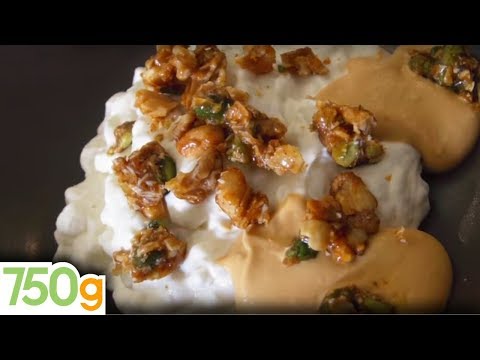
Recette culte : Riz au lait de l'Ami Jean - 750g
750g
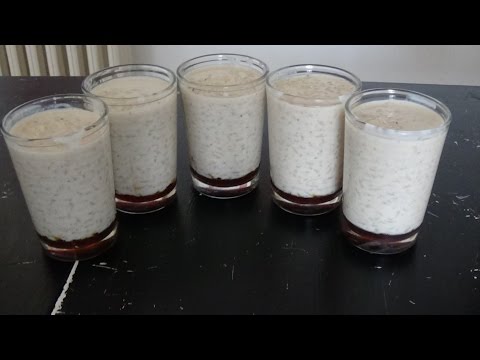
Riz au lait au Cookeo
Lili Cuisine
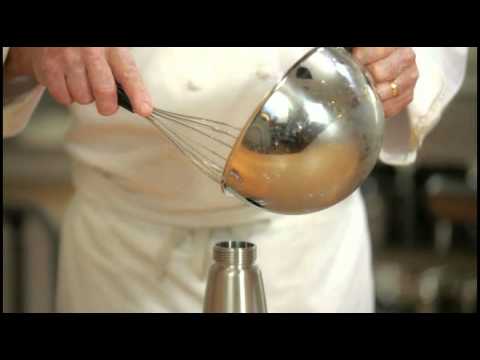
Mousse à la pêche par Pierre-Dominique Cécillon pour Larousse Cuisine
LarousseCuisine

La Sauce au chocolat - 750g
750g

🍂 Cinnamon rolls (roulés à la cannelle) version 2025
Recettes100faim
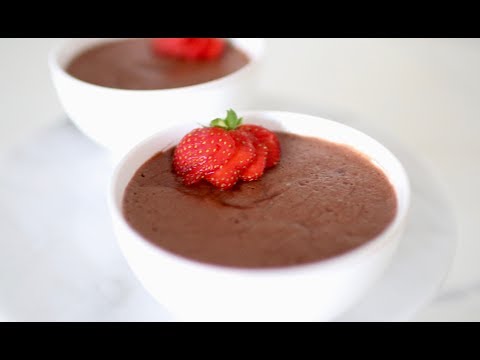
MOUSSE AU CHOCOLAT VEGAN EN 4 INGRÉDIENTS | ENJOYCOOKING
Enjoy Cooking

Le cake au citron facile et rapide, avec ou sans airfryer !
Il était une fois la pâtisserie