Jak zrobić ser w stylu Sao Jorge.

Recipe Information
Ser São Jorge
Cultural Context
Originating from the Azores, Ser São Jorge is a traditional Portuguese cheese known for its robust flavor and firm texture. It is often enjoyed as a table cheese, paired with bread and wine, and is a staple in festive gatherings. The cheese reflects the rich dairy heritage of the region and has gained popularity beyond Portugal, celebrated for its unique taste and artisanal production methods.
cow's milk
🥗Healthier: goat's milk
💰Cheaper: cow's milk powder
Goat's milk can offer a different flavor profile.
paprika
🥗Healthier: smoked paprika
💰Cheaper: sweet paprika
Smoked paprika adds depth without increasing cost.
black pepper
🥗Healthier: white pepper
💰Cheaper: black peppercorns
White pepper provides a milder flavor.
caraway seeds
🥗Healthier: fennel seeds
💰Cheaper: cumin seeds
Fennel seeds can mimic the flavor profile.
Add 3 ml of calcium chloride to 15 liters of milk.
Add meso-thermo culture according to dosage and mix well.
Heat the mixture up to 31°C (87.8°F).
At 31°C, turn off the heat and set aside for 2 hours.
After 2 hours, add 3 ml of calf rennet and mix.
Leave for 60 minutes to allow curds to form.
Cut the curd into about 2 cm cubes and leave for 5 minutes to heal.
Cut the curd into about pea-sized cubes and leave for another 5 minutes.
Mix the grain without heating for 10 minutes.
Heat the mixture to 35-36°C (95-96.8°F) for about 10 minutes while stirring.
At 35°C, turn off the heat and stir for another 10 minutes.
Remove as much whey as possible from the curds.
Stir the grain to break it apart and pour into a sieve to remove any whey remnants.
Leave the curds in the sieve for 10 minutes.
Place the grain in a pot and stir to separate.
Add 1.5% salt to the grain (22.5 g of salt for 15 liters of milk).
Mix well and leave for 30 minutes to absorb the salt.
Transfer the grains into a cloth-lined cheese mold and leave for 20 minutes with no load.
After 20 minutes, turn the cheese and leave for another 20 minutes with no load.
Press the cheese with 5 kg for 60 minutes.
After 60 minutes, turn the cheese and press with 10 kg for 4 hours.
After 4 hours, unwrap the cheese and leave in the mold with no cloth and no load overnight (about 12 hours).
The next day, take the cheese out of the mold and dry with a paper towel.
Transfer to a ripening room with a temperature of 12-14°C (53.6-57.2°F) and humidity of 80-85% for a minimum of 3 months.
When mold or other coating appears on the surface of the cheese, wipe it off with a dry or damp brush and return it to the ripening room.
Optionally, during ripening, rub the cheese with olive oil.
Cooking Techniques
Equipment Needed
Spice Level:
🌶️🌶️🌶️Allergens
Also Known As
Similar Portuguese Videos
(24 videos)
Recette des Pastéis de Nata
JustInCooking

Las mejores croquetas de bacalao
Las Recetas de MJ
Receta del día en Cocina con Sabor: Arroz de mariscos
Cocina con Sabor | Recetas caseras y gourmet

How To Make Fried Milk || Korean Street Food
jaycee's kitchen
SPICEWALLA PORTUGUESE CHICKEN AND VEGETABLES AIR FRYER
Air Fryer Recipes with Booger500us

How to make Peri peri grilled chicken | African Peri peri chicken | African Barbeque chicken |
KITCHEN OF SPICES
How To Make Broa. Portugals Most Famous Bread. Version 1.0
Chef David Santos
The Sourdough Trials : Broa (Portuguese Corn Bread); Converting a Yeast Recipe to a Sourdough Recipe
Birch Tree Kitchen
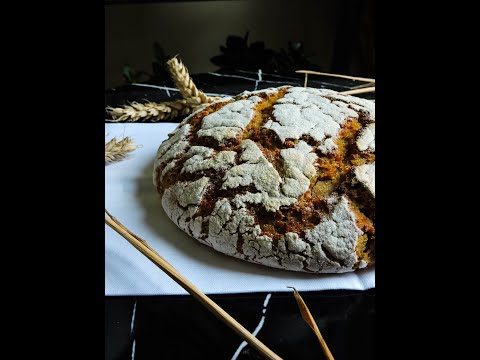
Broa de Milho Amarelo- Portuguese Crusty cornmeal bread
GivemeKitchen
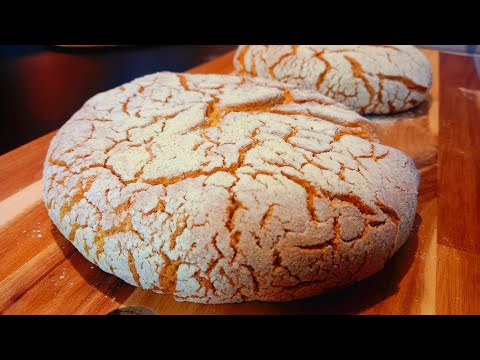
Receita de Broa / Classic Portuguese Broa Recipe
1001 Calories

Portuguese corn bread
A Taste of the Azores with Angela Castro
Fig & Honey Yogurt Cake | Greek Dessert Recipe
Ken's Greek Table
How You Can Make The Best Steak Ever (Sous Vide Picanha)
Yum Food Project

Jamie's Quick Portuguese Custard Tarts
Jamie Oliver

CHEATS PORTUGUESE EGG TARTS RECIPE | MsDessertJunkie
MsDessertJunkie

CUSTARD TART Recipe | PASTEIS DE NATA | My Harry Potter Kitchen | Chamber of Secrets (Ep. 25)
Bradley Bakes
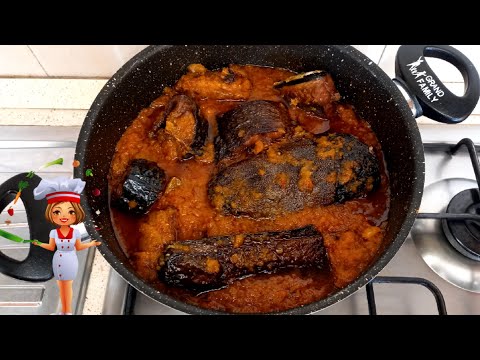
How To Make Onions Stew | How To Make Nigeria Food
Christabel Felix tv

Portuguese Style Shrimp - Receita de Camarão
DIYwithnancyg
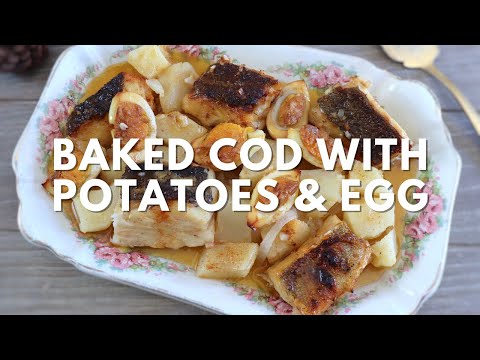
How to make Baked cod with potatoes and egg | Food From Portugal
Food From Portugal
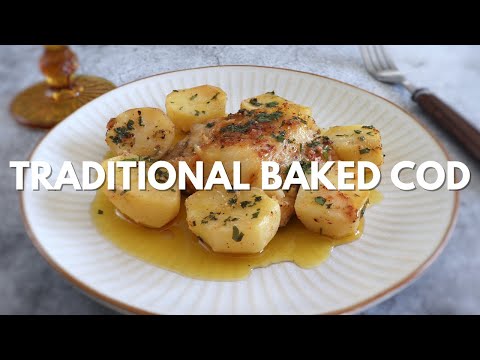
Traditional baked cod Recipe | Food From Portugal
Food From Portugal

ASMR Portuguese Egg Tarts From Scratch | Crispy Puff Pastry & Creamy Custard Recipe
Lilac Diaries

Portuguese Delight: Easy Portuguese Custard Tarts recipe
KataCooks

COMO FAZER CANJA DE GALINHA
Pao Rangel

COMO FAZER CANJA! | Super Nutritiva e Perfeita no Frio!
Tá Querida
Similar Recipes From Other Cuisines
(24 videos)
Mayonnaise Recipe | How to make Mayonnaise
Recipes by Carina
✅NIGERIAN WHOLE WHEAT BREAD RECIPE(100%)| NIGERIAN BROWN BREAD| NIGERIAN BREAD RECIPE
Queenvarieties Channel

7 Best Kids Lunch Box Recipes By Recipes Of The World
Recipes of the world
Avocado Toast
Cooking with Coit

Recette de Brioche maison moelleuse sans Robot !#brioche # brioche maison
Cooking by Nissou
RECETTE INRATABLE | BRIOCHE MAISON | Pour les nuls en brioche, comme moi !
Eloë 🌸

Brioche extra moelleuse au Thermomix ® "recette facile"
Gourmandise et plaisir
Simplement la recette de ma brioche maison Francine.
Choumchoumnass.🌹

recette Brioche maison facile
douja monde
Boulangerie - La pâte à brioche
BaKnutt

La Brioche parfaite. Ma recette de brioche à la maison super facile pas à pas .
Boulangerie Pas à pas
RECETTE FACILE LES BAGUETTES CROUSTILLANTES FAITE MAISON
Casa Bena Cuisine
🥖 BAGUETTE MAISON SANS PÉTRISSAGE/ROBOT/MOULE 🥖 la recette express et inratable. Deli Cuisine
Deli Cuisine

Baguettes fait maison
cuisine et régal
🥖Baguettes homemade croustillantes/mie aérée🥖
Selen Kaymaz
Baguette express et INRATABLE
Marjosamira Cook
4 petites baguettes maisons à la main dans votre four
Jean Lépine

Baguette 1heure. 100%maison 100% rapide et facile.
Made'moizelle Cloé
RECETTE BAGUETTE MAISON : LA MEILLEUR :)
Nora
Comment faire une baguette ?
VCE French - Pierrick Hubert
Recette de la tradition - la baguette comme à la boulangerie
Tziganette
BAGUETTE TRES SIMPLE ET RAPIDE
Sabrina sabi

RECETTE ORIGINALE DES CROISSANTS MAISON, PAINS AU CHOCOLAT, CHOCOLATINES AU BEURRE, FACILE, ASTUCES
PAPA GÂTEAUX

Croissants simples
Recette Chef Latifa الشيف لطيفة