How to make Cheddar Cheese (Cloth Banded)
Recipe Information
Farmhouse Cheddar
Cultural Context
Farmhouse Cheddar originates from the rural regions of England, where traditional cheese-making methods have been passed down through generations. This cheese is often made on family farms, emphasizing the use of local milk and time-honored techniques. It holds a special place in British culinary heritage, often enjoyed on cheese boards or in cooking. Today, Cheddar has gained global popularity, with many variations emerging worldwide, yet the authentic farmhouse style remains cherished for its rich, complex flavors.
Heat 10 litres of full cream milk in a double boiler to 31 degrees Celsius (88 Fahrenheit).
Sprinkle 1/8 teaspoon of Mesophilic culture over the milk and let it rehydrate for a few minutes before stirring gently.
Cover the pot and allow the milk to acidify for 40 minutes.
After 40 minutes, add 12 drops of Annatto, 0.5 teaspoon of calcium chloride, and 0.5 teaspoon of liquid rennet while stirring gently for no more than one minute.
Cover the pot and let it sit for 40 minutes to check for a clean break.
If the break is not clean, wait an additional 10 minutes before checking again.
Cut the curd into 1.25 centimeter (1/2 inch) cubes using a curd cutter and knife.
Let the curds heal for 5 minutes.
Slowly increase the temperature to 39 degrees Celsius (102 Fahrenheit) over 40 minutes while stirring gently.
After 40 minutes, check the curd size; they should be about the size of baked beans.
Allow the curds to settle for 40 minutes before draining off the whey.
Gently drain the whey and keep the curds warm in the pot.
Cut the curd mass in half and flip each half over, letting it rest for 10 minutes.
Transfer the curds back to the double boiler to maintain the temperature of 39 degrees Celsius for 10 minutes, flipping the slabs over halfway through.
After 10 minutes, flip the slabs again and cover for another 10 minutes.
For the final cheddaring turn, flip the slabs one last time for 15 minutes, totaling 45 minutes of cheddaring time.
Drain the whey from the pot and transfer the curds into a cheesecloth-lined colander.
Cut the curds into small fingers of about 1.25 centimeters (1/2 inch) and then into cubes.
Mill the curds by breaking each cube in half and mixing in 1.5 tablespoons of cheese salt.
Transfer the curds into a cheesecloth-lined cheese basket (165 mm) and fold the cloth over the top.
Press the cheese with 11 kilos (24 lbs) of weight for 1 hour, then turn it over and press with 22 kilos (50 lbs) for 12 hours, retightening the spring every 6 hours if necessary.
Remove the cheese from the press the next morning; it should be smooth with no holes.
Air dry the cheese for 2 to 3 days, checking its color after each day.
Equipment Needed
Spice Level:
🌶️🌶️🌶️Dietary
Allergens
Also Known As
More Farmhouse Cheddar Videos
(7 videos)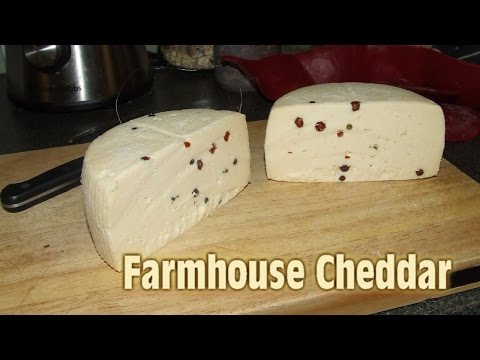
How to make Farmhouse Cheddar (with peppercorns)
Little Green Workshops

Home Cheesemaking - no special equipment required! | Easy Farmhouse Cheddar (Hard Cheese) Recipe
From Scratch Farmstead
TDA How to Make Cheddar Cheese
Texas Department of Agriculture
How is Cheddar Cheese Made? Cheddar Cheese FACTORY!
Xprocess
How To Make A Simple Farmhouse Cheddar Cheese
You Can Farm
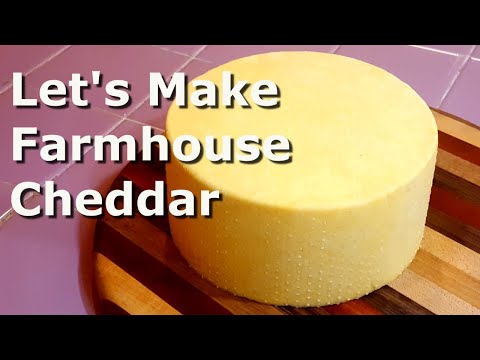
Farmhouse Cheddar Cheese at Deep South Texas
Deep South Texas
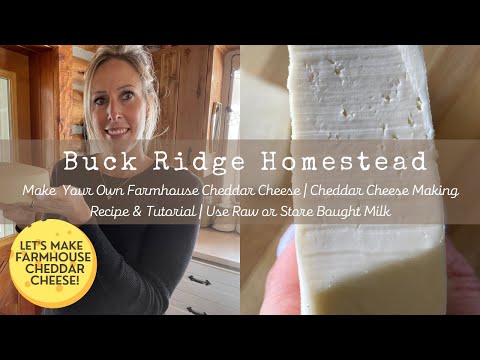
Make Your Own Farmhouse Cheddar Cheese | | How To Make White Cheddar | Use Raw or Store Bought Milk
Buck Ridge Homestead- Angela
Similar British Videos
(24 videos)
Sticky Toffee Pudding del Reino Unido para el Mundo 🇬🇧! Francisca Mejía
Francisca Mejía

【名店レシピ】スコッチエッグ by 洋食 小林 植野食堂のお品書き #192
BS Fuji Official Channel
MADE BY NIGERIAN HOW TO MAKE BUTTER PIE
The Potter's Wheel Foundation

English Breakfast At Home | Easy Cooking Recipes | Cast iron Series
Ooni

Air Fryer Fish and Chips | Good Housekeeping UK
Good Housekeeping UK
Bread Pudding
Flawless Food
Lamb stew recipe/South Africa
Busisiwe Maseko
Flan de Queso Recipe l Cream Cheese Flan
The Emerald Kitchen
Christmas Turkey Stuffed Dough Balls Recipe
Twisted
1700s, 1800s and 1900s Breadmaking – Testing Historic Dinner Roll Recipes
Rebekah's Random Adventures
Cheese and Onion Stuffed Bread Rolls in The Bread Kitchen
The Bread Kitchen
Perfect Hot Dog Bread Rolls Recipe in The Bread Kitchen
The Bread Kitchen
Buttery Batch Brioche Rolls Recipe by Sophie Carey
Cotswold Flour

Every Fine Dining Chef Knows How to Make This
Chef Billy Parisi
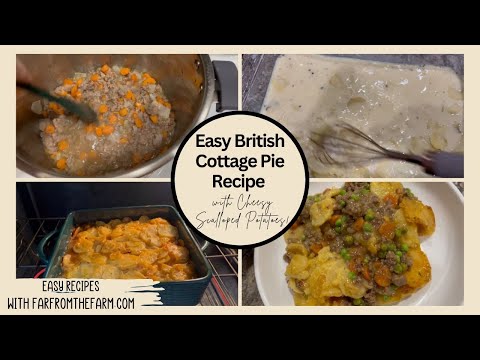
Easy Cottage Pie Recipe with Cheesy Scalloped Potatoes!
Far from the Farm

Bubble And Squeak (A Classic Leftover Makeover) Recipe
Original Recipes by Tasting Table

Gammon, Egg & Chips | AGA x Shropshire Lad | AGA
agacooking

Traditional Christmas Sherry Trifle | My Nan’s Old-School Recipe!
It's Cooking Good

Traditional Classic Trifle - South African Style
Priyanka Govender
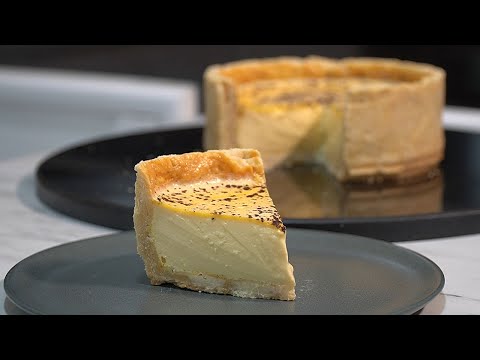
Classic English Custard Tart
Backyard Chef

Classic English Custard Tart Recipe | Cupcake Jemma
CupcakeJemma

Old Fashioned English Custard Tart
Mr. Paul's Pantry

Egg Custard Tarts Recipe
The Baking Explorer

How to Make Egg Custard Tarts | Step-by-Step Guide
Afternoon Fika
Similar Recipes From Other Cuisines
(24 videos)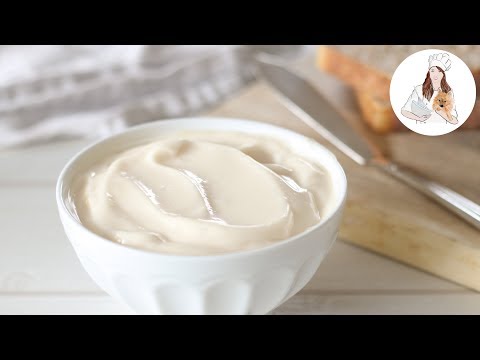
Mayonnaise Recipe | How to make Mayonnaise
Recipes by Carina
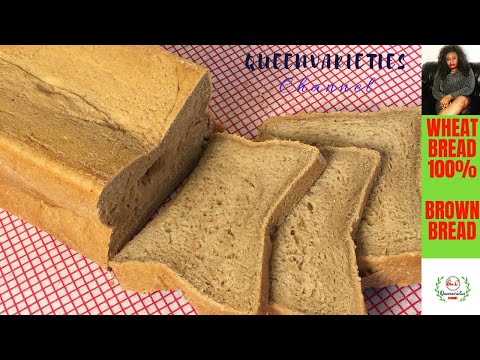
✅NIGERIAN WHOLE WHEAT BREAD RECIPE(100%)| NIGERIAN BROWN BREAD| NIGERIAN BREAD RECIPE
Queenvarieties Channel

7 Best Kids Lunch Box Recipes By Recipes Of The World
Recipes of the world
Avocado Toast
Cooking with Coit

La Brioche parfaite. Ma recette de brioche à la maison super facile pas à pas .
Boulangerie Pas à pas

Recette de Brioche maison moelleuse sans Robot !#brioche # brioche maison
Cooking by Nissou

Brioche extra moelleuse au Thermomix ® "recette facile"
Gourmandise et plaisir

recette Brioche maison facile
douja monde
RECETTE INRATABLE | BRIOCHE MAISON | Pour les nuls en brioche, comme moi !
Eloë 🌸
Boulangerie - La pâte à brioche
BaKnutt
Simplement la recette de ma brioche maison Francine.
Choumchoumnass.🌹

Baguettes fait maison
cuisine et régal
🥖Baguettes homemade croustillantes/mie aérée🥖
Selen Kaymaz
4 petites baguettes maisons à la main dans votre four
Jean Lépine
RECETTE FACILE LES BAGUETTES CROUSTILLANTES FAITE MAISON
Casa Bena Cuisine
RECETTE BAGUETTE MAISON : LA MEILLEUR :)
Nora
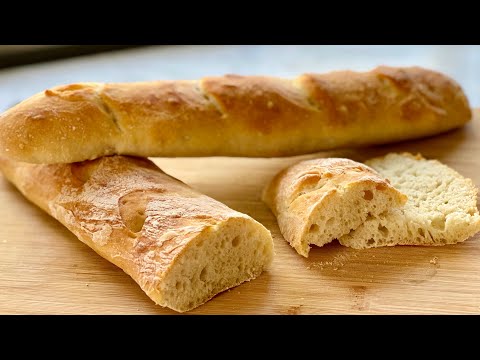
🥖 BAGUETTE MAISON SANS PÉTRISSAGE/ROBOT/MOULE 🥖 la recette express et inratable. Deli Cuisine
Deli Cuisine
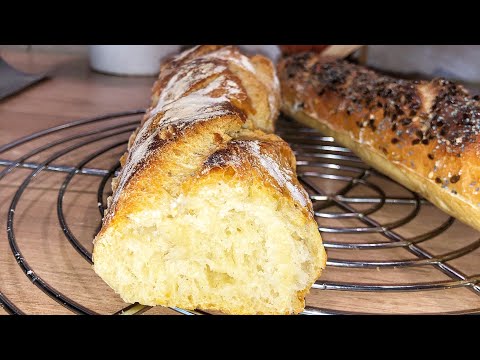
Baguette express et INRATABLE
Marjosamira Cook
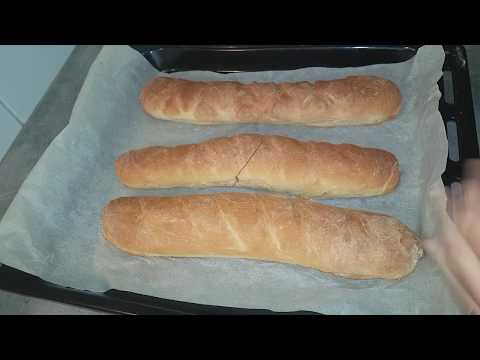
BAGUETTE TRES SIMPLE ET RAPIDE
Sabrina sabi
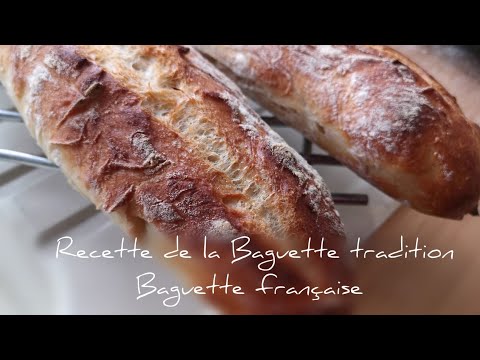
Recette de la tradition - la baguette comme à la boulangerie
Tziganette

Baguette 1heure. 100%maison 100% rapide et facile.
Made'moizelle Cloé
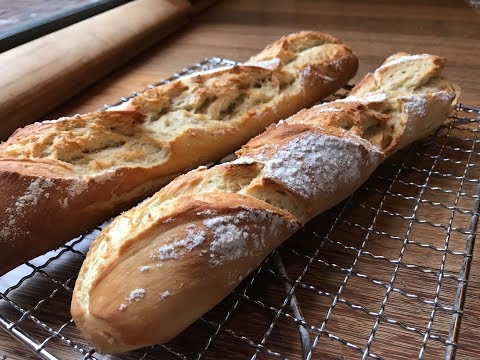
Comment faire une baguette ?
VCE French - Pierrick Hubert

RECETTE ORIGINALE DES CROISSANTS MAISON, PAINS AU CHOCOLAT, CHOCOLATINES AU BEURRE, FACILE, ASTUCES
PAPA GÂTEAUX

Croissants simples
Recette Chef Latifa الشيف لطيفة