How is Cheddar Cheese Made? Cheddar Cheese FACTORY!

Recipe Information
Farmhouse Cheddar
Cultural Context
Farmhouse Cheddar originates from the rural regions of England, where traditional cheese-making methods have been passed down through generations. This cheese is often made on family farms, emphasizing the use of local milk and time-honored techniques. It holds a special place in British culinary heritage, often enjoyed on cheese boards or in cooking. Today, Cheddar has gained global popularity, with many variations emerging worldwide, yet the authentic farmhouse style remains cherished for its rich, complex flavors.
Cows are milked using a modern hydraulic pump.
2000 liters of fresh milk is transported to the dairy in the morning.
Milk is pumped into refrigerated storage tanks with a capacity of 120,000 liters.
Milk undergoes pasteurization to eliminate harmful bacteria by heating to a high temperature and rapidly cooling it.
Milk is stirred to evenly mix the fat throughout.
Dairy cultures and rennet are added to a 1900 liter vat of pasteurized milk.
Milk is heated to 32 degrees Celsius before adding bacteria for fermentation.
Rennet is added to the milk to coagulate it, turning it into curd.
Curd is allowed to rest to form properly after adding cultures and rennet.
Curd is cut into small cubes to drain the whey.
Curds are heated to accelerate coagulation and allow whey to drain.
Whey is used as feed for local pigs and for making drinks and powders.
Curd is placed on a cooling table and excess whey is extracted using the cheddaring process.
Curd is cut into bars and stacked to expel more whey, turned and compressed over several hours.
Salt is added to the curd by hand to enhance flavor and preserve it.
Curd is shredded and chopped to release moisture, transforming it into young cheese.
Curd is transferred to stainless steel molds and pressed in a 25 kilogram mold overnight.
Cheese is removed from molds and dressed with traditional cotton muslin.
Butter is rubbed on muslin and cheese to protect it during maturation.
Cheese is placed in a maturing cave with constant temperature and humidity.
Cheese is rotated and mold is removed during maturation.
Cheese acquires natural yeast and mold from the cave atmosphere.
Cheese is aged for up to 18 months, developing flavor and aroma.
Every four weeks, cheeses are rubbed and turned during aging.
A 25 kilogram wheel from each batch is tasted to check readiness.
Mature cheese is cut into blocks or slices and packaged for distribution.
Equipment Needed
Spice Level:
🌶️🌶️🌶️Allergens
Also Known As
More Farmhouse Cheddar Videos
(7 videos)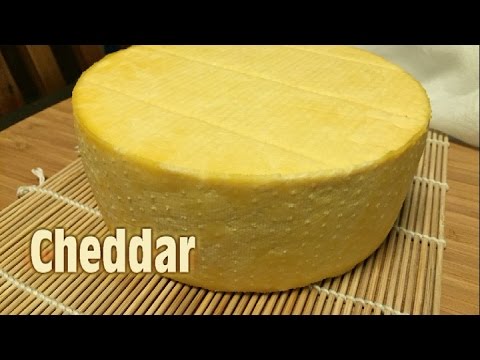
How to make Cheddar Cheese (Cloth Banded)
Gavin Webber
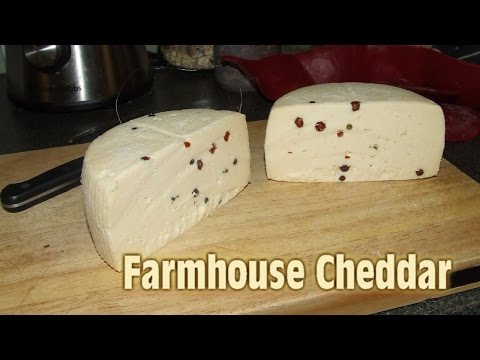
How to make Farmhouse Cheddar (with peppercorns)
Little Green Workshops

Home Cheesemaking - no special equipment required! | Easy Farmhouse Cheddar (Hard Cheese) Recipe
From Scratch Farmstead
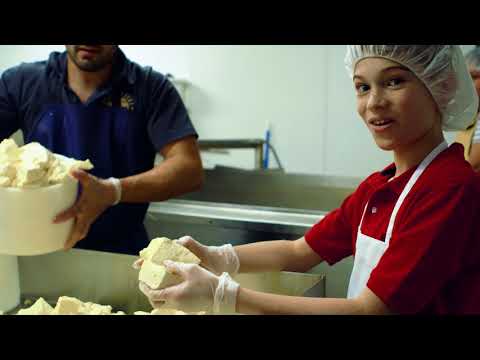
TDA How to Make Cheddar Cheese
Texas Department of Agriculture
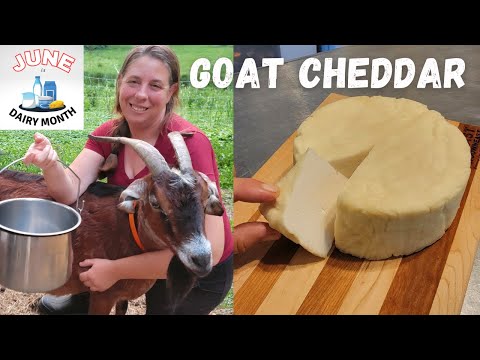
How To Make A Simple Farmhouse Cheddar Cheese
You Can Farm
Farmhouse Cheddar Cheese at Deep South Texas
Deep South Texas
Make Your Own Farmhouse Cheddar Cheese | | How To Make White Cheddar | Use Raw or Store Bought Milk
Buck Ridge Homestead- Angela
Similar British Videos
(24 videos)
Sticky Toffee Pudding del Reino Unido para el Mundo 🇬🇧! Francisca Mejía
Francisca Mejía

【名店レシピ】スコッチエッグ by 洋食 小林 植野食堂のお品書き #192
BS Fuji Official Channel
MADE BY NIGERIAN HOW TO MAKE BUTTER PIE
The Potter's Wheel Foundation

English Breakfast At Home | Easy Cooking Recipes | Cast iron Series
Ooni

Air Fryer Fish and Chips | Good Housekeeping UK
Good Housekeeping UK
Bread Pudding
Flawless Food
Lamb stew recipe/South Africa
Busisiwe Maseko
Flan de Queso Recipe l Cream Cheese Flan
The Emerald Kitchen
Christmas Turkey Stuffed Dough Balls Recipe
Twisted

1700s, 1800s and 1900s Breadmaking – Testing Historic Dinner Roll Recipes
Rebekah's Random Adventures
Perfect Hot Dog Bread Rolls Recipe in The Bread Kitchen
The Bread Kitchen
Cheese and Onion Stuffed Bread Rolls in The Bread Kitchen
The Bread Kitchen
Buttery Batch Brioche Rolls Recipe by Sophie Carey
Cotswold Flour

Every Fine Dining Chef Knows How to Make This
Chef Billy Parisi

Easy Cottage Pie Recipe with Cheesy Scalloped Potatoes!
Far from the Farm
Bubble And Squeak (A Classic Leftover Makeover) Recipe
Original Recipes by Tasting Table

Gammon, Egg & Chips | AGA x Shropshire Lad | AGA
agacooking

Traditional Christmas Sherry Trifle | My Nan’s Old-School Recipe!
It's Cooking Good

Traditional Classic Trifle - South African Style
Priyanka Govender

Old Fashioned English Custard Tart
Mr. Paul's Pantry

Classic English Custard Tart Recipe | Cupcake Jemma
CupcakeJemma
Classic English Custard Tart
Backyard Chef

Egg Custard Tarts Recipe
The Baking Explorer

How to Make Egg Custard Tarts | Step-by-Step Guide
Afternoon Fika
Similar Recipes From Other Cuisines
(24 videos)
Mayonnaise Recipe | How to make Mayonnaise
Recipes by Carina
✅NIGERIAN WHOLE WHEAT BREAD RECIPE(100%)| NIGERIAN BROWN BREAD| NIGERIAN BREAD RECIPE
Queenvarieties Channel

7 Best Kids Lunch Box Recipes By Recipes Of The World
Recipes of the world
Avocado Toast
Cooking with Coit
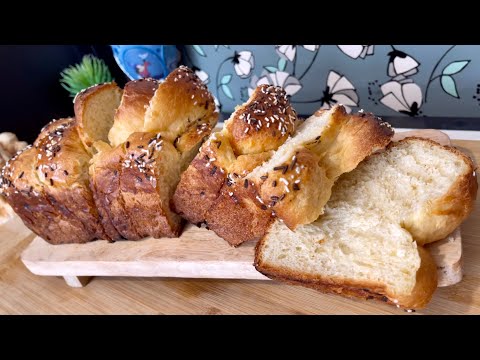
Simplement la recette de ma brioche maison Francine.
Choumchoumnass.🌹

La Brioche parfaite. Ma recette de brioche à la maison super facile pas à pas .
Boulangerie Pas à pas

Brioche extra moelleuse au Thermomix ® "recette facile"
Gourmandise et plaisir
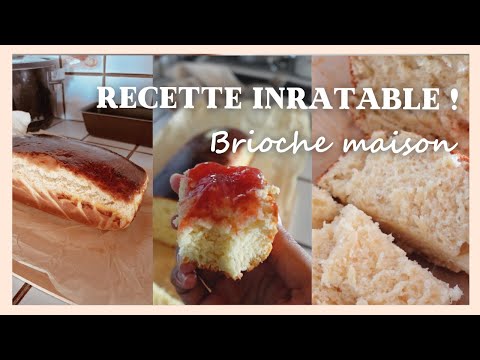
RECETTE INRATABLE | BRIOCHE MAISON | Pour les nuls en brioche, comme moi !
Eloë 🌸

Recette de Brioche maison moelleuse sans Robot !#brioche # brioche maison
Cooking by Nissou
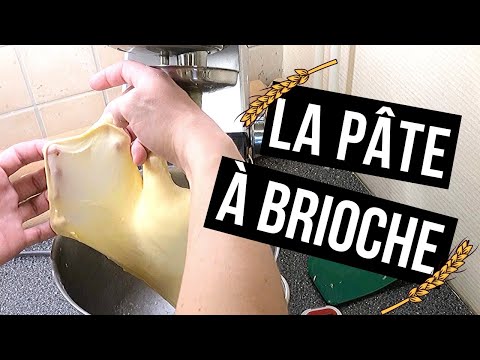
Boulangerie - La pâte à brioche
BaKnutt

recette Brioche maison facile
douja monde
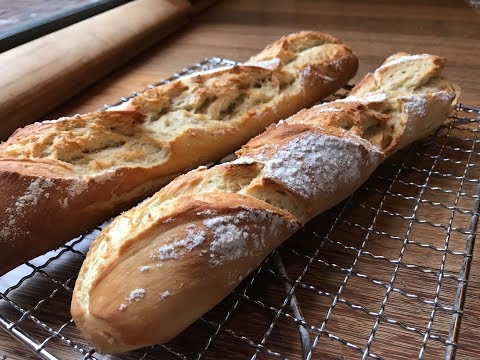
Comment faire une baguette ?
VCE French - Pierrick Hubert

Baguette 1heure. 100%maison 100% rapide et facile.
Made'moizelle Cloé

Baguettes fait maison
cuisine et régal
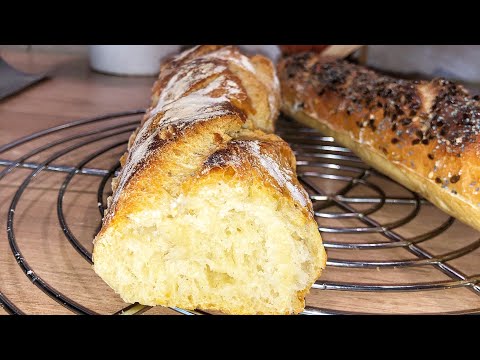
Baguette express et INRATABLE
Marjosamira Cook
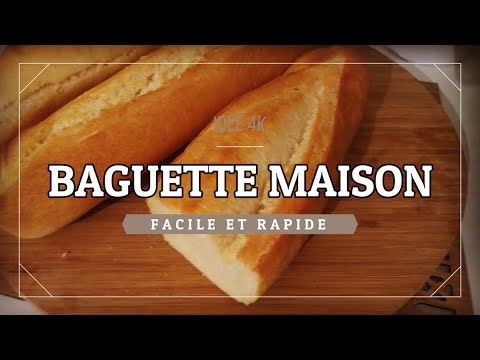
RECETTE BAGUETTE MAISON : LA MEILLEUR :)
Nora
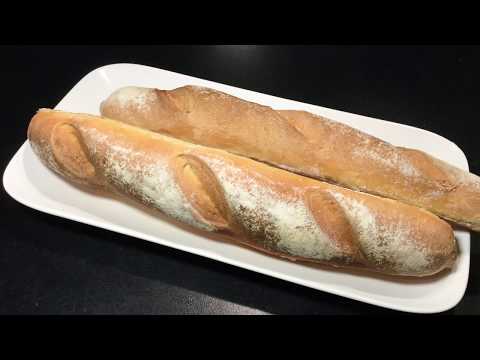
RECETTE FACILE LES BAGUETTES CROUSTILLANTES FAITE MAISON
Casa Bena Cuisine

Recette de la tradition - la baguette comme à la boulangerie
Tziganette
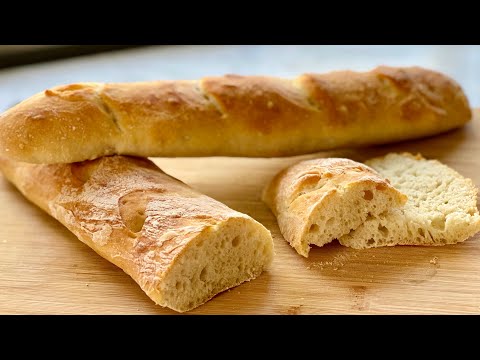
🥖 BAGUETTE MAISON SANS PÉTRISSAGE/ROBOT/MOULE 🥖 la recette express et inratable. Deli Cuisine
Deli Cuisine
🥖Baguettes homemade croustillantes/mie aérée🥖
Selen Kaymaz
BAGUETTE TRES SIMPLE ET RAPIDE
Sabrina sabi

4 petites baguettes maisons à la main dans votre four
Jean Lépine

🥐 Croissant 🥐Thermomix faits maison facile! 👍- Préparation pâte feuilletée pliage portefeuille Tuto
Antoine Minart

RECETTE ORIGINALE DES CROISSANTS MAISON, PAINS AU CHOCOLAT, CHOCOLATINES AU BEURRE, FACILE, ASTUCES
PAPA GÂTEAUX