How to Make Fermented Farmer's Cheese -- Another Name for Cream Cheese

Recipe Information
Fermented Farmer's Cheese
Cultural Context
Fermented farmer's cheese has roots in various cultures, often made by home cooks using local milk. This cheese is celebrated for its simplicity and versatility, often used in traditional dishes or enjoyed fresh. Today, it has gained popularity for its probiotic benefits and is embraced in many cuisines worldwide, from Eastern European to American.
Quantities are estimated based on standard recipes for your convenience. The actual ingredients used in this video are accurate.
milk
🥗Healthier: almond milk
💰Cheaper: powdered milk
Almond milk is lower in calories, while powdered milk is cost-effective.
cultures
🥗Healthier: probiotic capsules
💰Cheaper: buttermilk
Probiotic capsules provide similar benefits, while buttermilk is often less expensive.
cream
🥗Healthier: Greek yogurt
💰Cheaper: sour cream
Greek yogurt reduces calories while maintaining creaminess.
herbs
🥗Healthier: dried herbs
💰Cheaper: no herbs
Dried herbs can be more cost-effective and have a longer shelf life.
Pour 1 gallon of whole milk into an enameled cast iron pot.
Add 1/2 cup of cultured buttermilk to the milk and rinse out the measuring cup with some milk.
Cover the pot and let it sit at room temperature for 24 to 36 hours to ferment.
After fermentation, check the mixture; it should be firm with a fine curd.
Heat the mixture on medium heat (3 out of 9) until it reaches 120 degrees Fahrenheit, stirring occasionally to maintain an even temperature.
Once at 120 degrees, turn off the heat and let it sit for 15-20 minutes to allow curds to solidify further.
Prepare a straining material (jelly bags or cheesecloth) by boiling it to sanitize.
Gently ladle the curds into the straining material, being careful not to break them up.
Tie the straining material and suspend it to drain for 1-2 hours.
Cooking Techniques
Equipment Needed
Spice Level:
🌶️🌶️🌶️Dietary
Allergens
Also Known As
Similar Various Videos
(24 videos)
6 Crazy Easy NO-BAKE Desserts with Just 3 Ingredients (So Fun & Delicious!) | Summer Recipes
Patterson Family Home

How To Make Scrambled Eggs
Casual Cooking
Simple and Easy breakfast Recipe ready in 15 minutes
Hands Touch
Lamb stew recipe/South Africa
Busisiwe Maseko
This Turkish Flatbread is Mind Blowing!! | How To Make Lavash Flatbread
Shane Ball
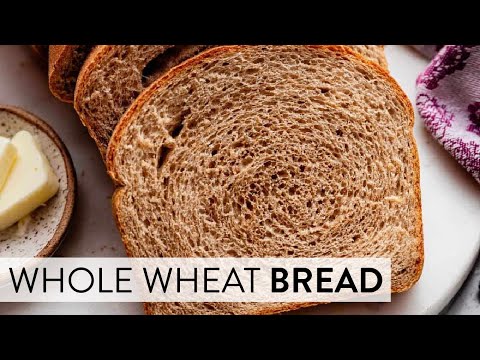
Soft & Hearty Whole Wheat Bread | Sally's Baking
Sally's Baking Recipes
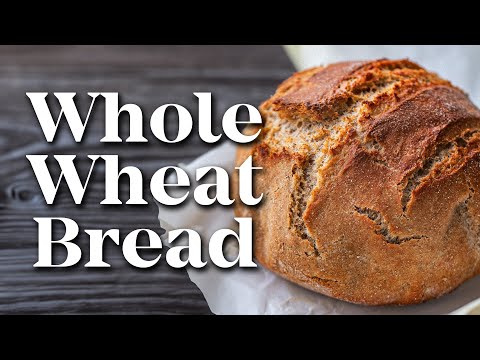
The Most Simple Whole Wheat Bread | 4-Ingredients Bread Recipe
Food to Live

How to make Japanese-Style Pickled Carrots Step-by-Step!
Danny Sutanto

How To Make French-Style Scrambled Eggs - My All Time Favorite - Michelle’s Cooking Ep. 2
Michelle Wong

How To Make French-Style Scrambled Eggs l Whole Foods Market
WholeFoodsMarket

French style Scrambled Eggs recipe + the urge to jump off the Eiffel Tower - The Paris Chronicles E2
The Teesside Chef

Dumplings 【饺子】 Ravioles chinos / Empanadas chinas, Receta autentica china - Chef Yi
Chef Yi
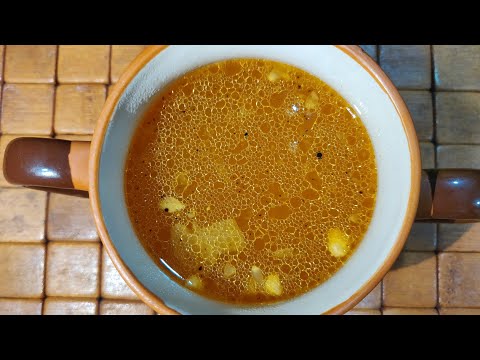
Healthy Diet Soup For Weight Loss | Vegetable Soup Recipe | Diet Food | Indian Weight Loss Meal
AnitaDaDhaba

HOMEMADE SAUSAGES, ROASTED PORK, SAUSAGES SEEN AND TASTED IN SLOVAKIA, STREET FOOD
GIRL IN PARADISE

Italian Sweet and Sour Onions Recipe
Bellina Alimentari

Scrambled Eggs - Quick & Easy
Australian Eggs

Panko Crumbed Fish - Seafood in 60 Seconds
Hook, Line and Sinker
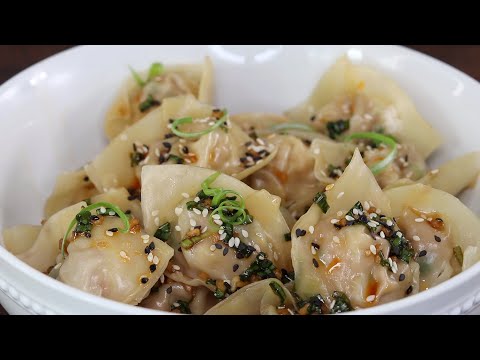
Homemade Chinese Dumplings - Shrimp And Pork Recipe
Food Lust

How to Make Dumplings? l Pang negosyo recipe #stayhome
Mama Jing

CRISPY Korean Vegetable Pancake 🥞 (The TRENDING way to eat your veggies!)
LookCatchu
How To Make Chickpea Salad Indian Style | Quick n Easy Salad | How To Make Protein Vegetable Salad
Tabu Tinku Foodies
How To Make Jam With Fresh Foraged Fruit - Easy To Follow Recipe 🍯
Home Is Where Our Heart Is

7 Easy, Delicious Smoothies / 7 Batidos Saludables y Ricos
Fit Men Cook
New Style! Chicken Stews Recipe By Mussarat K Khanay
Mussarat K Khanay
Similar Recipes From Other Cuisines
(24 videos)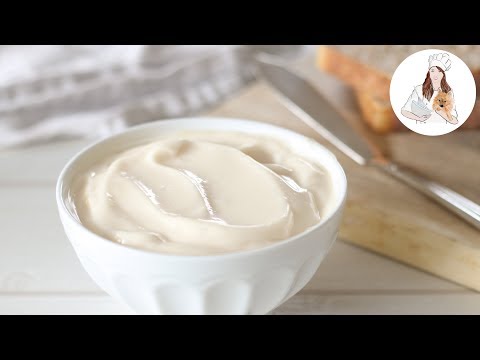
Mayonnaise Recipe | How to make Mayonnaise
Recipes by Carina
✅NIGERIAN WHOLE WHEAT BREAD RECIPE(100%)| NIGERIAN BROWN BREAD| NIGERIAN BREAD RECIPE
Queenvarieties Channel

7 Best Kids Lunch Box Recipes By Recipes Of The World
Recipes of the world
Avocado Toast
Cooking with Coit
Boulangerie - La pâte à brioche
BaKnutt

Simplement la recette de ma brioche maison Francine.
Choumchoumnass.🌹

La Brioche parfaite. Ma recette de brioche à la maison super facile pas à pas .
Boulangerie Pas à pas

Brioche extra moelleuse au Thermomix ® "recette facile"
Gourmandise et plaisir

Recette de Brioche maison moelleuse sans Robot !#brioche # brioche maison
Cooking by Nissou

RECETTE INRATABLE | BRIOCHE MAISON | Pour les nuls en brioche, comme moi !
Eloë 🌸

recette Brioche maison facile
douja monde
Comment faire une baguette ?
VCE French - Pierrick Hubert

Recette de la tradition - la baguette comme à la boulangerie
Tziganette

RECETTE FACILE LES BAGUETTES CROUSTILLANTES FAITE MAISON
Casa Bena Cuisine
🥖Baguettes homemade croustillantes/mie aérée🥖
Selen Kaymaz
🥖 BAGUETTE MAISON SANS PÉTRISSAGE/ROBOT/MOULE 🥖 la recette express et inratable. Deli Cuisine
Deli Cuisine
BAGUETTE TRES SIMPLE ET RAPIDE
Sabrina sabi
RECETTE BAGUETTE MAISON : LA MEILLEUR :)
Nora

Baguettes fait maison
cuisine et régal

Baguette 1heure. 100%maison 100% rapide et facile.
Made'moizelle Cloé

4 petites baguettes maisons à la main dans votre four
Jean Lépine
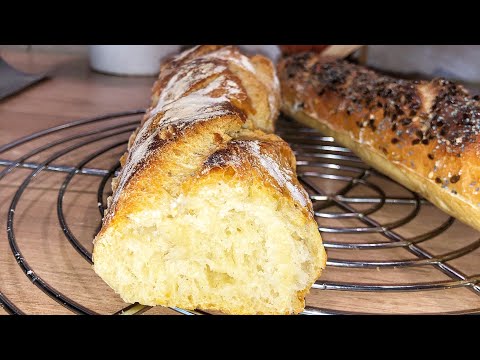
Baguette express et INRATABLE
Marjosamira Cook

🥐 Croissant 🥐Thermomix faits maison facile! 👍- Préparation pâte feuilletée pliage portefeuille Tuto
Antoine Minart

Croissants simples
Recette Chef Latifa الشيف لطيفة