How to Make Ciabatta Bread (Yeast-Leavened, Poolish Method)

Recipe Information
Artisan Ciabatta Bread
Cultural Context
Ciabatta originated in Italy in the 1980s, inspired by traditional Italian breads. Its rustic appearance and chewy texture make it a favorite for sandwiches and dipping in olive oil. Today, ciabatta is enjoyed globally, often found in artisan bakeries and home kitchens alike, celebrated for its versatility and flavor.
bread flour
🥗Healthier: whole wheat flour
💰Cheaper: all-purpose flour
Whole wheat flour adds nutrients, while all-purpose flour is more accessible.
olive oil
🥗Healthier: avocado oil
💰Cheaper: vegetable oil
Avocado oil provides healthy fats, while vegetable oil is cost-effective.
In a large bowl, whisk together the 50 grams flour and the 2 grams (1/2 teaspoon) instant yeast. Add 50 grams water and stir with a spatula until combined. Cover the bowl with a tea towel or cloth bowl cover and set aside for 3 to 4 hours or until the dough's surface is dimpled with holes.
To the bowl of the poolish, add the water. The sponge should release from the bowl and parts of it, if not all of it, will float. Add the salt and stir briefly. Add the flour, and stir until you have a wet, sticky dough ball — dough will be very sticky. Cover with a tea towel or cloth bowl cover and let sit for 30 minutes.
With wet hands, grab one side of the dough, and pull up and to the center. Rotate the bowl a quarter turn, and repeat the grabbing and pulling. Do this until you've made a full circle. Cover the bowl. If time permits, repeat this process three more times at 30-minute intervals for a total of 4 sets of stretches and folds over the course of two hours.
Transfer the dough to a straight-sided vessel, if you have one, or leave it in the bowl if you don’t. Cover the vessel with a towel and let rise until doubled in volume. Punch down (deflate) the dough — if your dough is still in the bowl, you can deflate it using wet hands right in the bowl; if your dough is in a straight-sided vessel, it may be easier to turn the dough out onto a work surface and ball it up using wet hands to prevent sticking. Return the dough to the vessel, cover it with an airtight lid, and transfer it to the refrigerator immediately for at least 12 hours. The dough can remain in the fridge for as long as 48 hours.
For Ciabatta Loaves: Turn the dough out onto a work surface. I prefer to do this step without flour, but absolutely sprinkle your surface lightly with flour as needed to make the dough manageable to work with. Using a bench scraper or your hands, shape the dough into a tight ball; then use the bench scraper to divide the dough in half. If you want perfectly even balls, each portion will weigh roughly 455 grams. Again, use the bench scraper or your hands to ball up each portion into a tight ball. Sprinkle your countertop liberally with flour. Place the balls top-side (smooth side) down onto the flour. The seam-side will be on top now, and it may split open — this is fine. Sprinkle the top surface of the balls liberally with flour. Cover with a tea towel and let rest for 2.5 hours.
Sprinkle a work surface with flour. Turn the dough out onto the work surface, sprinkle the dough with more flour, and pat it into a rectangle. Using a bench scraper, divide into 8 portions. Transfer each portion to a parchment-lined sheet pan, cover with a tea towel, and let stand for 2.5 hours.
After the dough has proofed for 2 hours, heat the oven to 425ºF.
When the dough has finished proofing, gently flip each ball over. Then use both hands to stretch each ball out gently into a rectangular shaped 'slipper'. Transfer to a parchment-lined sheet pan. Transfer the pan to the oven and bake for 20 - 25 minutes or until the loaves are golden all around.
Cooking Techniques
Equipment Needed
Spice Level:
🌶️🌶️🌶️Dietary
Allergens
Also Known As
More Artisan Ciabatta Bread Videos
(1 videos)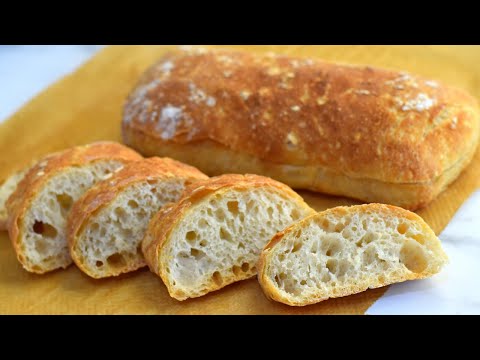
Similar Italian Videos
(24 videos)
Epic Party Snacks
Tasty Recipes

Tiramisu
Preppy Kitchen

뜨끈한 국물의 이탈리아식 해물탕(?) "해산물 토마토 스튜" ♡ 쌀쌀해진 날에 국물 요리가 생각날 때 제격이에요 ♡ 별미인 누룽지 추가요~ ♡
맛있는 날들 Delicious Days
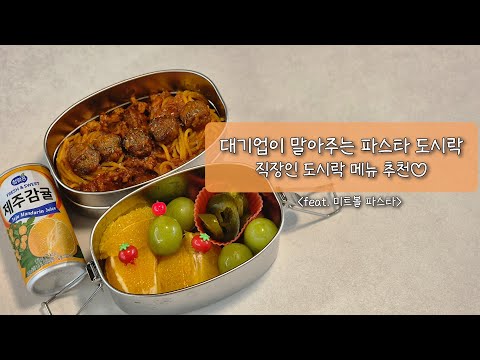
✨️오뚜기 미트볼✨️ 초스피드 파스타 레시피-🍝💯│이재용 회장님의 '미트볼 파스타'도시락│시판용 미트볼 활용 끝판왕👾
이재용 회장님의 도시락
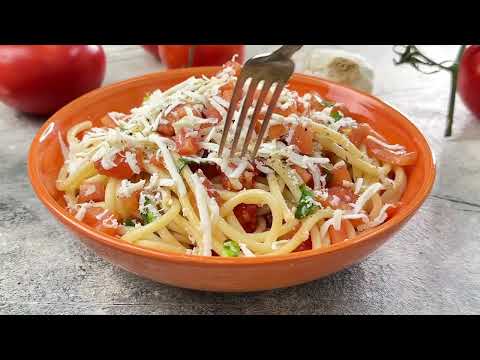
Un classico INTRAMONTABILE della cucina siciliana che mette tutti d'accordo: PASTA ALLA CARRETTIERA!
CookAroundTv
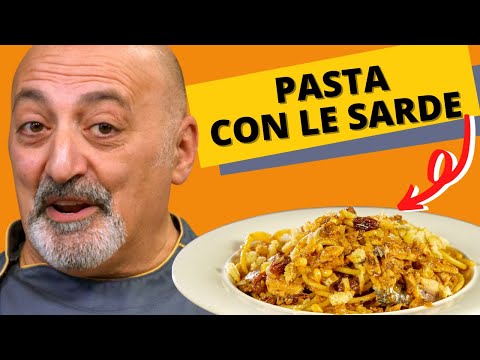
Pasta con le sarde - piatto tradizionale della cucina siciliana
Casa Pappagallo
LASAGNE - RICETTA DELLA NONNA MARIA
Ricette delle nonne
LASAGNE RICETTA CLASSICA
Chef Stefano Barbato
LASAGNE FACILI E VELOCI DA PREPARARE
CUCINA FACILE E VELOCE
LA LASAGNA, QUELLA VERA! Ragù, Besciamella e Pasta Fatti in Casa | Ricetta di Chef Max Mariola
Chef Max Mariola
LASAGNA CLASSICA RICETTA DI NONNA
Carlo Gaiano
Come fare la PASTA ALLA NORMA di Benedetta Rossi - Ricetta TV Fatto in Casa per Voi
FATTO IN CASA PER VOI
PASTA ALLA NORMA La vera ricetta originale siciliana
fulvio e le sue ricette
NON LA SOLITA PASTA ALLA NORMA, dimentica le altre ricette, #videoricetteinsieme
atavolaconsilvia
PASTA ALLA NORMA - Ricetta tradizionale
Orazio Food Experience
Pasta alla Norma (ricetta siciliana)
LA RICETTA PER TE
Siciliani Creativi - Pasta alla Norma, ricetta della variante alla messinese
Ada Parisi
PASTA ALLA NORMA CON LE MELANZANE pasta alla norma pasta con le melanzane e la ricotta salata
Rapanello
PASTA alla NORMA
Ma che MENU!

PASTA ALLA NORMA (VERA RICETTA SICILIANA) | Le ricette di Giusina in Cucina
Food Network Italia
(19) Pasta alla Norma - ricetta rivisitata
Guarda Flo
PASTA ALLA NORMA
Fornelli di Sicilia
PASTA ALLA NORMA
ICIO THE COOK
PASTA ALLA NORMA - LA LIRICA A TAVOLA
ilVeganChef - La Cucina dei Miracoli Paolo Marini
Similar Recipes From Other Cuisines
(24 videos)
Mayonnaise Recipe | How to make Mayonnaise
Recipes by Carina
✅NIGERIAN WHOLE WHEAT BREAD RECIPE(100%)| NIGERIAN BROWN BREAD| NIGERIAN BREAD RECIPE
Queenvarieties Channel

7 Best Kids Lunch Box Recipes By Recipes Of The World
Recipes of the world
Avocado Toast
Cooking with Coit
recette Brioche maison facile
douja monde
RECETTE INRATABLE | BRIOCHE MAISON | Pour les nuls en brioche, comme moi !
Eloë 🌸

La Brioche parfaite. Ma recette de brioche à la maison super facile pas à pas .
Boulangerie Pas à pas

Brioche extra moelleuse au Thermomix ® "recette facile"
Gourmandise et plaisir
Boulangerie - La pâte à brioche
BaKnutt
Simplement la recette de ma brioche maison Francine.
Choumchoumnass.🌹
Recette de Brioche maison moelleuse sans Robot !#brioche # brioche maison
Cooking by Nissou
BAGUETTE TRES SIMPLE ET RAPIDE
Sabrina sabi
Recette de la tradition - la baguette comme à la boulangerie
Tziganette
Comment faire une baguette ?
VCE French - Pierrick Hubert

Baguette 1heure. 100%maison 100% rapide et facile.
Made'moizelle Cloé
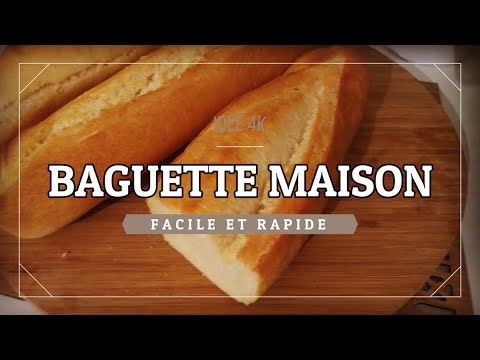
RECETTE BAGUETTE MAISON : LA MEILLEUR :)
Nora
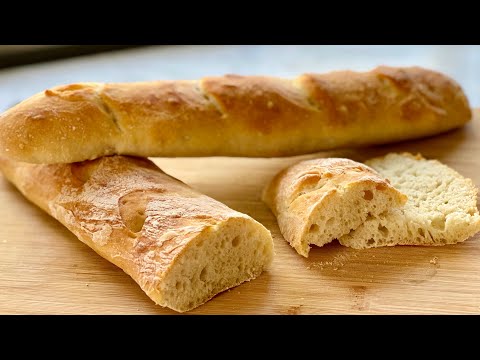
🥖 BAGUETTE MAISON SANS PÉTRISSAGE/ROBOT/MOULE 🥖 la recette express et inratable. Deli Cuisine
Deli Cuisine
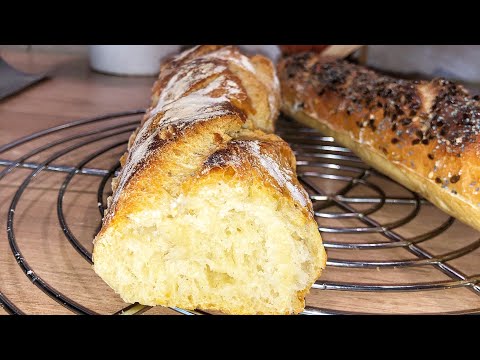
Baguette express et INRATABLE
Marjosamira Cook
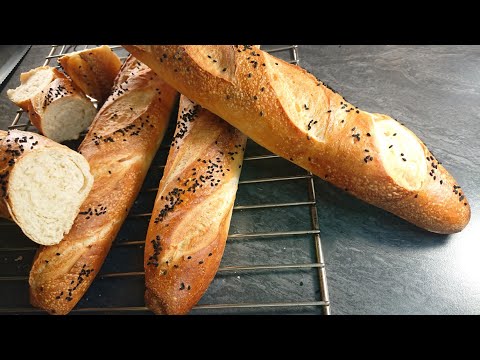
Baguettes fait maison
cuisine et régal
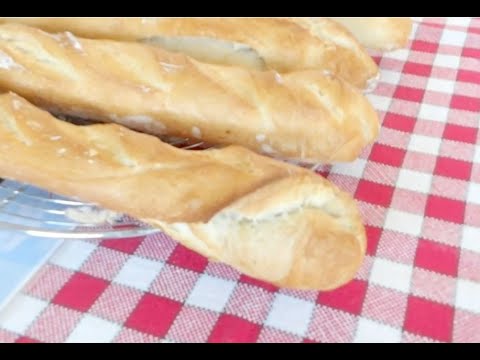
4 petites baguettes maisons à la main dans votre four
Jean Lépine
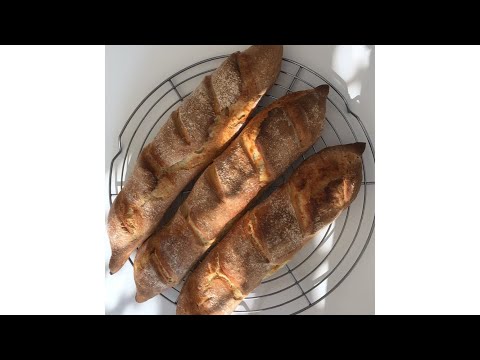
🥖Baguettes homemade croustillantes/mie aérée🥖
Selen Kaymaz
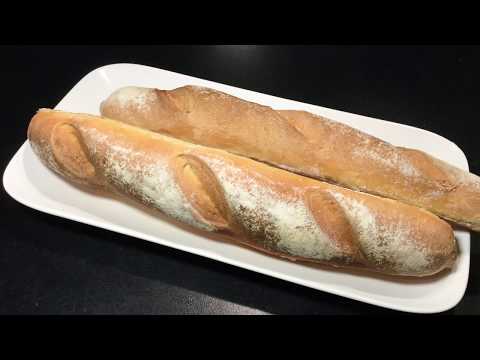
RECETTE FACILE LES BAGUETTES CROUSTILLANTES FAITE MAISON
Casa Bena Cuisine

🥐 Croissant 🥐Thermomix faits maison facile! 👍- Préparation pâte feuilletée pliage portefeuille Tuto
Antoine Minart

Croissants simples
Recette Chef Latifa الشيف لطيفة