White turnip with Minced meat sauce | Ep.141

Recipes in this Video
This dish is a comforting staple in Japanese home cooking, often enjoyed during colder months. The combination of tender white turnips and savory minced meat creates a satisfying meal that highlights the umami flavors of Japanese cuisine. While traditionally made with pork or beef, variations can include chicken or turkey for a lighter option. Today, it remains a beloved dish in many households, showcasing the versatility of turnips in Japanese cooking.
Ingredients
- ●white turnip
- ●minced meat
- ●onion
- ●garlic
- ●ginger
- ●soy sauce
- ●sugar
- ●mirin
- ●sesame oil
- ●green onions
- ●black pepper
- ●salt
- ●water
- ●cornstarch
- ●vegetable oil
Instructions
- 1Peel and cut the white turnip into bite-sized pieces.
- 2Heat vegetable oil in a pan over medium heat.
- 3Add minced meat and cook until browned, about 5-7 minutes.
- 4Stir in chopped onion, garlic, and ginger; sauté until fragrant, about 2-3 minutes.
- 5Add the white turnip to the pan and stir well to combine.
- 6Pour in water and bring to a simmer.
- 7Add soy sauce, sugar, and mirin; stir to mix well.
- 8Cover and cook for 15-20 minutes until the turnip is tender.
- 9Mix cornstarch with a little water to create a slurry.
- 10Add the slurry to the pan and stir until sauce thickens, about 2-3 minutes.
- 11Season with black pepper and salt to taste.
- 12Garnish with chopped green onions before serving.
Ingredient Alternatives
minced meat
Healthier: ground turkey
Cheaper: ground chicken
Ground turkey is lower in fat while ground chicken is often less expensive.
soy sauce
Healthier: tamari
Cheaper: liquid aminos
Tamari is gluten-free while liquid aminos can be cheaper and similar in flavor.
mirin
Healthier: rice vinegar + sugar
Cheaper: white wine + sugar
Rice vinegar and sugar can mimic the sweetness of mirin.
sesame oil
Healthier: olive oil
Cheaper: canola oil
Olive oil is healthier while canola oil is a more budget-friendly option.
Techniques
Equipment
Also Known As
Miso soup is a traditional Japanese dish often served as a staple in Japanese households. It is commonly consumed at breakfast, but can also be enjoyed at any meal. The soup's base, miso, is a fermented soybean paste that provides a rich umami flavor. Variations exist depending on regional ingredients and personal preferences, making it a versatile dish in Japanese cuisine.
Ingredients
- ●miso paste
- ●dashi stock
- ●tofu
- ●seaweed
- ●green onions
Instructions
- 1Prepare dashi stock by boiling water and adding dashi granules or kombu.
- 2In a separate bowl, dissolve miso paste in a small amount of warm dashi.
- 3Add the dissolved miso to the pot of dashi stock, stirring gently.
- 4Cut tofu into small cubes and add to the soup.
- 5Add seaweed and simmer for a few minutes until softened.
- 6Garnish with chopped green onions before serving.
Ingredient Alternatives
miso paste
Healthier: white miso
Cheaper: soybean paste
White miso is lower in sodium, while soybean paste can be more budget-friendly.
tofu
Healthier: silken tofu
Cheaper: firm tofu
Silken tofu is lower in calories, while firm tofu is often less expensive.
Techniques
Equipment
Also Known As
Japanese rice, known as shari, is a staple in Japanese cuisine, often served with sushi or as a side dish. It is characterized by its sticky texture and slightly sweet flavor, achieved through the use of short-grain rice and a vinegar mixture. This rice has cultural significance, symbolizing purity and simplicity in Japanese dining. Today, it is enjoyed globally, especially in sushi restaurants.
Ingredients
- ●short-grain rice
- ●water
- ●rice vinegar
- ●sugar
- ●salt
Instructions
- 1Rinse the rice under cold water until the water runs clear.
- 2Soak the rice in water for 30 minutes to 1 hour.
- 3Drain the soaked rice and transfer it to a rice cooker or pot.
- 4Add fresh water to the rice, following the 1:1 ratio of rice to water.
- 5Cook the rice according to the rice cooker's instructions or bring to a boil, then cover and simmer on low heat for 18-20 minutes.
- 6Remove the pot from heat and let it sit covered for 10 minutes to steam.
- 7In a small bowl, mix rice vinegar, sugar, and salt until dissolved.
- 8Transfer the cooked rice to a large bowl and gently fold in the vinegar mixture.
- 9Allow the rice to cool to room temperature before serving.
Ingredient Alternatives
rice vinegar
Healthier: apple cider vinegar
Cheaper: white vinegar
Apple cider vinegar has a milder flavor.
sugar
Healthier: honey
Cheaper: corn syrup
Honey adds sweetness with a different flavor profile.
Techniques
Equipment
Also Known As
Ingredients
- ●4 large eggs
- ●1/4 cup dashi stock
- ●1/2 tsp salt
- ●1 tbsp sugar
- ●1 tbsp soy sauce
- ●1/4 cup finely chopped salted kelp (kombu)
- ●1 tbsp vegetable oil
Instructions
- 1In a bowl, whisk together the eggs, dashi stock, salt, sugar, and soy sauce until well combined.
- 2Heat a non-stick skillet over medium heat and add the vegetable oil, swirling to coat the pan.
- 3Pour a small amount of the egg mixture into the skillet, just enough to cover the bottom.
- 4Cook until the edges start to set, then gently lift the edges with a spatula and tilt the pan to let the uncooked egg flow to the edges.
- 5Once the top is slightly set but still a bit runny, sprinkle a portion of the chopped salted kelp over the surface.
- 6Using the spatula, carefully roll the omelette towards the edge of the pan, forming a log shape.
- 7Push the rolled omelette to one side of the skillet and add more oil if necessary, then pour in more egg mixture to cover the bottom again.
- 8Repeat the cooking and rolling process until all the egg mixture is used up, finishing with the last roll on the opposite side of the pan.
- 9Remove the omelette from the skillet and let it cool slightly before slicing into pieces.
- 10Serve warm or at room temperature, garnished with additional salted kelp if desired.
Equipment
More White Turnip with Minced Meat Sauce Videos
(1 videos)
Similar Japanese Videos
(24 videos)
Beginner-Friendly Japanese Recipes: Easy Dishes for New Cooks
[Haruma Recipe]Japanese Food Recipes in English

20 Minute Japanese Dinners that Will Change Your Life... or maybe 25
Aaron and Claire

RECETTE des PANCAKES JAPONAIS ULTRA FLUFFY !
Il était une fois la pâtisserie
양배추 오코노미야끼 만들기 레시피입니다. #양배추요리 #오코노미야끼 #오꼬노미야끼 #오꼬노미야끼재료 #요리레시피 #레시피 #양배추
뿌뿌키친BBubbu Kitchen

오므라이스 맛있게 만들기 l 맛집 사장님도 놀랄 오므라이스 특제소스 비법공개!! l Yomi Cook's 'Omu Rice' recipe
요미쿡 Yummy Cook

오므라이스 오무라이스 만들기 점심저녁메뉴 추천#오므라이스 #오므라이스소스 #오므라이스만들기 #오므라이스레시피 #점심저녁메뉴
쉬운 집밥요리 햇살머금은집

일본 오므라이스 찐 레시피 - 오므라이스
바깥키친

가족을 기쁘게 하는 일본식 오므라이스, 말지않아 쉬워요. オムライス
일식(食)예보
백종원 레시피 강식당 오므라이스 만드는 법 Omurice (Omelette Rice) from the South Korean reality show Kang's Kitchen
진깡 jinkkang

오므라이스는 이렇게 만드세요! 부드럽고 든든한 한끼가 되는 계란요리
옹알옹알쿡 Egg Recipes
오므라이스 만들기 뚝딱 쉽게 만드는 한그릇 요리
하우매니 심플레시피
![[Sub] 정말 '크리미'해요. 집에서 간단하게 색다른 오므라이스!!](https://img.youtube.com/vi/AlK2Gl6kHZI/hqdefault.jpg)
[Sub] 정말 '크리미'해요. 집에서 간단하게 색다른 오므라이스!!
백종원 PAIK JONG WON

강식당 오므라이스 만들기/안재현 오므라이스 소스 만드는법까지 자세히 소개합니다/kang's kitchen omurice/은야쟁이의오렌지블랙박스
은야쟁이
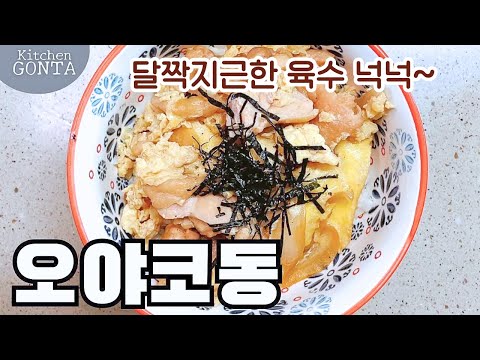
쯔유 듬뿍 오야코동 레시피/치킨 오야코동 만드는 법/닭갈비 계간 덮밥 만들기/오야꼬동/간단 일본 가정 덮밥 요리/親子丼/親子丼の作り方/親子丼 レシピ
kitchen-GONTA

世界一美味しい唐揚げの作り方【日本唐揚協会 特製レシピ】
おっくんの宅飲みグルメ
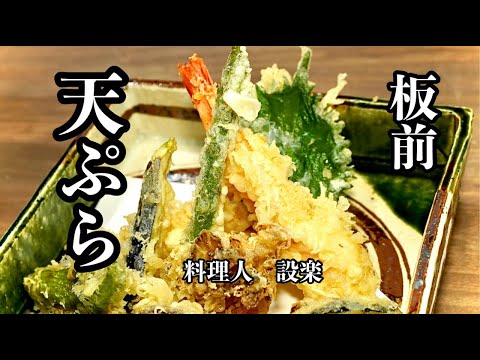
【プロ直伝】 板前が教える!お店と同じ【天ぷら】の作り方 誰でもサクサクの天ぷらを揚げる方法 これで天ぷらは得意料理になる!
料理人設楽の料理道場
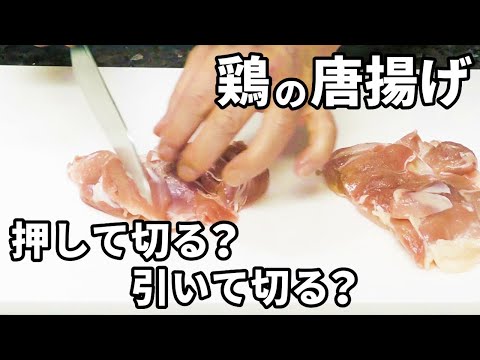
鶏の唐揚げの味までもが変わる、肉の切り分け方&ポイントを解説!
のんの大阪料理教室
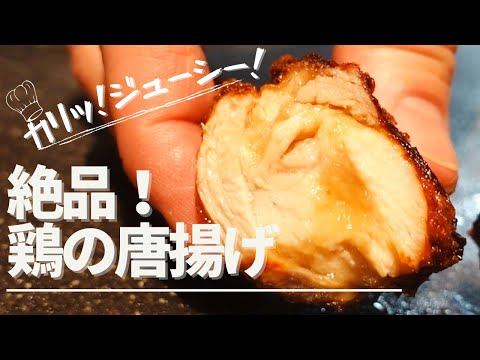
【カリッ!ジューシー!鶏の唐揚げ】ポイントは2度揚げ【簡単なのに絶品料理】
DOI 料理人
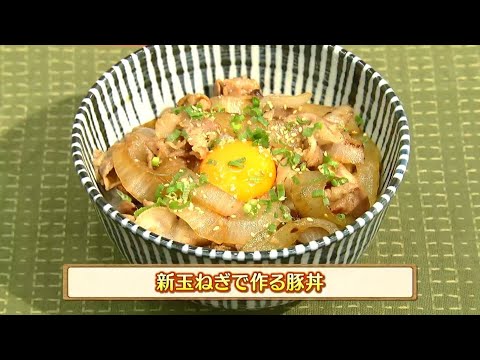
うんまかレシピ「新玉ねぎで作る豚丼」
MBC南日本放送
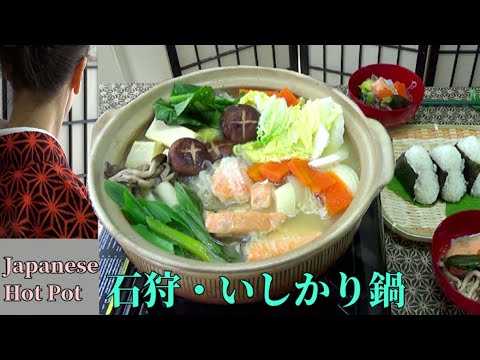
【石狩鍋の作り方・レシピ】鮭のアラでうまみたっぷり💛【郷土料理・北海道】 Japanese Hot Pot, Ishikari Nabe, Hokkaido【日本語+Eng 】
COOKBOOK Japan

洋食料理人が作る!絶対に曲がらないトンカツの作り方 How to cook Tonkatsu 筋切りなど下処理も解説
店長の料理教室
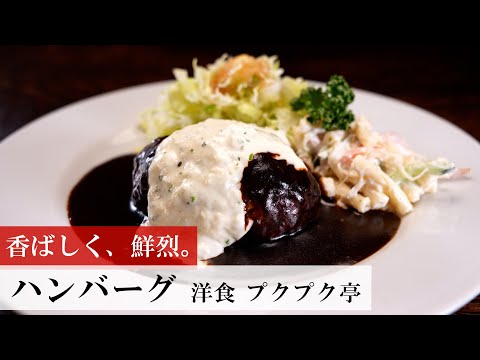
【名店レシピ】ハンバーグ by 洋食 プクプク亭 植野食堂のお品書き #438
BS Fuji Official Channel
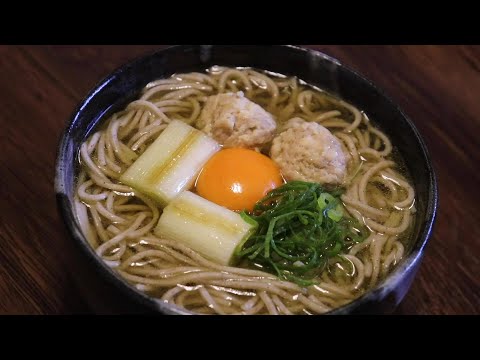
年越しの夜はコレを喰え!最高の蕎麦つゆ!!【年越し蕎麦】
オレオの台所
ご家庭で簡単にできる 美味しい鍋焼きうどんの作り方【プロの簡単レシピ】
板長チャンネル - Japan's Head chef
Similar Dishes From Other Cuisines
(24 videos)
10 Easy Egg Recipes You'll Crave Everyday • Tasty
Tasty

Batch Prepped SLOW COOKER RECIPES for an easier week
moon + magnolia
Honey Mustard Chicken Recipe
Jen Cooking

How To Make Scrambled Eggs
Casual Cooking

4 Top Recipes You Loved this Year
Flo Lum

Beef Stroganoff - Russian Cuisine by Muneeb's Menu
Muneeb's Menu

Most Popular Russian Foods | Самые популярные русские продукты
Travel & Taste
Pad Thai | Thai Recipes | Noodles
Lion Brand Rice

Recipes That Will Transport You To Spain
Tasty Recipes

Dorito Taco Salad -- Throwback Video Series
Southern Country Living

Sausage Hash Brown Breakfast Casserole
Smokin' & Grillin with AB

AUTHENTIC UKRAINIAN BORSCHT
MARGARET LALIK'S KITCHEN

Tuna Noodle Casserole - Food Wishes
Food Wishes

Southern Fried Chicken
Smokin' & Grillin with AB

American Learns to Make Filipino Food - Cooking with Ate Viva - Bihon Pancit!
JMarie Art

Broccoli Cheese Soup
Preppy Kitchen

Broccoli Cheese Soup
Preppy Kitchen

How to Make Irish Shepherd's Pie | Food Wishes
Food Wishes

Chicken Quesadilla
Andy Cooks

Tom Kha Kai - Le Riz Jaune
LE RIZ JAUNE
Gratin de courgettes, lardons, fromage/Запеканка из кабачков/Zucchini casserole/Budinca de dovlecei
Sucre et épices
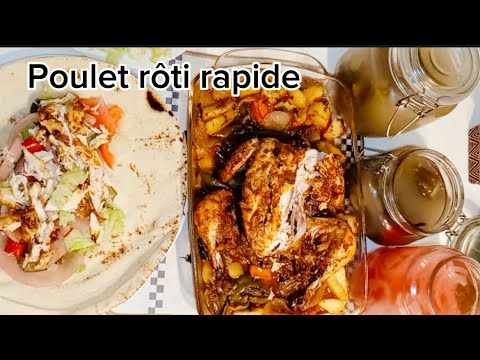
Idée de poulet rôti pour la fête
Mounira recette

L'ABC DE LA RACLETTE 🧀Comment cuire, préparer, accompagner la raclette 🥓 La Petite bette
la petite bette

Recette de la Raclette - 750g
750g