How to make homemade phyllo using a pasta maker
Recipe Information
Filo Dough
Cultural Context
Filo dough, originating from the Mediterranean, particularly Greece and Turkey, is a staple in many traditional pastries like baklava and spanakopita. Its name means 'leaf' in Greek, reflecting its thin, delicate layers that create a crispy texture when baked. Filo is celebrated for its versatility and is now embraced globally, appearing in both sweet and savory dishes across various cuisines.
butter
🥗Healthier: olive oil
💰Cheaper: margarine
Olive oil is healthier and adds a distinct flavor.
all-purpose flour
🥗Healthier: whole wheat flour
💰Cheaper: bread flour
Whole wheat flour offers more fiber and nutrients.
Put the flour in a large bowl, add the salt and pour in the olive oil. Using your fingertips rub the olive oil and flour together, until the flour absorbs the oil.
Add the vinegar and water gradually (more or less water may be necessary). Mix until the dough is soft but not sticky on your hands.
Place on a floured surface and knead for a few minutes.
You can also make the dough in your stand mixer. See the instructions to make the dough here.
Let the dough rest for half an hour.
Transfer it to your working surface and knead it a couple of times.
Divide the dough into 6 equal pieces. Shape them into balls and then press it with your hands to flatten the dough into a thick disc.
While working with the dough, flour your working surface regularly with flour or corn flour (starch), unless you are working on a non-stick mat. Also dust the dough regularly so that it will not stick on the pasta maker.
Always keep the remaining dough covered with a kitchen towel or cling film, so that it does not dry.
Set your pasta machine to the smallest number which is number 1.
Put the disc in the pasta maker opening and roll it out.
Flour the dough and set the pasta maker to number 2.
Roll out the dough.
Each time you roll it out, dust it again with flour and continue the same procedure increasing the numbers, until you get the desired thickness.
On the manual pasta machines if it is numbered from 1 - 6.
At number 4 the thickness of the dough is suitable to make pies, turnovers or pasta.
At number 5 it is suitable to make daktyla, bourekia, pischies, etc.
On my Kenwood stand mixer, the pasta attachment is numbered from 1 - 9, so I go up to number 7 and 8, respectively.
Depending on the recipe you will need thin or thick phyllo, so continue according to the instructions given in each of my recipes.
Cooking Techniques
Equipment Needed
Allergens
Also Known As
More Filo Dough Videos
(5 videos)
Easy Homemade Filo or Phyllo Dough Recipe, Pastry sheet Recipe by Cooking Mate
Cooking Mate

How to Make Phyllo Dough (Filo Pastry) | Bold Baking Basics
Bigger Bolder Baking with Gemma Stafford
Filo Dough /Phyllo Dough By Super Simple Kitchen
SuperSimplekitchen
Homemade Phyllo or Filo Dough Sheets | Pastry Sheets | Phyllo Dough Recipe | Filo Sheets
Tastemade world
Homemade FIlo or Phyllo Dough - How to Make a Phyllo Dough Recipe from Scratch
Food Wishes
Similar Mediterranean Videos
(24 videos)
✨️오뚜기 미트볼✨️ 초스피드 파스타 레시피-🍝💯│이재용 회장님의 '미트볼 파스타'도시락│시판용 미트볼 활용 끝판왕👾
이재용 회장님의 도시락
Haydari Dip
Meat with O'Meadhra
Irresistible Haydari Dip Recipe
Everything To Taste
Cooking Greek With My Family - Grandad Manolis' Cretan Lamb Antikristo Recipe
Greekosophy
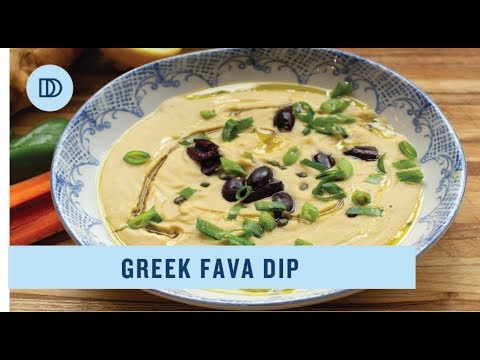
Greek Fava Dip: Split Pea Dip (Vegan)
Dimitra's Dishes
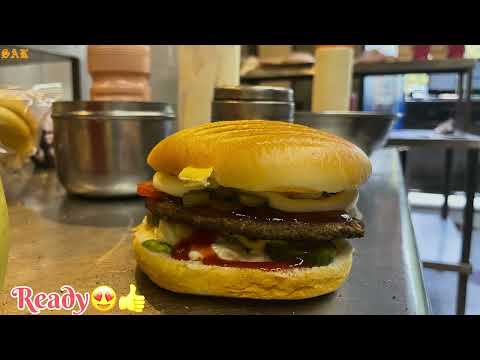
Greek Dish of Roasted meat Served in a Pita | Gulshan Iqbal best Gyro and Beef burger |Bovichic |
Saad Khattak Official
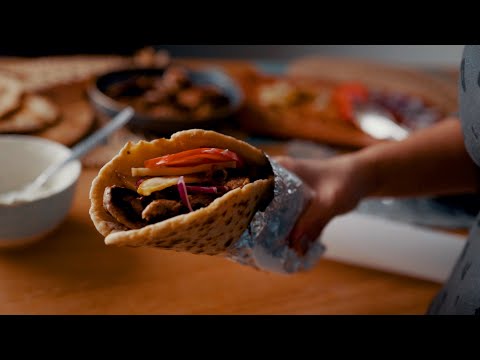
Gyro | Simple way to make Gyro at home
greekandsimple
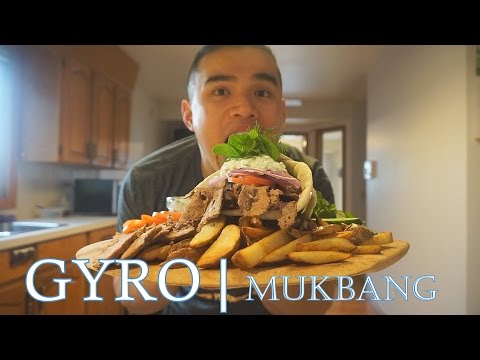
GREEK GYRO RECIPE | QT
Quang Tran
![Greek Gyro | Chef John Miller | Eat and Drink TV [Good recipes for lunch]](https://img.youtube.com/vi/egS696DqQYY/hqdefault.jpg)
Greek Gyro | Chef John Miller | Eat and Drink TV [Good recipes for lunch]
Eat and Drink TV
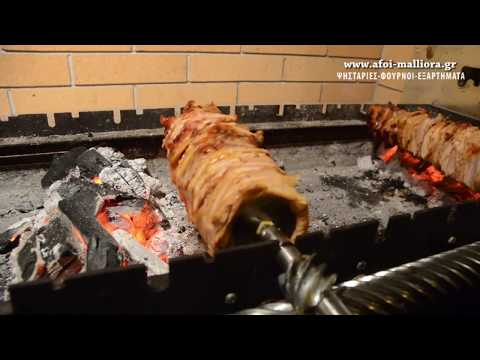
Greek gyro recipe - Homemade | Grill philosophy
Grill philosophy
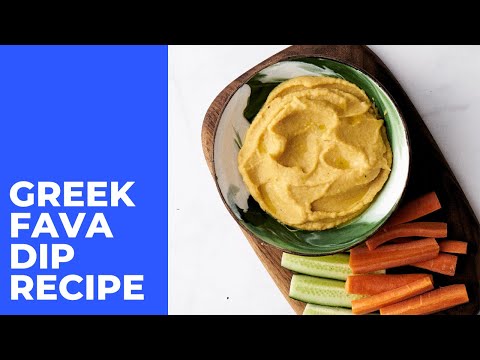
Greek Fava or Yellow Peas Hummus | Easy recipe with step-by-step photos BayevsKitchen
Bayev's Kitchen
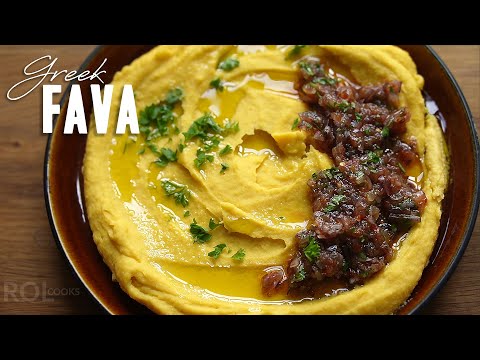
Traditional Greek FAVA With A Not-So-Traditional TOPPING
ROL Cooks
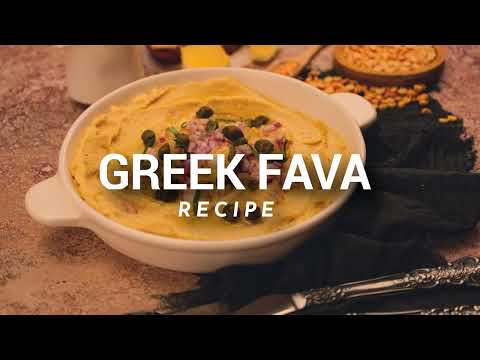
Greek fava recipe from santorini
Authentic Food Quest
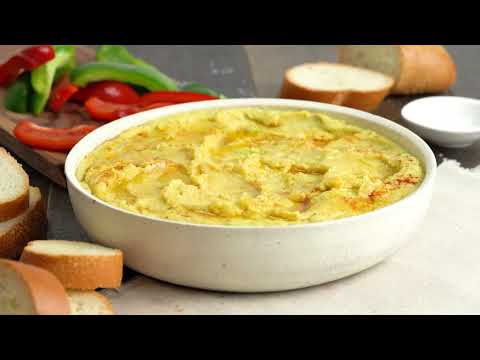
Greek Fava Recipe
The Wanderlust Kitchen
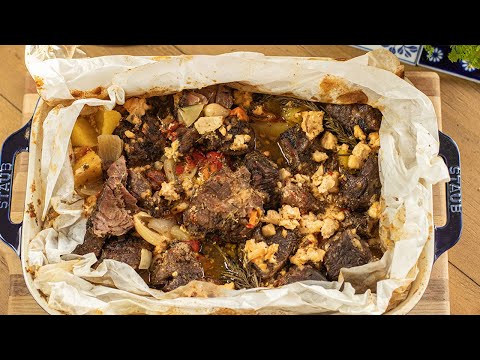
Greek Lamb Kleftiko
Dimitra's Dishes
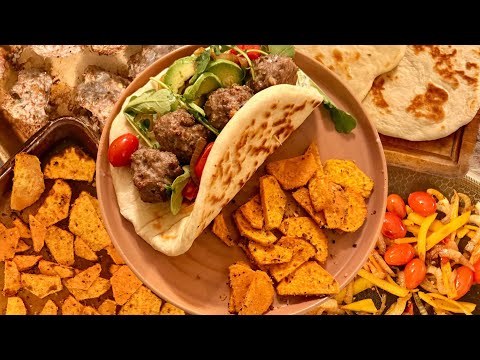
Easy Greek Lamb Meatballs & Fluffy Homemade Sourdough Naan Recipe
L.C. Jensen

Recipe for Greek-Style Penne With Fresh Tomatoes, Feta & Dill : Greek Recipes
cookingguide
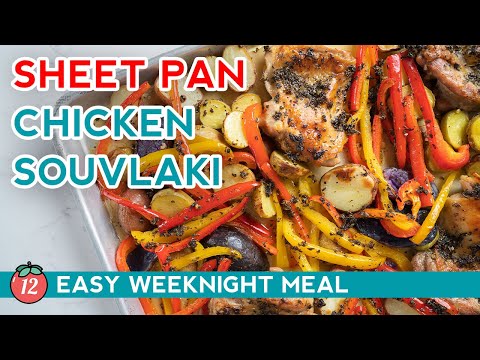
A Greek Classic That's Short On Effort, Not Flavor - Sheet Pan Chicken Souvlaki #12tomatoes
12 Tomatoes
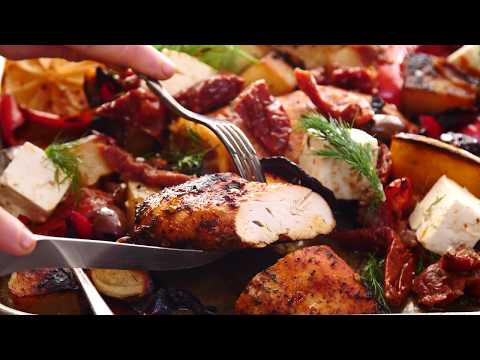
Best Easy Greek Sheet Pan Chicken Souvlaki and Potatoes
Tieghan Gerard
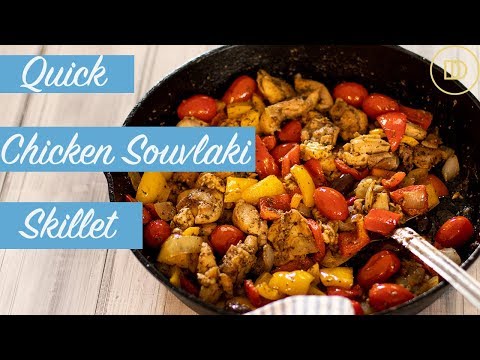
Skillet Chicken Souvlaki: Quick & Easy 30 Minute Meal
Dimitra's Dishes
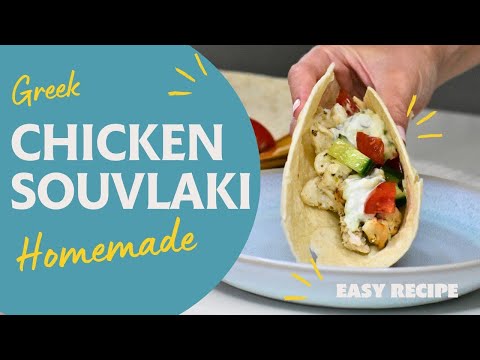
Greek Chicken Souvlaki at Home without a Grill
Alex and Mehmet
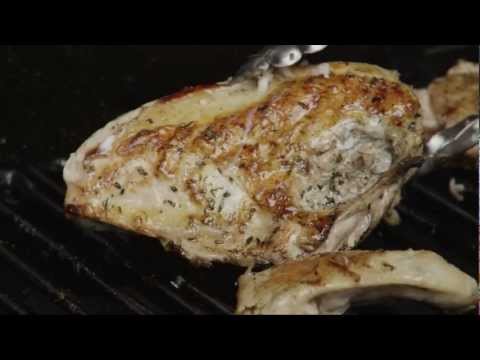
How to Make Greek Inspired Chicken | Chicken Recipe | Allrecipes.com
Allrecipes
A Recipe for Greek Dip With Hummus, Feta & Cream Cheese : Healthy Greek Eats
cookingguide
Learn how to make Tzatziki
Rodos Palace Hotel
Similar Recipes From Other Cuisines
(24 videos)
Mayonnaise Recipe | How to make Mayonnaise
Recipes by Carina
✅NIGERIAN WHOLE WHEAT BREAD RECIPE(100%)| NIGERIAN BROWN BREAD| NIGERIAN BREAD RECIPE
Queenvarieties Channel

7 Best Kids Lunch Box Recipes By Recipes Of The World
Recipes of the world
Avocado Toast
Cooking with Coit
Simplement la recette de ma brioche maison Francine.
Choumchoumnass.🌹
Brioche extra moelleuse au Thermomix ® "recette facile"
Gourmandise et plaisir
La Brioche parfaite. Ma recette de brioche à la maison super facile pas à pas .
Boulangerie Pas à pas
Boulangerie - La pâte à brioche
BaKnutt
recette Brioche maison facile
douja monde
Recette de Brioche maison moelleuse sans Robot !#brioche # brioche maison
Cooking by Nissou
RECETTE INRATABLE | BRIOCHE MAISON | Pour les nuls en brioche, comme moi !
Eloë 🌸
Baguette express et INRATABLE
Marjosamira Cook
4 petites baguettes maisons à la main dans votre four
Jean Lépine
🥖Baguettes homemade croustillantes/mie aérée🥖
Selen Kaymaz
🥖 BAGUETTE MAISON SANS PÉTRISSAGE/ROBOT/MOULE 🥖 la recette express et inratable. Deli Cuisine
Deli Cuisine
RECETTE BAGUETTE MAISON : LA MEILLEUR :)
Nora
RECETTE FACILE LES BAGUETTES CROUSTILLANTES FAITE MAISON
Casa Bena Cuisine
Baguettes fait maison
cuisine et régal
Recette de la tradition - la baguette comme à la boulangerie
Tziganette
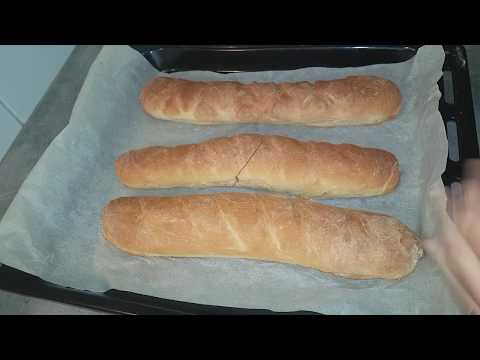
BAGUETTE TRES SIMPLE ET RAPIDE
Sabrina sabi
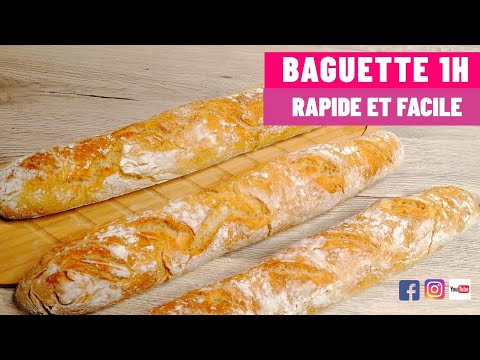
Baguette 1heure. 100%maison 100% rapide et facile.
Made'moizelle Cloé
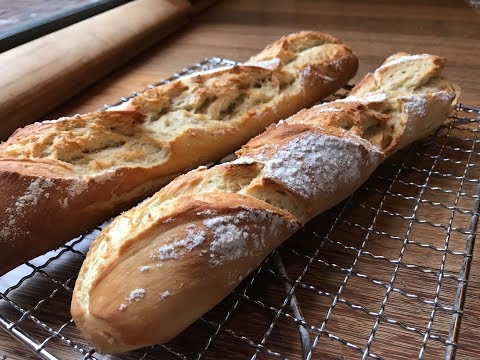
Comment faire une baguette ?
VCE French - Pierrick Hubert

RECETTE ORIGINALE DES CROISSANTS MAISON, PAINS AU CHOCOLAT, CHOCOLATINES AU BEURRE, FACILE, ASTUCES
PAPA GÂTEAUX
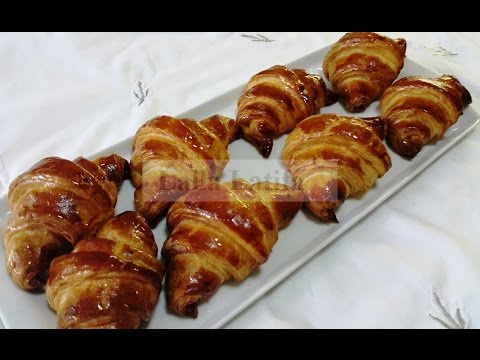
Croissants simples
Recette Chef Latifa الشيف لطيفة