FERMENTED PICKLES - The Best Old Fashioned Dill Pickle Recipe! (No Rambling)
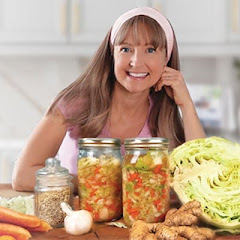
Recipe Information
Dill Pickles
Cultural Context
Dill pickles have a long history in American cuisine, often associated with summer picnics and barbecues. They are made through a simple pickling process that enhances the natural crunch and flavor of cucumbers. Traditionally enjoyed as a side dish or snack, dill pickles have become a staple in sandwiches and burgers. Today, variations abound, with many people experimenting with different spices and brines to create unique flavors.
Quantities are estimated based on standard recipes for your convenience. The actual ingredients used in this video are accurate.
white vinegar
🥗Healthier: apple cider vinegar
💰Cheaper: distilled vinegar
Apple cider vinegar adds a fruity flavor while maintaining acidity.
salt
🥗Healthier: kosher salt
💰Cheaper: table salt
Kosher salt is less processed and has a coarser texture.
garlic
🥗Healthier: garlic powder
💰Cheaper: onion powder
Garlic powder can provide flavor without the need for fresh garlic.
black peppercorns
🥗Healthier: white pepper
💰Cheaper: ground black pepper
Ground black pepper is more convenient and less expensive.
Introduce the recipe as a beginner-friendly lacto-fermented dill pickle recipe without vinegar.
Explain the difference between vinegar pickling and fermentation pickling.
Prepare a saltwater brine with a ratio of 2 tablespoons of salt to 1 quart of non-chlorinated water.
Cut off the blossom end of each cucumber to prevent softness, then quarter each cucumber.
Wash the jar with hot soapy water (sterilization is not needed).
Add coriander seeds and cloves to the jar, followed by dill flowers, sliced garlic, and bay leaves.
Pack the cucumber spears tightly into the jar on its side, pushing them down to fill gaps with a chopstick if necessary.
Add the prepared brine to the jar, ensuring the cucumbers are fully submerged and leaving headspace at the top.
Add a weight to keep the cucumbers submerged during fermentation, using a clean rock if necessary.
Cover the jar with a coffee filter or linen cloth secured with a rubber band (avoid cheesecloth).
Let the cucumbers ferment on the countertop for 7 to 8 days, noting the color change from bright green to olive green.
Check the jar on day three for bubbles and cloudy brine, which are normal signs of fermentation.
On day four, observe any yeast bloom that may develop and learn how to address it later in the video.
Demonstrate the crock method using a ceramic roaster for larger cucumbers, washing it with hot soapy water first.
Add seasonings to the crock and load cucumbers without packing them tightly.
Pour the brine over the cucumbers, allowing them to float slightly, and add a weight to keep them submerged.
Leave the crock on the countertop for 7 to 8 days, observing the same color changes as with the jar method.
Conduct a taste test on day seven, comparing the crunchiness of the different pickle types.
Cooking Techniques
Equipment Needed
Spice Level:
🌶️🌶️🌶️Dietary
Also Known As
More Dill Pickles Videos
(11 videos)
The CRUNCHIEST Dill Pickles You'll Ever Make! (Easy Recipe)
GoCleanCo
How To Make Pickles From Cucumbers From The Garden #1
Jacksonville Spice
Canned Dill Pickles Recipe
Garden Hands
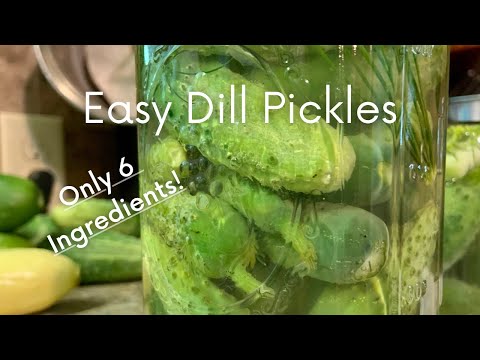
Simple Dill Pickles Using Simple Ingredients!
True Grit: Appalachian Ways
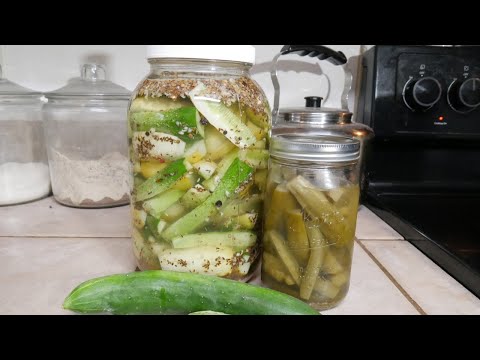
BEST Dill Pickles EVER | Copycat BUBBIES PICKLES
VW Family Farm
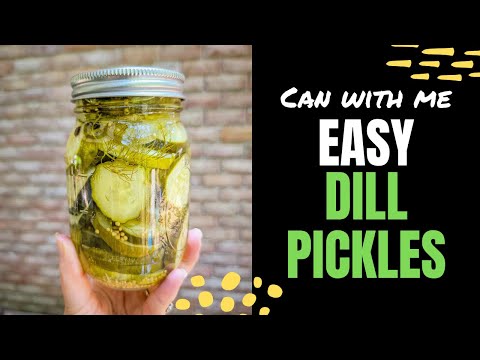
Super Easy Dill Pickle Recipe | Can With Me
Liberty Homestead
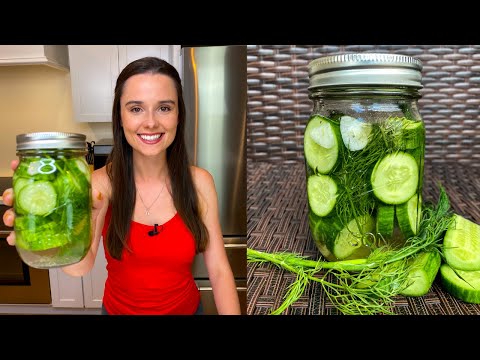
Crunchy Sour Dill Pickles (How to Make Your Own At Home!)
Tastefully Grace
How to Make Pickles
WNYC

Homemade Dill Pickles and Bread and Butter Pickles
Chef Billy Parisi
Easy Homemade Pickling Dill Pickles Recipe | Laura McIntosh | PBS Bringing It Home
BringingItHomeLM
SUPER SIMPLE DILL PICKLES | Michelin Bib Gourmand Chef's Recipe
Lanyap Cookery
Similar American Videos
(24 videos)
Batch Prepped SLOW COOKER RECIPES for an easier week
moon + magnolia
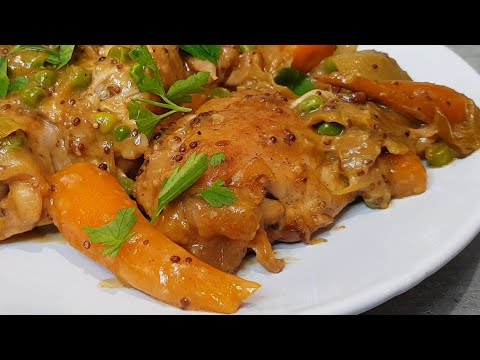
Honey Mustard Chicken Recipe
Jen Cooking
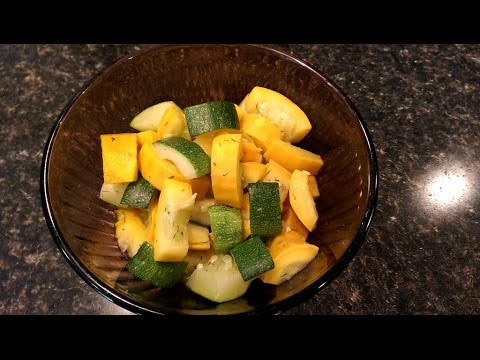
Steamed Zucchini - Bravo Charlie's Episode 23
Charlie Moore

How to make MACARONI SALAD by Kelly Henry #macaronisalad #pastarecipes #veggierecipes
Kelly's Kuisine

Dorito Taco Salad -- Throwback Video Series
Southern Country Living
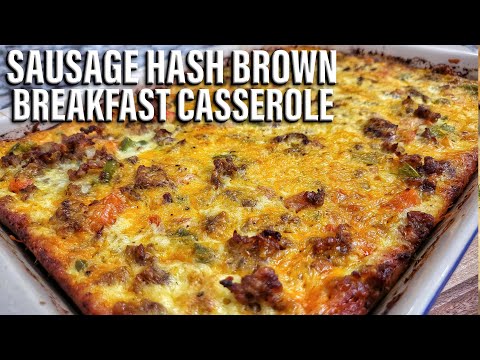
Sausage Hash Brown Breakfast Casserole
Smokin' & Grillin with AB

Apple Fritter Doughnuts
Laura in the Kitchen

Crab Bisque
Dirty Spoons
Apple Cranberry Pecan Salad
Arabesque Media
Peanut Butter Cookies
Omar Tellow

Pineapple Upside Down Cake | New Year Party Recipe | By Ashley Derick MacDonald | For Cuisine Canvas
Cuisine Canvas

Tuna Noodle Casserole - Food Wishes
Food Wishes

Boston Cream Pie
Preppy Kitchen

Southern Fried Chicken
Smokin' & Grillin with AB

Professional Baker Teaches You How To Make CHOCOLATE CHIP COOKIES!
Oh Yum with Anna Olson

Smoked Shotgun Shells
Meat Church BBQ

Broccoli Cheese Soup
Preppy Kitchen

Broccoli Cheese Soup
Preppy Kitchen
10 Recipes To Sweeten The Holiday Season
Scrumdiddlyumptious
Potato Salad
J. Kenji López-Alt

Peach Cobbler
Preppy Kitchen

5 Classic American Desserts You Must Try at Home! 🇺🇸🍰 #delicious_delights #dessert
Delicious Delights
7 Best Kids Lunch Box Recipes By Recipes Of The World
Recipes of the world
Mousse à la pêche par Pierre-Dominique Cécillon pour Larousse Cuisine
LarousseCuisine
Similar Recipes From Other Cuisines
(24 videos)
Cabbage Salad (I weighed my ingredients and…)
Helen Rennie
Top Traditional Salvadoran Food | Salvadoran Cuisine
Travel & Taste

Aligot: Le Plat Réconfortant Parfait 🧀🥔 | Recette Facile
Julien Cadeau
L'Aligot très facile à faire et savoureux #aligot
Oum Arwa
L’aligot par Guy Demarle
Guy Demarle
L'aligot, avec les secrets du Chef Philippe Etchebest
Quitoque
Recette de l'Aveyron : Aligot
TourismeAveyron

Comment réaliser un gratin dauphinois ? #pommedeterre #cooking #cuisinefrançaise #cuisine
Chef Jo
Recette Gratin Dauphinois
Ad Vitam Eternam
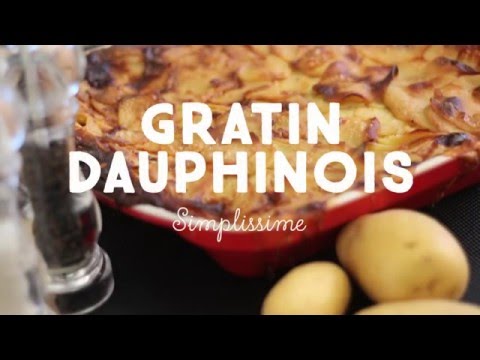
Gratin dauphinois simplissime - CuisineAZ
CuisineAZ.com
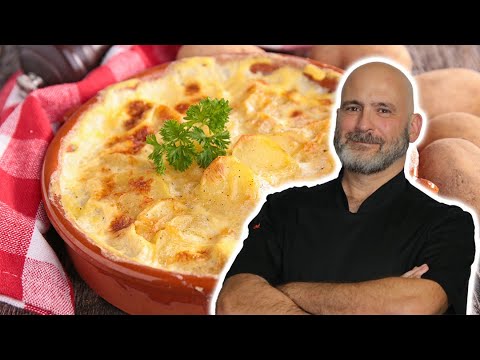
GRATIN DAUPHINOIS - La meilleure façon de le réussir - Simple et Rapide
Cuisinez Rapide
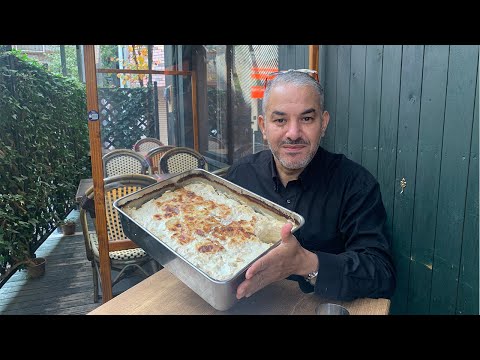
GRATIN DAUPHINOIS (SANS FROMAGE BIEN SÛR ) !!!
Dziri Fi Tokyo
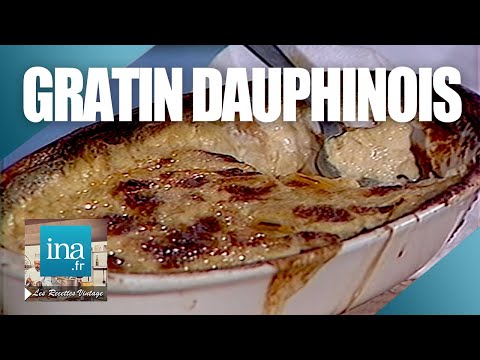
Recette : Le gratin Dauphinois de Michel Rostang | Archive INA
Ina Les Recettes Vintage
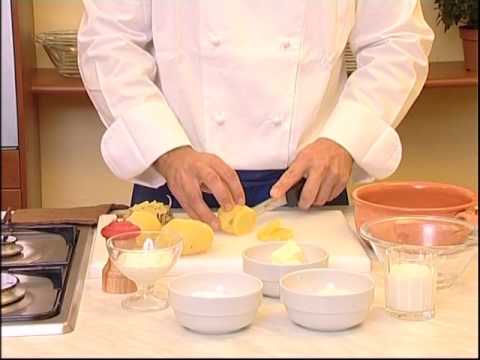
Cuisine Française - Gratin Dauphinois
Food Story

DÉGUSTATION D'UN GRATIN DAUPHINOIS XXL POUR 10 PERSONNES!! (+ Recette Super Facile)
Le Goinfre
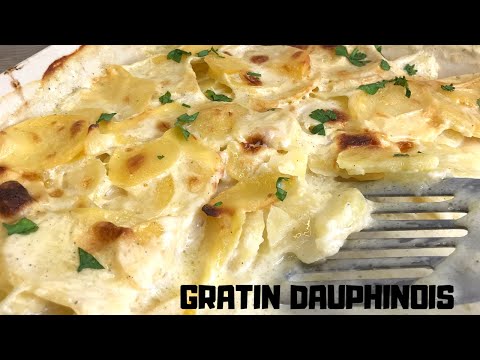
GRATIN DAUPHINOIS TENDRE ET RAPIDE
IKR Cook

Recette du véritable gratin dauphinois
Gratin Dauphinois
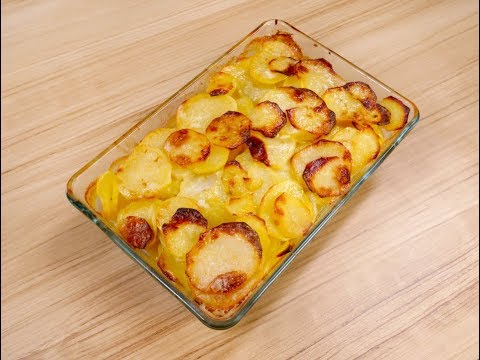
GRATIN DAUPHINOIS | MARMITON
Marmiton
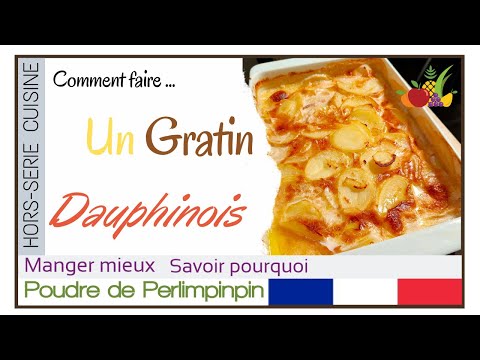
🇫🇷 Le GRATIN DAUPHINOIS 🍲 tuto pas à pas en mode rapproché 🍽
Poudre de Perlimpinpin
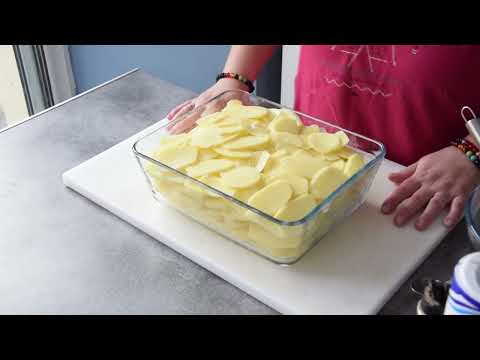
Un vrai gratin dauphinois🥔🥔🥔
Gasyaflo “Gasyaflo”
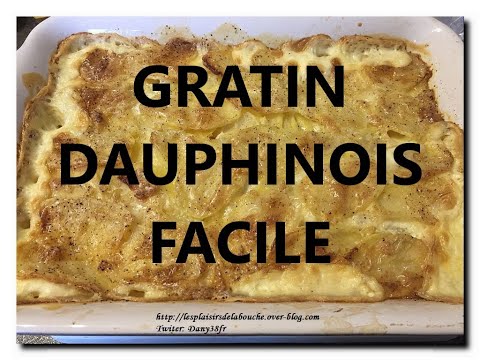
Gratin dauphinois (La recette facile)
lesplaisirsdelabouche. com
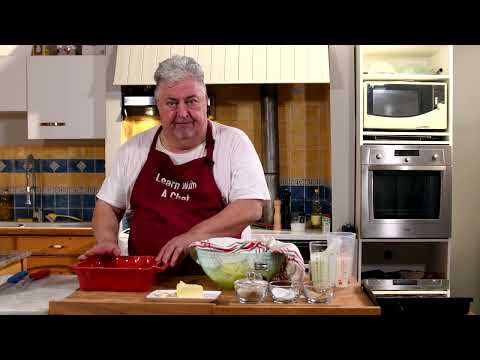
Le gratin dauphinois classique
Learn With A Champion
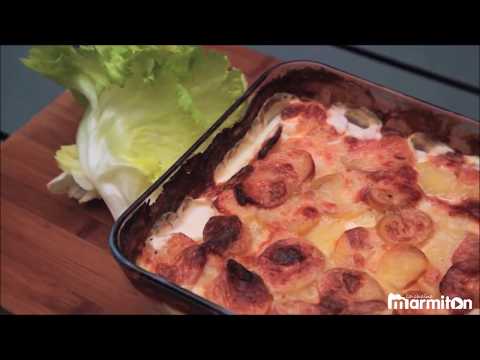
Le gratin dauphinois de Recette Roulette
La classe de Fabienne
![Gratin Dauphinois [Recette au Micro-Ondes] ♡ Virginie fait sa cuisine [76]](https://img.youtube.com/vi/YcsFxDGujgg/hqdefault.jpg)
Gratin Dauphinois [Recette au Micro-Ondes] ♡ Virginie fait sa cuisine [76]
VIRGINIE FAIT SA CUISINE