Home Cook Vegan Korean Meals | Korean Soy Bean Paste Soup & Japchae
Recipes in this Video
Kimchi Stew, or Kimchi Jjigae, is a beloved Korean dish that originated as a way to use up old kimchi. It is a staple comfort food, often enjoyed with rice and shared among family. Traditionally made with pork, it has evolved to include various proteins and vegetables, making it versatile and popular worldwide. Today, it's a symbol of Korean home cooking, cherished for its bold flavors and warming qualities.
Ingredients
- ●kimchi
- ●pork
- ●tofu
- ●green onions
- ●garlic
- ●ginger
- ●gochugaru
- ●soy sauce
- ●sesame oil
- ●water
- ●sugar
- ●mushrooms
- ●zucchini
- ●carrots
- ●onion
Instructions
- 1Heat a pot over medium heat and add pork until browned, about 5-7 minutes.
- 2Add garlic and ginger, cooking until fragrant, about 1 minute.
- 3Stir in kimchi and cook for 3-4 minutes to enhance flavor.
- 4Add water and bring to a boil.
- 5Reduce heat to a simmer and add gochugaru, soy sauce, and sugar.
- 6Incorporate tofu and vegetables, simmering for 10-15 minutes until tender.
- 7Adjust seasoning to taste with additional soy sauce or gochugaru if desired.
- 8Garnish with sliced green onions before serving.
Ingredient Alternatives
pork
Healthier: chicken
Cheaper: tofu
Chicken is leaner, while tofu is plant-based and budget-friendly.
tofu
Healthier: tempeh
Cheaper: extra firm tofu
Tempeh offers a nuttier flavor and more protein.
gochugaru
Healthier: paprika
Cheaper: cayenne pepper
Paprika can mimic the color and mild heat of gochugaru.
sesame oil
Healthier: olive oil
Cheaper: vegetable oil
Olive oil is a healthier fat option.
Techniques
Equipment
Also Known As
Kimchi Fried Rice, or Kimchi Bokkeumbap, has its roots in Korea, where it was traditionally a way to use leftover rice and kimchi. This dish reflects the Korean philosophy of resourcefulness and minimizing waste. It is often enjoyed as a quick meal, showcasing the bold flavors of fermented kimchi combined with the comforting texture of rice. Today, Kimchi Fried Rice has gained popularity worldwide, with variations including different proteins and vegetables to suit diverse palates.
Ingredients
- ●cooked rice
- ●kimchi
- ●vegetable oil
- ●garlic
- ●onion
- ●carrots
- ●green onions
- ●soy sauce
- ●sesame oil
- ●egg
- ●peas
- ●protein (tofu or meat)
- ●gochujang
- ●black pepper
Instructions
- 1Heat vegetable oil in a large skillet over medium heat until shimmering.
- 2Add minced garlic and diced onion; sauté until fragrant, about 2-3 minutes.
- 3Stir in diced carrots and cook until tender, about 3-4 minutes.
- 4Add kimchi and stir-fry for 2-3 minutes until heated through.
- 5Incorporate cooked rice, breaking up clumps; stir-fry for 5 minutes until heated evenly.
- 6Add soy sauce, sesame oil, and gochujang; mix well to combine.
- 7Push rice to one side of the skillet; crack an egg into the empty space and scramble until cooked.
- 8Mix the scrambled egg into the rice mixture.
- 9Add peas and chopped green onions; stir-fry for an additional 2 minutes.
- 10Season with black pepper to taste and serve hot.
Ingredient Alternatives
kimchi
Healthier: sauerkraut
Cheaper: pickled vegetables
Sauerkraut offers a similar tangy flavor at a lower cost.
vegetable oil
Healthier: avocado oil
Cheaper: canola oil
Avocado oil provides healthy fats and a higher smoke point.
egg
Healthier: tofu
Cheaper: scrambled egg substitute
Tofu offers a plant-based protein alternative.
soy sauce
Healthier: low-sodium soy sauce
Cheaper: tamari
Low-sodium soy sauce reduces sodium intake.
Techniques
Equipment
Also Known As
Doenjang stew, or Doenjang Jjigae, is a traditional Korean dish that showcases the rich flavors of fermented soybean paste, often enjoyed with rice.
Ingredients
- ●1 cup doenjang (Korean soybean paste)
- ●4 cups water
- ●1 medium onion, chopped
- ●2 medium potatoes, diced
- ●1 medium zucchini, sliced
- ●1 cup mushrooms, sliced
- ●1 cup tofu, cubed
- ●2 green onions, chopped
- ●2 cloves garlic, minced
- ●1 tsp sesame oil
- ●1 tsp red pepper flakes (optional)
- ●1/2 tsp black pepper
- ●Salt to taste
Instructions
- 1In a large pot, combine the doenjang and water, stirring until the paste is dissolved.
- 2Add the chopped onion and minced garlic to the pot, and bring to a boil over medium heat.
- 3Once boiling, add the diced potatoes and cook for about 10 minutes, or until they start to soften.
- 4Stir in the sliced zucchini and mushrooms, and continue to cook for another 5 minutes.
- 5Add the cubed tofu and season with black pepper, salt, and red pepper flakes if using.
- 6Reduce the heat to low and let the stew simmer for about 10-15 minutes, allowing the flavors to meld.
- 7Drizzle sesame oil over the stew and stir gently to combine.
- 8Taste and adjust seasoning if necessary, adding more salt or doenjang as desired.
- 9Remove from heat and stir in the chopped green onions just before serving.
- 10Serve hot with steamed rice.
Equipment
Japchae is a beloved dish in Korean cuisine, traditionally served during celebrations and special occasions. Originating in the 17th century, it showcases the harmony of flavors and textures, using stir-fried glass noodles made from sweet potatoes. Today, Japchae is enjoyed globally, often adapted with various proteins and vegetables, making it a versatile favorite.
Ingredients
- ●sweet potato noodles
- ●beef
- ●spinach
- ●carrots
- ●onion
- ●garlic
- ●soy sauce
- ●sesame oil
- ●sugar
- ●black pepper
- ●sesame seeds
- ●mushrooms
- ●green onion
Instructions
- 1Soak sweet potato noodles in warm water for 30 minutes until softened.
- 2Drain and cut noodles into manageable lengths.
- 3Heat a large skillet over medium-high heat and add sesame oil until shimmering.
- 4Add sliced beef and cook until browned, about 3-4 minutes.
- 5Add minced garlic and sliced onion, cooking until fragrant, about 2 minutes.
- 6Stir in julienned carrots and mushrooms, cooking until tender, about 3 minutes.
- 7Add spinach and cook until wilted, about 1-2 minutes.
- 8Add the soaked noodles to the skillet and toss to combine with the vegetables and beef.
- 9Pour in soy sauce and sugar, mixing well to coat the noodles evenly.
- 10Season with black pepper to taste and toss in sesame seeds and chopped green onion.
- 11Cook for an additional 2-3 minutes, stirring frequently, until heated through.
- 12Serve warm, garnished with extra sesame seeds if desired.
Ingredient Alternatives
beef
Healthier: tofu
Cheaper: chicken
Tofu is plant-based and lower in fat, while chicken is often less expensive.
sweet potato noodles
Healthier: zucchini noodles
Cheaper: rice noodles
Zucchini noodles are lower in carbs, while rice noodles are more affordable.
soy sauce
Healthier: low-sodium soy sauce
Cheaper: tamari
Low-sodium soy sauce reduces salt intake, and tamari is often cheaper.
sesame oil
Healthier: olive oil
Cheaper: canola oil
Olive oil is healthier, while canola oil is generally less expensive.
Techniques
Equipment
Also Known As
Bibimbap is a traditional Korean dish that combines rice with a variety of vegetables, meat, and a spicy sauce. It is often served in a hot stone bowl, which creates a crispy rice layer at the bottom. The dish is known for its vibrant colors and nutritional balance, making it a popular choice for both everyday meals and special occasions.
Ingredients
- ●cooked rice
- ●mixed vegetables
- ●gochujang
- ●sesame oil
- ●egg
- ●meat (beef or chicken)
- ●seaweed
- ●soy sauce
Instructions
- 1Prepare the rice according to package instructions.
- 2Sauté the mixed vegetables in sesame oil until tender.
- 3Cook the meat in a separate pan until fully cooked.
- 4In a bowl, place a serving of rice as the base.
- 5Top the rice with sautéed vegetables, cooked meat, and a fried egg.
- 6Drizzle gochujang and soy sauce over the top before serving.
Ingredient Alternatives
meat (beef or chicken)
Healthier: tofu
Cheaper: ground pork
Tofu is a plant-based protein, while ground pork is often less expensive than beef.
Techniques
Equipment
Also Known As
Ingredients
- ●1 cup dried miyeok (seaweed)
- ●8 cups water
- ●1/2 pound beef (brisket or flank)
- ●2 tablespoons soy sauce
- ●1 tablespoon sesame oil
- ●2 cloves garlic, minced
- ●1 teaspoon salt
- ●1/2 teaspoon black pepper
- ●2 green onions, chopped
Instructions
- 1Soak the dried miyeok in water for about 30 minutes until it expands and softens.
- 2In a large pot, add the soaked miyeok and 8 cups of water. Bring to a boil over medium heat.
- 3Once boiling, add the beef to the pot and reduce the heat to a simmer.
- 4Cook for about 30 minutes, skimming off any foam that rises to the surface.
- 5After 30 minutes, remove the beef and set it aside to cool. Continue simmering the soup for another 10 minutes.
- 6While the soup is simmering, slice the cooled beef into thin strips.
- 7Add the soy sauce, sesame oil, minced garlic, salt, and black pepper to the pot. Stir well to combine.
- 8Return the sliced beef to the pot and simmer for an additional 5 minutes.
- 9Taste the soup and adjust seasoning if necessary.
- 10Serve hot, garnished with chopped green onions.
Equipment
More Kimchi Stew Videos
(13 videos)
초간단 김치찌개 ㅣ 백종원의 백종원 레시피
백종원 PAIK JONG WON
![[어남선생 레시피] 한번 배워두면 평생 가는 레시피! [평생 김치찌개] 류수영의 각종 꿀팁 총출동 [신상출시 편스토랑/Fun-Staurant] | KBS 240105 방송](https://img.youtube.com/vi/qRa49obXGQE/hqdefault.jpg)
[어남선생 레시피] 한번 배워두면 평생 가는 레시피! [평생 김치찌개] 류수영의 각종 꿀팁 총출동 [신상출시 편스토랑/Fun-Staurant] | KBS 240105 방송
KBS Entertain
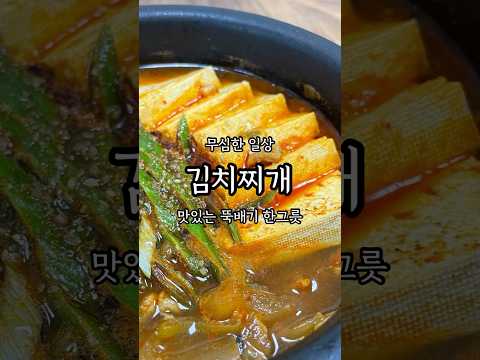
#돼지고기 #묵은지 #김치찌개 : #무심한 #일상요리
무심한 일상
![시원함 주의!! 매력적인 맛 묵은지김치찌개 [맛있는 녀석들 Tasty Guys]279회](https://img.youtube.com/vi/wcDzS6eNnRQ/hqdefault.jpg)
시원함 주의!! 매력적인 맛 묵은지김치찌개 [맛있는 녀석들 Tasty Guys]279회
맛있는 녀석들 (Tasty Guys)
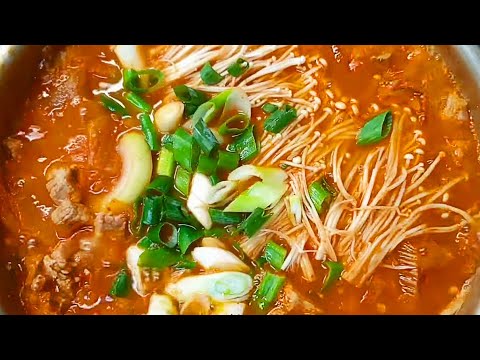
옛날 진한 김치찌개 맛 그대로!🌶️ 묵은지 김치찌게 이렇게 해야 맛있습니다
고향누나 자연식단
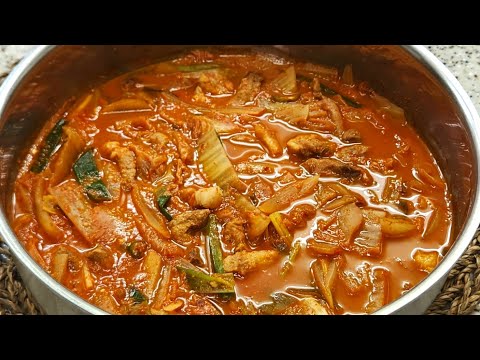
김치 찌개 이렇게 드셔보세요 묵은지 김치 찌개 맛있게 끓이는 방법 김치찌개요리 찌개요리 국요리 묵은지 김치찌 묵은지요리 김치 찌개 끓이는법 김치 찌개 끓이는 방법 김치 찌개 끓이기
광수엄마 건강요리
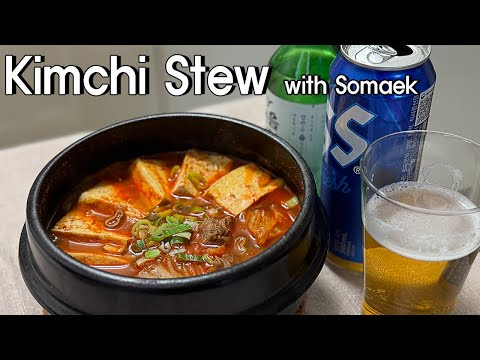
How to make Korean Food_Kimchi Stew 한식 만들기_김치찌개
MANOMANO_Korean Food Recipes
![[#피크타임] ⭐당신의 김치찌개가 맛없는 이유⭐ 어남선생 평생 김치찌개 레시피 | #신상출시편스토랑 | KBS 240105 방송](https://img.youtube.com/vi/Wh8YL-Iz_kI/hqdefault.jpg)
[#피크타임] ⭐당신의 김치찌개가 맛없는 이유⭐ 어남선생 평생 김치찌개 레시피 | #신상출시편스토랑 | KBS 240105 방송
KBS Entertain
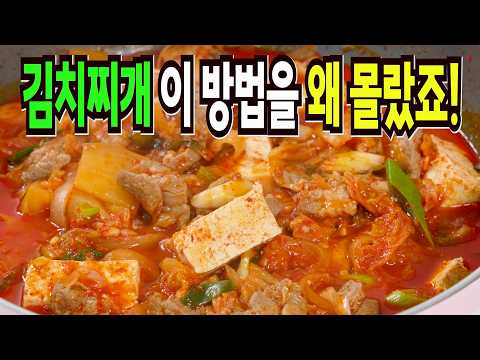
김치찌개 힘들게 하지마세요✔️ 이 방법은 식당차리면 대박납니다
엄마의손맛
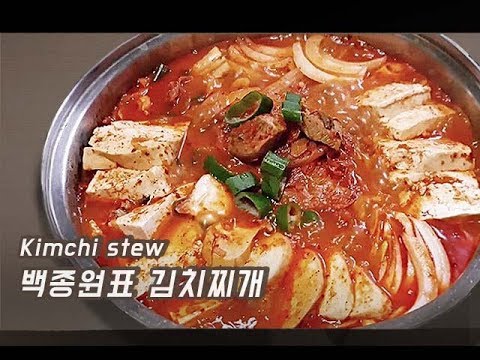
백종원 김치찌개 황금레시피! 돼지고기 김치찌개 만들기 Kimchi stew (Kimchi-jjigae) | 아빠의 반찬
쿡쌤 Cook Teacher
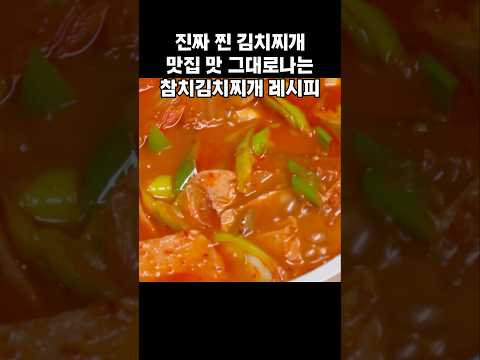
인생김치찌개 레시피 #요리하는 #디자이너 #김치찌개 #참치김치찌개 #김치 #kimchi
올웨이즈쏭
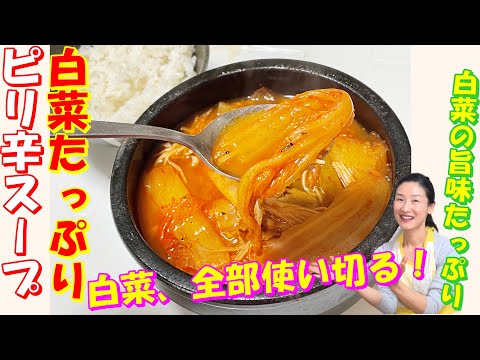
【韓国料理】体がポカポカ白菜スープ レシピ|間違いない!|白菜たっぷり入れて心も体も温まる白菜ピリ辛スープ 作り方|笑顔になるボリュームたっぷりのスープ|白菜の旨味甘みが出汁濃い!👀|韓国人気白菜チゲ
ヨンジョンの本格「韓国料理レシピ」
![[Korean Stew Recipe 🤤] Warming Winter "Glass Noodle" Stew w/ Kimchi & Tofu | Comfort Korean Food](https://img.youtube.com/vi/-tIJh4WFtHc/hqdefault.jpg)
[Korean Stew Recipe 🤤] Warming Winter "Glass Noodle" Stew w/ Kimchi & Tofu | Comfort Korean Food
Glowing Seoul
Similar Korean Videos
(24 videos)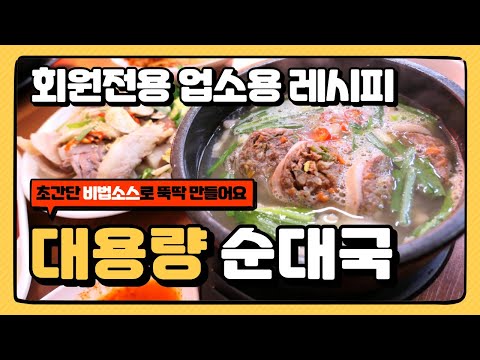
어마무시한! 8kg 녹찐한 순대국 🤩 순댓국 대용량 미쳤네
썰맨
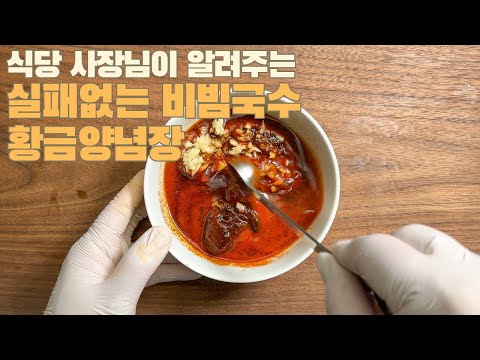
식당 사장님이 알려주는실패없는 비빔국수 황금 양념장 #카페동이 #집밥 #한식 #레시피 #koreanfood
카페동이, 오늘의 밥상
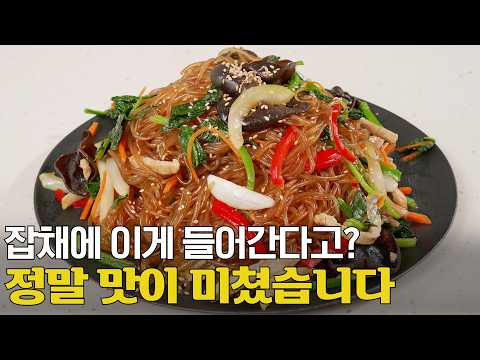
잡채는 5가지 방법과 양념 황금비율만 알면 최고의 잡채가 됩니다! 이건 무조건 외우세요!
오늘식탁 - Today Table

::rice cake:: 송편만들기 Rice cake for Chuseok, ''Songpyeon"
SUJUNG CAKE 수정케이크
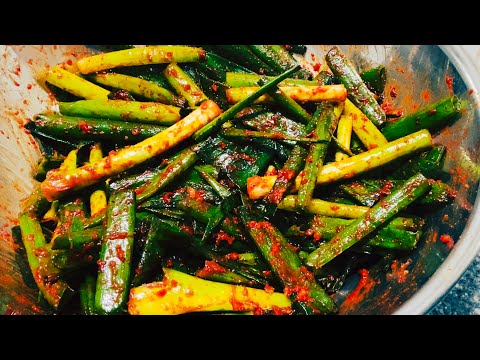
대파김치 만들기(초간단)/ 금방만들어서 흰밥에 올려먹어도 맛있어요👍
푸딩 Fooding
![잡채 만드는법 [한식조리기능사 실기동영상]](https://img.youtube.com/vi/HF_q3Zx_AsA/hqdefault.jpg)
잡채 만드는법 [한식조리기능사 실기동영상]
YoriTV
대박집 김치만들기! 초간단 황금레시피 공개!
아빠는 식당 사장님
![완전 쉬운 김치부침개.그녀의킥은? [김치부침개 : 한식(koreanfood)]Kimchi pancake 반찬만들기#26 [그녀의요리 : hercooking]](https://img.youtube.com/vi/UCoezwh5ymg/hqdefault.jpg)
완전 쉬운 김치부침개.그녀의킥은? [김치부침개 : 한식(koreanfood)]Kimchi pancake 반찬만들기#26 [그녀의요리 : hercooking]
Umi's cooking우미스쿠킹

🔥엄청더운날 퇴근후 매운김치찌개랑 집밥먹방 Korean Food Kimchijjigae Mukbang eating show
라라먹방 Rara mukbang

부대찌개먹방, 집밥먹방, 스팸과 킬바사소세지, 비엔나 소세지를 가득 넣은 부대찌개 리얼사운드 sausage stew mukbang KOREAN HOME FOOD REAL SOUND
배블리[B.LOVELY MUKBANG]
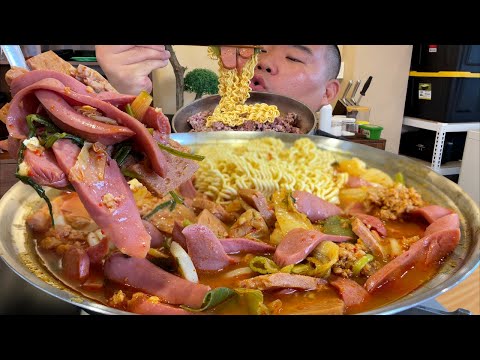
장마엔 부찌죠? 햄사리3인분 줄서먹는 맛 집 부대찌개 + 냉면그릇에 밥 한 그릇 먹방입니다. MUKBANG
한식푸우 Korean food
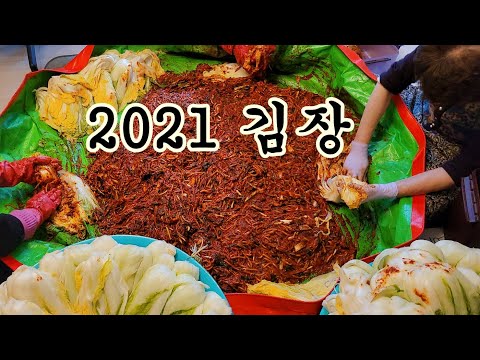
2021년 3대가 함께하는 김장김치 만들기 해남 절임배추 -충청도 외할머니 밥상
충청도외할머니밥상

단맛 있는 #자색고구마 #송편만들기, 지역에 따라 송편 모양도 다르다 충청도.경기도식 송편 모양
솔바위농원
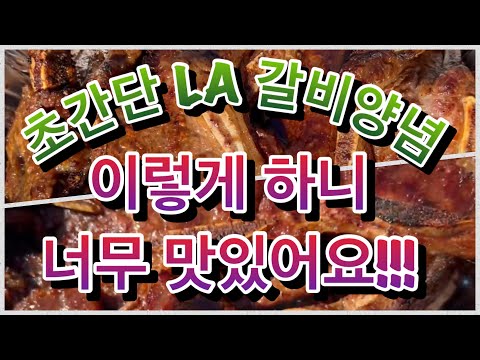
LA Galbi~ Korean food! LA갈비양념 이렇게하세요~ LA갈비 구이~ LA갈비양념비법 갈비양념 황금레시피 Korean Style Beef Short Ribs
LA inaTV미국사는 강원도촌아줌마
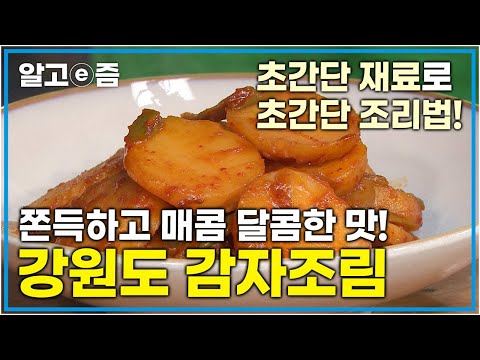
부서지지도 않고 쫀득 매콤한 초간단 감자조림! 강원도에 살던 엄마가 해주시던 황금 레시피 대공개│최고의 요리비결│알고e즘
EBSCulture (EBS 교양)
![[간단 자취요리] 단짠단짠! 고기없이 궁중떡볶이 / 간장떡볶이 만들기 / 얌무yammoo](https://img.youtube.com/vi/EUzzceeCVYc/hqdefault.jpg)
[간단 자취요리] 단짠단짠! 고기없이 궁중떡볶이 / 간장떡볶이 만들기 / 얌무yammoo
얌무YAMMoo

호떡으로 디저트 만들기
뮈냥(minyang)

재벌가 요리선생 '흑백요리사 서울엄마' 김밥 레시피 최초공개 (초간단, 우정욱 셰프)
밉지않은 관종언니
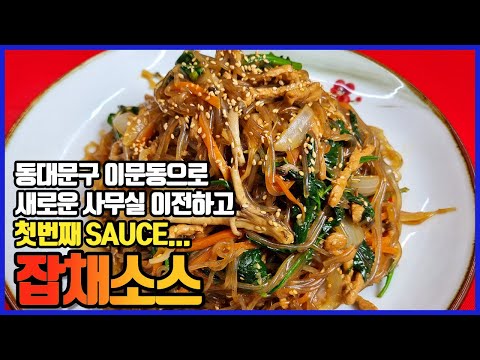
서울 동대문구 이문동으로 새로운 사무실 이전하고 첫번째 소스, 잡채소스 ! 잡채 양념은 이렇게 하세요!
요리는 레시피다
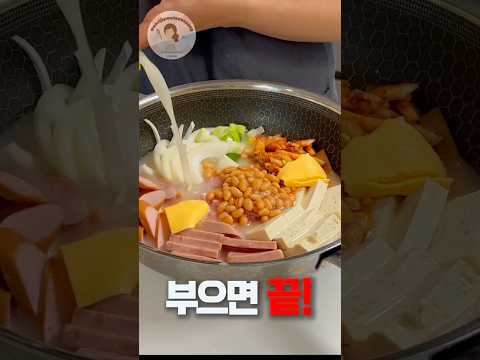
부대찌개, 맛집 레시피 이건 못참지! 집에서 편하고 맛있게 맛집 부대찌개 즐겨보세요 #요리 #koreanfood #food #부대찌개 #찌개 #레시피 #맛집#음식 #국물요리
우리집맛선생_평범한재료를 특별한요리로
꼬막 요리의 최고봉 꼬막비빔밥 만들기 / 핵맛있는 꼬막무침 황금레시피
전라도시어머니
감탄이 나오는 김치찌개! 냉장고 속 묵은지가 금새 사라집니다
쿡피아 Cookpia
![[부대찌개] 이 부대찌개는 어느 부대에서 먹을 수 있어요..? | 사골 없이 부대찌개 끓이기](https://img.youtube.com/vi/-bz_RBIUdDY/hqdefault.jpg)
[부대찌개] 이 부대찌개는 어느 부대에서 먹을 수 있어요..? | 사골 없이 부대찌개 끓이기
남자들의 주부생활 men's cooking
수미네 반찬 묵은지 부대찌개 만드는 법, 김수미표 레시피 그대로 매콤 부대찌개 만들기,cooking hacks, How to cook
저녁하다쯩빵
Similar Dishes From Other Cuisines
(24 videos)
American Learns to Make Filipino Food - Cooking with Ate Viva - Bihon Pancit!
JMarie Art

Un pâté en croûte d'exception fabriqué au Pays basque
France 3 Nouvelle-Aquitaine

PÂTÉ EN CROÛTE Maison : Mon Premier Essai !
Charcuterie Amateur
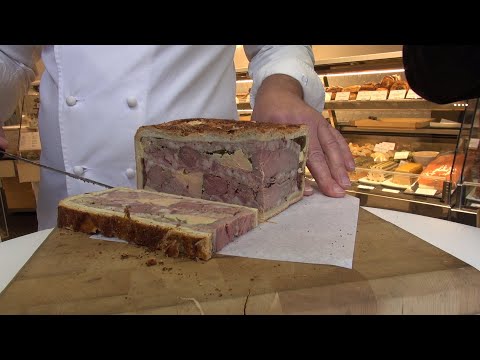
La France de Périco : le pâté en croûte de la maison Vérot
Marianne

📈 Le come back du pâté en croûte 😋
Jamy - Epicurieux
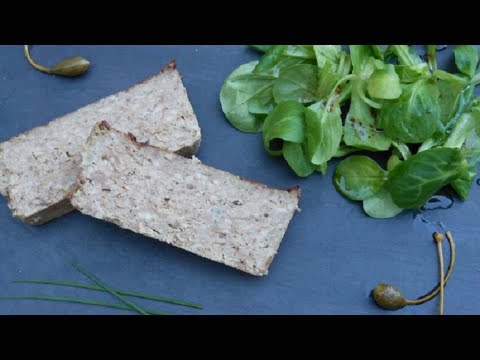
🐖 Terrine de Campagne Porc et Foies de Volaille – Un Plat Rustique et Savoureux
Recettes Cooking

N°210 Le cassoulet - La chronique culturelle de Violaine
Les Chevaliers du Fiel France Bleu

DUEL DE RECETTES : CASSOULET 100% Moulinex (CompanionTouch VS CLICKCHEF par Sand CooK&LooK)
Sand Cook&Look
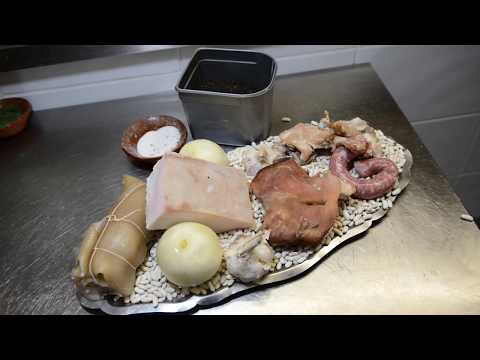
Eric et son cassoulet
voaraprod

RECETTE DU CASSOULET FAIT MAISON / UN JOUR UNE RECETTE
Un jour Une recette

Sud-Ouest : Les secrets des meilleurs cassoulets du monde | Sept à Huit
Sept à huit

PÂTÉ EN CROÛTE 🇫🇷 Recette Technique Pate en croute Petite bette
la petite bette
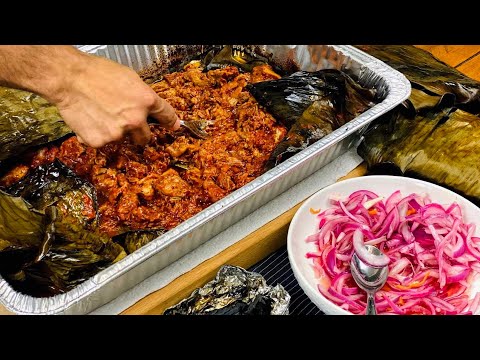
Cochinita Pibil. Receta Original Yucateca
SABOR EN LA COCINA
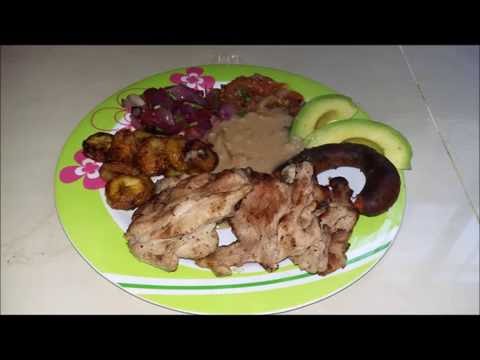
poc chuc (comida yucateca deliciosa)
Ara y su cocina

Cochinita pibil! Una tradición yucateca!
Cynthia cocina con amor
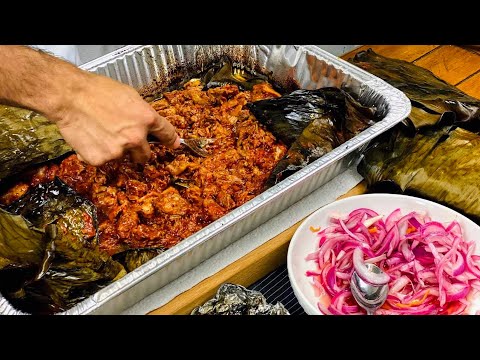
Cochinita pibil receta original yucateca
SABOR EN LA COCINA
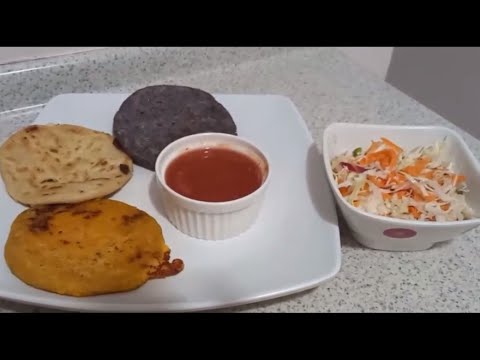
🍪 Las PUPUSAS de colores más DELICIOSAS 🍪
Cocinando con Reinita
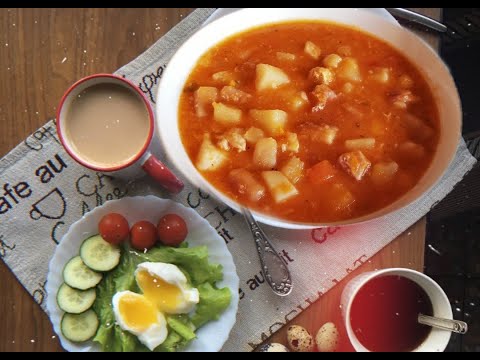
Caldosa cubana. Paso a paso.
Cocina cubana Yoli

🍚 Congrí cubano auténtico 🇨🇺 | Receta fácil paso a paso/ Cuban Black Beans & Rice Recipe”
Nano Sabores
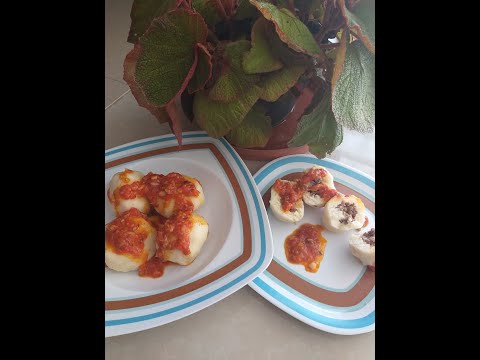
Receta Venezolana: Bollos Pelones + Mensaje Especial
Morochas en la Cocina

CHEF Venezolana Prepara Tacos Al Pastor Por Primera Vez
La Cocina De Alba

Asado de puerco para celebrar el 15 de septiembre, Recetas con Ruth
Recetas con Ruth

COMO HACER AREPA DE HUEVO COLOMBIANA! ║ RECETAS FACILES Y RAPIDAS
KenBox
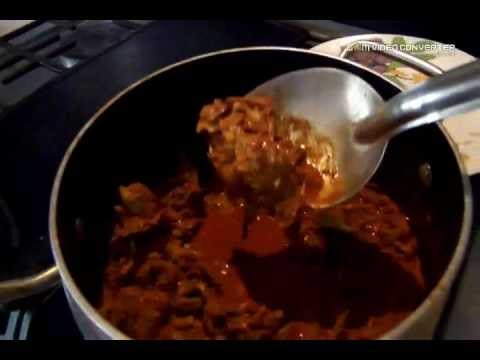
RECETA DE COCHINITA PIBIL FACIL Y RAPIDO
ANGY FLORES