How to Make Raclette Cheese
Recipe Information
Traditional German Raclette
Cultural Context
Raclette originated in Switzerland and is a beloved dish in Germany, especially during winter gatherings. Traditionally, it involves melting cheese and serving it with potatoes and various accompaniments, making it a communal and interactive dining experience. Today, it has gained popularity beyond its origins and is enjoyed in many countries, often adapted with local ingredients and flavors.
raclette cheese
🥗Healthier: low-fat cheese
💰Cheaper: cheddar cheese
Cheddar cheese is more accessible and less expensive.
cured meats
🥗Healthier: turkey slices
💰Cheaper: ham
Ham is a more economical option.
pickles
🥗Healthier: cucumber slices
💰Cheaper: no substitute
Pickles are a traditional accompaniment.
fresh herbs
🥗Healthier: dried herbs
💰Cheaper: no substitute
Dried herbs can be used but fresh is preferred.
Pour 10 liters of whole cow's milk into a pot.
Heat the milk to a target temperature of 31 degrees Celsius (88 degrees Fahrenheit).
Add 1/16 teaspoon of brevibacterium linens to the milk.
Add 1/8 teaspoon of mesophilic starter culture to the milk and let it rehydrate for 5 minutes.
Stir the cultures thoroughly into the milk using a top to bottom motion for about 1 minute.
Cover the pot to prevent dust from entering.
Let the milk ripen for 1 hour and 15 minutes.
Check the temperature of the milk after ripening; it should be around 31 degrees Celsius.
Add 2.5 milliliters of calcium chloride diluted in 60 milliliters of cool non-chlorinated water to the milk.
Add 2.5 milliliters of liquid rennet diluted in 60 milliliters of non-chlorinated water to the milk and stir for no more than 1 minute.
Cover the pot and let it set for 45 minutes at the target temperature.
Check for a clean break in the curd after 45 minutes; if not firm enough, let it sit for another 10 minutes.
Cut the curds into 1 centimeter (1/3 inch) cubes using a curd cutter and knife.
Cover the curds and allow them to heal for 5 minutes.
Gently stir the curds for 20 minutes, cutting any large pieces with a spoon.
If curds are too large, use a sanitized whisk to break them down further.
Let the curds settle for 5 minutes after stirring.
Heat 3 liters of water to 63 degrees Celsius (145 degrees Fahrenheit).
Dip off about 11 cups of whey (approximately 1.75 liters) using a sieve to avoid picking up curds.
Replace the removed whey with warm water to wash the curds, lowering the acidity.
Check the temperature of the curds; it should be around 38 degrees Celsius (100 degrees Fahrenheit).
Cooking Techniques
Equipment Needed
Spice Level:
🌶️🌶️🌶️Allergens
Also Known As
More Traditional German Raclette Videos
(2 videos)

Similar German Videos
(24 videos)
German Desserts - 9 Delicious German Desserts That You Need To Try!
German Recipes by All Tastes German
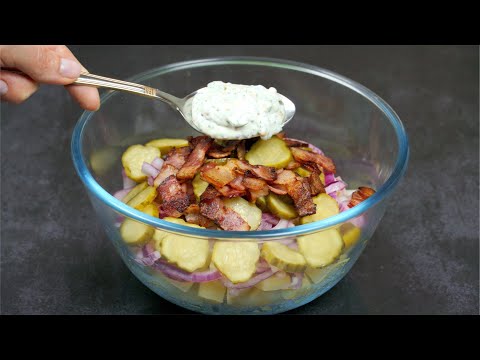
The tastiest German salad! I never get tired of cooking this salad! Simple and tasty!
This is Tasty — Cooking Easy Recipes

How to make German "Zwiebelmettwurst"(onionhamburger sausage) at home
Petra's Cauldron

German Pancake (Dutch Baby)
Baked By An Introvert

Melissa Clarks' German Pancake (aka Dutch Baby)
Rachael Ray Show

How to Make GERMAN PANCAKE | AKA DUTCH BABY
Viva in the Kitchen
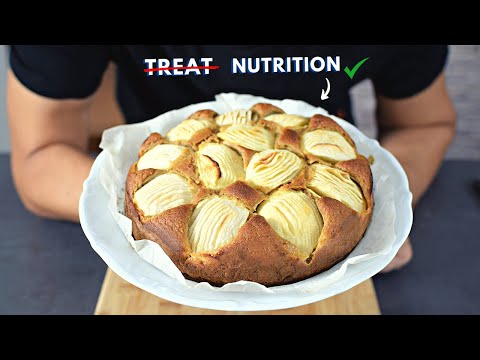
a QUICK and EASY breakfast cake to start your day off right!
How To Cook Smarter

German Bavarian-Style Soft Pretzels (Brezels): Lots of Tips, Symbolism, & Deets on Alkaline Solution
Summer Bakes the World

REAL German Pretzels - Best
Our Gabled Home

German-style soft pretzels — no lye
Adam Ragusea

Bavarian Pretzels | Laugenbrezel & Laugenstangen
Just One Bite, Please?

Making Bavarian Pretzels at Home with David - Original & Stuffed
The Food Nanny - Lizi Heaps

World Famous Bavarian Pretzels - Oktoberfest Special - Food Wishes
Food Wishes

Oktoberfest Pretzels from Scratch 🥨 | Soft, Chewy & Perfect
Cosmopolitan Cornbread

Auntie Anne's Pretzel 🥨 & German Bavarian Recipe
HellthyJunkFood

Authentic German Pretzels: Soft, Chewy, and Perfectly Golden
Debbie's Kitchen Corner

OKTOBERFEST: How to make Soft Pretzel Braids / Rolls & How to use the LYE Method ✪ MyGerman.Recipes
My German Recipes
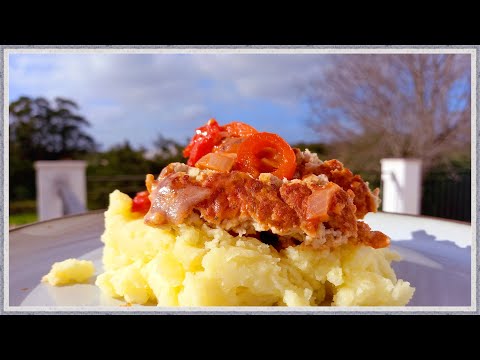
Easy Meatloaf Recipe
1001 Calories

German Marmalade Cake – Easy, Elegant & Not Too Sweet
Lees Cooking

How to Make Potato Croquettes | Classic Belgian Recipe
Absurdly Belgian

German Pear Cake - How to Make Pear Kuchen
bestbitesforever 💜
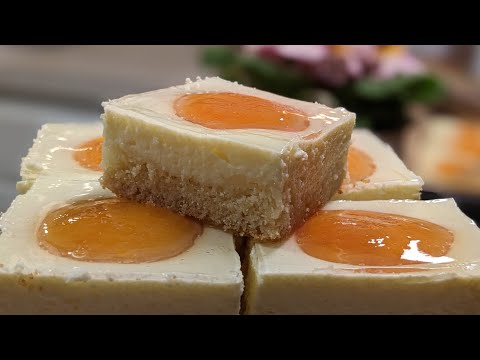
Spiegeleikuchen - Käsekuchen mit Aprikose (German Cheesecake with Apricots)
The Busy Bavarian
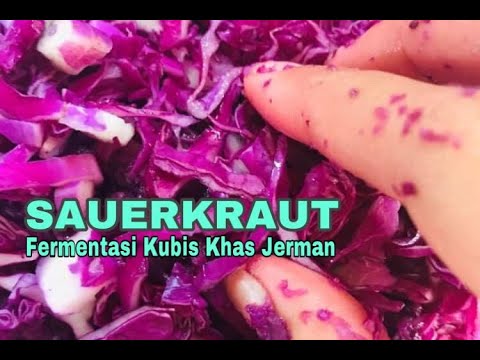
HOW TO MAKE CLASSIC SAUERKRAUT || ASINAN JERMAN ENAK SIMPLE ANTI GAGAL
Racikan Yulia

Copycat Texas Roadhouse Honey Mustard Recipe
Two Pink Peonies
Similar Dishes From Other Cuisines
(24 videos)
10 Easy Egg Recipes You'll Crave Everyday • Tasty
Tasty

Batch Prepped SLOW COOKER RECIPES for an easier week
moon + magnolia

Honey Mustard Chicken Recipe
Jen Cooking

How To Make Scrambled Eggs
Casual Cooking

4 Top Recipes You Loved this Year
Flo Lum

Beef Stroganoff - Russian Cuisine by Muneeb's Menu
Muneeb's Menu

Most Popular Russian Foods | Самые популярные русские продукты
Travel & Taste

Pad Thai | Thai Recipes | Noodles
Lion Brand Rice

Beginner-Friendly Japanese Recipes: Easy Dishes for New Cooks
[Haruma Recipe]Japanese Food Recipes in English

20 Minute Japanese Dinners that Will Change Your Life... or maybe 25
Aaron and Claire

Recipes That Will Transport You To Spain
Tasty Recipes

Dorito Taco Salad -- Throwback Video Series
Southern Country Living

Sausage Hash Brown Breakfast Casserole
Smokin' & Grillin with AB
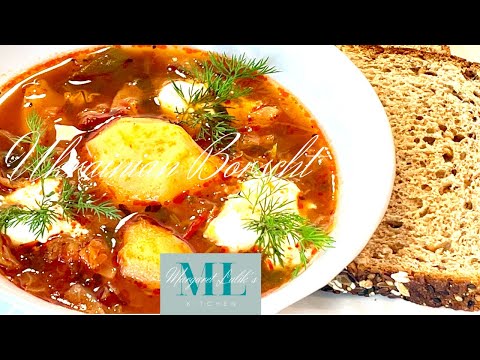
AUTHENTIC UKRAINIAN BORSCHT
MARGARET LALIK'S KITCHEN

Tuna Noodle Casserole - Food Wishes
Food Wishes

Southern Fried Chicken
Smokin' & Grillin with AB

American Learns to Make Filipino Food - Cooking with Ate Viva - Bihon Pancit!
JMarie Art

Broccoli Cheese Soup
Preppy Kitchen

Broccoli Cheese Soup
Preppy Kitchen
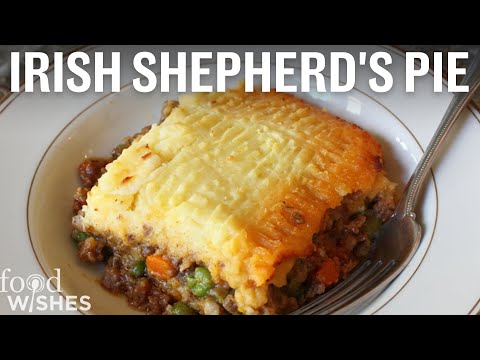
How to Make Irish Shepherd's Pie | Food Wishes
Food Wishes

Chicken Quesadilla
Andy Cooks

Tom Kha Kai - Le Riz Jaune
LE RIZ JAUNE
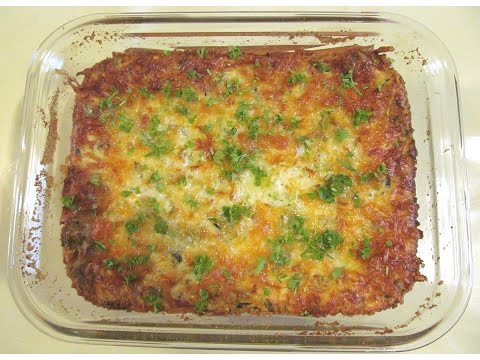
Gratin de courgettes, lardons, fromage/Запеканка из кабачков/Zucchini casserole/Budinca de dovlecei
Sucre et épices
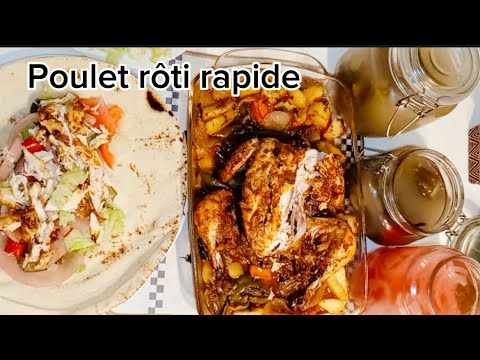
Idée de poulet rôti pour la fête
Mounira recette