7 Easy and Healthy Japanese Side Dishes | Chef JA Cooks
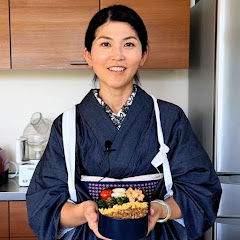
Recipes in this Video
Kinpira Gobo is a traditional Japanese dish that highlights the earthy flavor of burdock root, often served as a side dish in home-cooked meals.
Ingredients
- ●1 medium burdock root (gobo)
- ●1 medium carrot
- ●2 tablespoons sesame oil
- ●2 tablespoons soy sauce
- ●1 tablespoon mirin
- ●1 tablespoon sugar
- ●1 teaspoon sesame seeds
- ●1/2 teaspoon red pepper flakes (optional)
- ●1/4 cup water
Instructions
- 1Peel the burdock root and cut it into thin matchstick-sized pieces. Soak in water to prevent browning.
- 2Peel the carrot and cut it into thin matchstick-sized pieces.
- 3In a large skillet, heat the sesame oil over medium heat.
- 4Add the burdock root and carrot to the skillet and stir-fry for about 5 minutes until they start to soften.
- 5Add the soy sauce, mirin, sugar, and water to the skillet. Stir well to combine.
- 6Bring the mixture to a simmer and cook for another 5-7 minutes, stirring occasionally, until the liquid has mostly evaporated.
- 7If using, add the red pepper flakes for a bit of heat and stir to combine.
- 8Remove from heat and sprinkle with sesame seeds before serving.
- 9Serve warm or at room temperature as a side dish.
Equipment
Wakame salad, or wakame sunomono, hails from Japan, where seaweed has been a staple for centuries due to its nutritional benefits. Traditionally served as a refreshing side dish, it embodies the Japanese philosophy of using fresh, seasonal ingredients. Today, this salad has gained popularity globally, often found in sushi restaurants and health food menus, celebrated for its lightness and umami flavor.
Ingredients
- ●wakame seaweed
- ●cucumber
- ●carrot
- ●rice vinegar
- ●soy sauce
- ●sesame oil
- ●sugar
- ●sesame seeds
- ●green onions
Instructions
- 1Soak wakame seaweed in cold water for 10-15 minutes until rehydrated.
- 2Drain and squeeze excess water from wakame.
- 3Julienne cucumber and carrot into thin strips.
- 4In a bowl, combine rice vinegar, soy sauce, sesame oil, and sugar; whisk until sugar dissolves.
- 5Add rehydrated wakame, cucumber, and carrot to the dressing; toss gently to combine.
- 6Sprinkle sesame seeds and chopped green onions on top before serving.
Ingredient Alternatives
wakame seaweed
Healthier: arame
Cheaper: nori
Arame is lower in calories, while nori is more accessible.
soy sauce
Healthier: tamari
Cheaper: shoyu
Tamari is gluten-free, while shoyu is often less expensive.
Techniques
Equipment
Also Known As
Ingredients
- ●2 medium eggplants
- ●1 cup white vinegar
- ●1 cup water
- ●1/4 cup sugar
- ●1 tablespoon salt
- ●2 cloves garlic, sliced
- ●1 teaspoon black peppercorns
- ●1 teaspoon mustard seeds
- ●1 teaspoon red pepper flakes (optional)
- ●1 bay leaf
Instructions
- 1Wash the eggplants and cut them into 1/2-inch thick slices or cubes.
- 2Sprinkle salt over the eggplant pieces and let them sit for about 30 minutes to draw out moisture.
- 3Rinse the eggplant pieces under cold water and pat them dry with a paper towel.
- 4In a saucepan, combine the vinegar, water, sugar, and salt. Bring to a boil over medium heat, stirring until the sugar dissolves.
- 5Add the garlic, black peppercorns, mustard seeds, red pepper flakes, and bay leaf to the vinegar mixture.
- 6Once boiling, remove the saucepan from heat and let the pickling liquid cool slightly.
- 7Pack the eggplant pieces into sterilized jars, leaving some space at the top.
- 8Pour the pickling liquid over the eggplant, ensuring they are fully submerged. Seal the jars tightly.
- 9Let the jars cool to room temperature, then refrigerate for at least 24 hours before consuming for the best flavor.
Equipment
Sunomono, originating from Japan, is a refreshing vinegared salad often served as a side dish. Traditionally made with seasonal vegetables and seaweed, it highlights the Japanese appreciation for balance and simplicity in flavors. Today, variations abound, with ingredients like shrimp or crab added, making it a popular choice in Japanese cuisine worldwide.
Ingredients
- ●cucumber
- ●carrot
- ●seaweed
- ●rice vinegar
- ●sugar
- ●salt
- ●soy sauce
- ●sesame seeds
Instructions
- 1Slice cucumber and carrot thinly.
- 2Sprinkle salt over the cucumber and carrot, let sit for 10 minutes.
- 3Rinse vegetables under cold water and drain.
- 4In a bowl, combine rice vinegar, sugar, and soy sauce, stirring until dissolved.
- 5Add the drained vegetables and seaweed to the vinegar mixture.
- 6Toss gently to coat the vegetables evenly.
- 7Let the mixture marinate for at least 15 minutes before serving.
- 8Sprinkle sesame seeds on top before serving.
Ingredient Alternatives
rice vinegar
Healthier: apple cider vinegar
Cheaper: white vinegar
Apple cider vinegar adds a fruity note while reducing acidity.
seaweed
Healthier: cabbage
Cheaper: spinach
Cabbage provides crunch and is more accessible.
sugar
Healthier: honey
Cheaper: agave syrup
Honey offers natural sweetness with a unique flavor.
soy sauce
Healthier: tamari
Cheaper: salt
Tamari is gluten-free and adds umami without soy.
Techniques
Equipment
Also Known As
Goma-ae is a classic Japanese side dish, often served in homes and restaurants. It showcases the rich flavor of sesame, highlighting the simplicity and elegance of Japanese cuisine. Traditionally made with spinach, goma-ae can also feature other vegetables like green beans or broccoli, making it a versatile dish enjoyed across Japan. Today, goma-ae has found its way into global cuisine, celebrated for its nutty flavor and healthy ingredients.
Ingredients
- ●spinach
- ●sesame seeds
- ●soy sauce
- ●sugar
- ●mirin
- ●salt
- ●dashi
- ●sesame oil
Instructions
- 1Blanch spinach in boiling water until wilted, about 1-2 minutes.
- 2Drain spinach and rinse under cold water to stop cooking.
- 3Squeeze excess moisture from spinach and chop coarsely.
- 4Toast sesame seeds in a dry skillet over medium heat until fragrant, about 3-4 minutes.
- 5In a bowl, combine toasted sesame seeds, soy sauce, sugar, mirin, and dashi.
- 6Mix well to create a dressing.
- 7Add chopped spinach to the dressing and toss to coat evenly.
- 8Drizzle with sesame oil and mix gently.
- 9Serve immediately or chill for a refreshing side dish.
Ingredient Alternatives
soy sauce
Healthier: low-sodium soy sauce
Cheaper: tamari
Low-sodium soy sauce reduces sodium intake.
mirin
Healthier: rice vinegar + sugar
Cheaper: white sugar + water
Rice vinegar + sugar mimics mirin's sweetness and acidity.
dashi
Healthier: vegetable broth
Cheaper: water + soy sauce
Vegetable broth offers a lighter flavor.
sesame oil
Healthier: olive oil
Cheaper: canola oil
Olive oil provides a healthier fat option.
Techniques
Equipment
Also Known As
Daikon salad, a staple in Japanese cuisine, showcases the versatility of daikon radish, often served as a refreshing side dish. Traditionally enjoyed in summer, it balances flavors and textures, making it a favorite at picnics and family meals. Today, variations exist globally, adapting to local tastes while retaining its crisp, light essence.
Ingredients
- ●daikon radish
- ●carrot
- ●cucumber
- ●green onions
- ●sesame seeds
- ●rice vinegar
- ●soy sauce
- ●sugar
- ●sesame oil
- ●salt
Instructions
- 1Peel and julienne the daikon radish.
- 2Peel and julienne the carrot.
- 3Slice the cucumber into thin rounds.
- 4Chop the green onions finely.
- 5In a large bowl, combine the daikon, carrot, cucumber, and green onions.
- 6In a separate bowl, whisk together rice vinegar, soy sauce, sugar, sesame oil, and salt until sugar dissolves.
- 7Pour the dressing over the salad mixture.
- 8Toss gently to combine all ingredients evenly.
- 9Sprinkle sesame seeds on top before serving.
- 10Let the salad sit for 10-15 minutes to allow flavors to meld.
Ingredient Alternatives
daikon radish
Healthier: jicama
Cheaper: regular radish
Jicama provides a similar crunch with fewer calories.
sesame oil
Healthier: olive oil
Cheaper: canola oil
Canola oil is more affordable and has a neutral flavor.
Techniques
Equipment
Also Known As
Ingredients
- ●1 medium kabocha squash
- ●2 cups mixed greens
- ●1/2 cup cherry tomatoes, halved
- ●1/4 cup red onion, thinly sliced
- ●1/4 cup feta cheese, crumbled
- ●1/4 cup walnuts, chopped
- ●3 tbsp olive oil
- ●2 tbsp balsamic vinegar
- ●1 tsp honey
- ●Salt and pepper to taste
Instructions
- 1Preheat the oven to 400°F (200°C).
- 2Cut the kabocha squash in half and remove the seeds. Cut into wedges or cubes.
- 3Place the kabocha squash on a baking sheet, drizzle with 1 tablespoon of olive oil, and season with salt and pepper.
- 4Roast the squash in the preheated oven for about 25-30 minutes, or until tender and slightly caramelized.
- 5While the squash is roasting, prepare the salad base by combining mixed greens, cherry tomatoes, red onion, feta cheese, and walnuts in a large bowl.
- 6In a small bowl, whisk together the remaining olive oil, balsamic vinegar, honey, salt, and pepper to create the dressing.
- 7Once the kabocha squash is done roasting, let it cool slightly before adding it to the salad bowl.
- 8Drizzle the dressing over the salad and toss gently to combine all ingredients.
- 9Serve immediately as a refreshing side dish or light main course.
Equipment
More Carrot Kinpira Videos
(3 videos)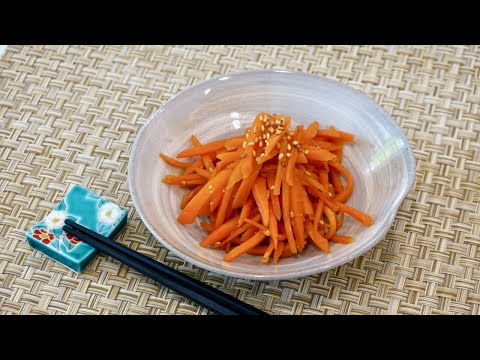


Similar Japanese Videos
(24 videos)
Beginner-Friendly Japanese Recipes: Easy Dishes for New Cooks
[Haruma Recipe]Japanese Food Recipes in English

20 Minute Japanese Dinners that Will Change Your Life... or maybe 25
Aaron and Claire

RECETTE des PANCAKES JAPONAIS ULTRA FLUFFY !
Il était une fois la pâtisserie

양배추 오코노미야끼 만들기 레시피입니다. #양배추요리 #오코노미야끼 #오꼬노미야끼 #오꼬노미야끼재료 #요리레시피 #레시피 #양배추
뿌뿌키친BBubbu Kitchen
오므라이스 만들기 뚝딱 쉽게 만드는 한그릇 요리
하우매니 심플레시피
백종원 레시피 강식당 오므라이스 만드는 법 Omurice (Omelette Rice) from the South Korean reality show Kang's Kitchen
진깡 jinkkang
![[Sub] 정말 '크리미'해요. 집에서 간단하게 색다른 오므라이스!!](https://img.youtube.com/vi/AlK2Gl6kHZI/hqdefault.jpg)
[Sub] 정말 '크리미'해요. 집에서 간단하게 색다른 오므라이스!!
백종원 PAIK JONG WON

오므라이스는 이렇게 만드세요! 부드럽고 든든한 한끼가 되는 계란요리
옹알옹알쿡 Egg Recipes

오므라이스 오무라이스 만들기 점심저녁메뉴 추천#오므라이스 #오므라이스소스 #오므라이스만들기 #오므라이스레시피 #점심저녁메뉴
쉬운 집밥요리 햇살머금은집

일본 오므라이스 찐 레시피 - 오므라이스
바깥키친

가족을 기쁘게 하는 일본식 오므라이스, 말지않아 쉬워요. オムライス
일식(食)예보

강식당 오므라이스 만들기/안재현 오므라이스 소스 만드는법까지 자세히 소개합니다/kang's kitchen omurice/은야쟁이의오렌지블랙박스
은야쟁이

오므라이스 맛있게 만들기 l 맛집 사장님도 놀랄 오므라이스 특제소스 비법공개!! l Yomi Cook's 'Omu Rice' recipe
요미쿡 Yummy Cook
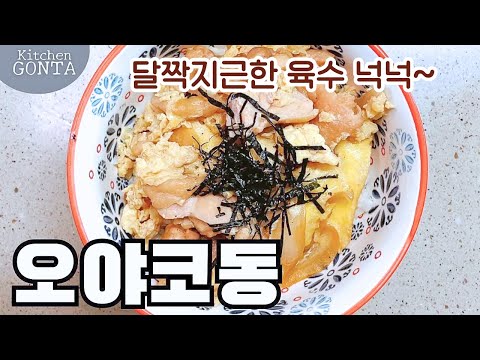
쯔유 듬뿍 오야코동 레시피/치킨 오야코동 만드는 법/닭갈비 계간 덮밥 만들기/오야꼬동/간단 일본 가정 덮밥 요리/親子丼/親子丼の作り方/親子丼 レシピ
kitchen-GONTA
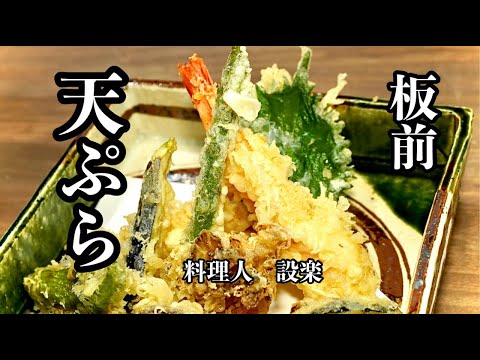
【プロ直伝】 板前が教える!お店と同じ【天ぷら】の作り方 誰でもサクサクの天ぷらを揚げる方法 これで天ぷらは得意料理になる!
料理人設楽の料理道場
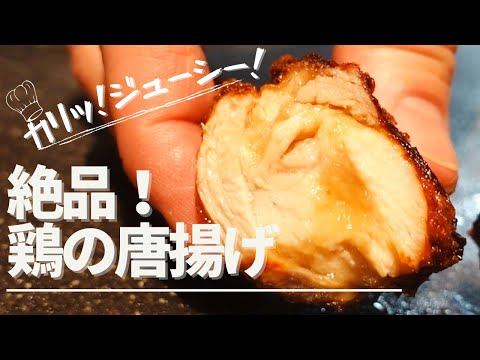
【カリッ!ジューシー!鶏の唐揚げ】ポイントは2度揚げ【簡単なのに絶品料理】
DOI 料理人
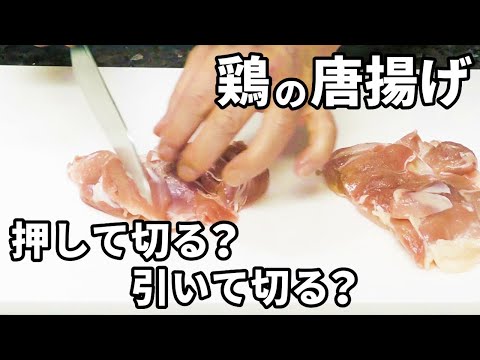
鶏の唐揚げの味までもが変わる、肉の切り分け方&ポイントを解説!
のんの大阪料理教室

世界一美味しい唐揚げの作り方【日本唐揚協会 特製レシピ】
おっくんの宅飲みグルメ

うんまかレシピ「新玉ねぎで作る豚丼」
MBC南日本放送

【石狩鍋の作り方・レシピ】鮭のアラでうまみたっぷり💛【郷土料理・北海道】 Japanese Hot Pot, Ishikari Nabe, Hokkaido【日本語+Eng 】
COOKBOOK Japan

洋食料理人が作る!絶対に曲がらないトンカツの作り方 How to cook Tonkatsu 筋切りなど下処理も解説
店長の料理教室
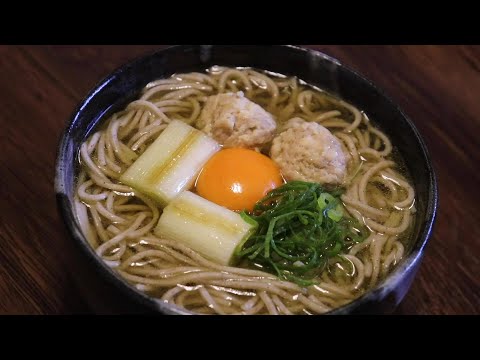
年越しの夜はコレを喰え!最高の蕎麦つゆ!!【年越し蕎麦】
オレオの台所
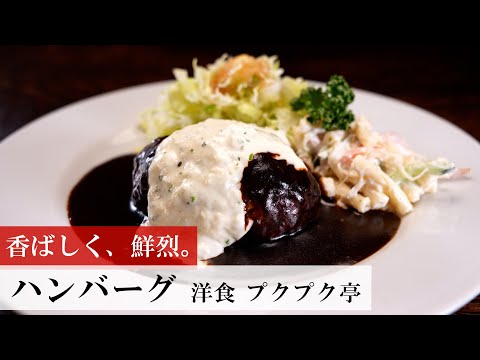
【名店レシピ】ハンバーグ by 洋食 プクプク亭 植野食堂のお品書き #438
BS Fuji Official Channel

ご家庭で簡単にできる 美味しい鍋焼きうどんの作り方【プロの簡単レシピ】
板長チャンネル - Japan's Head chef
Similar Recipes From Other Cuisines
(24 videos)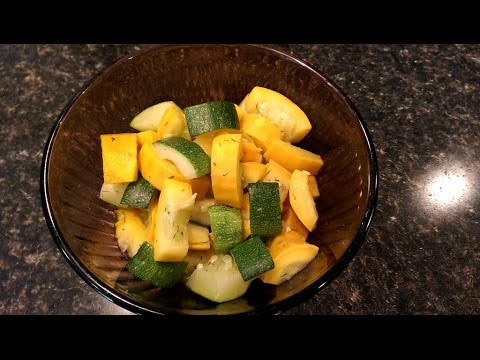
Steamed Zucchini - Bravo Charlie's Episode 23
Charlie Moore
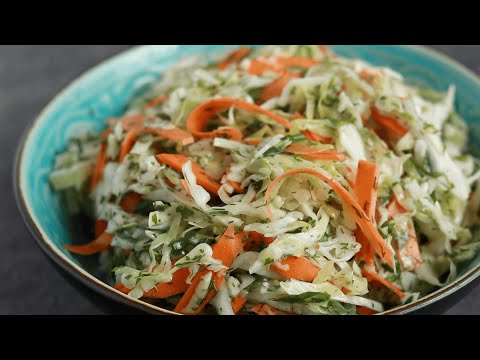
Cabbage Salad (I weighed my ingredients and…)
Helen Rennie

How to make MACARONI SALAD by Kelly Henry #macaronisalad #pastarecipes #veggierecipes
Kelly's Kuisine

Top Traditional Salvadoran Food | Salvadoran Cuisine
Travel & Taste
Apple Cranberry Pecan Salad
Arabesque Media

Potato Salad
J. Kenji López-Alt

L'aligot, avec les secrets du Chef Philippe Etchebest
Quitoque

Recette de l'Aveyron : Aligot
TourismeAveyron
L'Aligot très facile à faire et savoureux #aligot
Oum Arwa

L’aligot par Guy Demarle
Guy Demarle

Aligot: Le Plat Réconfortant Parfait 🧀🥔 | Recette Facile
Julien Cadeau

Recette du véritable gratin dauphinois
Gratin Dauphinois

DÉGUSTATION D'UN GRATIN DAUPHINOIS XXL POUR 10 PERSONNES!! (+ Recette Super Facile)
Le Goinfre

GRATIN DAUPHINOIS | MARMITON
Marmiton
![Gratin Dauphinois [Recette au Micro-Ondes] ♡ Virginie fait sa cuisine [76]](https://img.youtube.com/vi/YcsFxDGujgg/hqdefault.jpg)
Gratin Dauphinois [Recette au Micro-Ondes] ♡ Virginie fait sa cuisine [76]
VIRGINIE FAIT SA CUISINE

Comment réaliser un gratin dauphinois ? #pommedeterre #cooking #cuisinefrançaise #cuisine
Chef Jo
Un vrai gratin dauphinois🥔🥔🥔
Gasyaflo “Gasyaflo”

GRATIN DAUPHINOIS (SANS FROMAGE BIEN SÛR ) !!!
Dziri Fi Tokyo

Recette Gratin Dauphinois
Ad Vitam Eternam

Recette : Le gratin Dauphinois de Michel Rostang | Archive INA
Ina Les Recettes Vintage
Cuisine Française - Gratin Dauphinois
Food Story
Gratin dauphinois simplissime - CuisineAZ
CuisineAZ.com

🇫🇷 Le GRATIN DAUPHINOIS 🍲 tuto pas à pas en mode rapproché 🍽
Poudre de Perlimpinpin

GRATIN DAUPHINOIS - La meilleure façon de le réussir - Simple et Rapide
Cuisinez Rapide