Ad-free, Easy Fermented Sauerkraut Recipe | Crunchy, tasty, healthy gut!

Recipe Information
Naturally Fermented Sauerkraut
Cultural Context
Originating from Germany, sauerkraut is a traditional fermented dish made from finely shredded cabbage. It was historically a staple for preserving vegetables through the winter months, providing essential nutrients during times of scarcity. Today, sauerkraut is enjoyed globally, often served alongside meats or as a topping for sandwiches, and is celebrated for its probiotic benefits and tangy flavor.
Quantities are estimated based on standard recipes for your convenience. The actual ingredients used in this video are accurate.
cabbage
🥗Healthier: napa cabbage
💰Cheaper: green cabbage
Napa cabbage offers a different flavor and texture, while green cabbage is often less expensive.
salt
🥗Healthier: sea salt
💰Cheaper: table salt
Sea salt provides a different mineral profile, while table salt is usually more affordable.
caraway seeds
💰Cheaper: fennel seeds
Fennel seeds can provide a similar flavor profile at a lower cost.
juniper berries
💰Cheaper: dried thyme
Dried thyme can add a different herbal note at a lower price.
Remove the rusty outer leaves of the cabbage.
Peel off the layer of leaves under the outer leaves and save them for later.
Weigh the empty bowl (800 g).
Chop the cabbage into equal pieces of about 1 inch.
Weigh the bowl with the chopped cabbage and subtract the weight of the bowl to find the weight of the cabbage.
Multiply the weight of the cabbage by 0.02 to find the amount of salt needed (rounding to 37 grams).
Measure out 34 grams of salt using tablespoons (2 tablespoons for 34 grams) and eyeball the remaining 3 grams.
Use clean hands to mix the salt with the cabbage, thoroughly coating all pieces.
Squeeze the cabbage to help the salt draw out water, letting it sit for 20 minutes.
After 20 minutes, pound the cabbage to release more water until it is very watery.
Use a funnel to fill a jar with the cabbage, packing it tightly to push out air and create brine.
Continue adding and packing down more cabbage until the jar is filled with cabbage and brine.
Top the packed cabbage with the saved leaves or a glass pebble to keep it submerged.
Seal the jar with a lid or use a nipple lid to allow gas to escape; if using a regular lid, open it daily to release gas.
Let the jars sit at room temperature for at least 5 days, opening the lids once a day.
After about a week or two, the sauerkraut will be golden brown and ready to taste.
Cooking Techniques
Equipment Needed
Spice Level:
🌶️🌶️🌶️Dietary
Also Known As
More Naturally Fermented Sauerkraut Videos
(2 videos)

Similar German Videos
(24 videos)
German Desserts - 9 Delicious German Desserts That You Need To Try!
German Recipes by All Tastes German

Recette de Flammekueche ou Tarte flambée - 750g
750g
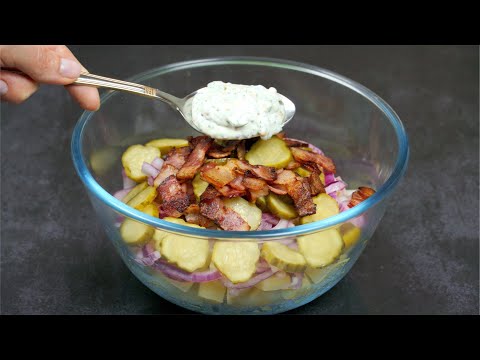
The tastiest German salad! I never get tired of cooking this salad! Simple and tasty!
This is Tasty — Cooking Easy Recipes
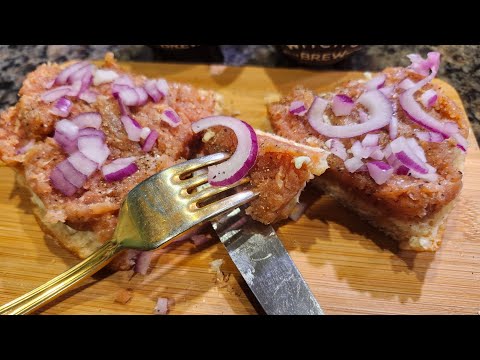
How to make German "Zwiebelmettwurst"(onionhamburger sausage) at home
Petra's Cauldron

German Pancake (Dutch Baby)
Baked By An Introvert

How to Make GERMAN PANCAKE | AKA DUTCH BABY
Viva in the Kitchen

Melissa Clarks' German Pancake (aka Dutch Baby)
Rachael Ray Show
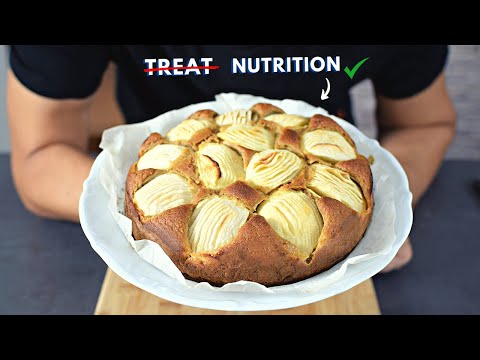
a QUICK and EASY breakfast cake to start your day off right!
How To Cook Smarter

German Bavarian-Style Soft Pretzels (Brezels): Lots of Tips, Symbolism, & Deets on Alkaline Solution
Summer Bakes the World

REAL German Pretzels - Best
Our Gabled Home

German-style soft pretzels — no lye
Adam Ragusea

Authentic German Pretzels: Soft, Chewy, and Perfectly Golden
Debbie's Kitchen Corner

Oktoberfest Pretzels from Scratch 🥨 | Soft, Chewy & Perfect
Cosmopolitan Cornbread

Bavarian Pretzels | Laugenbrezel & Laugenstangen
Just One Bite, Please?

Making Bavarian Pretzels at Home with David - Original & Stuffed
The Food Nanny - Lizi Heaps

World Famous Bavarian Pretzels - Oktoberfest Special - Food Wishes
Food Wishes

Auntie Anne's Pretzel 🥨 & German Bavarian Recipe
HellthyJunkFood

OKTOBERFEST: How to make Soft Pretzel Braids / Rolls & How to use the LYE Method ✪ MyGerman.Recipes
My German Recipes
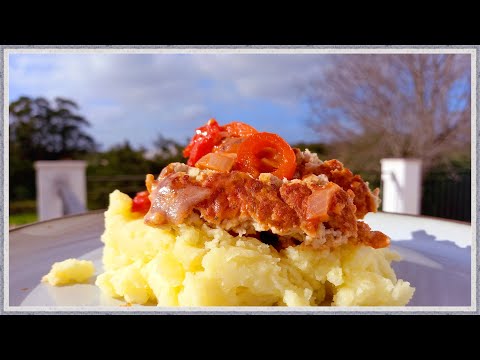
Easy Meatloaf Recipe
1001 Calories

German Marmalade Cake – Easy, Elegant & Not Too Sweet
Lees Cooking

How to Make Potato Croquettes | Classic Belgian Recipe
Absurdly Belgian

German Pear Cake - How to Make Pear Kuchen
bestbitesforever 💜
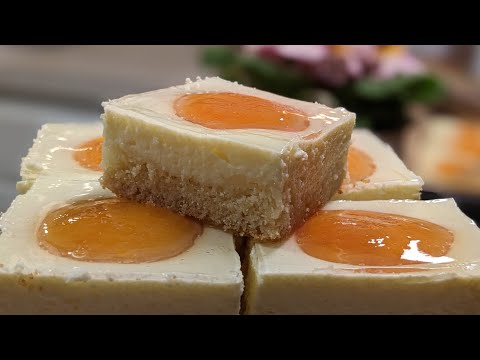
Spiegeleikuchen - Käsekuchen mit Aprikose (German Cheesecake with Apricots)
The Busy Bavarian
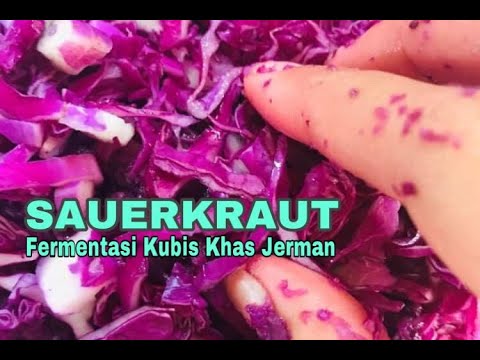
HOW TO MAKE CLASSIC SAUERKRAUT || ASINAN JERMAN ENAK SIMPLE ANTI GAGAL
Racikan Yulia
Similar Recipes From Other Cuisines
(24 videos)
Steamed Zucchini - Bravo Charlie's Episode 23
Charlie Moore
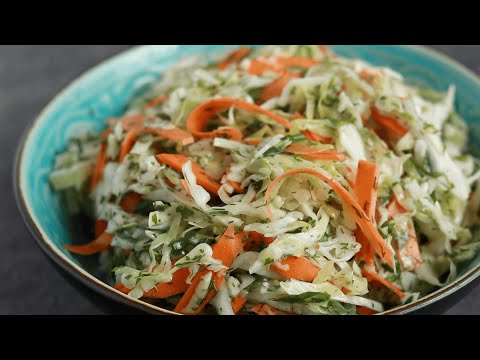
Cabbage Salad (I weighed my ingredients and…)
Helen Rennie

How to make MACARONI SALAD by Kelly Henry #macaronisalad #pastarecipes #veggierecipes
Kelly's Kuisine

Top Traditional Salvadoran Food | Salvadoran Cuisine
Travel & Taste
Apple Cranberry Pecan Salad
Arabesque Media

Potato Salad
J. Kenji López-Alt
MON GRATIN DE COURGETTES, un excellent plat d'été Mère Mitraille - Gourmandises TV
Gourmandises TV - PARIS 🇫🇷 - Cuisine

🌟 GRATIN de courgettes - BÉCHAMEL facile et rapide SANS GLUTEN (variante sans lactose)🌟
Ludylice
L’aligot par Guy Demarle
Guy Demarle
L'Aligot très facile à faire et savoureux #aligot
Oum Arwa

Aligot: Le Plat Réconfortant Parfait 🧀🥔 | Recette Facile
Julien Cadeau
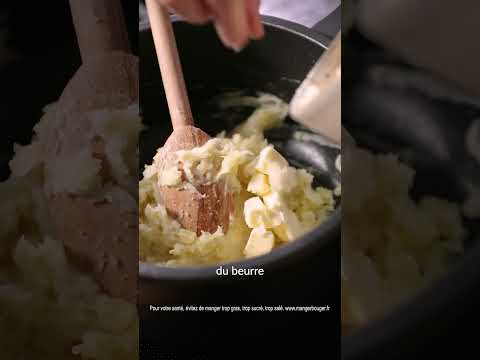
L'aligot, avec les secrets du Chef Philippe Etchebest
Quitoque
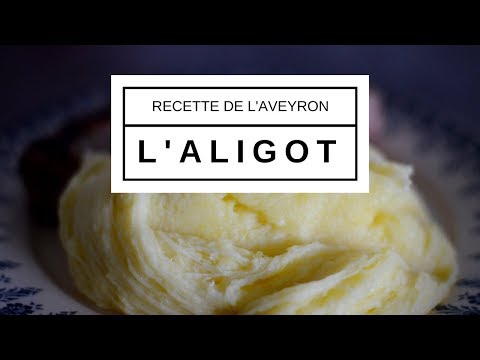
Recette de l'Aveyron : Aligot
TourismeAveyron

DÉGUSTATION D'UN GRATIN DAUPHINOIS XXL POUR 10 PERSONNES!! (+ Recette Super Facile)
Le Goinfre
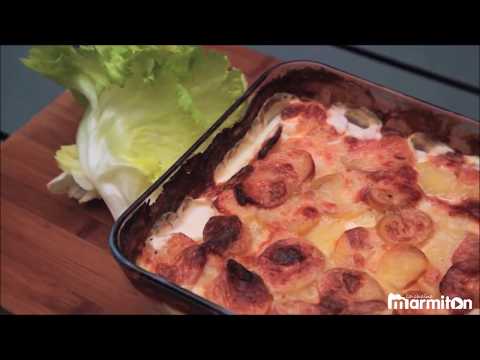
Le gratin dauphinois de Recette Roulette
La classe de Fabienne
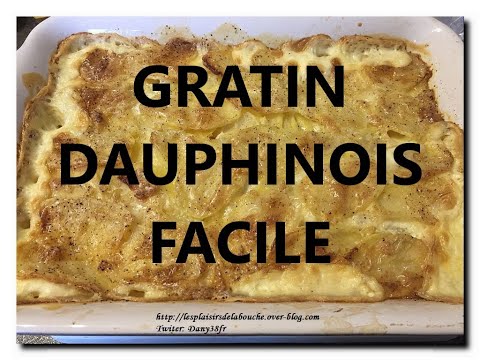
Gratin dauphinois (La recette facile)
lesplaisirsdelabouche. com
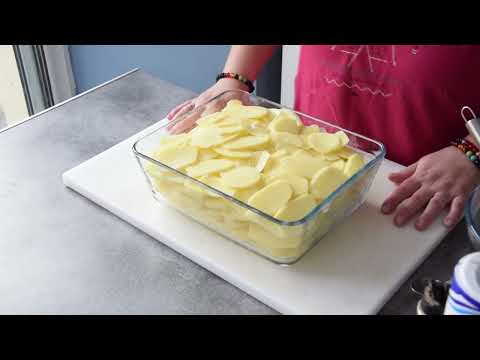
Un vrai gratin dauphinois🥔🥔🥔
Gasyaflo “Gasyaflo”

Recette du véritable gratin dauphinois
Gratin Dauphinois

GRATIN DAUPHINOIS (SANS FROMAGE BIEN SÛR ) !!!
Dziri Fi Tokyo

GRATIN DAUPHINOIS - La meilleure façon de le réussir - Simple et Rapide
Cuisinez Rapide

Comment réaliser un gratin dauphinois ? #pommedeterre #cooking #cuisinefrançaise #cuisine
Chef Jo
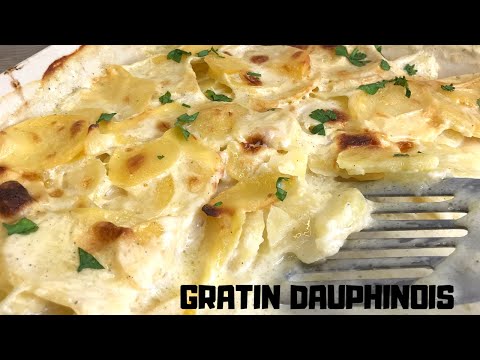
GRATIN DAUPHINOIS TENDRE ET RAPIDE
IKR Cook
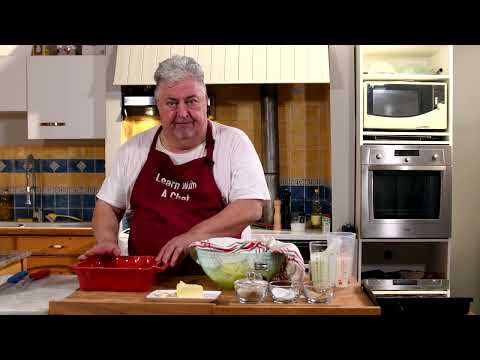
Le gratin dauphinois classique
Learn With A Champion
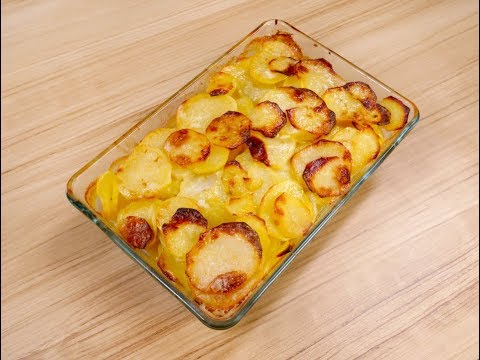
GRATIN DAUPHINOIS | MARMITON
Marmiton