Making Sauerkraut at Elwood with Chef Adam Diltz

Recipe Information
Sauerkraut
Cultural Context
Sauerkraut has its roots in Germany, where it has been a staple since the 16th century, originally used as a way to preserve cabbage through fermentation. This tangy dish is not only a beloved side for sausages and meats but also a symbol of German culinary tradition. Today, sauerkraut is enjoyed worldwide, often featured in various cuisines, from Polish bigos to American hot dogs, showcasing its versatility and enduring appeal.
Quantities are estimated based on standard recipes for your convenience. The actual ingredients used in this video are accurate.
cabbage
🥗Healthier: savoy cabbage
💰Cheaper: green cabbage
Savoy cabbage is more tender and flavorful, while green cabbage is often less expensive.
salt
🥗Healthier: sea salt
💰Cheaper: table salt
Sea salt can enhance flavor with less sodium.
caraway seeds
🥗Healthier: fennel seeds
💰Cheaper: anise seeds
Fennel seeds provide a similar flavor profile.
juniper berries
🥗Healthier: thyme
💰Cheaper: dried rosemary
Thyme adds an earthy flavor without the need for berries.
Peel away the outside layers of the cabbage to remove any insects or slugs.
Shred the cabbage by hand or using a mandolin, making it as thin or thick as desired.
Remove any discolored leaves from the cabbage.
Save the cabbage hearts and pickle them for later use.
Salt the shredded cabbage, using about 1% of the weight of the cabbage in salt.
Stomp the salted cabbage in a bucket to bruise it and release its juices, ensuring not to pulverize it.
Layer the cabbage in the bucket and sprinkle salt as needed while stomping.
Once the cabbage is salted and stomped, weight it down with a clean plate and a bag of water to keep it submerged.
Store the bucket in a cool place (50-60 degrees Fahrenheit) and check after 2 days to ensure the cabbage is submerged in its brine.
Wait for 2-3 weeks for fermentation, checking periodically to ensure the cabbage remains submerged.
After about a week and a half, check for bubbles and a cloudy appearance, which indicates fermentation is working.
If the cabbage is submerged and smells good, you can either keep it in the cool place or pack it into canning jars for storage.
If storing in jars, follow canning jar manufacturer's instructions, or simply refrigerate for small batches.
Cooking Techniques
Equipment Needed
Spice Level:
🌶️🌶️🌶️Dietary
Also Known As
More Sauerkraut Videos
(21 videos)
HOW TO MAKE CLASSIC SAUERKRAUT || ASINAN JERMAN ENAK SIMPLE ANTI GAGAL
Racikan Yulia

How to Make and Ferment Sauerkraut at Home
NorthernBrewerTV
The Complete Beginner's Guide to Fermenting Foods at Home
LifebyMikeG

FOODNETWORK WINNING SAUERKRAUT RECIPE
HOMESTEADING WITH VLADA
Make Your Own Sauerkraut + Cabbage & Potatoes Recipe
Tim Farmer's Country Kitchen

How To Make Your Own Lacto-Fermented Sauerkraut
Homesteading Family
How to make Sauerkraut ( Authentic Swiss Farmhouse Recipe)
Vital Fair Living
Making Easy Sauerkraut in the jar on the shelf #togetherwepreserve
Britton Farms Homestead
Lacto Fermented Sauerkraut Recipe | Nourishing Probiotic Rich Vegetable Side for Every Meal
Rowes Rising
Making sauerkraut at home is easy!
Polish Your Kitchen
How To Make A Simple Sauerkraut
Nourished by Nature

How to Make Lacto-Fermented Sauerkraut | Easy Probiotic Recipe for Gut Health
Hamilton Homestead
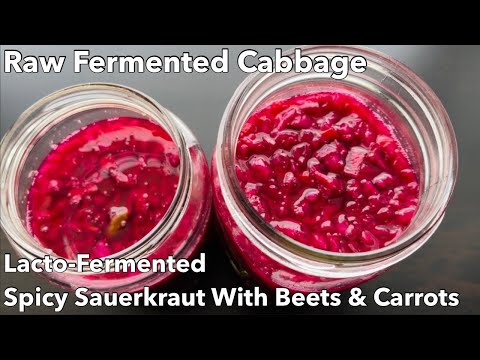
Probiotic Rich Sauerkraut Recipe With Beets & Carrots Easy Way | How To Make Fermented Spicy Cabbage
Priyanka's Sweet Home

Fermented Foods ||| Probiotics Explained (sauerkraut recipe)
Meals with Micah

Why Is This The Best Sauerkraut Recipe For Gut Health?
The Raw Food Kitchen
How to make sauerkraut
Abundantly Blessed Homestead
How I Make Sauerkraut (fermented cabbage) Ep. 68
Kevin Lee Jacobs

Make homemade gut healthy sauerkraut!
Emily Walker

Crunchy Sauerkraut Recipe
Fermenti Kitchen
Sauerkraut recipes
Simple Meal Prep.

How to Make Homemade Sauerkraut | Get Cookin' | Allrecipes
Allrecipes
Similar German Videos
(24 videos)
German Desserts - 9 Delicious German Desserts That You Need To Try!
German Recipes by All Tastes German
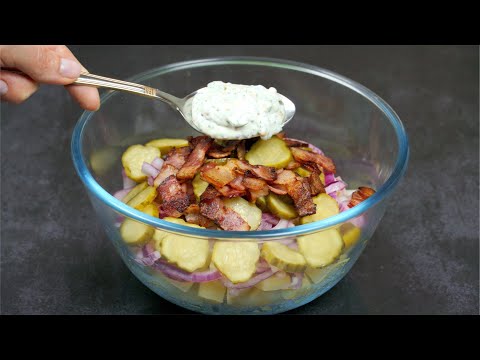
The tastiest German salad! I never get tired of cooking this salad! Simple and tasty!
This is Tasty — Cooking Easy Recipes

How to make German "Zwiebelmettwurst"(onionhamburger sausage) at home
Petra's Cauldron

German Pancake (Dutch Baby)
Baked By An Introvert

Melissa Clarks' German Pancake (aka Dutch Baby)
Rachael Ray Show

How to Make GERMAN PANCAKE | AKA DUTCH BABY
Viva in the Kitchen

a QUICK and EASY breakfast cake to start your day off right!
How To Cook Smarter

German Bavarian-Style Soft Pretzels (Brezels): Lots of Tips, Symbolism, & Deets on Alkaline Solution
Summer Bakes the World

German-style soft pretzels — no lye
Adam Ragusea

Auntie Anne's Pretzel 🥨 & German Bavarian Recipe
HellthyJunkFood

REAL German Pretzels - Best
Our Gabled Home

Authentic German Pretzels: Soft, Chewy, and Perfectly Golden
Debbie's Kitchen Corner

Oktoberfest Pretzels from Scratch 🥨 | Soft, Chewy & Perfect
Cosmopolitan Cornbread

Making Bavarian Pretzels at Home with David - Original & Stuffed
The Food Nanny - Lizi Heaps

Bavarian Pretzels | Laugenbrezel & Laugenstangen
Just One Bite, Please?

World Famous Bavarian Pretzels - Oktoberfest Special - Food Wishes
Food Wishes

OKTOBERFEST: How to make Soft Pretzel Braids / Rolls & How to use the LYE Method ✪ MyGerman.Recipes
My German Recipes

Easy Meatloaf Recipe
1001 Calories

German Marmalade Cake – Easy, Elegant & Not Too Sweet
Lees Cooking

How to Make Potato Croquettes | Classic Belgian Recipe
Absurdly Belgian

German Pear Cake - How to Make Pear Kuchen
bestbitesforever 💜
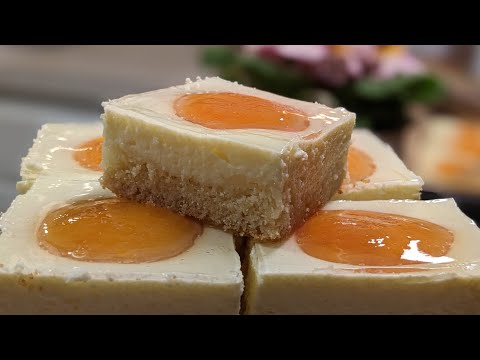
Spiegeleikuchen - Käsekuchen mit Aprikose (German Cheesecake with Apricots)
The Busy Bavarian

Copycat Texas Roadhouse Honey Mustard Recipe
Two Pink Peonies

How To Make German Spaetzle / Spatzle
Food Delectable
Similar Recipes From Other Cuisines
(24 videos)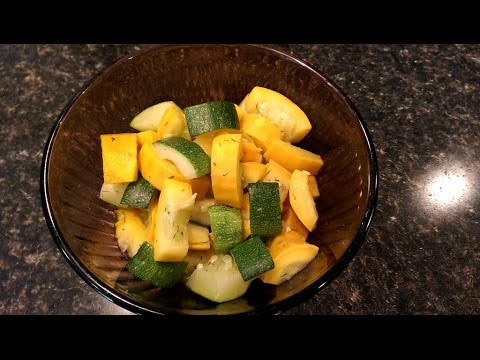
Steamed Zucchini - Bravo Charlie's Episode 23
Charlie Moore
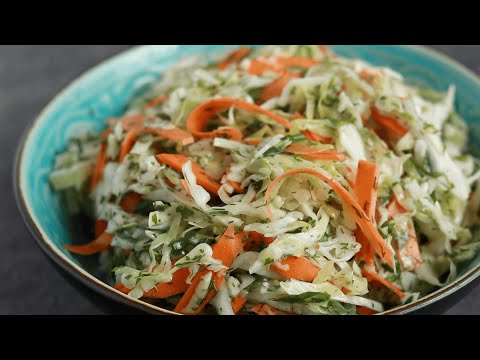
Cabbage Salad (I weighed my ingredients and…)
Helen Rennie

How to make MACARONI SALAD by Kelly Henry #macaronisalad #pastarecipes #veggierecipes
Kelly's Kuisine

Top Traditional Salvadoran Food | Salvadoran Cuisine
Travel & Taste
Apple Cranberry Pecan Salad
Arabesque Media

Potato Salad
J. Kenji López-Alt

Recette de l'Aveyron : Aligot
TourismeAveyron
L’aligot par Guy Demarle
Guy Demarle
L'aligot, avec les secrets du Chef Philippe Etchebest
Quitoque
L'Aligot très facile à faire et savoureux #aligot
Oum Arwa

Aligot: Le Plat Réconfortant Parfait 🧀🥔 | Recette Facile
Julien Cadeau
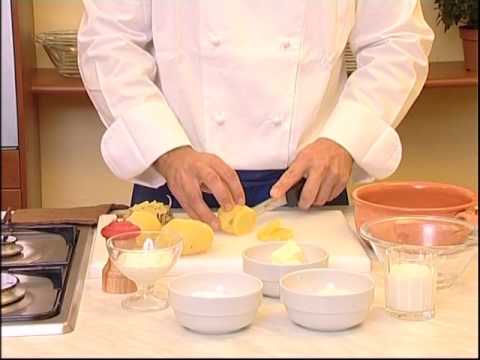
Cuisine Française - Gratin Dauphinois
Food Story

Recette Gratin Dauphinois
Ad Vitam Eternam

Recette : Le gratin Dauphinois de Michel Rostang | Archive INA
Ina Les Recettes Vintage
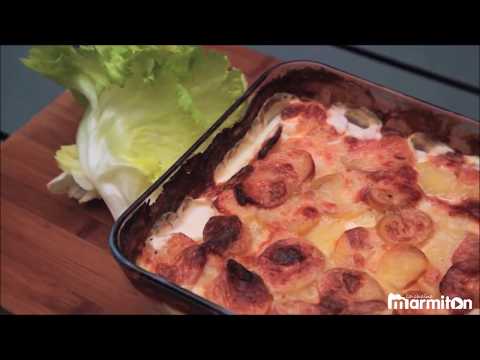
Le gratin dauphinois de Recette Roulette
La classe de Fabienne
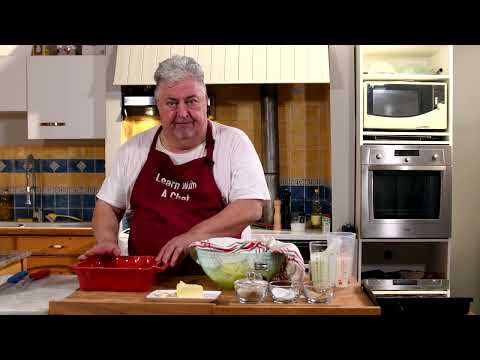
Le gratin dauphinois classique
Learn With A Champion

DÉGUSTATION D'UN GRATIN DAUPHINOIS XXL POUR 10 PERSONNES!! (+ Recette Super Facile)
Le Goinfre
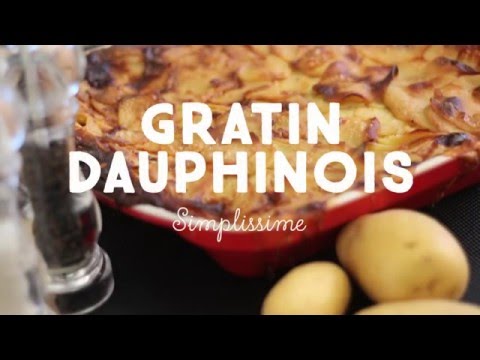
Gratin dauphinois simplissime - CuisineAZ
CuisineAZ.com

GRATIN DAUPHINOIS | MARMITON
Marmiton

GRATIN DAUPHINOIS (SANS FROMAGE BIEN SÛR ) !!!
Dziri Fi Tokyo
![Gratin Dauphinois [Recette au Micro-Ondes] ♡ Virginie fait sa cuisine [76]](https://img.youtube.com/vi/YcsFxDGujgg/hqdefault.jpg)
Gratin Dauphinois [Recette au Micro-Ondes] ♡ Virginie fait sa cuisine [76]
VIRGINIE FAIT SA CUISINE

GRATIN DAUPHINOIS - La meilleure façon de le réussir - Simple et Rapide
Cuisinez Rapide

GRATIN DAUPHINOIS TENDRE ET RAPIDE
IKR Cook

Recette du véritable gratin dauphinois
Gratin Dauphinois