🧀 Caciocavallo: Italy’s Most Traditional Cheese in Molise

Recipe Information
Caciocavallo Cheese
Cultural Context
Caciocavallo cheese hails from Southern Italy, particularly the regions of Campania and Calabria. Traditionally made by shepherds, this cheese reflects the pastoral lifestyle and is often enjoyed with rustic bread or as part of a cheese platter. Its name, meaning 'horse's saddle', refers to the way it is shaped and hung to age. Today, Caciocavallo is celebrated in Italian cuisine and has found its way into various culinary traditions worldwide.
Quantities are estimated based on standard recipes for your convenience. The actual ingredients used in this video are accurate.
Introduce the region of Molise, Italy, where Caciocavallo cheese is produced.
Explain the importance of using traditional raw milk from local cows for cheese production.
Discuss the significance of bacteria in cheese-making and how they contribute to flavor and lactose levels.
Describe the process of making cheese by hand without machines, emphasizing traditional methods.
Explain the use of a starter culture that has been passed down through generations for flavor.
Mention the short shelf life of the cheese due to the absence of preservatives and high bacteria content.
Introduce the cheese-making laboratory and the different types of cheese in Italy, highlighting the stretching curd technique.
Describe the process of heating raw milk to 38°C and adding the starter culture and rennet to curdle the milk.
Explain the separation of curd and whey after curdling, and how whey is used to make ricotta.
Discuss the importance of fermentation in stretching the curd and the time required for acidification (1 hour for mozzarella, 3 hours for Caciocavallo).
Demonstrate a test to check if the curd is ready for stretching, using hands instead of a thermometer.
Show the curd's texture and taste, describing it as squeaky and slightly sweet.
Demonstrate the stretching process by adding boiling water (90°C) to the curd and manipulating it by hand.
Spice Level:
🌶️🌶️🌶️Allergens
Also Known As
Similar Italian Videos
(24 videos)
Epic Party Snacks
Tasty Recipes

Tiramisu
Preppy Kitchen
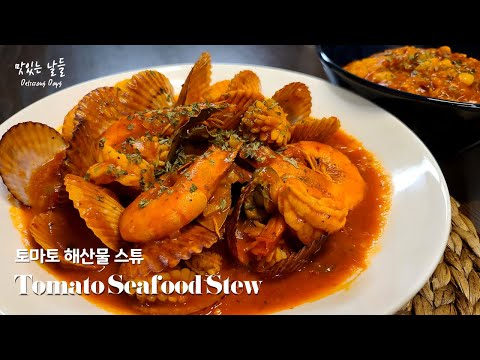
뜨끈한 국물의 이탈리아식 해물탕(?) "해산물 토마토 스튜" ♡ 쌀쌀해진 날에 국물 요리가 생각날 때 제격이에요 ♡ 별미인 누룽지 추가요~ ♡
맛있는 날들 Delicious Days
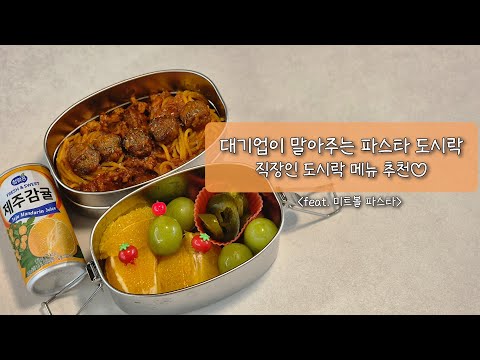
✨️오뚜기 미트볼✨️ 초스피드 파스타 레시피-🍝💯│이재용 회장님의 '미트볼 파스타'도시락│시판용 미트볼 활용 끝판왕👾
이재용 회장님의 도시락
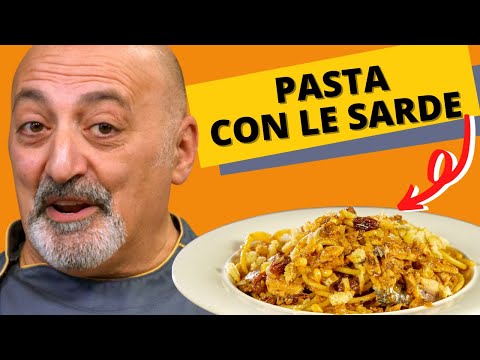
Pasta con le sarde - piatto tradizionale della cucina siciliana
Casa Pappagallo
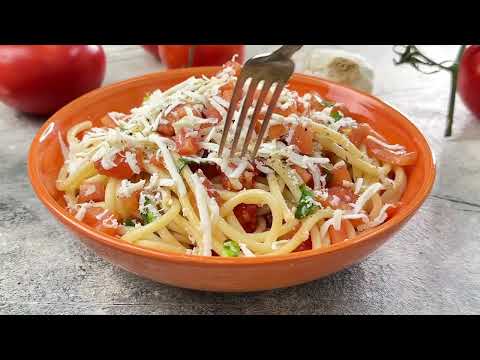
Un classico INTRAMONTABILE della cucina siciliana che mette tutti d'accordo: PASTA ALLA CARRETTIERA!
CookAroundTv
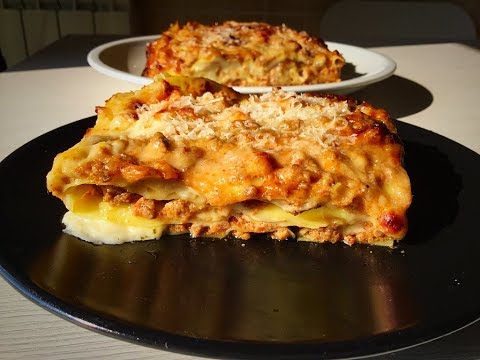
LASAGNE RICETTA CLASSICA
Chef Stefano Barbato
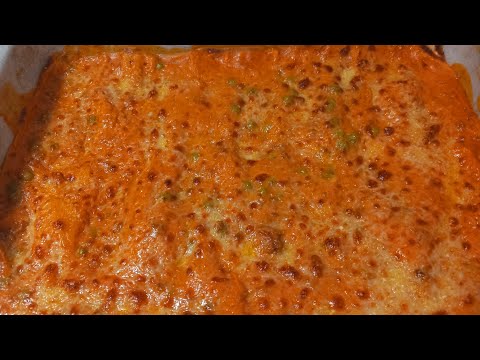
LASAGNE FACILI E VELOCI DA PREPARARE
CUCINA FACILE E VELOCE
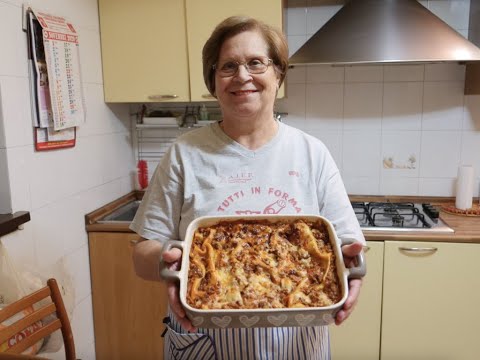
LASAGNE - RICETTA DELLA NONNA MARIA
Ricette delle nonne
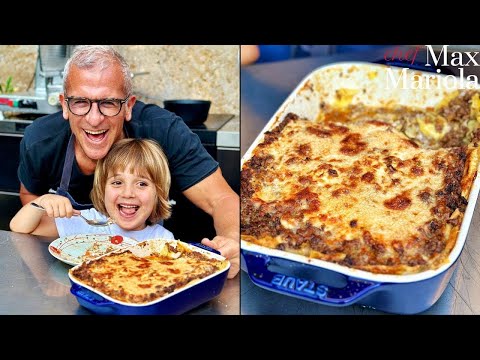
LA LASAGNA, QUELLA VERA! Ragù, Besciamella e Pasta Fatti in Casa | Ricetta di Chef Max Mariola
Chef Max Mariola
LASAGNA CLASSICA RICETTA DI NONNA
Carlo Gaiano
PASTA ALLA NORMA
Fornelli di Sicilia
Pasta alla Norma (ricetta siciliana)
LA RICETTA PER TE
Pasta alla Norma: come fare la classica pasta siciliana con melanzane!
Sonia Peronaci Official
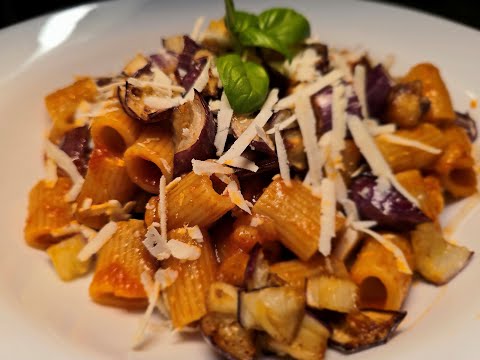
NON LA SOLITA PASTA ALLA NORMA, dimentica le altre ricette, #videoricetteinsieme
atavolaconsilvia
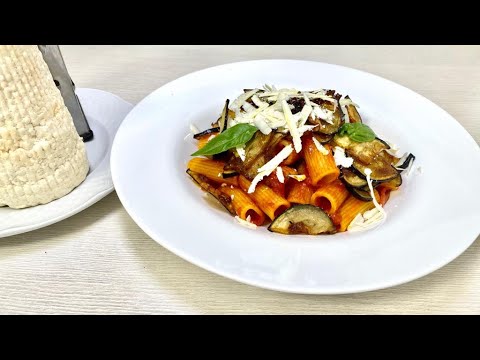
Pasta alla Norma Ricetta Originale
Chef Stefano Barbato
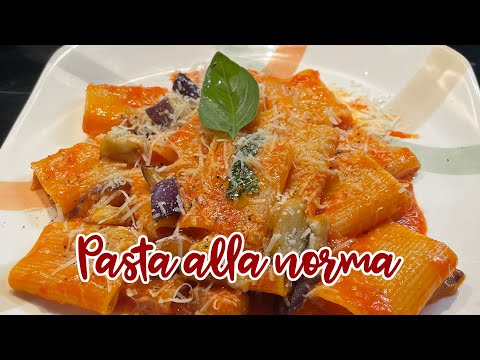
PASTA ALLA NORMA
ICIO THE COOK
PASTA ALLA NORMA - Ricetta tradizionale
Orazio Food Experience
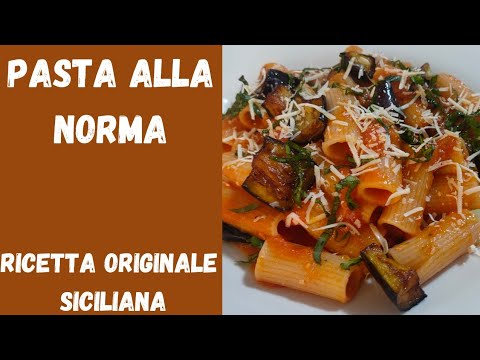
PASTA ALLA NORMA La vera ricetta originale siciliana
fulvio e le sue ricette

PASTA ALLA NORMA (VERA RICETTA SICILIANA) | Le ricette di Giusina in Cucina
Food Network Italia
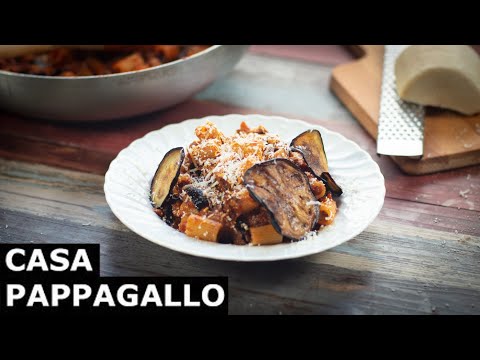
Pasta alla norma S3 - P118
Casa Pappagallo
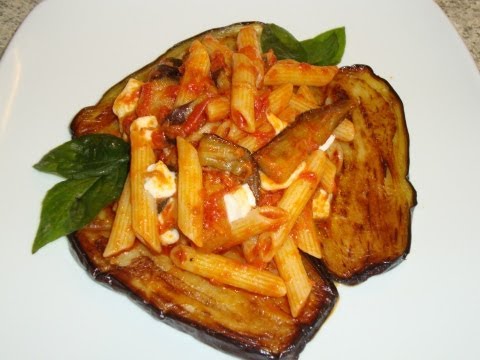
(19) Pasta alla Norma - ricetta rivisitata
Guarda Flo
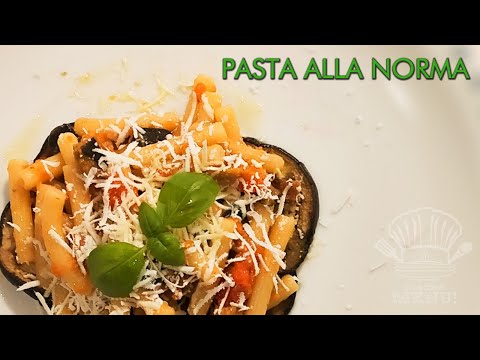
PASTA alla NORMA
Ma che MENU!
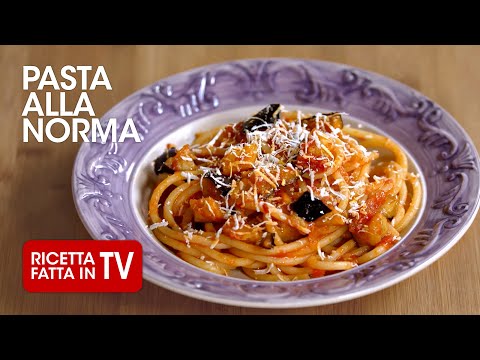
Come fare la PASTA ALLA NORMA di Benedetta Rossi - Ricetta TV Fatto in Casa per Voi
FATTO IN CASA PER VOI
Similar Recipes From Other Cuisines
(24 videos)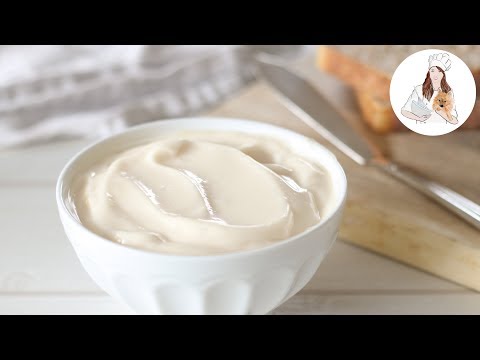
Mayonnaise Recipe | How to make Mayonnaise
Recipes by Carina
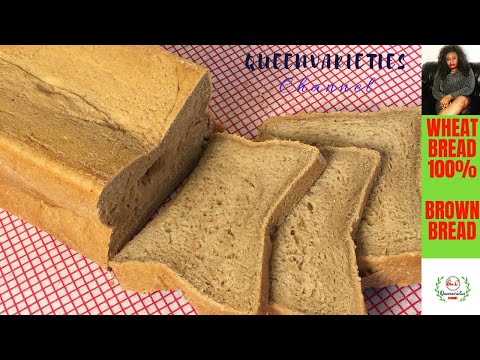
✅NIGERIAN WHOLE WHEAT BREAD RECIPE(100%)| NIGERIAN BROWN BREAD| NIGERIAN BREAD RECIPE
Queenvarieties Channel

7 Best Kids Lunch Box Recipes By Recipes Of The World
Recipes of the world

Avocado Toast
Cooking with Coit

Brioche extra moelleuse au Thermomix ® "recette facile"
Gourmandise et plaisir
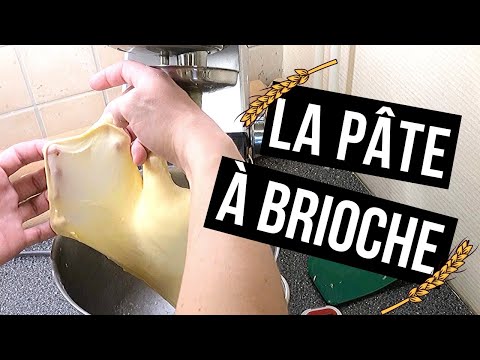
Boulangerie - La pâte à brioche
BaKnutt

Recette de Brioche maison moelleuse sans Robot !#brioche # brioche maison
Cooking by Nissou
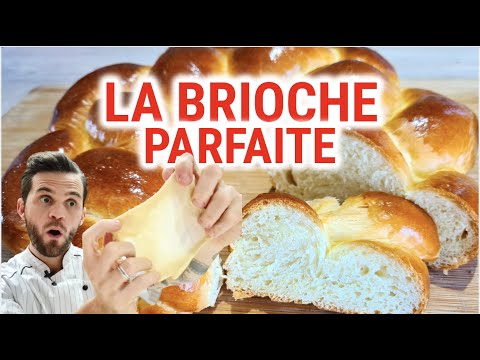
La Brioche parfaite. Ma recette de brioche à la maison super facile pas à pas .
Boulangerie Pas à pas
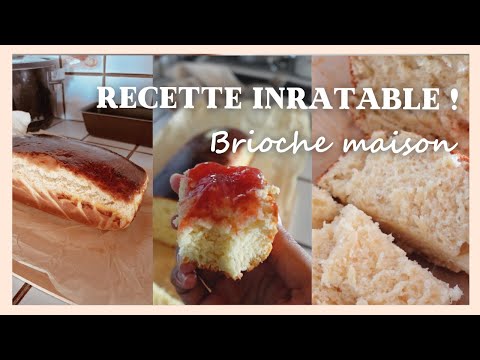
RECETTE INRATABLE | BRIOCHE MAISON | Pour les nuls en brioche, comme moi !
Eloë 🌸
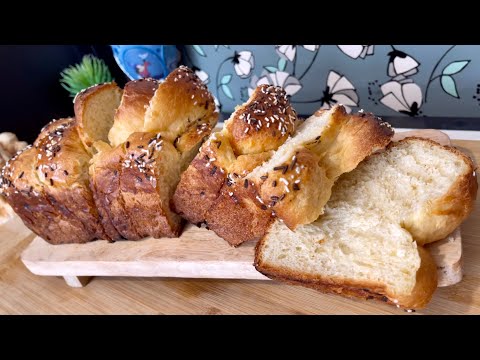
Simplement la recette de ma brioche maison Francine.
Choumchoumnass.🌹

recette Brioche maison facile
douja monde

Baguette 1heure. 100%maison 100% rapide et facile.
Made'moizelle Cloé
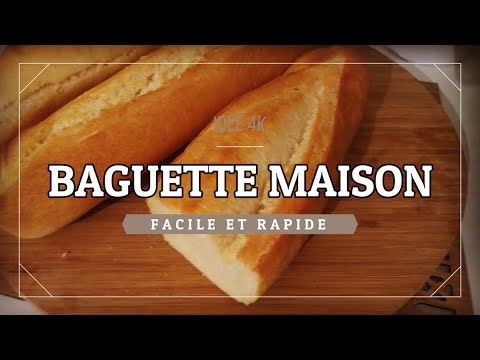
RECETTE BAGUETTE MAISON : LA MEILLEUR :)
Nora
🥖 BAGUETTE MAISON SANS PÉTRISSAGE/ROBOT/MOULE 🥖 la recette express et inratable. Deli Cuisine
Deli Cuisine
BAGUETTE TRES SIMPLE ET RAPIDE
Sabrina sabi
Recette de la tradition - la baguette comme à la boulangerie
Tziganette
Baguette express et INRATABLE
Marjosamira Cook
Comment faire une baguette ?
VCE French - Pierrick Hubert
4 petites baguettes maisons à la main dans votre four
Jean Lépine
Baguettes fait maison
cuisine et régal
RECETTE FACILE LES BAGUETTES CROUSTILLANTES FAITE MAISON
Casa Bena Cuisine
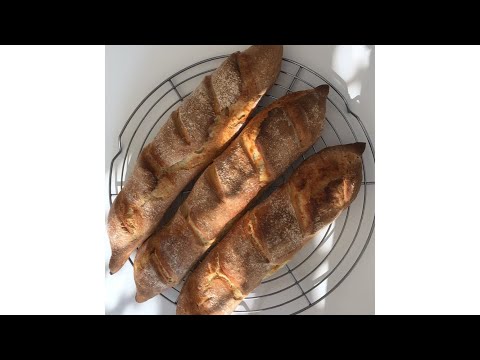
🥖Baguettes homemade croustillantes/mie aérée🥖
Selen Kaymaz
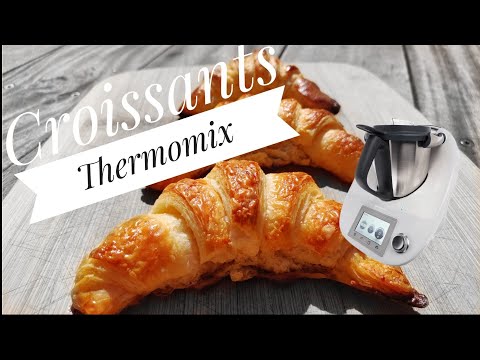
🥐 Croissant 🥐Thermomix faits maison facile! 👍- Préparation pâte feuilletée pliage portefeuille Tuto
Antoine Minart

Croissants simples
Recette Chef Latifa الشيف لطيفة