Japanese Soy Sauce

Recipe Information
Japanese Soy Sauce
Cultural Context
Soy sauce, or shoyu, has its roots in ancient China but became a staple in Japanese cuisine by the 7th century. It plays a vital role in enhancing flavors in various dishes, from sushi to ramen. Today, soy sauce is enjoyed globally, with many regional variations, including tamari, which is gluten-free, and low-sodium options.
Quantities are estimated based on standard recipes for your convenience. The actual ingredients used in this video are accurate.
Sort out the bad soybeans and wash them thoroughly.
Cover the soybeans with double the amount of filtered water and soak them overnight.
Dump the soaking water, rinse the soybeans, and let the water drain.
Put the beans in a big pot and cover them with filtered water.
Start cooking on medium-high heat, then reduce to medium, and finally low, leaving a small crack to let steam out.
When it boils, skim off the scum and add more water if needed, stirring frequently to prevent burning.
Continue to cook on low until the beans are easy to smash, then turn off the heat and let them cool.
Toast barley berries on medium-low until crisp, then let them cool and grind into meal, setting aside.
Transfer the beans to a wood tray and spread them out evenly.
Add the barley meal to the beans and mix thoroughly.
Shake to level the surface and place the tray in a warm area, supported to allow air circulation underneath, and cover with breathable cloth.
On day 3, check for mold growth (none yet).
On day 4, stir the beans to promote mold growth as it starts to appear.
On day 6, the beans should be covered with white mold; divide them into two halves.
Prepare the brine in sterilized glass jars by adding 2 cups of very warm water followed by good salt, stirring to dissolve.
Add 6 more cups of room-temperature filtered water and let the salt dissolve as much as possible.
Add half of the beans to each jar and stir well.
Cover the jars with breathable cloth and leave them at room temperature to ferment from day 7 to about 6 weeks, stirring each jar once a day.
After 6 weeks, the beans will absorb the brine and darken in color; from week 7 to 14 months, stir only once a week.
Cooking Techniques
Equipment Needed
Spice Level:
🌶️🌶️🌶️Dietary
Allergens
Also Known As
More Japanese Soy Sauce Videos
(1 videos)
Similar Japanese Videos
(24 videos)
Beginner-Friendly Japanese Recipes: Easy Dishes for New Cooks
[Haruma Recipe]Japanese Food Recipes in English

20 Minute Japanese Dinners that Will Change Your Life... or maybe 25
Aaron and Claire

RECETTE des PANCAKES JAPONAIS ULTRA FLUFFY !
Il était une fois la pâtisserie
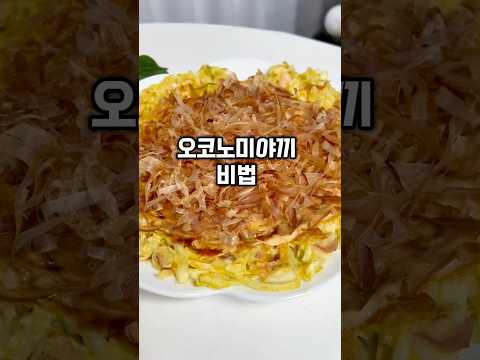
양배추 오코노미야끼 만들기 레시피입니다. #양배추요리 #오코노미야끼 #오꼬노미야끼 #오꼬노미야끼재료 #요리레시피 #레시피 #양배추
뿌뿌키친BBubbu Kitchen

일본 오므라이스 찐 레시피 - 오므라이스
바깥키친

가족을 기쁘게 하는 일본식 오므라이스, 말지않아 쉬워요. オムライス
일식(食)예보
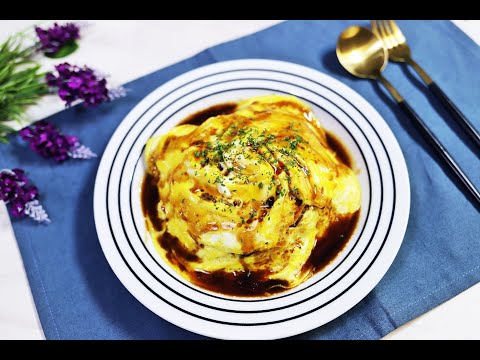
오므라이스 만들기 뚝딱 쉽게 만드는 한그릇 요리
하우매니 심플레시피
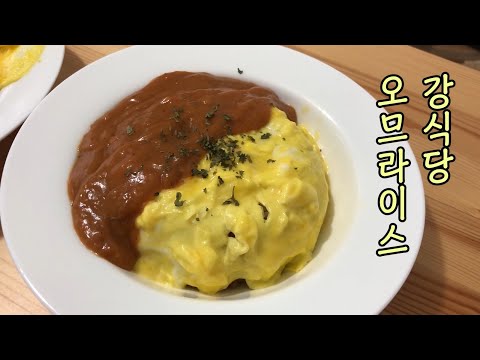
백종원 레시피 강식당 오므라이스 만드는 법 Omurice (Omelette Rice) from the South Korean reality show Kang's Kitchen
진깡 jinkkang

오므라이스는 이렇게 만드세요! 부드럽고 든든한 한끼가 되는 계란요리
옹알옹알쿡 Egg Recipes

강식당 오므라이스 만들기/안재현 오므라이스 소스 만드는법까지 자세히 소개합니다/kang's kitchen omurice/은야쟁이의오렌지블랙박스
은야쟁이
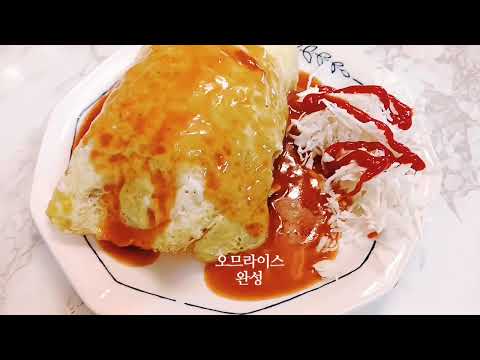
오므라이스 오무라이스 만들기 점심저녁메뉴 추천#오므라이스 #오므라이스소스 #오므라이스만들기 #오므라이스레시피 #점심저녁메뉴
쉬운 집밥요리 햇살머금은집
![[Sub] 정말 '크리미'해요. 집에서 간단하게 색다른 오므라이스!!](https://img.youtube.com/vi/AlK2Gl6kHZI/hqdefault.jpg)
[Sub] 정말 '크리미'해요. 집에서 간단하게 색다른 오므라이스!!
백종원 PAIK JONG WON
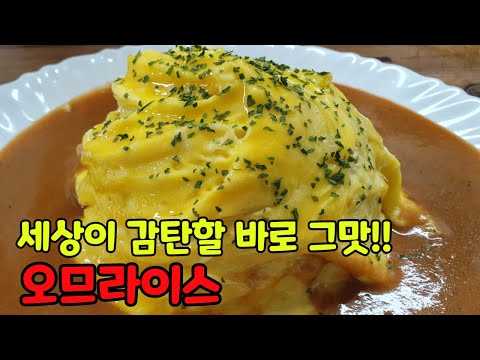
오므라이스 맛있게 만들기 l 맛집 사장님도 놀랄 오므라이스 특제소스 비법공개!! l Yomi Cook's 'Omu Rice' recipe
요미쿡 Yummy Cook
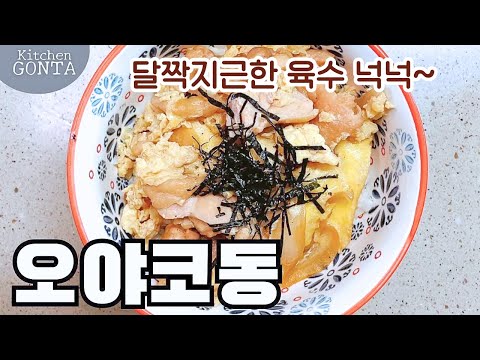
쯔유 듬뿍 오야코동 레시피/치킨 오야코동 만드는 법/닭갈비 계간 덮밥 만들기/오야꼬동/간단 일본 가정 덮밥 요리/親子丼/親子丼の作り方/親子丼 レシピ
kitchen-GONTA

世界一美味しい唐揚げの作り方【日本唐揚協会 特製レシピ】
おっくんの宅飲みグルメ
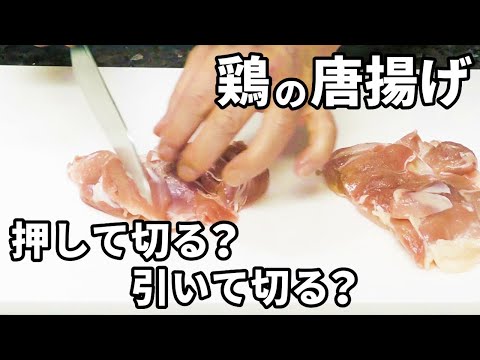
鶏の唐揚げの味までもが変わる、肉の切り分け方&ポイントを解説!
のんの大阪料理教室
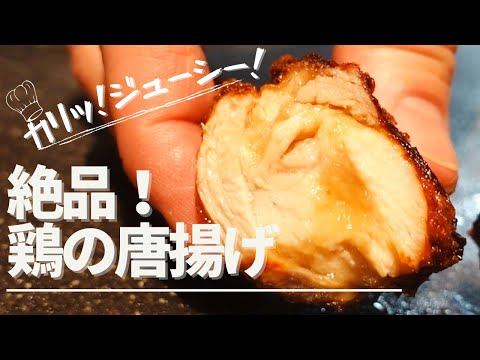
【カリッ!ジューシー!鶏の唐揚げ】ポイントは2度揚げ【簡単なのに絶品料理】
DOI 料理人
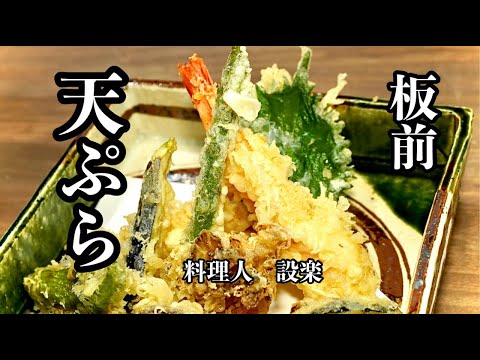
【プロ直伝】 板前が教える!お店と同じ【天ぷら】の作り方 誰でもサクサクの天ぷらを揚げる方法 これで天ぷらは得意料理になる!
料理人設楽の料理道場
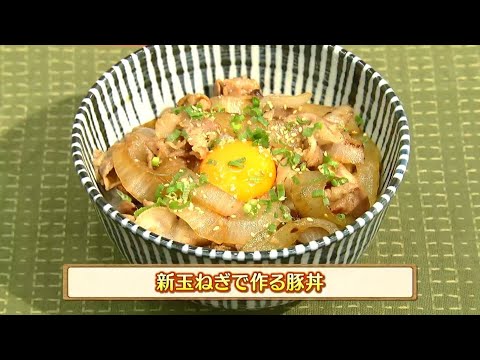
うんまかレシピ「新玉ねぎで作る豚丼」
MBC南日本放送
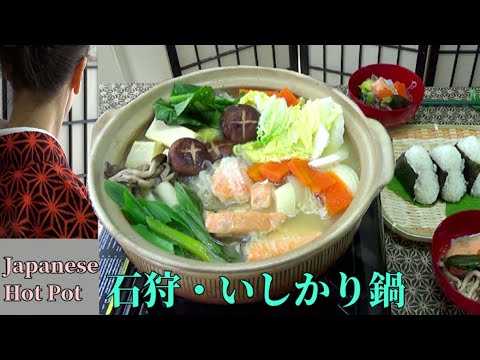
【石狩鍋の作り方・レシピ】鮭のアラでうまみたっぷり💛【郷土料理・北海道】 Japanese Hot Pot, Ishikari Nabe, Hokkaido【日本語+Eng 】
COOKBOOK Japan
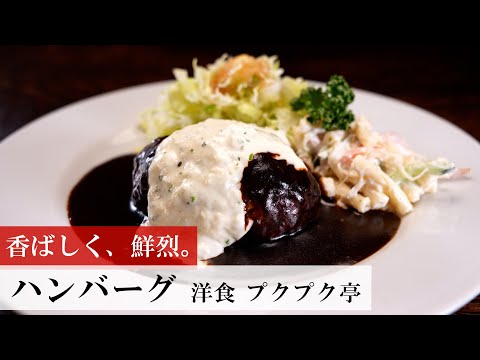
【名店レシピ】ハンバーグ by 洋食 プクプク亭 植野食堂のお品書き #438
BS Fuji Official Channel

洋食料理人が作る!絶対に曲がらないトンカツの作り方 How to cook Tonkatsu 筋切りなど下処理も解説
店長の料理教室
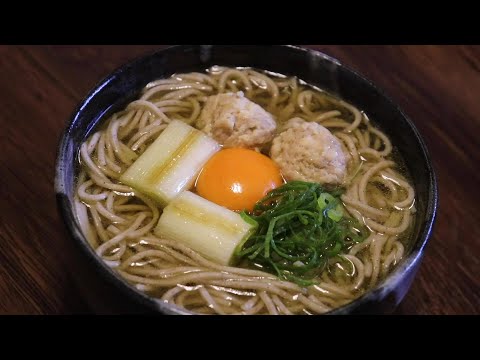
年越しの夜はコレを喰え!最高の蕎麦つゆ!!【年越し蕎麦】
オレオの台所
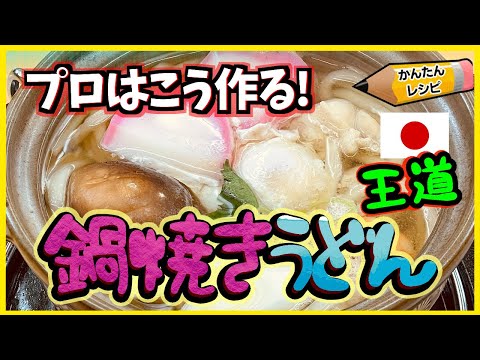
ご家庭で簡単にできる 美味しい鍋焼きうどんの作り方【プロの簡単レシピ】
板長チャンネル - Japan's Head chef
Similar Recipes From Other Cuisines
(24 videos)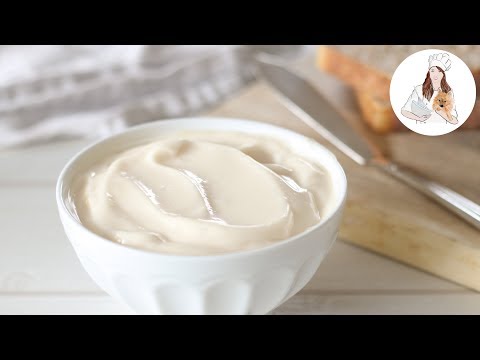
Mayonnaise Recipe | How to make Mayonnaise
Recipes by Carina
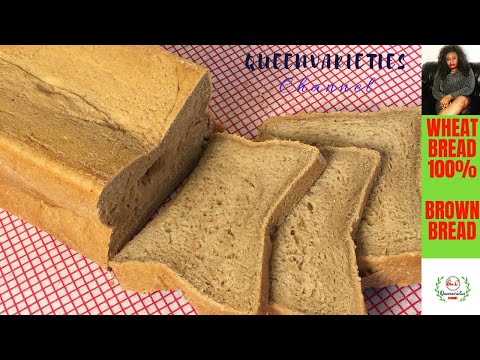
✅NIGERIAN WHOLE WHEAT BREAD RECIPE(100%)| NIGERIAN BROWN BREAD| NIGERIAN BREAD RECIPE
Queenvarieties Channel

7 Best Kids Lunch Box Recipes By Recipes Of The World
Recipes of the world

Avocado Toast
Cooking with Coit
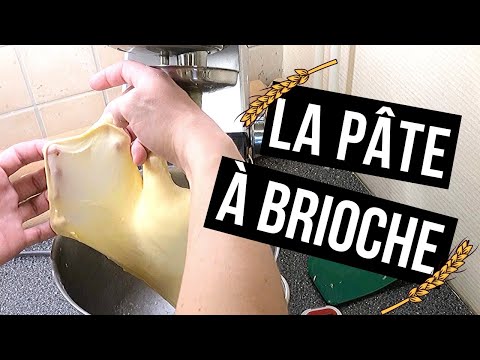
Boulangerie - La pâte à brioche
BaKnutt

recette Brioche maison facile
douja monde

La Brioche parfaite. Ma recette de brioche à la maison super facile pas à pas .
Boulangerie Pas à pas

RECETTE INRATABLE | BRIOCHE MAISON | Pour les nuls en brioche, comme moi !
Eloë 🌸

Brioche extra moelleuse au Thermomix ® "recette facile"
Gourmandise et plaisir

Simplement la recette de ma brioche maison Francine.
Choumchoumnass.🌹

Recette de Brioche maison moelleuse sans Robot !#brioche # brioche maison
Cooking by Nissou

Baguettes fait maison
cuisine et régal

RECETTE FACILE LES BAGUETTES CROUSTILLANTES FAITE MAISON
Casa Bena Cuisine

🥖Baguettes homemade croustillantes/mie aérée🥖
Selen Kaymaz

4 petites baguettes maisons à la main dans votre four
Jean Lépine

Baguette express et INRATABLE
Marjosamira Cook
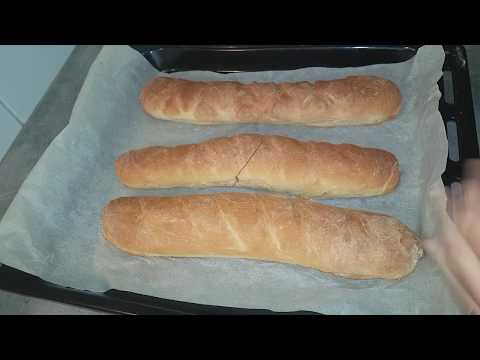
BAGUETTE TRES SIMPLE ET RAPIDE
Sabrina sabi

RECETTE BAGUETTE MAISON : LA MEILLEUR :)
Nora

Recette de la tradition - la baguette comme à la boulangerie
Tziganette

Comment faire une baguette ?
VCE French - Pierrick Hubert

Baguette 1heure. 100%maison 100% rapide et facile.
Made'moizelle Cloé

🥖 BAGUETTE MAISON SANS PÉTRISSAGE/ROBOT/MOULE 🥖 la recette express et inratable. Deli Cuisine
Deli Cuisine

Croissants simples
Recette Chef Latifa الشيف لطيفة

RECETTE ORIGINALE DES CROISSANTS MAISON, PAINS AU CHOCOLAT, CHOCOLATINES AU BEURRE, FACILE, ASTUCES
PAPA GÂTEAUX