How to Create Probiotics at Home
Recipes in this Video
Kombucha is believed to have originated in Northeast China around 220 B.C. as a health tonic. It gained popularity in the West for its purported health benefits and unique flavor profile. Today, kombucha is enjoyed globally, with countless variations and flavors reflecting local tastes and ingredients.
Ingredients
- ●tea
- ●sugar
- ●scoby
- ●water
- ●flavorings (optional)
- ●herbs (optional)
- ●fruit (optional)
- ●spices (optional)
Instructions
- 1Boil water and steep tea until fully infused.
- 2Remove tea bags or leaves and stir in sugar until dissolved.
- 3Allow the sweetened tea to cool to room temperature.
- 4Pour the cooled tea into a clean glass jar.
- 5Add the scoby to the jar with the tea.
- 6Cover the jar with a breathable cloth and secure it with a rubber band.
- 7Place the jar in a warm, dark place for 7-14 days to ferment.
- 8Taste the kombucha after a week; ferment longer for a tangier flavor.
- 9Once fermented, remove the scoby and set aside for future batches.
- 10Add any desired flavorings and stir gently.
- 11Bottle the kombucha, leaving some space at the top.
- 12Seal the bottles and let them carbonate at room temperature for 3-7 days.
- 13Refrigerate the bottles to stop fermentation before serving.
Ingredient Alternatives
sugar
Healthier: honey
Cheaper: brown sugar
Honey adds flavor and is less processed.
scoby
Scoby is essential for fermentation.
tea
Healthier: herbal tea
Cheaper: black tea
Herbal tea provides variety without caffeine.
flavorings (optional)
Healthier: fresh fruit
Cheaper: dried fruit
Fresh fruit enhances flavor with fewer additives.
Techniques
Equipment
Also Known As
Apple cider vinegar has its roots in the United States, where it has been used for centuries not only as a condiment but also for its purported health benefits. Traditionally, it is made by fermenting apple juice, which transforms sugars into alcohol and then into vinegar. It holds a special place in American kitchens, often used in salad dressings, marinades, and as a natural remedy. Today, its popularity has spread globally, with many variations and uses in culinary practices and health trends.
Ingredients
- ●apples
- ●water
- ●sugar
- ●yeast
- ●vinegar mother
Instructions
- 1Wash apples thoroughly and chop them into small pieces, including the cores and peels.
- 2Place chopped apples into a clean glass jar or fermentation vessel.
- 3Dissolve sugar in water and pour it over the apples until they are fully submerged.
- 4Add yeast to the jar to start the fermentation process.
- 5Cover the jar with a cheesecloth or a breathable lid to allow air circulation while keeping contaminants out.
- 6Store the jar in a dark, warm place for 3-4 weeks, stirring occasionally to mix the ingredients.
- 7After 3-4 weeks, strain out the solids using a fine mesh strainer or cheesecloth, returning the liquid to the jar.
- 8Add the vinegar mother to the strained liquid if available, or let it ferment naturally.
- 9Cover the jar again and let it sit for another 3-4 weeks to develop acidity, tasting periodically for desired tartness.
- 10Once the vinegar reaches the desired flavor, transfer it to a clean bottle and seal it for storage.
Equipment
Also Known As
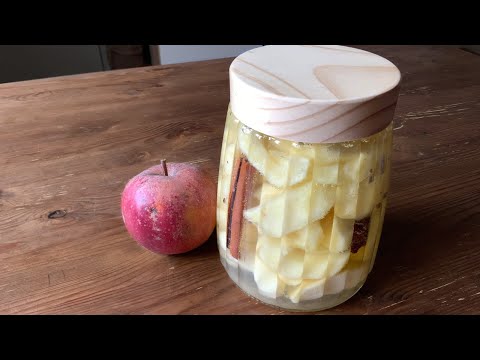
More Fermented Apples Videos
(2 videos)
Similar Other Videos
(24 videos)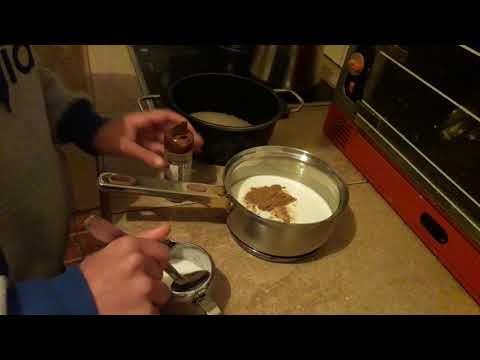
RECETTE RIZ AU LAIT
Saad Fedda
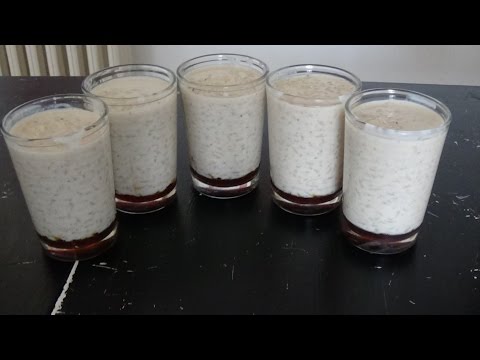
Riz au lait au Cookeo
Lili Cuisine

#1àZ : MON RIZ AU LAIT
Xavier Pincemin
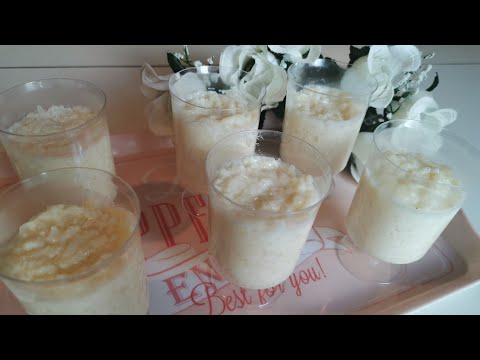
~RIZ AU LAIT vanille ~ dessert allégé en sucre inratable |Recettes & diététique
Recettes & Diététique

Recette Riz au lait Gastronomique
Allez on cuisine

{Recette Omnicuiseur} Riz au lait
Le Pays des Gourmandises
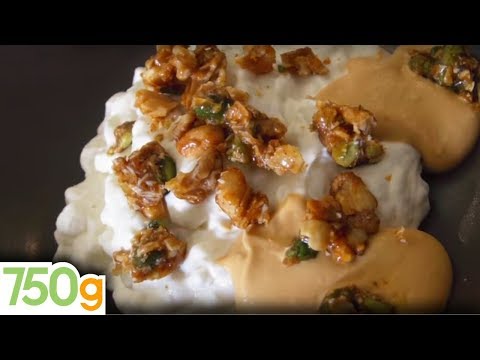
Recette culte : Riz au lait de l'Ami Jean - 750g
750g

Riz au lait - saveur d’enfance - au lait végétal -
Mimagusta
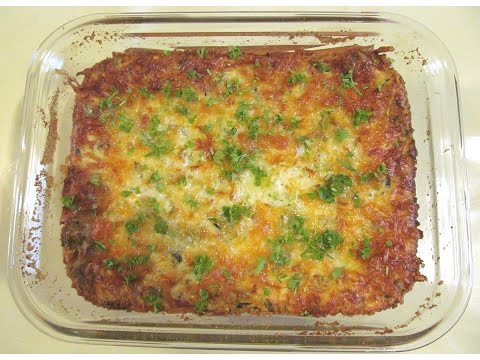
Gratin de courgettes, lardons, fromage/Запеканка из кабачков/Zucchini casserole/Budinca de dovlecei
Sucre et épices
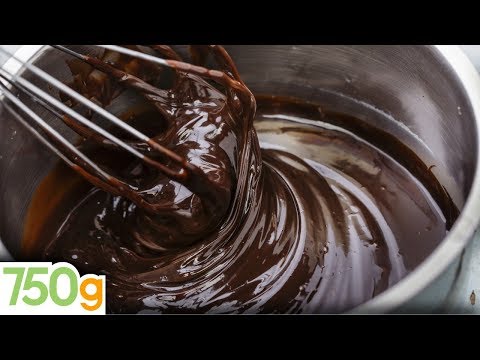
La Sauce au chocolat - 750g
750g
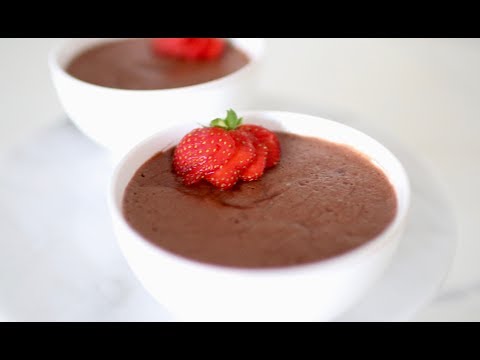
MOUSSE AU CHOCOLAT VEGAN EN 4 INGRÉDIENTS | ENJOYCOOKING
Enjoy Cooking

Recette du riz cantonais aux fruits de mer
TCHOP-AFRIK'A Cuisine

Le cake au citron facile et rapide, avec ou sans airfryer !
Il était une fois la pâtisserie
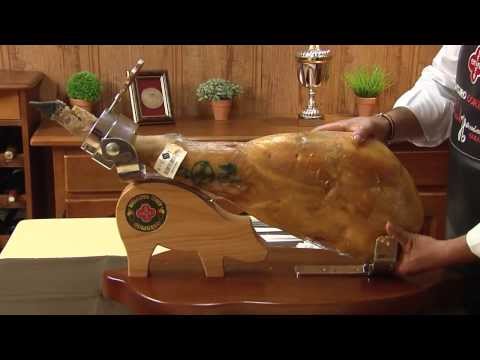
(ES) Cómo cortar jamón Ibérico
Jamón BEHER
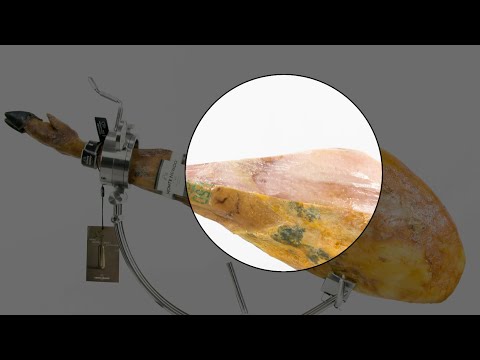
Cómo cortar jamón a cuchillo, con Raquel Acosta
Monte Nevado
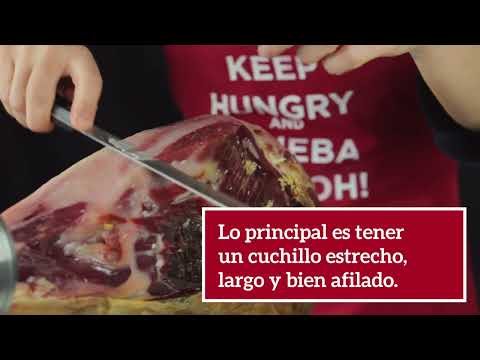
Cómo cortar Jamón Ibérico
Cerdoh! ibéricos
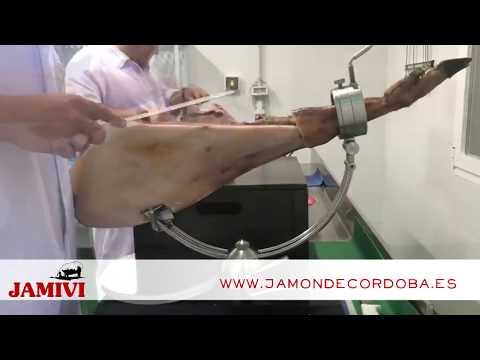
Cómo cortar jamón ibérico en 59 segundos
Jamones Ibéricos JAMIVI
유명한참치김치찌개전문점황금레시피공개|일반김치에서묵은지김치로만드는비법|요즘식구들이이것만 끓여달래요~Tuna Kimchi Jjigae
도터키친daughter kitchen

순대만들기‼️ 순대만들때 이것⁉️넣으면 전통순대완성 집에서순대만들기
미국 유니쓰 Eunice

대박집 순대제조를 하는데도 반드시 레시피가 있습니다.남극의 세프 순대레시피로 창업해서 대박 납시다요 !
요리는 레시피다

쫄깃쫄깃한 오징어순대 만들기(Sundae,꼬마츄츄)
꼬마츄츄 (꼬마츄츄)
![[일상브이로그] 순대 만드는법 맛있는 순대 레시피](https://img.youtube.com/vi/AdUDEuEGjt4/hqdefault.jpg)
[일상브이로그] 순대 만드는법 맛있는 순대 레시피
김인이[kimini]-요리일상브이로그
극강의 호불호를 가진 음식 "피순대" / real blood sausage ( sundae ) / korean street food #shorts
빅푸드 Big Food

연어 덮밥~톡톡 터지는 날치알로 더욱더 식감 있게 만들기! 소스레시피 만드는법 홈파티 크리스마스 연말 요리
제이슨쿡
Similar Recipes From Other Cuisines
(24 videos)
Mayonnaise Recipe | How to make Mayonnaise
Recipes by Carina
✅NIGERIAN WHOLE WHEAT BREAD RECIPE(100%)| NIGERIAN BROWN BREAD| NIGERIAN BREAD RECIPE
Queenvarieties Channel

7 Best Kids Lunch Box Recipes By Recipes Of The World
Recipes of the world
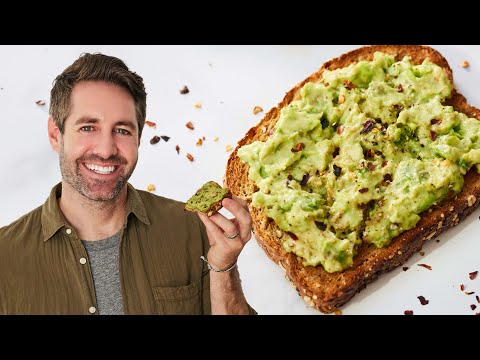
Avocado Toast
Cooking with Coit
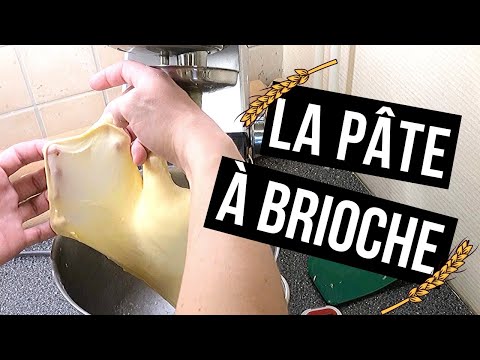
Boulangerie - La pâte à brioche
BaKnutt

RECETTE INRATABLE | BRIOCHE MAISON | Pour les nuls en brioche, comme moi !
Eloë 🌸
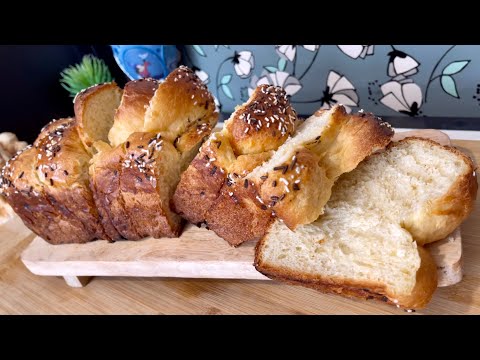
Simplement la recette de ma brioche maison Francine.
Choumchoumnass.🌹

Brioche extra moelleuse au Thermomix ® "recette facile"
Gourmandise et plaisir

La Brioche parfaite. Ma recette de brioche à la maison super facile pas à pas .
Boulangerie Pas à pas

recette Brioche maison facile
douja monde

Recette de Brioche maison moelleuse sans Robot !#brioche # brioche maison
Cooking by Nissou
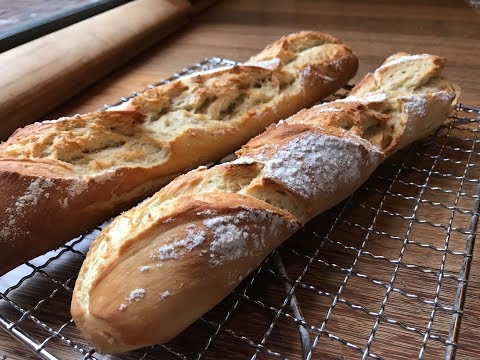
Comment faire une baguette ?
VCE French - Pierrick Hubert
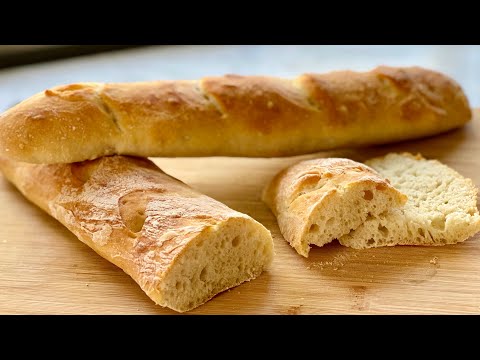
🥖 BAGUETTE MAISON SANS PÉTRISSAGE/ROBOT/MOULE 🥖 la recette express et inratable. Deli Cuisine
Deli Cuisine
RECETTE BAGUETTE MAISON : LA MEILLEUR :)
Nora
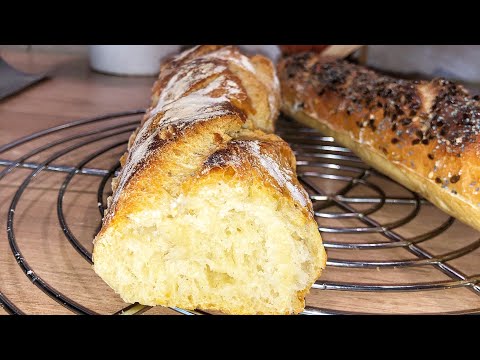
Baguette express et INRATABLE
Marjosamira Cook

Baguette 1heure. 100%maison 100% rapide et facile.
Made'moizelle Cloé

Recette de la tradition - la baguette comme à la boulangerie
Tziganette
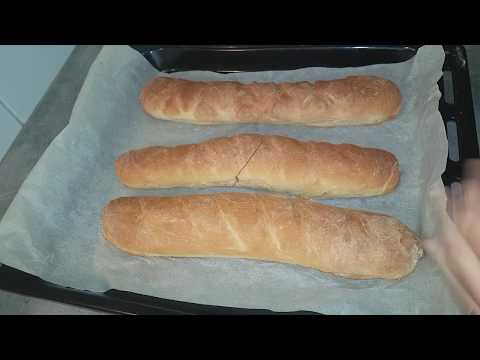
BAGUETTE TRES SIMPLE ET RAPIDE
Sabrina sabi
RECETTE FACILE LES BAGUETTES CROUSTILLANTES FAITE MAISON
Casa Bena Cuisine
🥖Baguettes homemade croustillantes/mie aérée🥖
Selen Kaymaz

Baguettes fait maison
cuisine et régal

4 petites baguettes maisons à la main dans votre four
Jean Lépine

🥐 Croissant 🥐Thermomix faits maison facile! 👍- Préparation pâte feuilletée pliage portefeuille Tuto
Antoine Minart

Croissants simples
Recette Chef Latifa الشيف لطيفة