Making Cambozola Cheese at Home -- incredibly delicious!

Recipe Information
Cambozola Cheese
Cultural Context
Cambozola originated in Germany, combining the best of Camembert and Gorgonzola. This unique cheese features a creamy texture with a mild blue flavor, making it a favorite in cheese boards and gourmet dishes. Its popularity has spread globally, and it is often enjoyed with fruits, nuts, and wines.
Add 2 gallons (8 liters) of cow's milk to a very large pot.
Add 1 liter (2 pints) of whipping cream to the milk.
Heat the milk slowly over low heat for 15 to 20 minutes until it reaches 86°F (30°C), stirring consistently.
Take a pH reading of the milk; it should be around 6.7.
Turn off the heat and add 1/8 teaspoon of mm 100 starter bacteria to the milk.
Optionally, add 1/4 teaspoon of lucanostoc mesenteroides and let sit for 1 minute before mixing.
Prepare a calcium chloride solution by dissolving 1/4 teaspoon of calcium chloride in 1/4 cup of non-chlorinated water.
Add the calcium chloride solution to the milk and stir for 1 minute to incorporate.
Cover the pot and let it sit undisturbed for 1 hour.
Dilute 1/4 teaspoon of double strength liquid rennet in 1/4 cup of non-chlorinated water.
Pour the rennet mixture into the milk and stir for 1 minute.
Cover the pot and let it sit undisturbed for 90 minutes.
Check for a clean break in the curd; cut the curd into cubes about 2 cm (3/4 inch).
Let the curds heal for 5 minutes.
Gently stir the curds for 15 minutes to draw out moisture.
Let the curds sit for 5 minutes after stirring.
Use a strainer and ladle to remove the liquid whey from the top of the pot.
Transfer the curds to pre-sterilized fabric-lined strainers and let drain for 20 minutes, lifting the corners of the fabric halfway through.
Transfer the drained curds to cylindrical forms, creating a base layer about 1 inch thick.
Sprinkle a small amount of penicillium rock 40 spores into the center of the forms.
Add a second layer of curds on top of the spores.
Equipment Needed
Spice Level:
🌶️🌶️🌶️Dietary
Allergens
Also Known As
Similar Cheese Videos
(24 videos)
German Desserts - 9 Delicious German Desserts That You Need To Try!
German Recipes by All Tastes German
The tastiest German salad! I never get tired of cooking this salad! Simple and tasty!
This is Tasty — Cooking Easy Recipes
How to make German "Zwiebelmettwurst"(onionhamburger sausage) at home
Petra's Cauldron

German Pancake (Dutch Baby)
Baked By An Introvert

How to Make GERMAN PANCAKE | AKA DUTCH BABY
Viva in the Kitchen

Melissa Clarks' German Pancake (aka Dutch Baby)
Rachael Ray Show
a QUICK and EASY breakfast cake to start your day off right!
How To Cook Smarter

German Bavarian-Style Soft Pretzels (Brezels): Lots of Tips, Symbolism, & Deets on Alkaline Solution
Summer Bakes the World

REAL German Pretzels - Best
Our Gabled Home

German-style soft pretzels — no lye
Adam Ragusea

Oktoberfest Pretzels from Scratch 🥨 | Soft, Chewy & Perfect
Cosmopolitan Cornbread

World Famous Bavarian Pretzels - Oktoberfest Special - Food Wishes
Food Wishes

Bavarian Pretzels | Laugenbrezel & Laugenstangen
Just One Bite, Please?

Authentic German Pretzels: Soft, Chewy, and Perfectly Golden
Debbie's Kitchen Corner

Making Bavarian Pretzels at Home with David - Original & Stuffed
The Food Nanny - Lizi Heaps

Auntie Anne's Pretzel 🥨 & German Bavarian Recipe
HellthyJunkFood
Easy Meatloaf Recipe
1001 Calories

German Marmalade Cake – Easy, Elegant & Not Too Sweet
Lees Cooking

How to Make Potato Croquettes | Classic Belgian Recipe
Absurdly Belgian
German Pear Cake - How to Make Pear Kuchen
bestbitesforever 💜
Spiegeleikuchen - Käsekuchen mit Aprikose (German Cheesecake with Apricots)
The Busy Bavarian
HOW TO MAKE CLASSIC SAUERKRAUT || ASINAN JERMAN ENAK SIMPLE ANTI GAGAL
Racikan Yulia
Copycat Texas Roadhouse Honey Mustard Recipe
Two Pink Peonies
How To Make German Spaetzle / Spatzle
Food Delectable
Similar Recipes From Other Cuisines
(24 videos)
Mayonnaise Recipe | How to make Mayonnaise
Recipes by Carina
✅NIGERIAN WHOLE WHEAT BREAD RECIPE(100%)| NIGERIAN BROWN BREAD| NIGERIAN BREAD RECIPE
Queenvarieties Channel

7 Best Kids Lunch Box Recipes By Recipes Of The World
Recipes of the world
Avocado Toast
Cooking with Coit
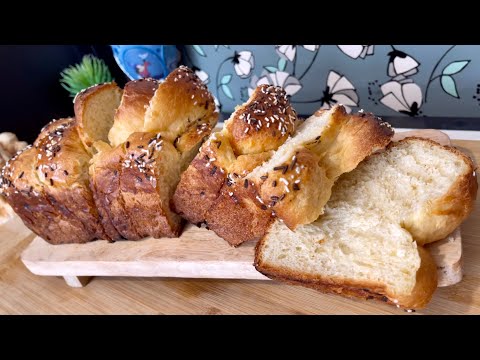
Simplement la recette de ma brioche maison Francine.
Choumchoumnass.🌹

Recette de Brioche maison moelleuse sans Robot !#brioche # brioche maison
Cooking by Nissou

La Brioche parfaite. Ma recette de brioche à la maison super facile pas à pas .
Boulangerie Pas à pas

recette Brioche maison facile
douja monde

Brioche extra moelleuse au Thermomix ® "recette facile"
Gourmandise et plaisir
RECETTE INRATABLE | BRIOCHE MAISON | Pour les nuls en brioche, comme moi !
Eloë 🌸
Boulangerie - La pâte à brioche
BaKnutt
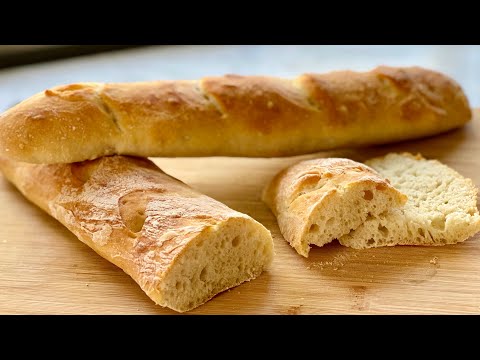
🥖 BAGUETTE MAISON SANS PÉTRISSAGE/ROBOT/MOULE 🥖 la recette express et inratable. Deli Cuisine
Deli Cuisine
RECETTE BAGUETTE MAISON : LA MEILLEUR :)
Nora

4 petites baguettes maisons à la main dans votre four
Jean Lépine
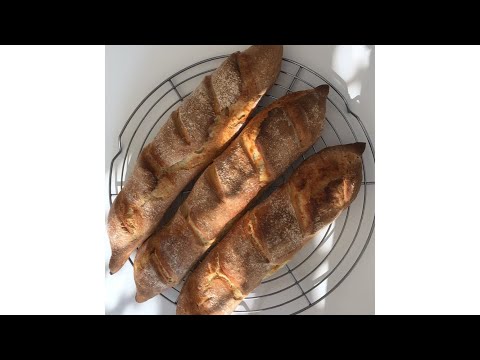
🥖Baguettes homemade croustillantes/mie aérée🥖
Selen Kaymaz

Recette de la tradition - la baguette comme à la boulangerie
Tziganette
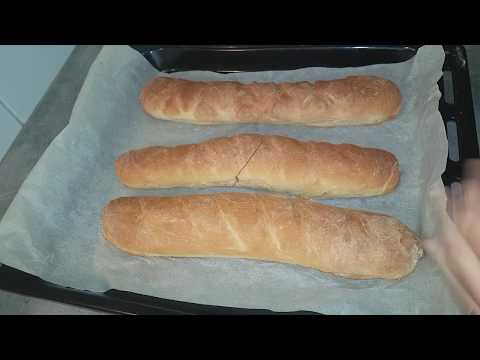
BAGUETTE TRES SIMPLE ET RAPIDE
Sabrina sabi

Baguette 1heure. 100%maison 100% rapide et facile.
Made'moizelle Cloé

Baguettes fait maison
cuisine et régal
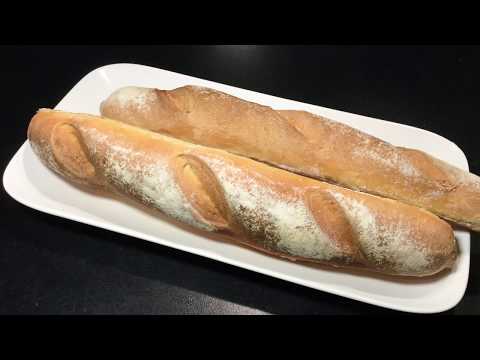
RECETTE FACILE LES BAGUETTES CROUSTILLANTES FAITE MAISON
Casa Bena Cuisine
Baguette express et INRATABLE
Marjosamira Cook
Comment faire une baguette ?
VCE French - Pierrick Hubert

Croissants simples
Recette Chef Latifa الشيف لطيفة

RECETTE ORIGINALE DES CROISSANTS MAISON, PAINS AU CHOCOLAT, CHOCOLATINES AU BEURRE, FACILE, ASTUCES
PAPA GÂTEAUX